
Best Car Roof Carriers: Soft Bags and Hard Boxes for Extra Cargo Space (2026)
Disclosure: We may earn a commission when you buy through links on this page, at no extra cost to you. As an Amazon Associate I earn from qualifying purchases. Learn more
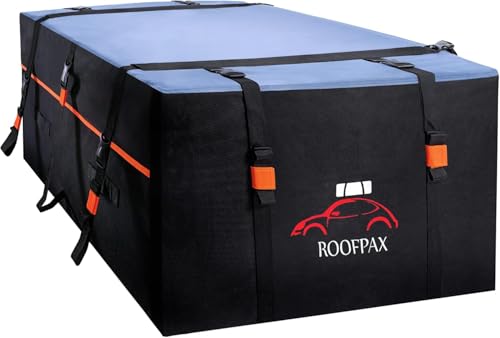
Choose the best car roof carriers: soft bags versus hard boxes, capacity, waterproofing, how they attach with or without a rack, and loading tips.
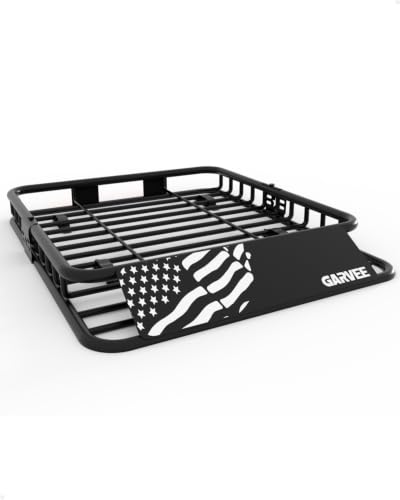
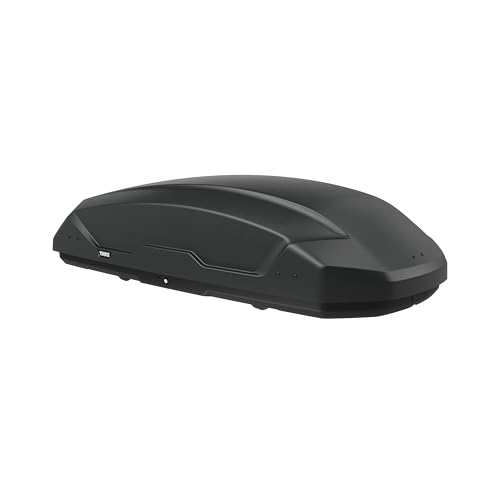
When luggage, camping gear and a cooler will not fit inside the car, the roof is the obvious place to put them. A rooftop carrier adds cargo room without needing a trailer, and it keeps bulky items away from the passengers. The best car roof carriers hold their shape at highway speed, keep rain out, attach firmly and are easy to load and store. The product table above includes folding soft bags that suit cars with or without a rack, a universal rack-mounted carrier and a hard-shell box for those who want more security.
This guide covers the main types, how they attach and what to think about before buying.




Soft Bags or Hard Boxes
Soft Cargo Bags
A soft bag is made of tough, coated fabric with zippers and straps. It folds flat when you do not need it, so it stores in a closet or a trunk. Bags are generally cheaper and many can be fitted to a bare roof, which makes them a flexible choice for cars without rails. Their weakness is shape: a half-empty bag can flap, and the fabric is less secure against theft and less aerodynamic than a hard box.
Hard-Shell Boxes
A rigid box with a lid is more aerodynamic and secure and handles bad weather well. Boxes open with a lock, and they protect skis, bags and equipment from rain, snow and curious hands. They cost more and are bulky to store in a garage, and they need a roof rack with crossbars to mount on.
Open Cargo Baskets and Trays
These are rack-mounted platforms for odd-shaped items, such as spare tires or firewood. They offer the most flexibility, but the load needs a net or straps and exposure to weather.
Capacity and Dimensions
Capacity is usually listed in cubic feet. A small carrier suits a couple's weekend, while a large one suits a family of five. Check the length and width against your roof, and remember that a carrier that overhangs the windshield or rear window can affect visibility and the tailgate. Make sure a hatch or a trunk lid still opens fully with the carrier mounted.
How It Attaches
- Rack-mounted: straps, clamps or U-bolts fasten to the crossbars. This is the most secure design.
- Roof rail clips: some carriers use loops that go around the side rails.
- No-rack bags: straps pass through the door frames and rest on the roof, with a mat underneath to protect the paint.
Follow the instructions for your vehicle and check that the straps are tight before you leave. Retighten after the first few miles, since the load settles.
Waterproofing
Rain and road spray are hard on any bag. Look for coated or laminated fabric, welded or taped seams and a zipper with a storm flap. Even the best bags can let in a little moisture on a long wet drive, so pack clothes and electronics in waterproof sacks inside. Hard boxes are better sealed, but lids and locks still need a good gasket.
Weight Limits and Driving
Every vehicle has a maximum roof load that includes the rack and the cargo. Check the owner's manual and never exceed it. Put heavy items low and centered, and lighter items on top.
Driving with a carrier changes handling: the center of gravity is higher, crosswinds have more effect and fuel economy drops. Drive more smoothly, brake earlier and watch for low clearances in garages and drive-throughs.
Protecting Your Roof
A bag placed straight on the paint will scuff it over time, so use a protective mat under any no-rack carrier. Clean the roof before mounting, since grit under a mat sands the finish. Remove the carrier when it is not needed, because long periods of strap tension, sun and rain wear the fabric and the straps.
Loading Tips
Pack the carrier before you attach it, which is easier than loading on the roof. Fill gaps with soft items so nothing shifts, and fasten any inner straps. Zip the bag fully and secure the flap.
Keep a small kit of spare straps and a towel in the car. When you stop for the night, check that the carrier is still tight.
Choosing the Best Car Roof Carriers
Start with your vehicle: if you have crossbars, you can choose a hard box or a rack-mounted bag. If you have a bare roof, a no-rack bag is the simple option. Decide on capacity, compare waterproofing and look at how easy it is to attach and remove. Read about storage size, since a hard box needs a place in the garage.
Noise, Aerodynamics and Fuel Use
Anything on the roof adds wind noise and drag. A hard box with a smooth, tapered shape is quieter than a bag, and positioning matters: a carrier mounted too far forward can whistle, and one that sits too far back may block the tailgate. A well-packed soft bag with straps pulled tight has less flutter and less noise than a loose one. Expect a drop in fuel economy, particularly at highway speed, so plan an extra stop and take the carrier off when you do not need it.
Security and Theft
A zipped soft bag can be cut open, and valuables left in it are at risk when you park. Hard boxes with locks offer more protection but are not impossible to break. Keep valuables inside the car and use the rooftop space for bulkier items such as sleeping bags, tents and clothes. A small cable lock that threads through the straps deters casual theft of the carrier itself.
Storage When Not in Use
Dry the bag completely before folding it, because damp fabric grows mildew. Fold it loosely according to the instructions and keep it away from sharp edges. Hard boxes can hang from garage ceiling hooks or lean against a wall, and a simple pulley system makes lifting easier. Keep the straps and hardware in a labeled bag so that you are not searching for them on the morning of a trip.
Common Mistakes to Avoid
- Overloading the roof: the rack and the vehicle have weight limits.
- Leaving the straps loose: a carrier that shifts can damage the roof and the load.
- Forgetting height: remember the extra clearance in car parks and garages.
- Blocking the hatch: make sure the tailgate opens before you pack.
- Packing heavy items on top: keep weight low and centered.
Related Guides
- Best Car Covers
- Best Mountain Bike Car Carrier
Frequently Asked Questions
Can I use a roof bag without a rack?
Many bags are made for that, but follow the instructions and use a protective mat.
Will a carrier hurt my gas mileage?
Yes. A carrier increases drag, so you will use more fuel.
Are soft bags truly waterproof?
Good ones resist rain well, but pack valuables in waterproof sacks to be safe.
How tight should the straps be?
Snug enough that the carrier does not move when you push it. Recheck after a short drive.
The Bottom Line
The best car roof carriers match your vehicle, hold your cargo securely and keep it dry. Choose between a bag and a box based on your roof and budget, respect the weight limit and drive with care. A good carrier turns a cramped trip into a comfortable one.


