
Best Car Radio Speakers: Coaxial and Component Upgrades Explained (2026)
Disclosure: We may earn a commission when you buy through links on this page, at no extra cost to you. As an Amazon Associate I earn from qualifying purchases. Learn more

How to choose the best car radio speakers: coaxial versus component, sizes, sensitivity, power handling, materials and installation tips.
Most cars leave the factory with inexpensive paper-cone speakers, and the difference when you replace them is easy to hear: crisper vocals, tighter bass and less distortion at higher volume. The best car radio speakers fit your door or dash openings, match the power of your stereo and add clarity without needing a full audio overhaul. The product table above includes coaxial and component sets from well-known audio makers, in common sizes for cars and trucks.
Here is what you should check before swapping speakers, plus the choices that make the largest difference to sound.


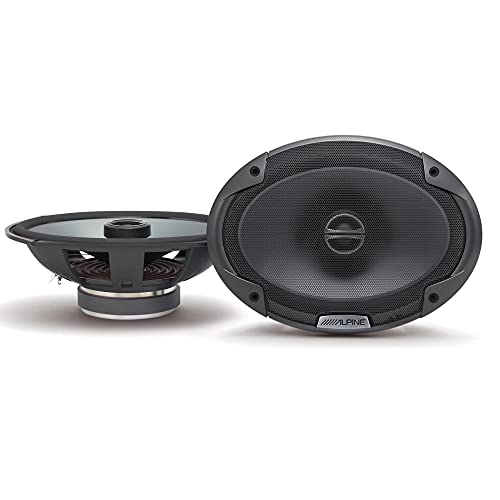


Coaxial or Component?
Coaxial Speakers
A coaxial speaker puts a small tweeter in front of the woofer cone, so one unit handles the full range. They are simple to install, fit most factory locations and cost less. For an easy upgrade, they are the go-to choice.
Component Speakers
A component set separates the woofer and tweeter and includes an external crossover that sends the right frequencies to each driver. You can mount the tweeters higher, on the dash or the door pillar, which creates a better stage. They sound clearer and more detailed but require more installation work and more money.
Size and Fit
Speaker sizes are not universal. Common sizes include round models measured in inches and oval models for rear decks. Look up your vehicle in a fit guide, or measure the opening and the mounting depth.
Check that the magnet does not hit the window mechanism and that the speaker clears any door panel structure. Mounting brackets and wire adapters make a cleaner install, and many shops carry them.
Power Handling and Sensitivity
Two numbers matter. RMS power is the continuous power the speaker can take, and it should match what your stereo delivers. Sensitivity shows how loud the speaker plays for a given power, and a higher figure suits a factory radio with low output.
If you use the built-in amplifier of a standard head unit, look for high sensitivity. If you plan to add an external amplifier, choose a speaker that can use its power.
Peak power ratings are mostly marketing, so focus on RMS.
Materials That Affect Sound
- Woofer cones: polypropylene resists moisture and sounds consistent. Treated paper can sound warm but ages in humid cars.
- Surrounds: rubber lasts longer than foam, particularly in extreme temperatures.
- Tweeters: silk dome tweeters sound smooth, while metal domes sound brighter and may be fatiguing.
- Baskets: a rigid basket keeps the cone aligned and reduces vibration.
Bass Without a Subwoofer
A speaker upgrade can improve mid-bass noticeably, but a six or seven inch door speaker cannot produce the deepest notes. If you want physical low-end, a subwoofer is the next step. Sealing the door and adding sound deadening material behind the speaker tightens the bass and cuts rattles, and it costs little.
Installation Notes
Disconnect the negative battery terminal, remove the door panel carefully and note where each clip sits. Fit a wiring harness adapter, which plugs into the factory connector so you do not need to cut wires. Mount the speaker firmly, and make sure the polarity is correct, because reversed wires cause thin, weak bass.
Put foam rings around the speaker to seal it against the door panel. Refit the panel and check that the window moves freely.
Matching Speakers to Your System
- Stock stereo: high sensitivity coaxials give the best gain from low power.
- Aftermarket head unit: a component set shows what the better source can do.
- With an amplifier: choose speakers with RMS ratings that fit your amp.
- Trucks and older cars: look for weather-resistant materials.
Common Mistakes to Avoid
- Ignoring the size guide: the wrong size will not fit properly.
- Overpowering the speaker: high power into a low-rated speaker causes damage.
- Skipping the wiring adapter: cutting factory wires makes later changes harder.
- Leaving door rattles: loose panels cancel the benefit of new drivers.
Choosing the Best Car Radio Speakers
Decide whether your priority is an easy swap or the best clarity. Check the size and depth, then match the power and sensitivity to your stereo. Compare the materials and look at what hardware is included. Read the warranty and return terms in case something does not fit your door.
Crossovers, Tweeters and Placement
In a component set, the crossover splits the signal so the tweeter gets only high notes and the woofer only lows. Mount the crossover where it stays dry, usually inside the door cavity or behind the dash, and secure it so it cannot rattle. Tweeter placement shapes the soundstage.
Mounting them high on the A-pillars or the dash raises the stage toward ear level, while placing them low in the door makes vocals sound as if they come from your feet. Many sets include flush and angled mounts, so try a few positions with temporary tape before drilling anything.
Sound Deadening and Door Prep
The door is a thin metal box that vibrates, and a speaker mounted in it will rattle unless you tame the panel. Applying small squares of butyl deadening mat behind the speaker and on the outer skin removes much of that buzz. Close any large holes in the inner panel with a rigid board or more mat, which gives the speaker a stable baffle and strengthens mid-bass. This low-cost step often improves sound as much as a more expensive speaker.
Warranty and Weather
Car doors face humidity, heat and cold, so check that the speaker materials resist moisture. A moisture-resistant cone and a rubber surround last longer, especially in convertibles, trucks and cars with leaky door seals. Look at the warranty length and what it covers, and keep the box and receipt in case a unit fails or does not fit. A reputable seller with a clear return policy is worth more than a small discount.
Related Guides
- Best Sounding Car Speakers
- Best Car Stereo Speakers
- Best Car Audio Speakers
- Best Sub Speakers For Car
Frequently Asked Questions
Will new speakers sound better with the factory stereo?
Often yes. Choose high-sensitivity models, which get more volume from a low-power stereo.
Do I need an amplifier?
Not necessarily. An amplifier helps with dynamics and volume, but it is optional.
Can I replace only the front speakers?
Yes. The front pair has the biggest effect on sound. Rear speakers can follow later.
Are component speakers worth the extra cost?
They sound clearer and give better imaging, but they are more work to install.
The Bottom Line
The best car radio speakers match your car's openings, your stereo's power and your taste in sound. Coaxials make a simple upgrade, while components reward more careful installation. Pick the right size, check sensitivity and seal the door properly, and your commute will sound a lot better.


