
Best Car Radio Antenna Booster: Fixing Weak FM and AM Reception (2026)
Disclosure: We may earn a commission when you buy through links on this page, at no extra cost to you. As an Amazon Associate I earn from qualifying purchases. Learn more
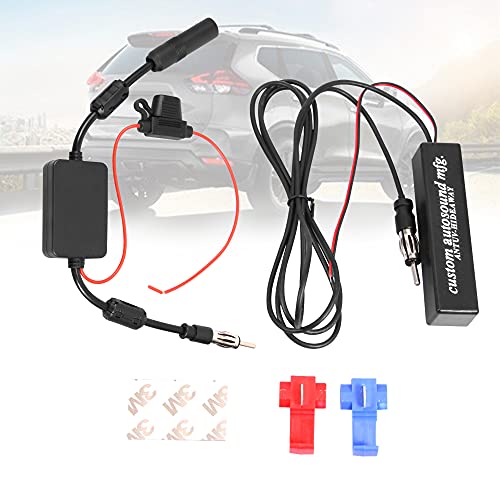
How to choose the best car radio antenna booster: amplified inline boosters, wiring, noise, and when to replace the antenna instead.
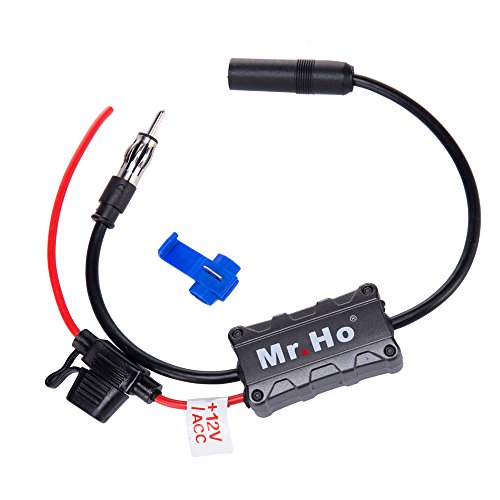
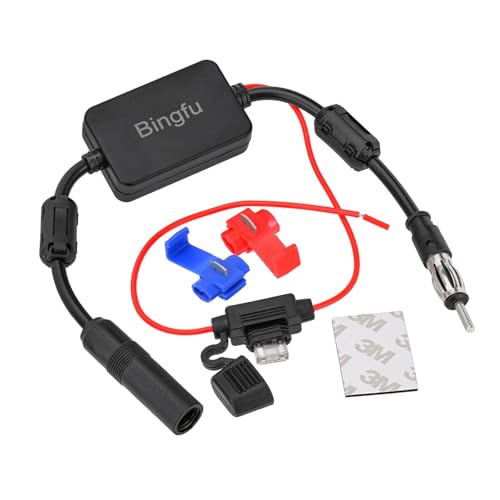
Radio reception that fades in and out, hisses on some stations or loses signal on country roads is more than an annoyance when you rely on traffic reports or a favorite show. A small amplifier placed between the antenna and the stereo can strengthen weak signals. The best car radio antenna booster adds gain without adding much noise, connects cleanly and uses the car's power without draining it. The product table above lists inline amplifiers and boosted antenna adapters, and they differ mostly in how they connect and how well they filter noise.
This guide explains what a booster can and cannot do, so you can decide whether it is the right fix for your car.
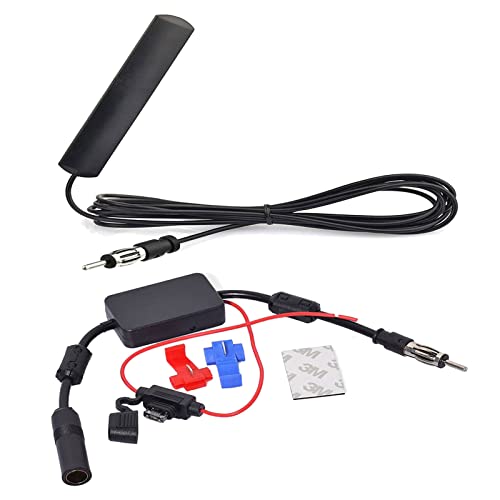
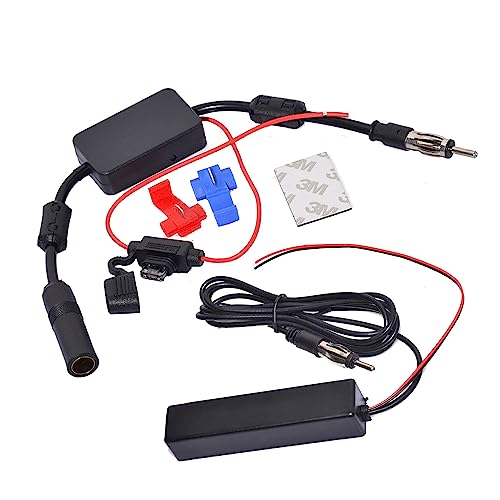
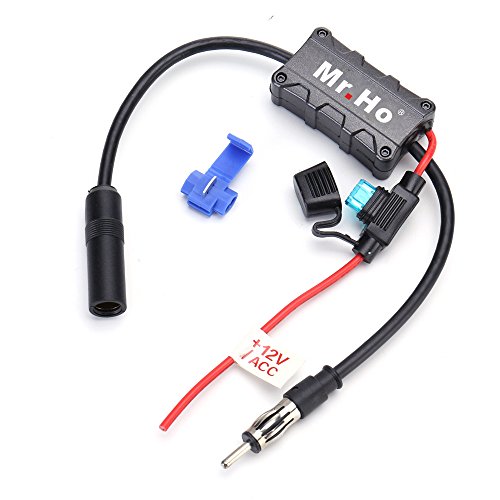


How an Antenna Booster Works
A booster is a small amplifier. It sits in the antenna line, takes the weak signal from the antenna, boosts it and passes it to the radio. It needs power, usually through a wire to an ignition-switched source so it only runs when the car is on. Many are designed for FM and AM bands, and some include a switch or a gain adjustment.
Amplifying also boosts noise. A booster helps most when the signal is weak but clean, and it helps less when the problem is interference from the car's own electronics.
Is a Booster Really the Right Fix?
Before you buy, check the basics. A loose, corroded or damaged antenna cable is a common cause of weak reception, and a broken mast, a bent whip or a missing antenna base has the same effect. If the antenna is damaged or the connection is poor, repair it first. A fresh antenna or a new lead can do more than any amplifier.
Aftermarket stereos sometimes have a built-in or an accessory antenna power lead, and if it is not connected, an amplified antenna will not work. Check the installation of the radio, including whether the antenna power wire is connected.
Types of Booster
Inline Amplifiers
The most common type is a small box that connects between the antenna cable and the head unit. It adds gain across FM and AM, and installation usually takes a few minutes behind the radio.
Adapters With Built-in Amplification
Some adapters combine a connector converter and an amplifier, useful when the antenna plug does not match the radio. Check the plug type before you order.
Powered Replacement Antennas
Some roof or glass-mount antennas contain an amplifier. They replace the antenna instead of boosting the old one, so they are a larger project but fix the antenna and the gain at once.
What to Check Before You Buy
- Connector type: match the plug to your car and your stereo. Adapters are available but add joints that can pick up noise.
- Power requirements: confirm the voltage and where the power wire connects.
- Frequency coverage: make sure it covers the bands you listen to.
- Shielding: metal housings and good cable shielding reduce interference.
- Gain control: a switch helps avoid overload near a strong transmitter.
Installation Basics
Switch the ignition off and disconnect the battery if you are working near wiring. Remove the stereo carefully, locate the antenna plug and install the booster in the line. Connect the power wire to a switched source, such as the antenna power lead or an accessory circuit.
Mount the booster away from heat and loose cables, and make sure that the stereo and wires fit back in the dash without being pinched. If you are uncomfortable with dash work, an installer can do it quickly.
Common Problems After Installation
If the sound gets noisier, try turning the gain down or moving the booster away from electrical wiring. A grounding problem can cause whine that changes with engine speed. Strong local stations can overload a booster and cause distortion, which is a sign that it adds too much gain. Reception on some bands may improve while another worsens, so listen to AM and FM separately.
Common Mistakes to Avoid
- Skipping the antenna check: a damaged antenna defeats any booster.
- Using a long run of cheap cable: every extra joint adds loss and noise.
- Powering it from a constant source: it could drain the battery over time.
- Expecting miracles: a booster cannot create a signal that is not there.
Choosing the Best Car Radio Antenna Booster
Think about the cause of the poor reception, then choose a booster with the right connector and a solid reputation for low noise. Check whether it needs a switched power feed and where it will fit. Buy from a seller with a clear return policy, because results depend on the car and the location.
AM Versus FM Reception
The two bands behave differently. FM carries clearer sound but is sensitive to line-of-sight, so hills, tunnels and tall buildings weaken it. AM travels farther and bends around obstacles, but it picks up electrical noise from power lines, motors and the car's own systems.
A booster can help with a distant FM station, while a persistent AM buzz often comes from interference that amplification makes worse. Knowing which band gives you trouble helps you choose the fix.
Interference Sources in the Car
Modern cars are full of electronics that create radio noise. Aftermarket LED bulbs, phone chargers, dash cameras and cheap USB adapters can emit interference that the radio picks up as whine or static. Try unplugging accessories one by one while listening, and replace the noisy one with a better-shielded model. This can fix a problem that no amplifier can.
Antenna Maintenance
A mast antenna needs to be clean and tight. Corrosion at the base weakens the ground connection, so cleaning the contact area can restore reception. A damaged or missing mast, or a retractable one that no longer extends fully, will not catch much signal.
Glass-mount and shark-fin antennas have their own faults, such as a cracked base or a pinched cable. Replace a worn antenna before spending money on an amplifier.
Related Guides
- Best Car Radio Speakers
- Best Fm Radio Antenna Indoor
Frequently Asked Questions
Will a booster improve every station?
It helps weak but clean signals. It may not help if the problem is interference.
Can a booster damage my radio?
Properly installed, it should not. Use the correct voltage and connection.
Do I need a professional to install it?
Many owners do it themselves, but dash removal is easier with the right tools or help.
What if reception is still poor?
Check the antenna, the cable and the radio. A new antenna or a different head unit may be the answer.
The Bottom Line
The best car radio antenna booster is a clean, well-shielded amplifier that fits your connectors and runs from a switched power source. Check the antenna first, install the booster carefully and adjust the gain. With the basics in order, your favorite stations can sound crisp again.


