Best Car Mats for Winter Made Simple: A Clear Buying Guide for 2026
Disclosure: We may earn a commission when you buy through links on this page, at no extra cost to you. As an Amazon Associate I earn from qualifying purchases. Learn more

A simple first purchase guide to the best car mats for winter, covering deep channels, raised lips, fit, pedal safety, and salt care before you buy.
Winter is hard on a car interior. Every trip to the store means boots carrying snow, slush, and road salt onto the carpet, and that mix soaks in fast once the heater starts running. Choosing the best car mats for winter is really about one job: catching that meltwater and holding it until you can shake it out. If you have never bought mats before, start with the basics below and work toward the specs.
This guide keeps things plain and in order. You will learn what a winter mat does, which features actually matter in cold weather, and which rookie mistakes to skip. The comparison table below gives you a quick look at the main types side by side.




Car Mats 101: The Basics
A car mat is a removable floor covering that sits on top of the factory carpet in each footwell. Its job is simple: take the wear, dirt, and moisture so the carpet underneath does not. Daily drivers who only deal with dust and crumbs can get by with thin carpet mats, which is the general topic covered by guides to best mats for car. Winter changes the job completely, because now the mat has to hold liquid, not just catch dirt.
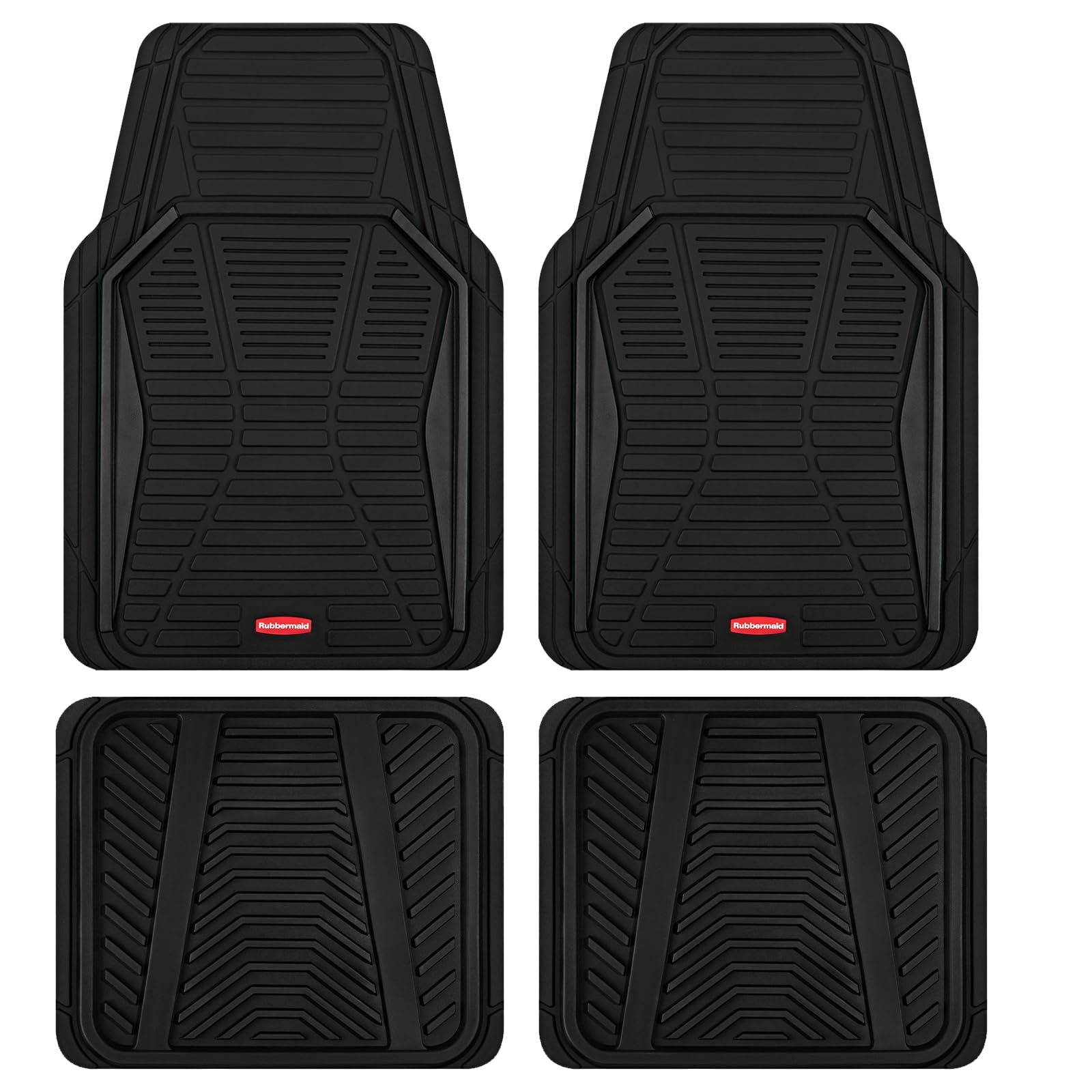
Three terms cover most of what you will see on a listing. A tray or liner is a molded mat with raised edges that holds water like a shallow pan. A channel is a groove pressed into the surface that moves meltwater away from your shoes and spreads it out so it can dry. Retention means the clips, anchors, or grip backing that keep the mat fixed in place. Once those three ideas are clear, the spec sheets get much easier to read.
Key Specs Explained in Plain English
Winter mats are sold by material, edge height, and fit style, and the listings love technical wording. Read the five points below and you can judge any set, including the full coverage styles listed under best floor mats for car, without guessing.
Features That Matter for Winter
Start here, because this is the whole point of the purchase. Stated plainly, a winter mat is a meltwater mat. Deep channels and a raised lip around the edge hold slush and melted snow off the carpet instead of letting it pool under your heels. Look for channels you can clearly see and feel, and a lip roughly half an inch to an inch high. Flat mats with a pretty pattern do almost nothing in February, because the water simply runs off the side.
Intended Use and Who It's For
Winter mats suit anyone whose boots meet snow: commuters in northern states, parents doing school runs in slush, and drivers who park outside overnight. If your winters are mostly rain with rare frost, a lighter set may be enough, and the year round middle ground is covered by best all weather car mats. If your car sits in a garage and only makes short dry trips, heavy trays are more mat than you need.
Warranty and Customer Support
Warranties on mats are short and simple, often one to three years against defects like cracking or a torn edge. That coverage matters more in winter than summer, because cheap rubber turns stiff in deep cold and can crack at the fold points. Keep the receipt and one photo of the set on the day it arrives. If a mat splits during its first cold season, that photo and a short note to the seller usually settle the claim.
Size, Weight, and Fit for Your Space
Fit is a safety spec, not a comfort extra. A mat that can slide forward under the pedals is refused outright, no matter how deep its channels are, so read the retention system first: factory anchor posts, clips, or a full grip backing. Only after the mat is locked down should you judge coverage. Vehicle specific sets, including the larger footwells covered by best car mats for suv, follow the floor shape closely, while universal sets need trimming along marked lines. Leave clear space around every pedal.
Build Quality and Materials
Most winter mats are rubber, a rubber like polymer, or carpet with a waterproof backing. Rubber and polymer trays hold the most water and rinse clean, while carpet styles feel nicer but absorb slush. Whatever you pick, think about salt as part of the material test. Road salt is a corrosion problem: it dries into a crust on the mat, works toward the carpet edges, and attacks the floor pan over time. A monthly rinse habit is part of the purchase, because a mat that traps salt against the floor all season protects nothing.
Rookie Mistakes to Avoid
- Buying flat fashion mats for snow season. Without channels and a lip, meltwater runs straight onto the carpet.
- Skipping the retention check. A loose driver mat can creep toward the pedals, which is a safety problem, not a nuisance.
- Choosing by vehicle name alone. Trim levels change floor shapes, so measure your footwell before ordering a vehicle specific set.
- Forgetting the rest of the winter kit. Mats protect the floor only; traction at the road comes from tires, which is a separate purchase covered by best winter car tires.
- Leaving salt to sit until spring. The crust hardens, stains, and keeps moisture against the carpet for months.
Getting Started: Setup and First Use
Read the manual before first use, since some sets need trimming and some clip onto anchors that are hidden under the factory carpet. Vacuum the footwell, test fit each mat dry, and press down every anchor until it clicks or sits flat. Trim universal mats a little at a time and recheck pedal clearance after each cut. Then do one short drive and confirm nothing has shifted. Clean and inspect regularly through the season: shake out loose grit weekly, rinse off salt monthly, and let each mat dry fully before it goes back in.
Car Mats: Your Questions Answered
What features matter most in car mats for winter?
Channels, lip height, and retention matter most, in that order. One point buyers often miss is coverage of the footrest on the far left of the driver footwell, sometimes called the dead pedal. Your left boot rests there between drives, dripping meltwater the whole time. Sets that extend a flap over that spot protect carpet that standard mats leave exposed, so check the shape photos for it before you order.
What features matter most when buying car mats?
Fit, material, and edge coverage decide most purchases in any season. A useful extra check is the rear seat row. Many sets photograph beautifully for the front and then include two small, thin rear pieces that barely cover the floor. If you carry passengers or kids in back, compare the rear mat dimensions too, because slushy boots do the same damage in the second row as they do in the front.
How much should I spend on a car mat?
Most buyers land between about $50 and $120 for a full winter set. Simple universal trays start at under about $40, while vehicle specific molded sets run about $120 to $200. One way to judge value is cost per row: a four piece set that covers both rows well is often better value than a cheap front pair plus a second purchase later. Spend on fit and lip height before you spend on looks.
Are expensive car mats worth it?
They can be, mainly because the higher price buys measured fit and better cold weather material. Premium sets are usually shaped from scans of the exact floor, so edges sit flush and anchors line up without trimming. They also tend to carry longer warranties, sometimes limited lifetime coverage against defects. If you keep a car for many winters, that fit and coverage usually justify the step up. For a car you plan to sell soon, a mid priced set does the same core job.
How do I maintain a car mat?
Shake out grit weekly, rinse salt off monthly, and wash with mild soap when the surface feels slick. The step people skip is drying. A mat put back into the car while still wet traps moisture against the carpet and can leave a sour, mildew smell that lingers for weeks. Let mats air dry fully, ideally standing upright in a garage, and check the carpet underneath once a month for damp spots.
How long does a car mat last?
A decent winter set lasts about three to five winters of daily use. The driver mat always wears first, because heel pressure grinds grit into the same small area. Watch for three end of life signs: cracks along the fold lines, a heel spot worn smooth and thin, and edges that have curled so the lip no longer holds water. Some sellers offer single replacement mats, so ask before you replace a whole set for one worn piece.
The Bottom Line
For a first purchase, keep the order simple: retention first so the mat can never reach the pedals, then channels and a raised lip to hold meltwater, then a material you will actually rinse through the season. Match the set to your floor shape, keep the salt off it, and the best car mats for winter will quietly protect your carpet for years. Check the product table above to compare the main types before you order.