Best Car Mat: A Buyer Checklist for 2026
Disclosure: We may earn a commission when you buy through links on this page, at no extra cost to you. As an Amazon Associate I earn from qualifying purchases. Learn more

Run this buyer checklist for the best car mat: fit and retention first, pedal safety, material for your mess, coverage, and fair prices for every budget.
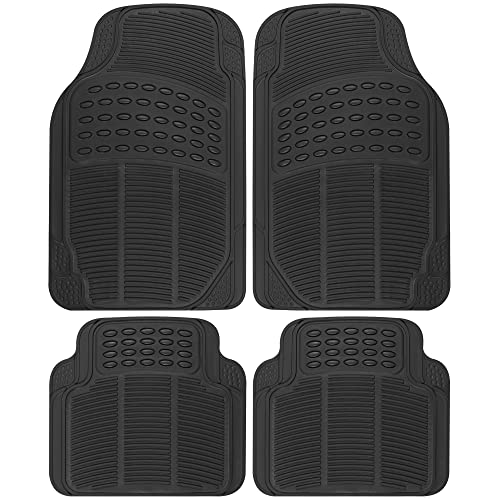
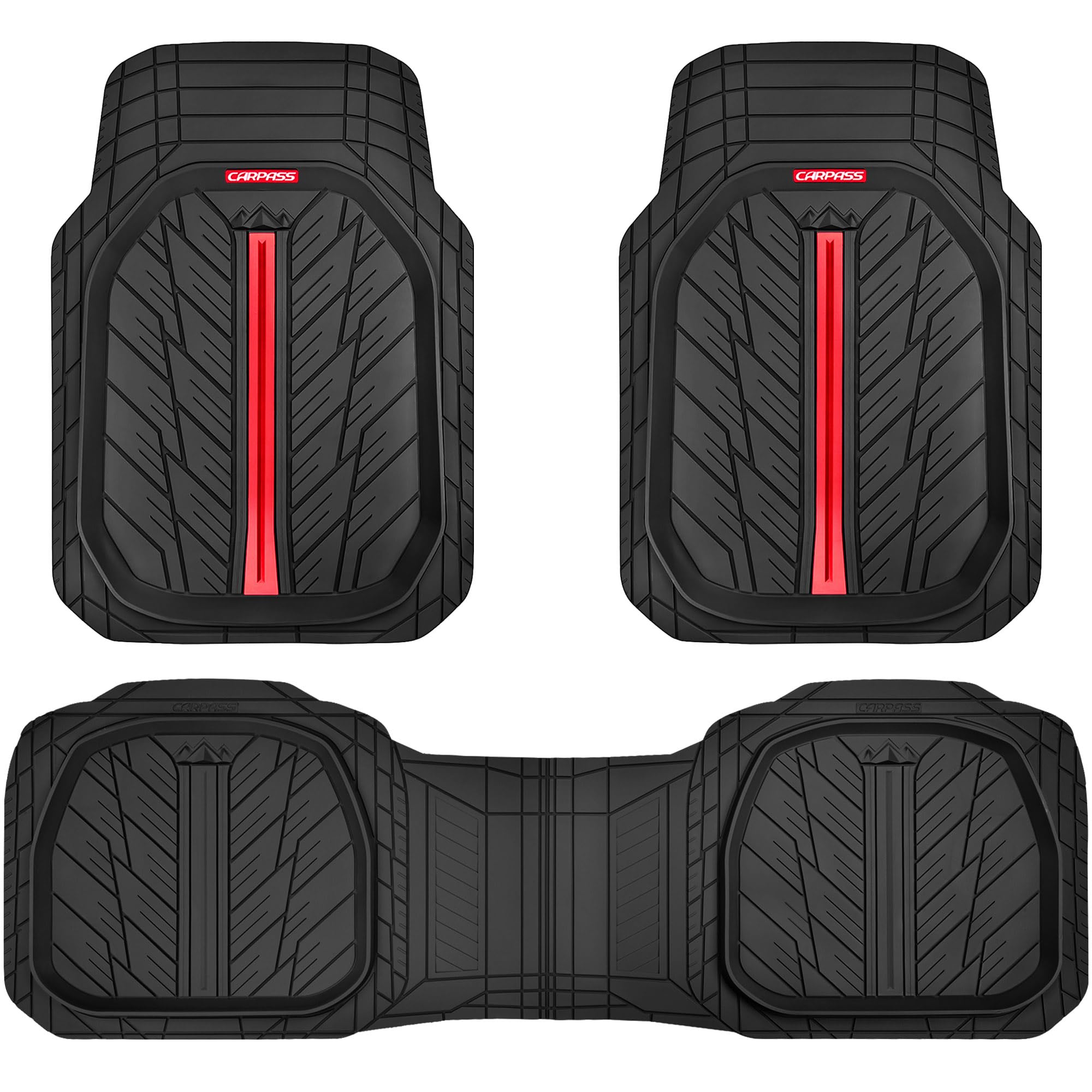
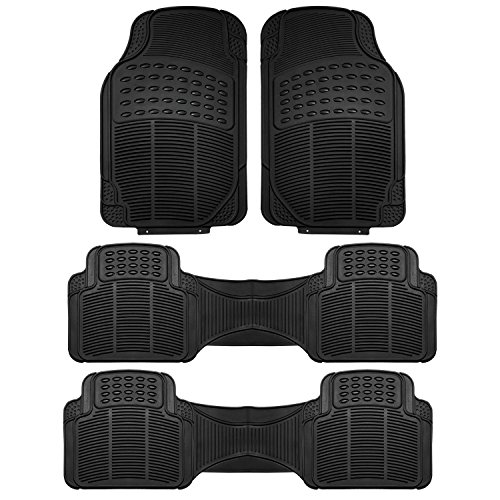
A car mat looks like the simplest purchase you can make for a vehicle, right up until the wrong one slides toward a pedal or curls into a muddy ridge under your heel. The reliable way to buy is to run a short checklist in a fixed order, starting with fit and safety and ending with price. That is how this guide is organized, so you can test any best car mat candidate against the same points and reject the ones that fail early. The comparison table below is built around these same checks.
The order matters more than the brand name on the box. A mat with deep channels and a premium price still fails if it cannot lock to the retention posts in your floor, while a plain bargain mat passes if it lies flat, stays put, and matches the weather your shoes carry in. Work through the checks below in sequence, and stop as soon as one fails, because a failed check rarely gets cheaper to forgive later.




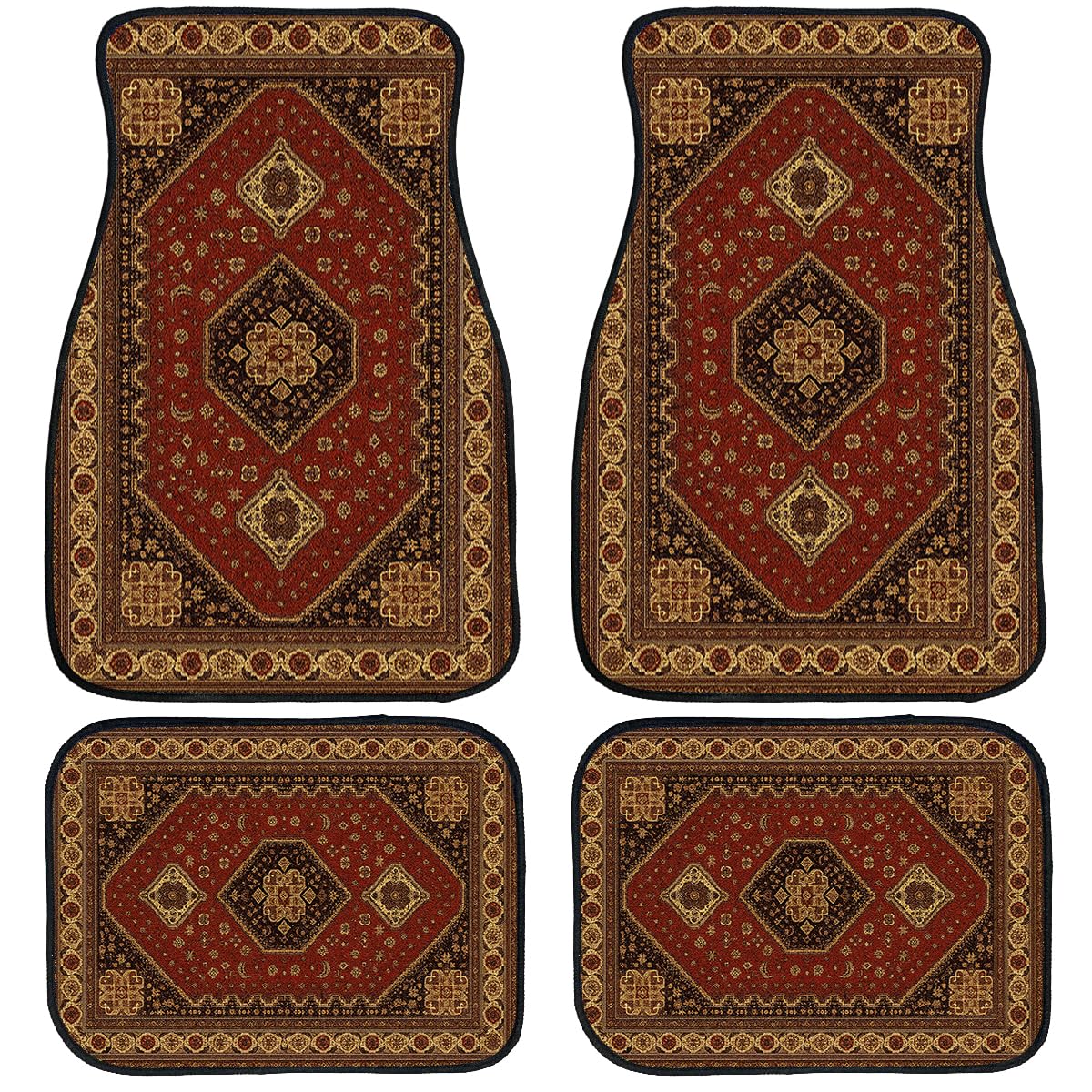
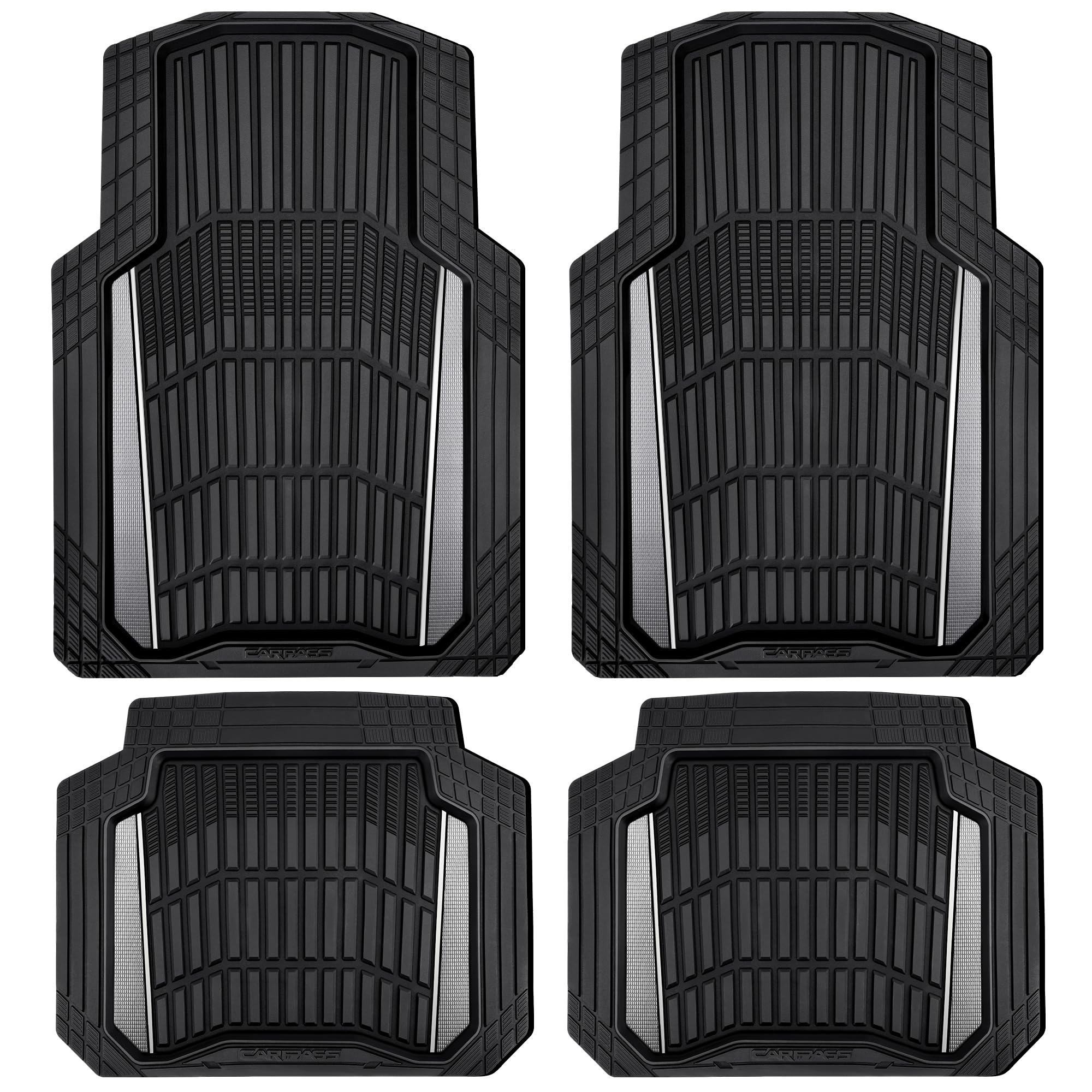
The Buyer Checklist, in the Order That Matters
Each check below tells you what to look at, what passes, and what should send a mat back to the shelf. Keep your current mat in the car while you shop, because its wear pattern is the best evidence of what the next one has to handle.
Check One: Fit and Retention Points in Your Car
Start with the floor itself, not the product photos. Measure the length and width of each footwell, note where the seat rails and the gas pedal sit, and find the retention posts or clips your car uses, because their position differs even between trim levels of the same model. A mat passes this check when it lies flat on day one, its holes or clips line up exactly with those posts, and no edge rides up a sidewall or bunches against the seat rail.
Universal mats ask you to trim along molded cut lines, which works when the lines actually follow your floor shape and fails when they do not. Mats cut for one exact floor pan, covered in our guide to the best custom car mats, skip the trimming and usually lock on without a gap. If your budget only stretches to one good mat, spend it on the driver position, where fit and retention matter most.
Check Two: Pedal Clearance and the No Slide Rule
This is the safety check, and it is not negotiable. The driver mat must lock onto the vehicle retention posts or clips so it cannot creep forward, and it must never be able to slide under the pedals. Never stack a new mat on top of an old one, and never add a loose winter mat over the fitted one, because the stacked pair can bunch and reach into the pedal travel. A mat that bunches, curls, or reaches the pedals comes out of the car immediately, whatever it cost.
Make the check physical before you drive. With the car parked and the engine off, press the brake and the accelerator through their full travel and confirm the mat edge stays clear of both, then tug the mat from each corner to confirm the retention holds. Repeat the same clearance check after every cleaning refit, because a mat dropped back in carelessly is the most common way a safe mat becomes a loose one.
Check Three: Material Matched to the Mess You Actually Carry In
Match the material to your real weather, not the weather in the advertisement. Rubber and molded polymer mats earn their place where snow, slush, road salt, or work boots are daily facts, and the options in our guide to the best rubber car mats show how much the channel patterns vary. The all weather middle ground, compared in our guide to the best all weather car mats, suits drivers who split the year between wet winters and dry summers. Carpet mats run quieter and look better in a dry climate, but they hold moisture and stain fast under muddy shoes.
Two material details separate a pass from a fail. First, channels should be deep enough to hold meltwater away from your shoe soles instead of letting it pool on a flat surface. Second, very cheap rubber can carry a sharp chemical smell that lingers for weeks, so a strong odor out of the box is a legitimate reason to return a mat rather than a quirk to live with.
Check Four: Coverage at the Edges, the Heel, and the Dead Pedal
A mat can fit the center of the footwell and still fail at the borders. Look for a raised lip around the perimeter, usually about an inch high on molded mats, so a spilled coffee or a load of slush stays on the mat instead of running onto the carpet edge. Check the heel zone under the pedals for a reinforced pad or thicker section, because that small square takes more wear than the rest of the mat combined.
Then look at the left footrest, often called the dead pedal, and at the rise toward the transmission tunnel. Many cheap sets leave both bare, and the carpet there wears shiny within a couple of winters. A mat passes this check when its outline covers the footrest and climbs the tunnel slightly without curling, and when the passenger side mirrors that coverage instead of shrinking to a token rectangle.
Check Five: One Driver Mat or a Full Set
Decide the scope before you compare prices, because a single driver mat and a four piece set answer different questions. Wear concentrates at the driver heel, so replacing only that mat is honest buying when the others still lie flat and grip. Start from the standard layouts in our guide to the best floor mats for car if you are pricing full sets, and count how many pieces your car actually needs before paying for a fifth trunk piece you may never use.
Larger vehicles change the count. The second and third rows in the vehicles covered by our guide to the best car mats for suv collect as much grit as the front, and one long runner for the middle row often beats two small mats that leave the center hump bare. Families with child seats should also check that rear mats sit flat under the seat base and do not bunch against the seat anchors.
Check Six: Price Bands and the Return Policy
Prices only make sense against the checks above. A single universal driver mat runs about $15 to $35, a four piece universal set about $25 to $60, a carpet set with a bound edge about $50 to $120, and a molded vehicle specific set about $90 to $220. The step from universal to molded buys exact fit and retention alignment, not thicker rubber, so judge it as a fit purchase.
Read the return terms before the warranty page. A fitment guarantee that lets you send back a mat that misses your retention posts is worth more than a long material warranty on a mat you cannot install correctly. Keep the packaging until the test fit is done, and photograph how the mat sits on the posts, because that photo settles most fit disputes quickly.
When you do read the warranty, note what it actually covers. Most mat warranties cover defects in material or workmanship, such as a retention hole that tears or a lip that splits, and they exclude the heel wear that ends most mats. That is fair, but it means a long warranty on a thin mat is less protection than it sounds. Keep the receipt with the car documents, because claims on a mat bought online usually start with proof of purchase.
Check Seven: Weight, Grip Underneath, and Ease of Removal
The last check is about living with the mat after the purchase. Heavy molded mats protect superbly, but they also have to come out for every proper clean, and a stiff, heavy driver mat is awkward to lift past the steering wheel without dumping its load of grit on the seat. If your strength or mobility is limited, a lighter mat you will actually remove and wash beats a heavier one you leave in place for a year.
Turn the mat over before you buy. The underside should carry a dense nib pattern or a grippy texture across the whole surface, not just a smooth border, because that pattern is the second line of defense after the retention clips. Flex the mat as well: material that turns board stiff in cold weather tends to lift at the corners in winter, and corners that lift are corners that catch heels. A mat passes this check when you can lift it out with one hand, shake it clean, and feel the underside bite when you press it against carpet.
Red Flags That Fail the Checklist Fast
Some failures show up before the mat ever reaches your car, in the listing, the packaging, or the first minute out of the box. Any one of the signs below maps to a failed check above, and together they are a fast way to screen a shelf of look alike mats down to the honest ones.
- No retention holes or clips on the driver mat. A driver mat held only by friction can creep, and creep toward the pedals is the one failure this product cannot afford.
- A sharp chemical smell that survives two days of airing out. It signals low grade material, and the odor tends to return every time the cabin heats up in the sun.
- Edges that arrive curled and will not lie flat. A mat that will not flatten on the showroom floor will not flatten in your footwell, and curled edges catch heels.
- One size claims for every vehicle with no trim guide. Floors differ too much for that promise, and the missing guide means you guess where to cut.
- Photos that never show the underside. The nib pattern underneath is what grips the carpet, and a seller hiding it is usually hiding a smooth back.
Care That Keeps a Mat Flat and Grippy
Shake loose grit out weekly and vacuum the channels before it grinds into the surface, because grit under a heel works like sandpaper. Rubber and polymer mats can be hosed down and scrubbed with a stiff brush, while carpet mats take a vacuum and a spot cleaner better than a soaking. Whatever the material, let the mat dry fully before it goes back in, since a damp mat refitted over carpet traps moisture and grows a sour smell.
While the mats are out drying, vacuum the bare footwells as well. Grit left on the carpet gets trapped under the refitted mat, where it grinds against both surfaces and wears the carpet pile you were protecting. Two extra minutes with the vacuum at every deep clean is the cheapest protection in this whole guide.
Store spare or seasonal mats flat, never folded or rolled tight, because a fold stored all summer becomes a permanent curl. Each time a mat goes back in, press it onto the retention posts, check the corners lie flat, and run the pedal clearance check from Check Two again. Inspect the heel zone and the underside nibs twice a year, and replace the driver mat when the heel area thins or the nibs wear smooth.
Frequently Asked Questions
How long does a car mat last?
A rubber or molded driver mat typically lasts about three to five years of daily driving, while carpet mats in a wet climate may look tired in half that time. Judge replacement by condition rather than age: a heel zone worn thin, edges that no longer lie flat, or nibs worn smooth underneath all mean the mat is done. Passenger and rear mats usually outlast the driver mat by years, so replacing one mat at a time is normal.
Can I machine wash a car mat?
Small carpet mats sometimes survive a gentle machine cycle, but rubber and molded mats should never go in a washer or dryer. Machine heat warps the backing and can crack the retention holes, which ruins the fit the mat depends on. Wash rubber mats with a hose and brush instead, and check the care label on carpet mats before the first wash, because some bound edges unravel in a machine.
Are custom fit car mats worth the extra cost?
They are worth it when you plan to keep the car for several years and your floors have retention posts in an unusual position. The premium buys exact retention alignment and full edge coverage, which are the two checks universal mats most often fail. For a car you will sell within a year or two, a well trimmed universal set usually passes the same checklist for far less money.
Do rear seat passengers need mats too?
Yes, if the rear footwells carry real traffic, because grit under child seats and pet paws grinds into carpet just as fast as front seat dirt. Rear mats are usually sold as a shaped pair or one runner, and the runner protects the center hump that pairs leave bare. If the back seat is rarely used, a single inexpensive runner is enough and there is no need to match the front set exactly.
Do car mats protect resale value?
They do, because the carpet underneath is one of the first things a buyer or appraiser notices, and stained or worn footwell carpet is expensive to disguise. A mat that traps slush and grit keeps that damage on a replaceable part instead of the car itself. If your car came with factory carpet mats, store them clean and dry when you fit heavier mats, and refit the factory set when you sell.
Final Thoughts
Run the checks in order and the decision gets simple: fit and retention first, the pedal rule second, material matched to your weather third, and price only after those three pass. Compare the surviving options in the product table above, and keep the return window open until the test fit is done. Chosen that way, the best car mat for your car is simply the one that passes every check and then disappears under your feet.