
Best Car Dent Puller Buying Guide and Types for 2026
Disclosure: We may earn a commission when you buy through links on this page, at no extra cost to you. As an Amazon Associate I earn from qualifying purchases. Learn more

Learn how to choose a car dent puller by puller type, panel access, paint condition and budget, plus care tips and answers to common dent repair questions.
A small dent can spoil the look of an otherwise clean car, and a puller can be a practical way to improve shallow damage at home. This guide explains how the main puller types work, what to check before you buy, and how to avoid common mistakes. The best car dent puller for you depends on the dent, the panel, and the paint, not on the strongest tool you can find. Read the comparison table below for a quick overview, then work through the buying factors before you decide.
Dent pullers are not a cure for every dent. They work best on shallow, flexible dents in flat or gently curved panels where the paint is intact. Deep creases, torn metal, cracked paint, and dents on sharp body lines usually need professional repair. Knowing that limit before you buy will save time, money, and frustration.
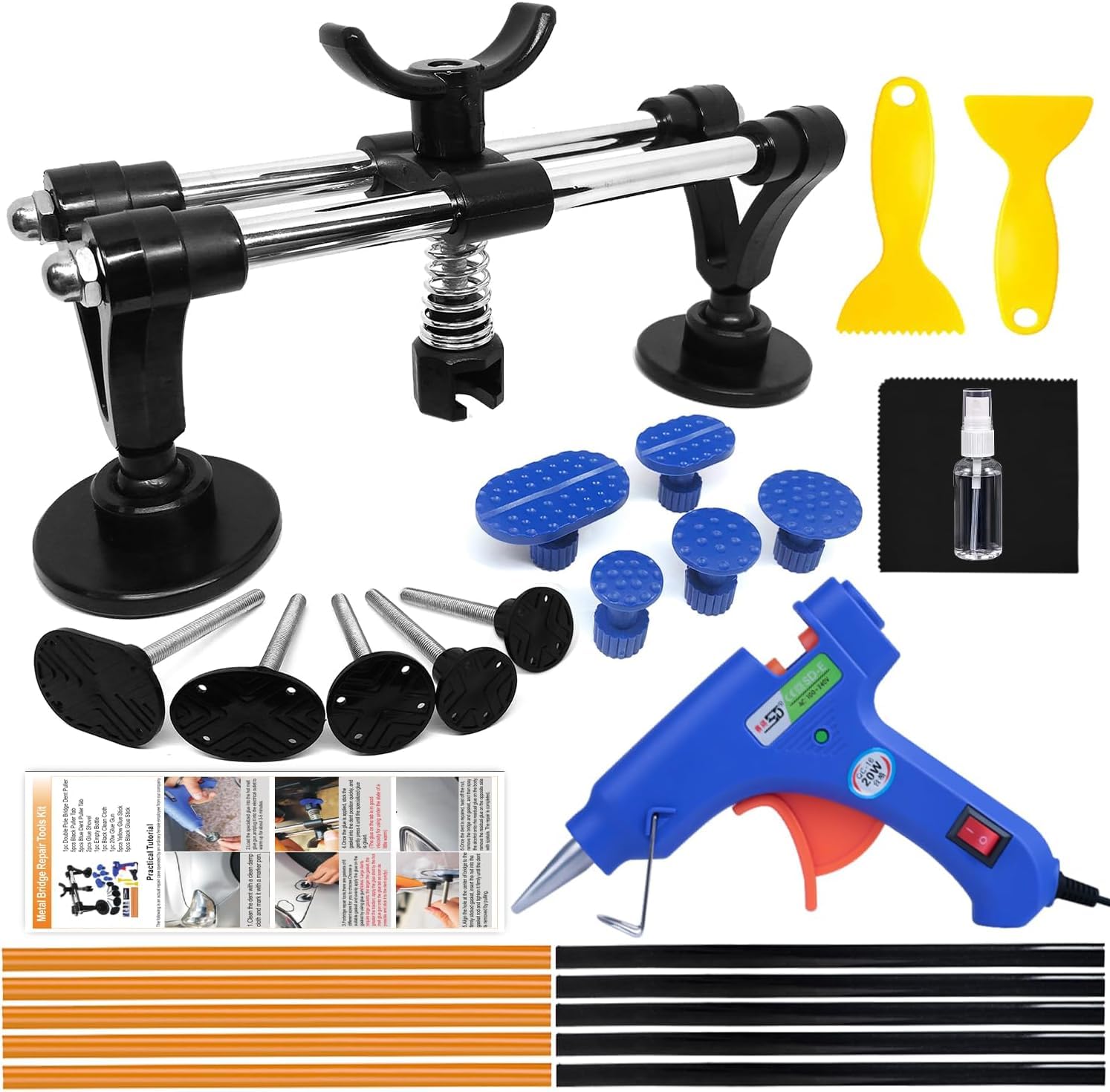
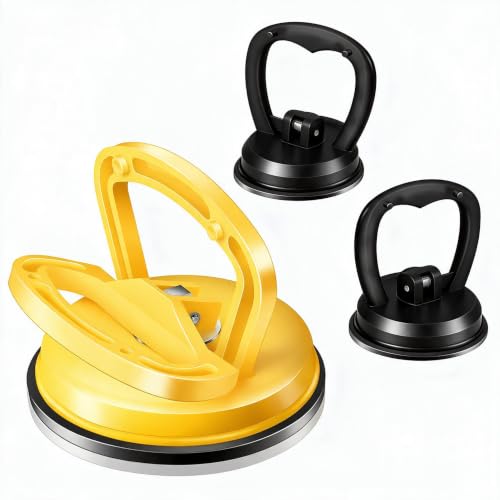


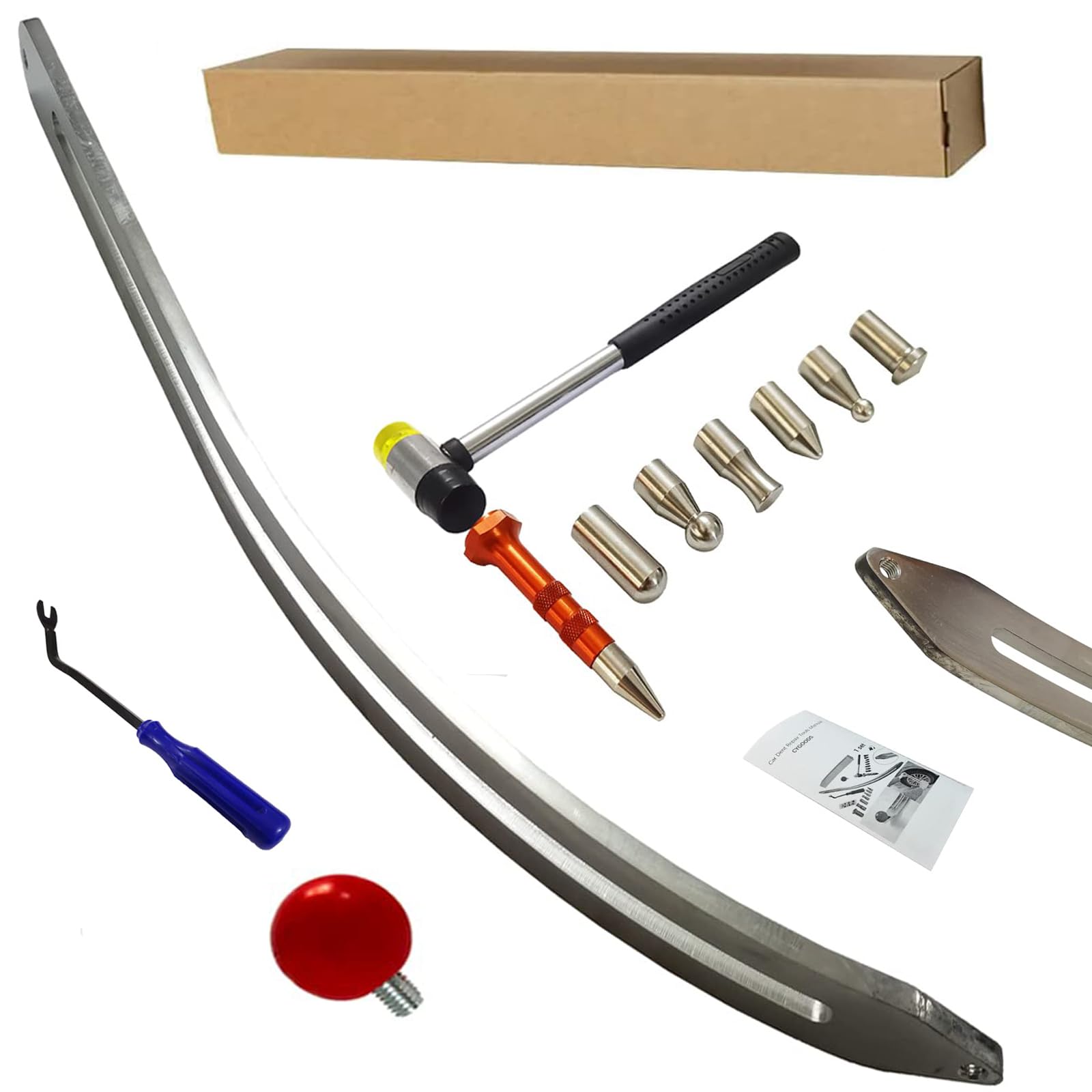

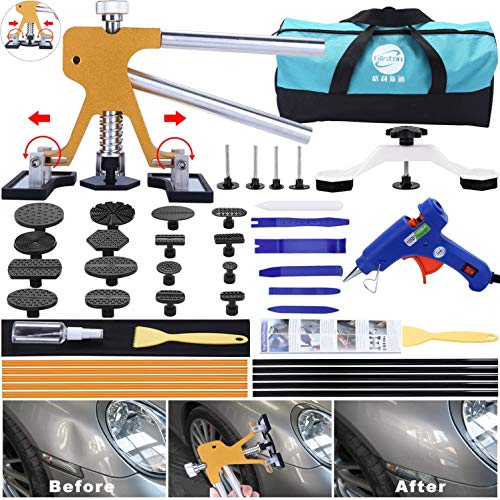
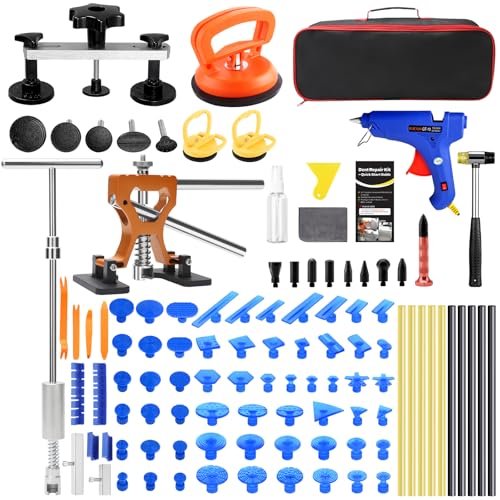

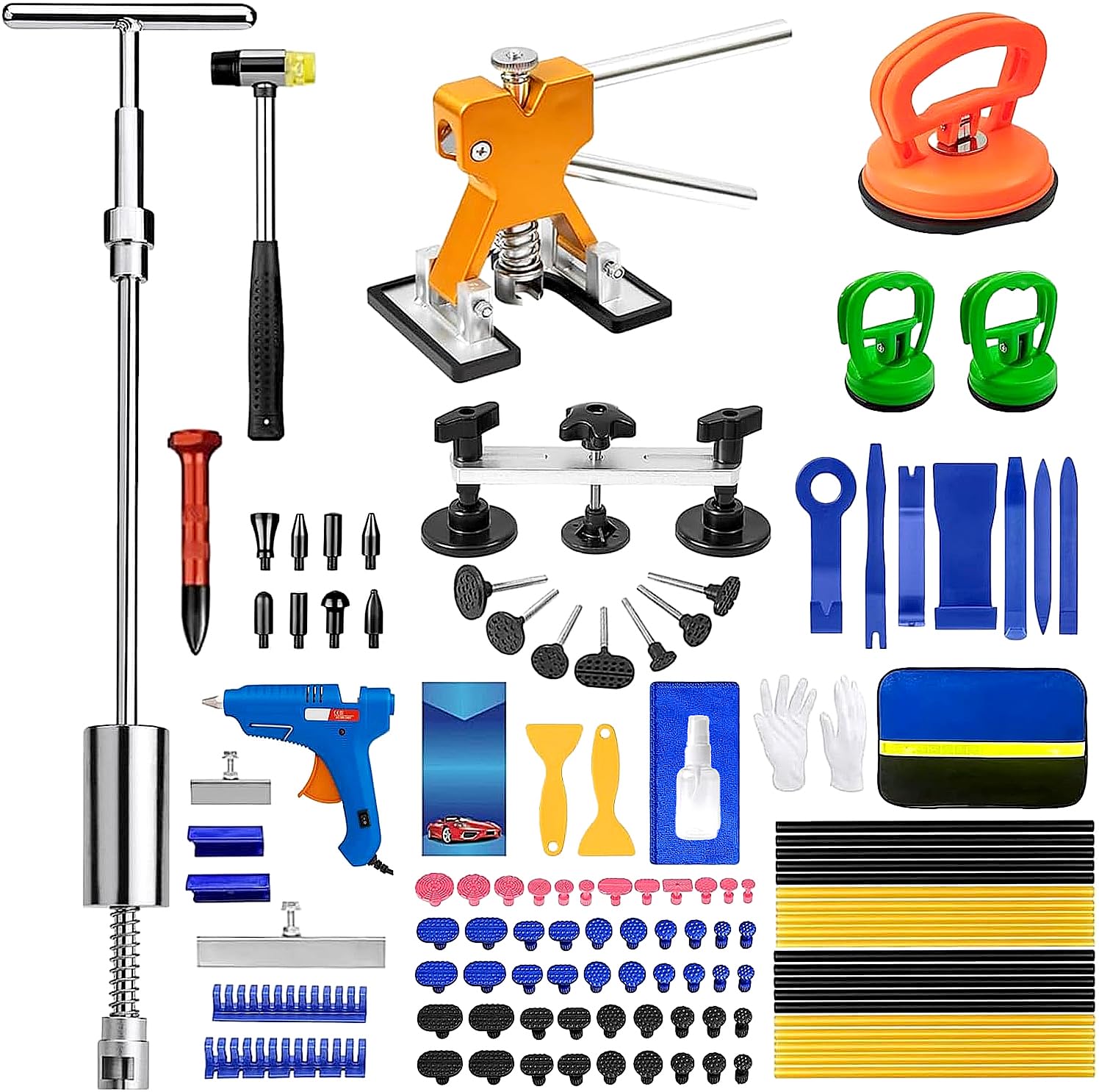
Dent Puller Spending Levels
It helps to think in spending levels. Each level suits a different kind of dent and a different level of patience. Match the level to the job you actually have, not to the worst dent you might one day face.
Budget Spending Level
Budget tools, usually about $20 to $50, suit a single shallow dent on a door or fender. Expect a basic suction cup or a simple bridge kit with a small set of tabs. These kits are fine for learning the technique, but they may lack the range of tabs and adapters needed for varied dents. Check that the kit includes clear instructions and spare tabs before you buy.
Mid Range Spending Level
Mid range kits, usually about $50 to $120, suit owners who expect to fix several dents over time. They tend to include more tab shapes, a sturdier bridge, and better glue and release tools. The wider range matters because a tab that fits a flat door may not fit a curved quarter panel. This level is often the best balance of capability and cost for home use.
Premium Spending Level
Premium kits, usually about $120 to $250, suit frequent users and larger or trickier shallow dents. They may include slide hammer adapters, a wider bridge, and a fuller set of tabs for different panel shapes. The extra cost only pays off if you will use the range. For a one off dent, a simpler kit plus patience usually gives a similar result.
How to Choose a Dent Puller
Intended Use and Who It Is For
Start with the dent itself. A shallow parking lot ding on a door is very different from a hail dent on a roof or a crease along a body line.
Suction tools suit smooth, shallow dents with good access and intact paint. Glue pulling suits dents where you cannot reach behind the panel. If your dent is deep, sharp, or has cracked paint, a puller is the wrong tool, and a body shop is the safer choice.
Your experience matters too. A first time user should favor a simple bridge or suction kit with clear steps and a gentle learning curve. A more experienced user may benefit from a kit with more adapters and a slide hammer option. Either way, practice on a less visible area first if you can, and work slowly rather than forcing a large pull in one go.
Ease of Use and Setup
Good kits are quick to set up and easy to control. Look for a bridge that sits flat on the panel, a knob or handle that turns smoothly, and tabs that attach and release without a struggle. Glue kits need a glue gun, glue sticks, and a release agent, so check what is included and what you must buy separately. A kit that needs many extra parts can cost more than it first appears.
Control matters more than force. The best results come from several small pulls with checks in between, not one hard pull. A tool that lets you increase tension gradually gives you that control. If a tool feels unstable or rocks on the panel, stop and reposition it before you continue.
Size, Weight, and Fit for Your Space
Panel shape decides which tool fits. A wide bridge works well on a flat door but may rock on a curved fender. A small suction cup fits tight spots but may lack the grip for a wider dent.
Measure the dent and look at the panel around it before you buy. The feet of a bridge tool need a stable surface on both sides of the dent.
Storage matters as well. Kits with a case keep tabs, glue, and adapters together and protect them from dust and damage. If you have limited garage space, a compact suction kit may suit you better than a large multi piece set. Either way, keep small tabs in a labeled bag so you can find the right shape next time.
Warranty and Customer Support
A clear warranty and reachable support are worth checking, especially for a kit with many small parts. Look for a maker that lists what is covered, how long cover lasts, and how to claim a replacement tab or adapter. Keep your receipt and the maker instructions in the kit case. If a part breaks during normal use, you should be able to replace it without buying a whole new kit.
Instructions matter as much as the warranty. A good maker explains which tab suits which dent, how long glue needs to set, and how to release a tab without harming paint. If the instructions are vague, look for a maker video or guide from the same maker before you start. Do not rely on guesswork on a visible panel.
Build Quality and Materials
Bridge tools are usually made from metal or strong plastic. Metal bridges tend to stay stable under tension, while well made plastic bridges can be lighter and easier to handle. Tabs should feel solid and have a clean, flat gluing surface. Cheap tabs that flex or crack can waste glue and give uneven pulls.
Suction cups need a smooth, flexible seal and a strong handle. Check that the cup holds vacuum on a clean, flat surface before you use it on a car. For glue kits, the glue itself matters: it should bond firmly, then release cleanly with the release agent. Old or low quality glue can leave residue or pull paint, so store glue sticks as the maker directs.
Maintenance and Long Term Costs
Long term costs are mostly tabs, glue sticks, and release agent. A kit with common tab sizes is cheaper to run because replacements are easy to find. Count how many tabs the kit includes and whether spares are sold separately. A kit that uses a rare tab shape can become costly after a few jobs.
Clean tools after each use. Wipe glue from tabs and the bridge, and store suction cups away from dust and sharp edges. Inspect tabs for cracks before reuse, and replace any that are damaged. Small care steps keep the kit ready and reduce the risk of a poor pull next time.
Types of Dent Pullers Compared
Each puller type suits a different dent and panel. Understanding the differences helps you choose a kit that matches your dent rather than buying the most aggressive tool available.
Suction Cup Pullers
Suction cup pullers use vacuum to grip the panel and pull the dent outward. They are simple, quick, and need no glue or heat. They work best on shallow dents in smooth, flat panels with intact paint. They struggle on curved panels, textured surfaces, and dents with a sharp center, where the seal cannot hold.
Bridge Pullers
Bridge pullers span the dent with two feet and pull a tab glued to the center of the dent. They give controlled, gradual tension and suit a wide range of shallow dents. They need a stable surface for the feet and a tab that matches the dent shape. They are a good middle ground for most home dent work.
Slide Hammer Pullers
Slide hammer pullers use a sliding weight to apply sharp, repeated pulls. They can move stubborn shallow dents that a bridge cannot shift. They also carry more risk of over pulling or harming paint, so they suit users who already understand glue pulling. Use light, repeated pulls and check the panel often.
Glue Pulling Kits
Glue pulling is a method rather than a single tool: a tab is glued to the dent, then pulled with a bridge or slide hammer, then released. It works where you cannot reach behind the panel, which covers many door and fender dents. Success depends on clean paint, the right tab, correct glue temperature, and patience while the glue sets.
Care and Maintenance Tips
- Read the manual before first use, and follow the maker steps for tab choice, glue setting time, and release.
- Clean and inspect tools regularly, and replace cracked tabs or worn suction cups before they cause a poor pull.
- Store the kit in a dry place, with tabs and glue protected from dust, heat, and moisture.
- Register the product for warranty where the maker offers it, and keep the receipt with the kit.
- Protect the surrounding paint by working on a clean panel and by releasing tabs gently with the maker release agent.
After a repair, a cover can help protect the panel from dust and light marks while the car sits outside. See our guide to the best car covers if you want a simple way to shield a freshly repaired area. A clean car also makes future dents easier to see, so a basic wash routine helps. See our guide to the best car vacuum for keeping the interior tidy while you care for the exterior.
Frequently Asked Questions
What features matter most when buying a dent puller?
The tab range, bridge stability, and glue quality matter most, because they decide whether the tool can grip and lift your dent evenly. A kit with several tab shapes suits varied panels better than a kit with one large tab. A bridge that sits flat gives controlled tension, while good glue bonds firmly and releases cleanly. Also check that spare tabs and glue are easy to buy, since running costs add up over several jobs.
How much should I spend on a dent puller?
For one shallow dent, a budget kit at about $20 to $50 is usually enough, provided it includes the tab shape your dent needs. For several dents over time, a mid range kit at about $50 to $120 gives a wider tab range and a sturdier bridge. Premium kits above that level suit frequent users who need slide hammer adapters and many tab shapes. Spending more does not fix a deep crease or cracked paint, so match the kit to the dent first.
How long does a dent puller last?
A well made bridge or suction tool can last for many years with basic care, while tabs and glue are consumables that need replacing. Tabs crack with repeated use, and glue sticks lose strength if stored badly. Keep tools clean, dry, and protected from dust, and inspect tabs before each job. Replacing worn tabs promptly gives better pulls and reduces the risk of paint damage.
How do I maintain a dent puller?
Clean glue from tabs and the bridge after each use, and wipe suction cups before storage so dust does not spoil the seal. Store the kit in its case in a dry place, away from heat and sharp objects. Check tabs for cracks and suction cups for splits before reuse. One extra point many owners miss is glue storage: keep sticks sealed and at room temperature, since damp or overheated glue bonds poorly.
Are expensive dent pullers worth it?
Expensive kits are worth it only if you will use their wider tab range and stronger bridge often. For a single shallow dent, a simpler kit usually gives a similar result when used patiently. The main benefit of a premium kit is versatility across panel shapes and dent sizes, not a guarantee of a perfect repair. If your dent is deep or the paint is cracked, no kit at any price replaces professional repair.
Our Verdict
Choose by dent type, panel shape, and paint condition, then pick a spending level that matches how often you will use the kit. A stable bridge, a good tab range, and patient, gradual pulls matter more than raw force. Check the product table above before you order, and remember that the best car dent puller is the one that fits your dent and that you can control with care. Follow the maker safety guidance, work slowly, and seek professional help for deep or cracked damage.


