
Best Auto Battery Tester 2026: Buying Guide
Disclosure: We may earn a commission when you buy through links on this page, at no extra cost to you. As an Amazon Associate I earn from qualifying purchases. Learn more

Learn how to choose an auto battery tester, from test types and voltage ranges to display clarity, clamp quality, and safe use in this buying guide.
A battery tester saves guesswork on cold mornings, but only if it matches your battery type and gives readings you can actually interpret. The best auto battery tester for you depends on whether you want a quick voltage check, a load test, or a digital analyzer that estimates cranking amps and battery health. This guide explains the main types in plain language and shows which features matter.
The sections below cover who each type suits, which features matter most and how to avoid common buying mistakes.


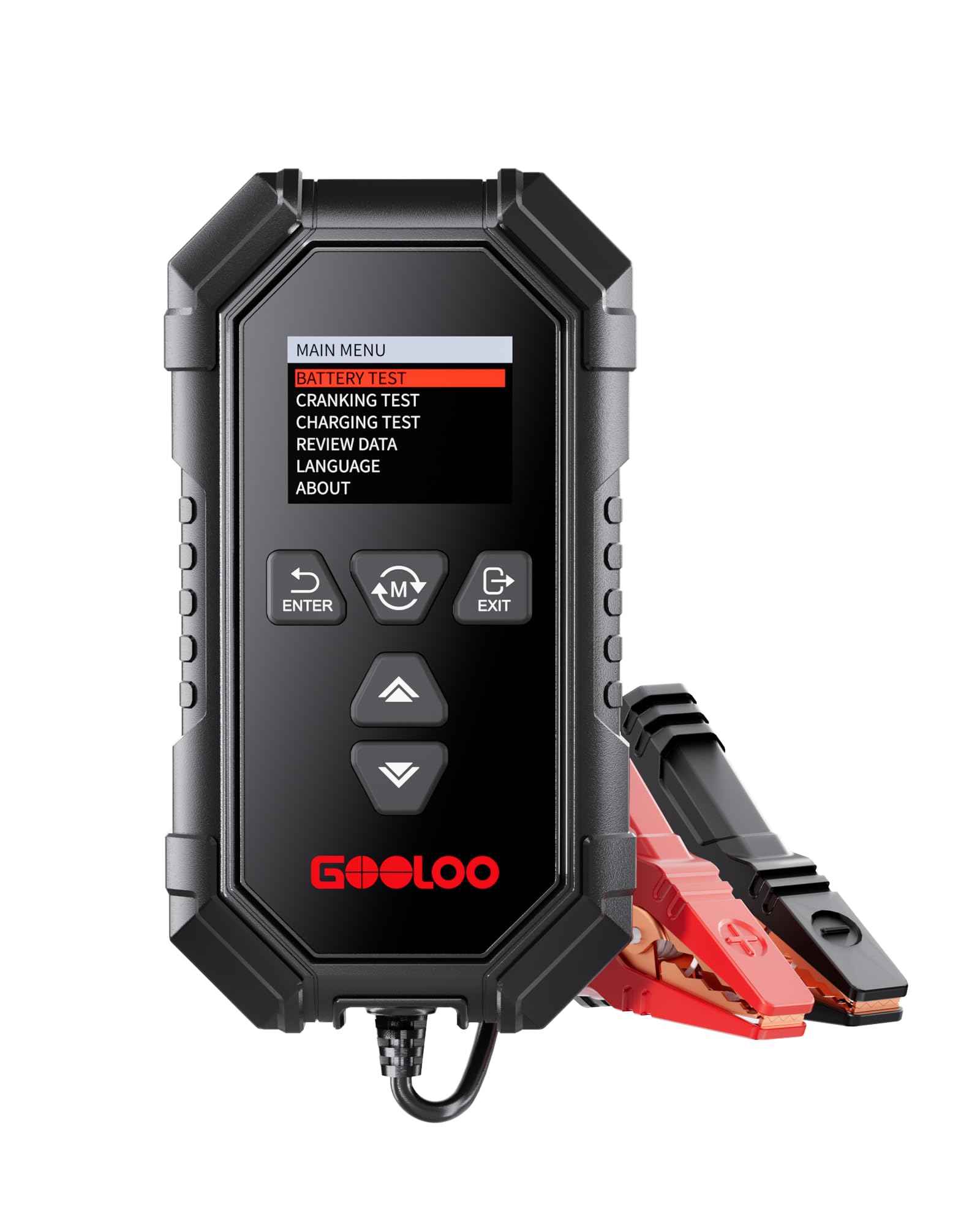
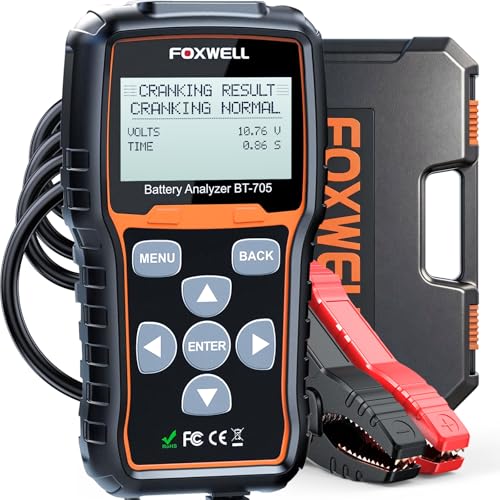


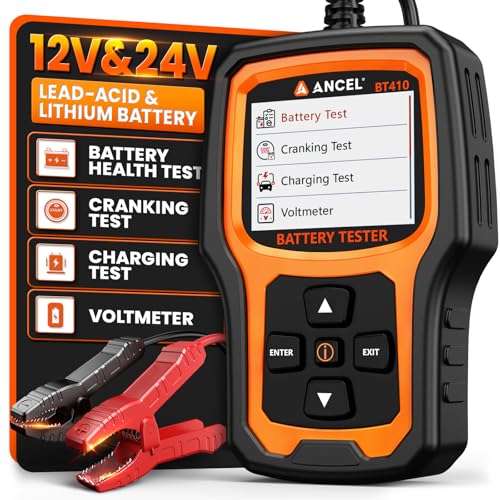

Types of Battery Testers Compared
Different battery tester types suit different routines, so start by matching the type to how you will actually use it. The table below summarizes the main options, and each type is explained in more detail underneath.
| Type | Best For | Typical Price |
|---|---|---|
| Basic Voltage Testers | Quick checks at home | about $20 to $50 |
| Load Testers | Deeper battery health checks | about $50 to $150 |
| Digital Analyzers | Detailed readings and printouts | about $80 to $250 |
Basic Voltage Testers
Basic testers measure voltage and give a simple pass or fail view. They suit owners who want a quick check before a trip. They cannot judge cranking ability in detail, so a borderline battery may still need a proper load test.
Load Testers
Load testers apply a load and watch how voltage holds up, which gives a better view of real starting ability. They suit owners with older batteries or vehicles that sit unused. They need care, since a load test draws real current.
Digital Analyzers
Digital analyzers measure conductance and estimate cold cranking amps, state of health, and state of charge. They suit workshops and keen owners who want numbers to track over time. Read the manual, since settings for battery type affect results.
For a wider comparison within this category, readers often also look at best car battery testers, best small battery tester, best auto battery jump starter. Each guide covers a closely related option, so you can see how battery tester choices differ before settling on a type.
Who Should Buy Which Type
The right battery tester depends on who will use it and how often. The groups below cover the most common buyers, so find the one closest to your situation and note the features it prioritizes.
Everyday Drivers
Everyday drivers should look for a simple tester with clear readings and leads that reach easily under the hood. A quick monthly check in winter catches weak batteries before they strand you.
Owners of Stored Vehicles
Vehicles that sit for weeks need regular checks, since batteries self discharge. A tester plus a maintenance charger keeps a stored vehicle ready, and a log of readings shows decline over time.
Home Mechanics
Home mechanics should favor a tester that covers the battery types they own, from flooded to AGM. A model with a clear display and sturdy clamps survives garage use far better than a fragile pocket unit.
Key Features Explained
Marketing lists can hide what actually matters, so focus on the features below when comparing models. Each one affects daily use, running costs, or long term satisfaction in a direct way.
- Battery Type Compatibility: Flooded, AGM, gel, and lithium batteries test differently. A tester set to the wrong type can misread health, so check compatibility before buying and set the type correctly each time.
- Cold Cranking Amps Range: The tester range must cover your battery rating. A tester capped below your battery cranking rating cannot judge it properly, so check the rating on your battery label first.
- Display Clarity: A clear display with state of charge, state of health, and voltage in plain numbers beats cryptic lights. In a dim garage, a backlit screen and large digits make testing far less error prone.
- Clamp and Lead Quality: Thick leads and strong clamps give steadier readings and survive cold weather. Thin leads flex and break, and weak clamps slip off terminals at the worst moment.
For a wider comparison within this category, readers often also look at best portable auto battery charger. Each guide covers a closely related option, so you can see how battery tester choices differ before settling on a type.
Common Mistakes to Avoid
Testing a battery straight after driving gives a surface charge reading that flatters the result. Another mistake is using the wrong battery type setting. A third is replacing a battery that only needed charging.
Take time to measure, check compatibility, and read the manual before first use. A little preparation avoids most disappointments, and it also helps you spot a poor fit before the return window closes.
Care and Everyday Use
Keep clamps clean and dry, store the tester away from damp, and inspect leads for cracks before each use. Wipe terminals with a dry cloth, keep the tester manual with the tool, and log readings to spot decline.
Batteries contain acid and can produce explosive gas while charging. Wear eye protection, avoid sparks and naked flames nearby, and never lean over a battery while testing. If acid contacts skin or eyes, rinse with plenty of water and seek medical help promptly.
Frequently Asked Questions
What voltage should a healthy car battery show?
A rested, fully charged 12 volt battery usually shows around 12.6 volts or a little higher. Around 12.4 volts suggests partial charge, while below 12.0 volts suggests a weak or discharged battery that needs charging or further testing.
Can a tester tell if my battery needs replacing?
A good analyser estimates state of health and cranking ability, which helps judge replacement. A single low reading after a long stand may just mean the battery needs charging, so retest after a full charge before deciding.
Is load testing safe for modern cars?
Load testing is safe when done correctly on the battery alone, following the maker instructions. Never test with damaged leads, never short terminals, and disconnect or follow vehicle guidance where the maker requires it.
How often should I test my battery?
Test seasonally, especially before winter, and after any slow start or warning light. Vehicles that sit unused benefit from monthly checks, since a declining battery gives little warning before it fails.
When should a professional check the battery?
Seek professional help for swelling, leaking, a strong sulfur smell, or repeated failures after charging. Those signs can mean internal damage, and a professional can test the charging system as well as the battery.
Final Thoughts
Choosing the right best auto battery tester comes down to matching type, features, and budget to your real routine. Use the table of types as a starting point, check the details that matter for your situation, and choose a model you will actually use.


