
Best Capsule Espresso Machines: What Actually Matters Before You Buy for 2026
Disclosure: We may earn a commission when you buy through links on this page, at no extra cost to you. As an Amazon Associate I earn from qualifying purchases. Learn more

Pod system, pressure, milk frothing and yearly pod cost: how to choose the best capsule espresso machines for a home kitchen.
Capsule espresso machines trade a little control for a lot of convenience: drop in a pod, press a button, and get a consistent shot in under a minute. The best capsule espresso machines heat quickly, hold steady pressure, and fit a pod system you can buy easily. This guide explains how to choose between the main pod systems, which features pay off, and what the pods really cost over a year.
Start by deciding which drinks you make most. A single morning espresso, a milky latte, and a large mug of lungo ask different things from a machine, and the product table above lets you compare current models once you know your answer.


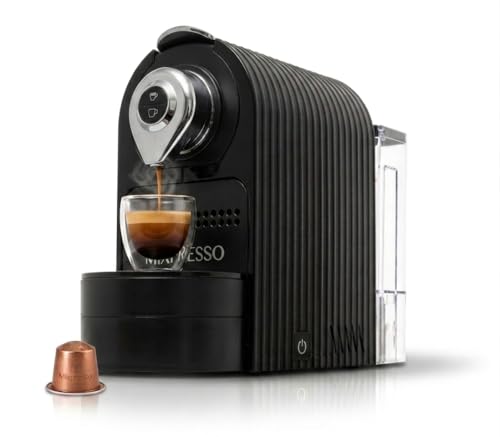


How Capsule Espresso Machines Work
A pump pushes hot water through a sealed pod of ground coffee, and the machine reads the pod or a button to set the volume. Nespresso Original machines use a high-pressure system built around small aluminum pods, around 19 bars at the pump, and make short, crema-topped shots. Vertuo machines spin the pod to brew larger cups. Many third-party machines accept Nespresso Original pods, which widens your choice of roasts and often lowers the price of the machine itself.
The trade-off is cost per cup. A pod usually costs more than the beans needed for the same shot, so the saving in time comes with a higher running cost. For one or two cups a day that is easy to justify. For five or six cups a day, the yearly pod bill can exceed the price of the machine several times over.
Choosing a Pod System
Original-Style Pods
Small pods that brew short espresso and lungo drinks. They have the widest choice of compatible machines and pods, including reusable steel pods you fill with your own grounds. Pick this system if you want espresso-style strength and the option to switch brands.
Vertuo-Style Pods
Larger domed pods read by a barcode, brewing a range of cup sizes from a small espresso to a big mug. They suit people who drink longer coffee and want one button for each size. The pod range is narrower and tied to one maker.
Other Pod Systems
Lavazza and Dolce Gusto style machines use their own pod shapes. Check that the pods are easy to find near you and compare the price per pod before you buy a machine, since a cheap machine with expensive pods costs more in the long run.
Features That Matter
Heat-Up Time and Pressure
Most machines heat up in 25 to 45 seconds, which is quick enough for a rushed morning. Pressure matters for crema: a pump rated near 19 bars suits espresso, while machines built for longer drinks use lower pressure by design. Do not chase the highest bar number; consistent temperature does more for flavor.
Milk Frothing
Machines with a built-in milk system make lattes and cappuccinos with one button, but the milk container needs rinsing after every use. If you only drink black espresso, skip the frother and keep the machine smaller. A separate whisk frother is a cheap alternative for occasional milk drinks.
Water Tank and Footprint
Compact machines hold about 20 ounces of water and fit under most cabinets, while family-sized models hold a liter or more and need refilling less often. Measure the height with the lid open and leave room for the used-pod container.
Cleaning and Descaling
Empty the used-pod container, rinse the drip tray weekly, and descale on the maker schedule, usually every three to six months depending on your water hardness. Descaling keeps flow rate and temperature steady, and skipping it is the most common reason a machine slows down or starts to taste flat.
What to Spend
Compact original-style machines start at roughly $80 to $130. Mid-range models with larger tanks and milk systems run about $150 to $350. Premium machines with automatic milk, touch controls and fast heating cost more, but the espresso itself tastes much the same as from a basic model. Spend extra only when a feature, such as the milk system or a larger tank, saves you effort every day. Readers weighing other styles can compare our guides to the best espresso coffee machines and best inexpensive espresso machines.
Running cost deserves the same attention as the sticker price. Count the cups you drink per week, multiply by the pod price, and add a yearly descaler. A machine that costs fifty dollars more but accepts cheaper compatible pods often wins within a few months. Warranty length and spare part availability also matter: a drip tray or water tank that cannot be replaced can retire an otherwise good machine early, so favor makers with a clear support page and widely sold parts.
Mistakes to Avoid
- Buying a machine before checking which pods fit it and where you can buy them.
- Ignoring pod cost, which often exceeds the machine price within a year.
- Choosing a large milk system you will never clean regularly.
- Skipping descaling until flow slows or the coffee tastes flat.
- Expecting café-style microfoam from a basic frother wand or pod.
Capsule Espresso Machine Care
Run a cleaning cycle with plain water when you first unbox the machine and after any long break. Wipe the pod holder and the area around the outlet with a damp cloth, since coffee oils build up there. Store pods in a cool, dry drawer away from the stove. If you keep the machine in a kitchen with hard water, use filtered water to slow scale buildup, and follow the maker instructions for any cleaning program.
For a closer comparison of pod styles, see our guide to the best capsule coffee machines. Buyers who want more control over the shot can read about the best quality espresso machines and best auto espresso machines.
Capsule Espresso Machine FAQ
Can I use regular coffee in a capsule espresso machine?
Not directly. Capsule machines are built for sealed pods, but many accept refillable steel pods that you fill with your own ground coffee. Use a fine grind and tamp lightly for best results.
How long does a capsule espresso machine usually last?
With regular descaling, many last three to five years of daily use. The pump and heater are the parts that wear, so keep water clean and descale on schedule.
How often should I descale my capsule espresso machine?
Every three months in hard water areas and about every six months in soft water. Follow the maker program and finish with a full rinse so no descaler remains in the tank.
Is a capsule machine with a built-in grinder worth it?
Pod machines do not use a grinder, so that feature belongs to bean-to-cup machines. If you want to grind fresh beans, look at a bean-to-cup or a semi-automatic espresso machine instead.
Is a more expensive capsule espresso machine worth it?
Often only for convenience. Pricier models add milk systems, bigger tanks, and faster heating, while the shot quality comes mostly from the pod. Pay more if those extras save you daily effort.
Final Thoughts
Choose the pod system first, then the drink range and tank size, and price a year of pods before you compare machines. The best capsule espresso machines for your kitchen are the ones that fit your counter, your usual drinks, and your budget, so compare your shortlist in the product table above and pick the one you will use every day.

