
Best Capsule Coffee Machines 2026: Buying Guide
Disclosure: We may earn a commission when you buy through links on this page, at no extra cost to you. As an Amazon Associate I earn from qualifying purchases. Learn more

Compare capsule coffee machines by pod cost, cup size, pressure and cleaning, then choose a machine that fits your kitchen, your taste and your daily routine.
The best capsule coffee machines promise cafe style coffee without grinding, measuring or messy cleanup, and that convenience explains why so many kitchens now rely on them. The product table above shows the main styles side by side so you can see how they differ before you spend anything.
Before you choose, think about how many cups you drink each day, whether you prefer espresso style shots or longer drinks, and how much counter space you can spare. A machine that suits a single morning cup may frustrate a household that brews all day, so match the machine to your routine first.


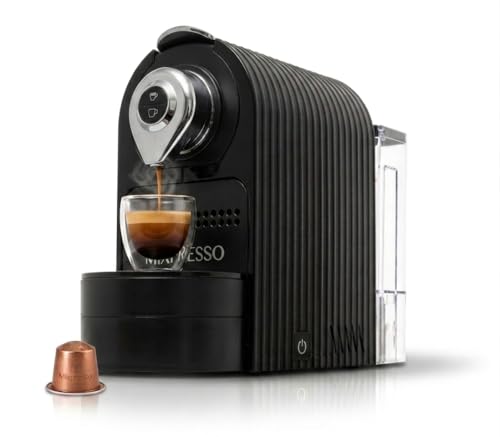


Who Should Buy This Style
Capsule machines suit busy households, small kitchens and anyone who wants a consistent cup with little effort. They work well for guests too, because each person can pick a different pod without changing the setup for everyone else.
They suit less well if you love experimenting with fresh beans, very large mugs or unusual brew methods. In that case a bean to cup or pour over setup may give you more control, even though it takes more time and cleaning each day.
Key Features to Compare
Pod System and Availability
Start with the pod system, because it decides what you can brew and what each cup will cost over time. Some systems offer a wide range of roasts, decaf and flavoured pods in supermarkets, while others rely on a smaller online range. Check the price per pod, the pack size and whether compatible pods are easy to find near you.
Cup Size and Drink Range
Look at the cup sizes the machine offers and whether it handles espresso, lungo and long drinks well. A machine with a fixed small cup may leave a large mug half full, while an adjustable spout and a milk option give you more room for lattes and flat whites. Decide which drinks you actually make most days.
Pressure, Heating and Speed
Good capsule machines heat quickly and hold a steady temperature, which matters for flavour and for busy mornings. A fast heat up time of under a minute is handy, and a machine that pauses or cools between cups can slow a household routine. Read the stated heat time as a guide, not a promise.
Cleaning and Maintenance
Descaling, emptying the used pod container and cleaning the drip tray are the jobs you will repeat most often. A larger water tank means fewer refills, but it also needs regular cleaning so water stays fresh. Choose a design whose parts you can reach and rinse without tools.
Types Compared
Basic Espresso Style Machines
Basic machines focus on short, strong cups and keep the price and footprint low. They suit a single user or a small kitchen where space matters more than milk drinks. You give up some drink variety, but you gain speed and simplicity.
Machines With a Milk Frother
These machines add steamed or frothed milk, which opens up lattes, cappuccinos and flat whites at home. They cost more and need extra cleaning, because milk parts must be rinsed after use. They suit households that drink milky coffee every day.
High Capacity Family Machines
Larger machines hold more water and more used pods, so they cope better with several cups in a row. They take more counter space and may cost more per cup if the household drinks only one cup a day. They suit busy families and home offices.
Budget and Value
Budget machines usually cost about $60 to $120 and cover the basics well, including a decent espresso style cup and a simple pod range. Mid range machines at about $120 to $250 add milk options, larger tanks and better temperature control. Premium machines above that range focus on quiet operation, faster heating and a wider drink menu.
Spend where it changes your daily cup. A milk system matters if you drink lattes daily, while a larger tank matters if several people brew in the morning. Do not pay extra for a drink menu you will never use, and always add the yearly pod cost to the machine price before you decide.
Setup, Care and Everyday Use
Place the machine near a socket and a water source, leave room to lift the lid or lever, and keep pods in a dry spot nearby. Empty the used pod container before it overflows, wipe spills promptly, and descale when the maker signals or every few months in hard water areas.
Store pods away from heat and sunlight, and rinse the cup stand and drip tray each week. If the coffee tastes weak or slow, check the water level, the pod seating and whether descaling is due before you assume the machine is faulty.
Before You Buy Checklist
Measure your space, check the running costs, read the care instructions, and confirm the return window before you order. A short pause at this stage prevents most regrets, because the right choice fits your routine and not just your wish list. Keep the box and receipt until you have used the item for a full week in normal conditions.
Related Guides Worth Reading
For a closer look at a related option, read our guide to best coffee machine makers and compare it with the style described above.
For a closer look at a related option, read our guide to best espresso coffee machines and compare it with the style described above.
For a closer look at a related option, read our guide to best capsule coffee machines australia and compare it with the style described above.
For a closer look at a related option, read our guide to best drip coffee machines and compare it with the style described above.
For a closer look at a related option, read our guide to best grinder coffee machines and compare it with the style described above.
Common Mistakes to Avoid
One common mistake is choosing a machine for a pod range you cannot buy locally, which turns a quick morning coffee into a delivery wait. Another mistake is ignoring water tank size, because a tiny tank in a busy household means constant refilling and lukewarm second cups. Check pod supply and tank size before you fall in love with a design.
Do not judge a machine by its first cup alone, because flavour, noise and cleaning effort only show after a week of normal use. Keep the receipt, try every drink setting you plan to use, and note how long descaling and pod disposal take. A machine that feels easy after a week is a better buy than one that impresses for a day.
Long Term Value
Long term value depends on pod price, descaling cost and how long the pump and heater last under your usage. A cheaper machine with expensive pods can cost more within a year than a pricier machine on a cheaper pod system. Add up a year of pods before you compare machine prices side by side.
Look for a maker with clear spare parts and service support, because a broken drip tray or water tank should not end the life of a good machine. A machine with widely sold pods and simple parts will stay useful longer, even if a newer model appears next year.
Frequently Asked Questions
How much do pods cost each month?
Pod costs depend on how many cups you drink and which system you choose, so count your daily cups and multiply by the pod price before you buy. A household drinking four cups a day will spend far more on pods than on the machine itself within a year. Compare pod prices in local shops and online, and check whether a reusable pod option exists for your system.
Can capsule machines make a large mug of coffee?
Most capsule machines brew a short or medium cup, and a large mug may need two pods or a longer drink setting. Check the maximum cup size and whether the machine offers a lungo or long coffee option. If you always drink a very large mug, a drip machine or a bean to cup machine may suit you better.
Are capsule machines hard to clean?
Capsule machines are usually easy to clean day to day, because the coffee grounds stay inside the pod. You still need to empty the pod container, rinse the drip tray and descale on a schedule. Milk systems need extra rinsing after each use, so factor that time into your choice.
Do capsule machines need special water?
Tap water works in most areas, but hard water can cause scale buildup and change flavour over time. Using filtered water can slow scaling and improve taste, yet it does not remove the need for descaling. Follow the maker guidance for your water hardness and descale when prompted.
Can I recycle used pods?
Many pod brands run a recycling scheme, while others use pods that go in general waste, so check the scheme for your exact system before you buy. Rinsing and sorting pods takes a little time, and collection points vary by area. If recycling matters to you, choose a system with a clear local option.
How often should I descale a capsule machine?
Descale when the maker signals, or about every three months in hard water areas and every six months in soft water areas. Scale builds slowly and can dull flavour and slow heating before you notice a fault. Use the descaler type the maker recommends, follow the rinse steps fully, and never skip the final rinse, because leftover descaler affects taste.
Final Thoughts
Choose the pod system first, the drink range second and the size third, and the rest of the decision becomes much simpler. A machine that fits your counter, your cup and your budget will get used every day without fuss.
The product table above summarises the main styles, and the best capsule coffee machines for your home are the ones that keep your daily routine easy, affordable and enjoyable.
Choose a machine that makes your usual drinks well, fits your counter and keeps pod costs sensible. Test it for a full week, keep the routine simple, and enjoy coffee that fits your mornings without fuss or waste.

