
Best Bean to Cup Coffee Machines for Cappuccino: Buying Guide for 2026
Disclosure: We may earn a commission when you buy through links on this page, at no extra cost to you. As an Amazon Associate I earn from qualifying purchases. Learn more

Use this guide to the best bean to cup coffee machines for cappuccino to compare milk systems, grinders, size, and care before you buy at home.
A great cappuccino at home depends on three things working together: fresh espresso, properly steamed milk, and foam with fine, stable bubbles. The best bean to cup coffee machines for cappuccino handle grinding, brewing, and milk in one unit, so the drink stays consistent from cup to cup without a counter full of separate gear.
This guide explains which milk system suits your patience, which grinder and size details matter, and what each price tier usually delivers. Start with the comparison table below, then use the sections that follow to match a machine to your kitchen and your morning routine.

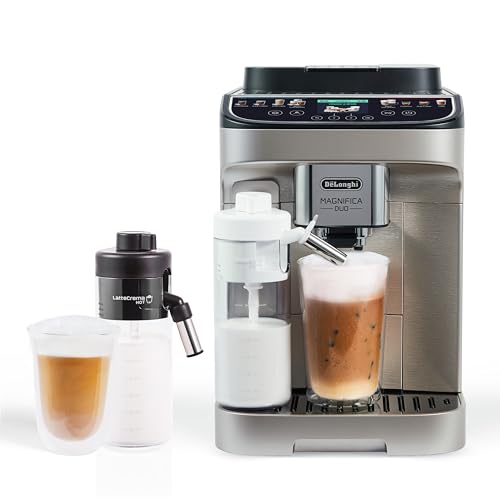


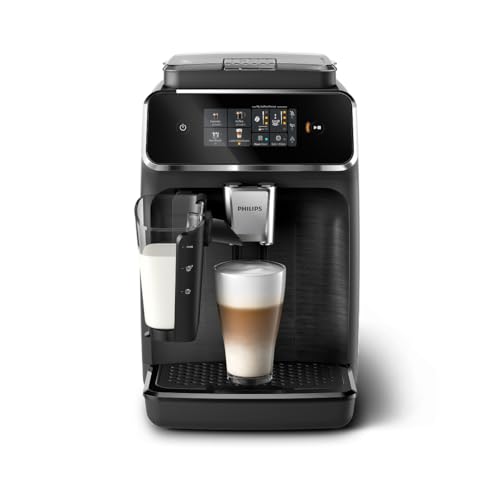
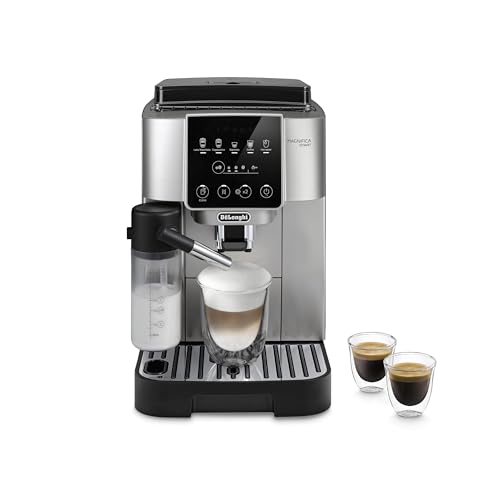
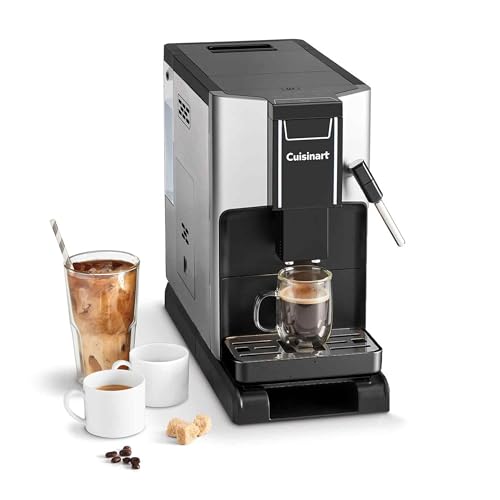
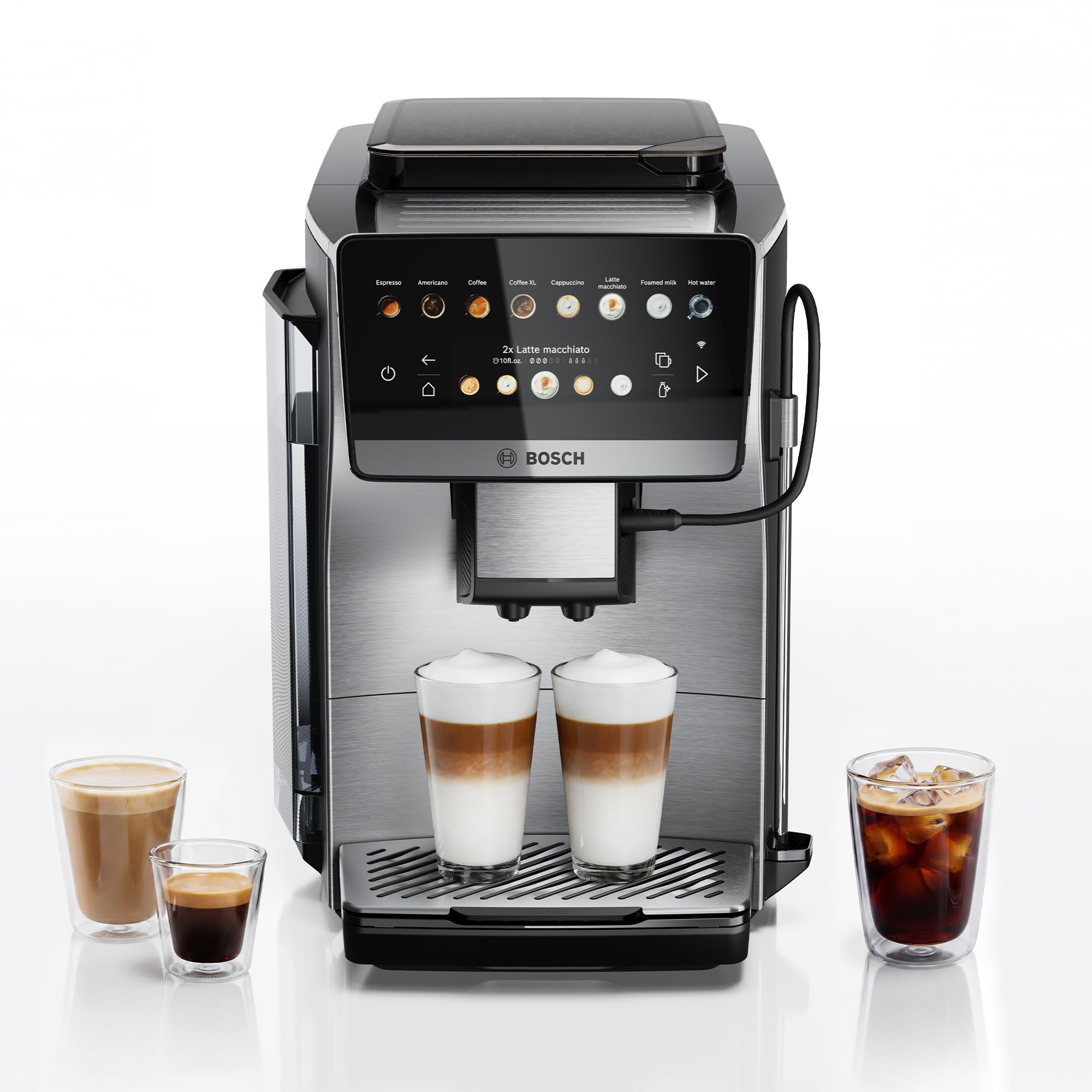
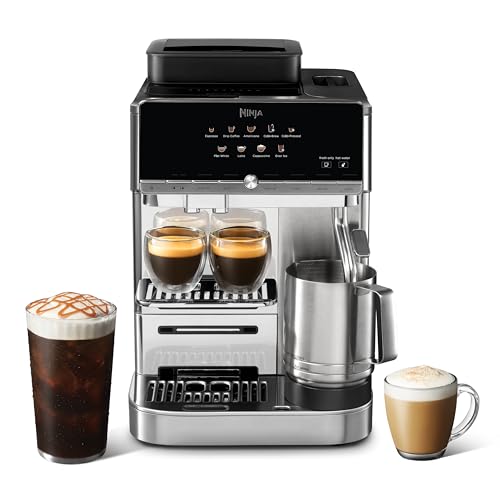
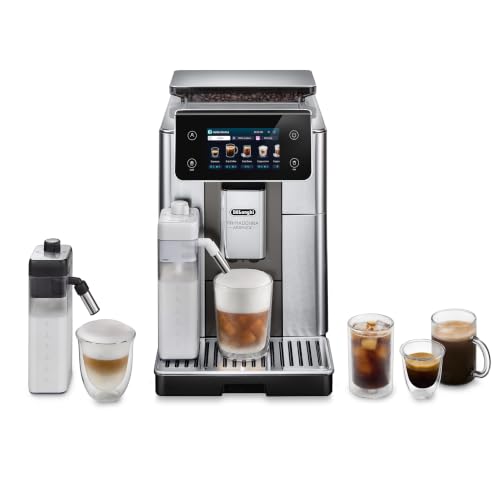
What Each Price Tier Delivers for Cappuccino
Bean to cup machines span a wide price range, and the differences show up mostly in milk handling, grinder quality, and how much of the process runs with one touch. Use these tiers as expectations, not promises, and confirm the exact features on any model you consider.
Budget Tier: Manual Milk, Simple Controls
At the budget end, around $300 to $600, expect a capable espresso base with a manual steam wand and a basic burr grinder. You steam and foam the milk yourself, which takes practice but gives you direct control over texture. Displays are small, drink menus are short, and parts use more plastic. This tier suits one or two cappuccinos a day for a patient learner who values savings over automation.
Midrange Tier: The Sweet Spot for Most Homes
Midrange machines, about $600 to $1,200, usually add a larger bean hopper, quieter grinding, saved drink profiles, and either a refined steam wand or an automatic milk carafe. Cappuccino becomes a repeatable routine rather than a project. Water tanks grow, drip trays improve, and cleaning prompts appear on screen. For most households making milk drinks daily, this tier balances quality, speed, and long term value best.
Premium Tier: One Touch Milk Drinks and Refinement
Premium models, often $1,200 and up, focus on effortless milk texture, dual heaters for faster back to back drinks, and finer grind and temperature control. Automatic systems can produce dense foam for cappuccino and silky milk for lattes with separate settings. Build quality, quieter pumps, and better descaling programs also improve. This tier pays off for busy homes serving several people, or for anyone who wants cafe style drinks with almost no technique.
How to Choose Bean to Cup Coffee Machines for Cappuccino
Cappuccino is a demanding drink because it needs both strong espresso and correctly foamed milk in equal thirds. The features below decide whether a machine makes that balance easy or frustrating, so weigh them before you compare colors or cup counts.
Features That Matter for Cappuccino
Look for a pump rated at 15 bar with brewing near 9 bar at the group, stable water temperature, and a grinder with several grind settings. The milk system matters most: it must create fine foam, not large soapy bubbles. A removable brew group simplifies cleaning and protects flavor over time. If a spec sheet hides milk details, that silence tells you cappuccino is not the machine strength.
Brewing Method and Coffee Style
True bean to cup cappuccino machines brew espresso under pressure, which creates the concentrated base and crema the drink needs. Drip brewing is too weak and slow for cappuccino, and pour over or cold brew belong to entirely different drinks. Some units also offer regular coffee modes for guests, which is handy, but judge the machine first on espresso quality. Households that also want plain coffee can browse our guide to the best bean to cup coffee machines for broader options.
Build Materials (Plastic vs Stainless vs Glass)
Stainless steel housings resist heat and wipe clean easily, while quality plastic lowers price and weight. Inside, look for stainless or aluminum boilers and food safe, BPA free water paths and tanks. Milk carafes in BPA free plastic are common and safe when cleaned promptly. Glass parts appear mostly on serving carafes for coffee modes. Whatever the material, smooth surfaces and removable parts matter more than shine, because milk residue hides in seams.
Footprint and Countertop Fit
Measure width, depth, and the height under your cabinets, then add room to lift the bean lid and pull the water tank. Many machines load water from the front, which helps in tight kitchens. Leave space on the side where the steam wand or milk carafe sits, plus a spot for your cup and a knock box. A machine that fits on paper but blocks a cabinet door will annoy you daily.
Capacity and Serving Size
Match tank and hopper size to your household rhythm. A tank around 1.5 to 2 liters suits couples, while larger homes may prefer 2.5 liters or a model with an easy refill design. Bean hoppers around 250 grams hold roughly a standard bag portion for a week of drinks. Consider the drip tray and used grounds container too, since small bins mean emptying mid morning when guests are waiting.
Milk Frothing Options
A manual steam wand gives the finest control and suits learners who enjoy technique, though it needs wiping and purging after every use. Automatic carafe systems store milk in the fridge, froth on demand, and rinse with a dial turn, which families love. Panarello style wands sit between the two, adding air with less skill but coarser foam. For cappuccino specifically, choose the system whose foam texture and cleanup you will accept every single day.
Tips to Get the Most From Your Cappuccino Machine
- Use filtered water. It protects flavor, reduces scale, and keeps temperature stable over the life of the machine.
- Descale on schedule. Every one to three months suits most homes, sooner with hard water or heavy daily use.
- Clean milk parts after each use. Milk residue sours fast, clogs fine foam paths, and ruins the next drink; rinse, wipe the wand, and refrigerate the carafe.
- Store beans well. Keep beans in an airtight container away from light and heat, and fill the hopper with only a few days supply.
- Warm your cups. A preheated cup keeps a small drink hot and helps the foam hold its structure longer.
Offices and cafes with far higher volume should compare our guide to the best commercial bean to cup coffee machines, since home duty cycles and warranties differ. If espresso is your main drink beyond cappuccino, our guide to the best bean to cup espresso coffee machines goes deeper on extraction. Brand level shoppers can also see our guide to the best coffee machine makers for service and parts context.
Bean to Cup Cappuccino Machines: Your Questions Answered
What features matter most in bean cup coffee machines for cappuccino?
The milk system matters most, followed by grinder range and temperature stability. Cappuccino foam needs fine, dense bubbles, so judge a machine by how its wand or carafe textures milk, not by drink menu length. A useful extra point: cup height clearance matters too, because a standard cappuccino cup plus foam needs room under the spouts. Tight clearance forces small cups and spills.
How long does a bean cup coffee machine usually last?
A well kept home machine usually lasts about five to seven years, and premium builds can run longer. Lifespan depends on water quality, descaling, and how many drinks you make daily. Replace burrs and seals as makers advise, since worn burrs quietly degrade flavor before anything breaks. When repair costs approach half the price of a new midrange unit, replacement usually wins.
Is a more expensive bean cup coffee machine really worth it?
It is worth it when the extra money buys milk automation, a better grinder, or a second heater that you will use daily. It is not worth it for longer drink menus you will ignore or styling alone. Count your weekly milk drinks honestly. A household making two cappuccinos each morning recovers convenience value fast, while a weekend only user can stay midrange and be happy.
Can I use regular coffee in a bean cup coffee machine?
Yes, most machines accept pre ground coffee through a bypass chute, usually one scoop at a time. That option suits decaf in the evening or a guest bag of ground coffee. Do not pour ground coffee into the bean hopper, because fines clog the grinder. For daily use, whole beans ground seconds before brewing still give the fullest flavor and the most reliable results.
What grind size works best with a bean cup coffee machine?
A fine to medium fine grind works best for the espresso base, but the right setting depends on your beans and dose. Start at the maker recommended middle setting, then adjust one step at a time. If shots run fast and taste sour, grind finer. If they drip slowly and taste bitter, grind coarser. Change only the grind between cups so you can read the result clearly.
How often should I descale my bean cup coffee machine?
Descale every one to three months for most homes, guided by the machine alert and your water hardness. Homes with hard water and heavy use sit at the short end of that range. Filtered water stretches the interval but does not remove it. Skipping descaling slows heating, weakens steam for foam, and can end a warranty claim, so treat the alert as a real deadline.
Our Verdict
Choose the milk system first, confirm the grinder and size fit your kitchen, and let your drink count pick the tier. Those three decisions shape every cappuccino you make with the machine. Compare your shortlist against the product table above, and the best bean to cup coffee machines for cappuccino for your counter will be the one whose daily routine feels effortless.


