Best Cantilever Umbrella: A First Time Buyer's Guide for 2026
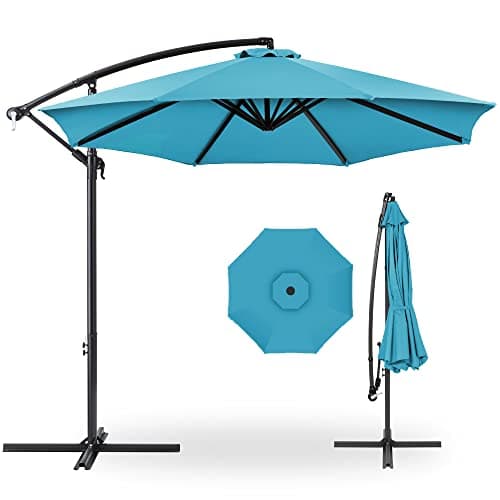
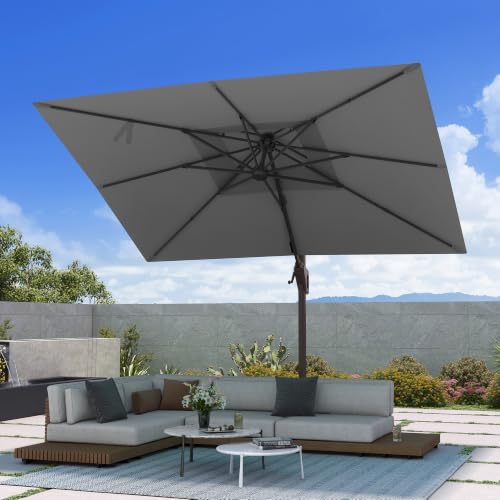
A classic patio umbrella has one annoying habit: its pole sits right in the middle of the table, splitting the view, bumping knees, and limiting where you can put chairs. It also only works if you have a table with a hole in it. Picking the best cantilever umbrella solves both problems. A cantilever, often called an offset umbrella, moves the pole off to one side and hangs the canopy from an arm, so the shade lands exactly where you want it while the floor underneath stays clear.
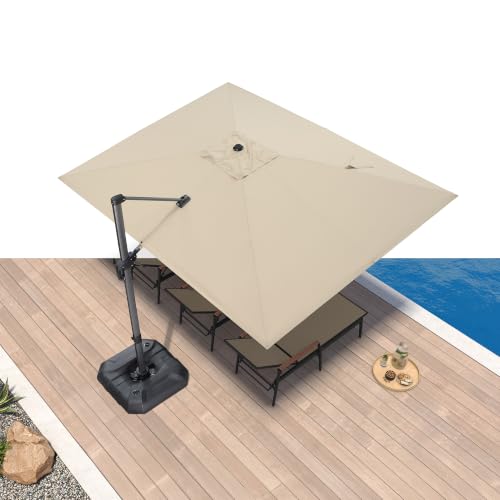
That makes it a natural fit for spaces a center pole can't serve well, like a lounge area with a sectional, the edge of a pool, a hot tub, or an open stretch of deck. This guide starts with the basics of how these umbrellas work, then walks through the specs that matter, the mistakes first time buyers make, and how to set up and care for one so it lasts for many summers.
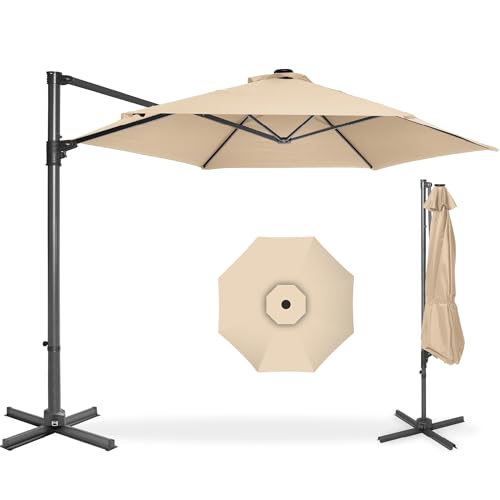
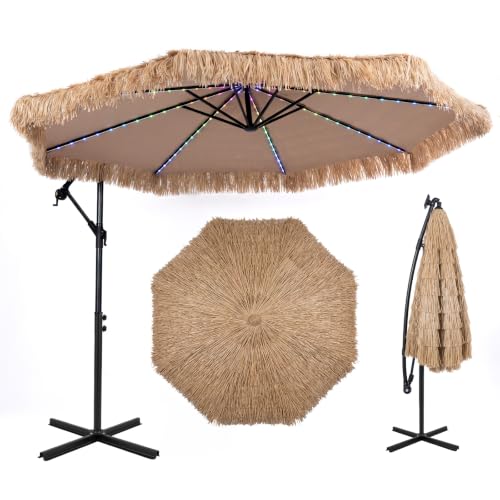
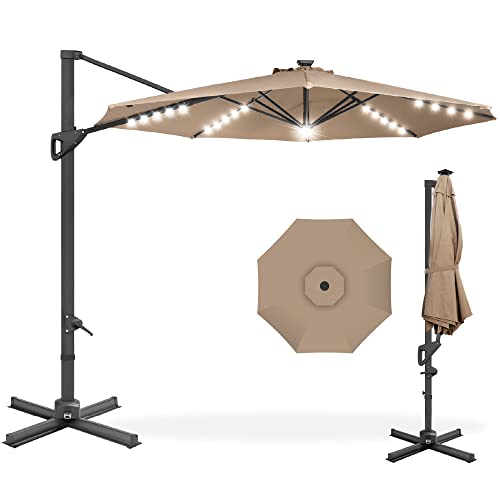
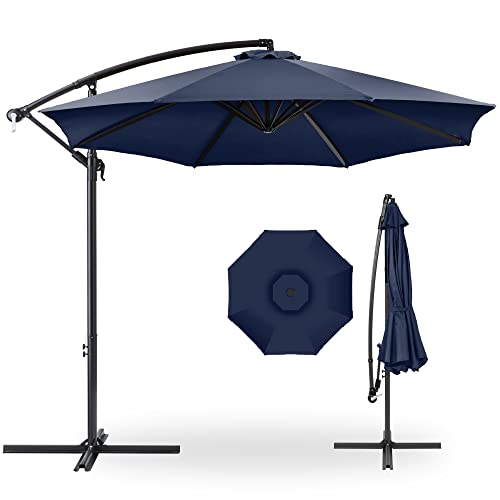
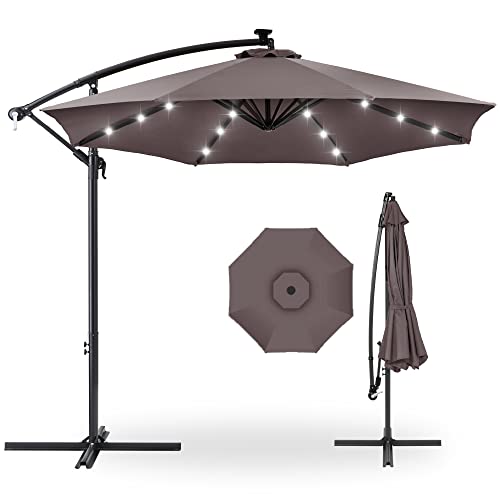
Cantilever Umbrellas 101: How They Work
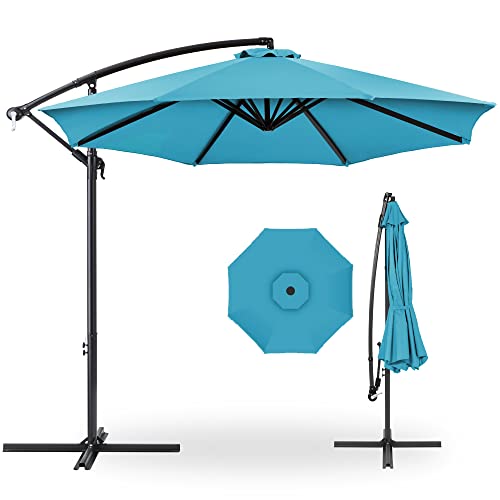
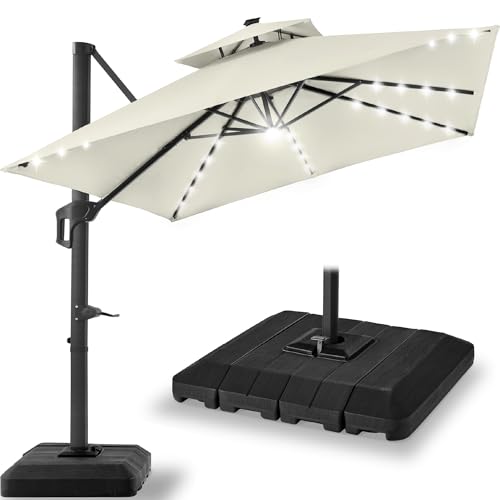
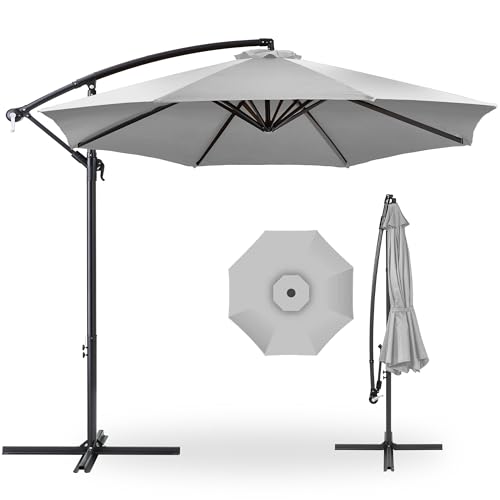
Every cantilever patio umbrella has three main parts. A vertical upright pole anchors into a heavy base. A horizontal arm, sometimes curved, extends out from the top of that pole. The canopy frame then hangs from the end of the arm, which is why these are also called hanging umbrellas. Because the weight of the canopy sits several feet away from the pole, the whole system works like a lever, and the base is what keeps it from tipping.
A market umbrella is simpler. Its pole runs straight up through the center of the canopy, and it usually sits in a table hole with a smaller base underneath. It is lighter, cheaper, and easier to move, but the pole is always in the middle of whatever you are shading.
The advantages of the offset design are easy to see once you use one:
- Clear space underneath. No pole in the way of a coffee table, a cluster of loungers, or a walkway.
- Shade that follows the sun. Most models rotate and tilt, so you can swing the canopy around as the afternoon light shifts.
- Bigger coverage. Canopies of 10 to 13 feet are common, which covers a full seating group.
There are trade offs too. Cantilevers are heavier, they need a large and heavy base to stay safe, they take up a wider footprint beside the seating area, and they usually cost more than a market umbrella of the same canopy size.
Key Specs Explained in Plain English
Product listings throw a lot of numbers at you. These are the ones that actually decide whether an umbrella will suit your space and hold up over time.
Canopy Size and Shape
Common canopy size options are 9, 10, 11, and 13 feet, measured across the open canopy. Round and octagonal canopies cast a soft, even circle of shade. Square and rectangular canopies cover a table or a sectional more efficiently because their corners reach the spots a circle misses. A simple rule: choose a canopy that extends about 2 feet past the area you want shaded on each side. Remember that the shadow moves and shrinks as the sun drops, so a little extra size pays off.
| Seating | Suggested canopy size |
|---|---|
| 2 to 4 chairs or a bistro set | 9 to 10 ft |
| 4 to 6 chairs or a small lounge set | 10 to 11 ft |
| 6 to 8 chairs or a sectional | 11 to 13 ft, or a large rectangle |
Base Weight and Stability
If you remember one thing from this guide, make it this section. The base is what keeps a cantilever upright, and an undersized one is the most common reason these umbrellas tip over. Most designs use a cross base, a metal X shaped frame bolted to the bottom of the pole, which is then loaded with weight. That weight can come from fillable plastic base segments that take sand or water, or from heavy pavers and granite or concrete plates that sit on the cross base.
Sand is denser than water, so a sand filled base is noticeably heavier for the same size. Granite and concrete plates are the heaviest and the most stable, but they are hard to move. For a 10 to 11 foot umbrella, a total umbrella base weight somewhere around 150 to 250 lb is a common recommendation, and larger canopies usually need more. Always check the manufacturer's recommendation for your exact model. Also read the listing carefully, because many umbrellas ship with only the cross base, and the weights are sold separately.
Tilt, Rotation, and Height Adjustments
Adjustability is where cantilevers earn their price. Many models offer 360 degree rotation, letting you swing the whole canopy around the pole, often by pressing a foot pedal or turning a handle near the base. A tilt mechanism angles the canopy toward the sun, and better models offer several tilt positions rather than just one or two. Opening and closing usually happens with a crank, which raises the canopy along the pole and spreads the ribs. Some designs also let you adjust the canopy height. Together, these features let you keep shade on your seating from late morning to sunset without moving the base at all.
Canopy Fabric and Sun Protection
Fabric decides how long your umbrella will look good. Polyester is the most affordable and common, but it tends to fade faster in strong sun. Olefin is a step up in color retention and resists mildew well. Solution dyed acrylic, where the color is added to the fiber before it is spun, holds color the longest and is the choice on many premium umbrellas. Some makers rate fade resistance in hours of UV exposure, which helps when comparing. Look for a UPF 50 or UPF 50+ rating if sun protection is a priority, and a water resistant coating if you want the canopy to shed light rain. A canopy that can be replaced separately is a nice bonus, since the frame often outlasts the fabric.
Frame Material and Wind Resistance
Most frames are powder coated aluminum or steel. Aluminum is lighter and does not rust, which makes it easier to live with near a pool or the coast. Steel is strong and often cheaper, but chips in the coating can let rust start. Look at the rib count as well: an umbrella with 10 ribs generally holds its shape better than one with 8. A vented canopy, with a flap or opening at the top, lets gusts escape instead of catching the canopy like a sail, which improves wind resistance. Even so, no patio umbrella is built to stay open in strong wind. Close it when the wind picks up.
Extras Worth Having
A few add ons make daily use easier. Integrated LED lights, often solar powered, turn the umbrella into evening lighting; if your model lacks them, clip on patio umbrella lights are an easy upgrade. A fitted cover protects the closed canopy from dust, pollen, and UV between uses. An easy crank or one handed tilt control matters more than it sounds once you adjust the shade several times a day.
Rookie Mistakes to Avoid
- Buying a base that is too light. Skimping on weight to save money or effort is the fastest way to a toppled umbrella and a damaged patio. Match or exceed the maker's recommendation.
- Choosing a canopy that is too small. Shade shifts through the day. A canopy that just covers your furniture at noon will leave half of it in the sun by late afternoon.
- Leaving it open in the wind. An open canopy catches gusts with real force. Get in the habit of closing it whenever you leave the patio.
- Not measuring for the arm. The pole and base sit to one side, and the arm needs room to swing. Measure the full footprint, including clearance from walls, railings, and overhangs.
- Buying cheap fabric. A low cost polyester canopy can fade noticeably after a single sunny season. Paying a bit more for better fabric often saves you a replacement.
Getting Started: Setup, Care, and Winter Storage
Pick a spot on a flat, level surface such as a patio, pavers, or a sturdy deck. Assemble and weight the base first, before you attach the pole and arm, so the umbrella is never standing without its counterweight. Follow the assembly instructions closely, tighten every bolt, and only open the canopy once the base is fully loaded.
Routine care is simple. Brush off leaves and debris, and wash the canopy now and then with a soft brush, mild soap, and lukewarm water. Rinse well and let it dry completely while open before you close it, which helps prevent mildew. Wipe down the frame and check that bolts stay snug.
After each use, close the canopy, secure it with its strap, and slip on the cover. When storms are in the forecast, take the canopy off or at least close and cover it, and consider rotating the arm so it sits over the base. For winter, many owners remove the canopy and store it indoors, then either store the frame in a garage or leave it closed and covered outside if the manufacturer allows. Pairing the umbrella with sturdy all weather outdoor furniture means the whole setup can handle the seasons with less fuss.
Frequently Asked Questions
How heavy should a cantilever umbrella base be?
For a 10 to 11 foot cantilever, plan on roughly 150 to 250 lb of total base weight, and more for larger canopies. The exact number depends on the model, so treat the manufacturer's recommendation as the minimum. Sand filled bases and granite or concrete plates add more stability than water alone.
What size cantilever umbrella do I need for my patio?
Measure the area you want shaded and add about 2 feet on each side. A 9 to 10 foot canopy suits a bistro set or a few chairs, while a sectional or a larger dining group usually needs 11 to 13 feet or a rectangular canopy. Check that the base and arm fit beside your seating too.
Can a cantilever umbrella stay open in the wind?
Only in light breezes. A vented canopy and a heavy base help, but any open umbrella can tip or bend in strong gusts. Close it when wind picks up, and always close it when you leave the patio, since weather can change quickly.
Is a cantilever umbrella better than a market umbrella?
It is better when you want clear space underneath, such as over a lounge area or a hot tub, or when you need shade that rotates with the sun. A market umbrella is lighter, cheaper, and easier to move, so it remains a good choice for a patio dining set with a table hole.
Can I leave a cantilever umbrella outside all year?
Some frames are built to stay outdoors, but the canopy lasts much longer if you protect it. Close and cover the umbrella when not in use, and remove or store the canopy during winter or storm season. Check the manufacturer's care guidance, since some warranties expect seasonal storage.
Can I use a cantilever umbrella on a wood deck?
Yes, as long as the deck is sturdy and level. Spread the load with a weighted cross base rather than concentrating it on one board, and confirm the deck can handle the total weight. Some models offer a deck mount, which bolts to the framing and must be installed securely.
Final Thoughts
Choosing a cantilever comes down to three things. Size the canopy so it extends past your seating with room to spare. Give it a base heavy enough for the canopy, using the manufacturer's recommendation as your floor. And pick a fabric that resists fading, ideally solution dyed acrylic or another UV stable option with a UPF 50 rating. Get those right and the best cantilever umbrella for your space will keep your chaise lounge chairs, dining table, or poolside corner comfortable for years. Scroll back up to the product table to compare current models side by side.