Best Patio Umbrella Lights: A Complete Buying Guide
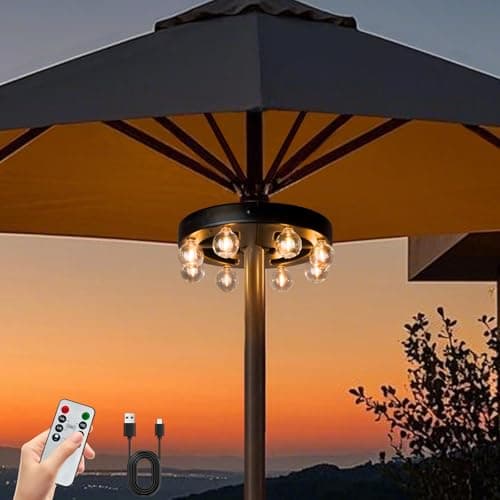
Dinner on the patio always sounds better than it looks once the sun drops and everyone starts squinting at their plates. Adding umbrella lights is the easiest fix, but the umbrella lighting aisle is more crowded than it needs to be, with string lights, pole-top fixtures, and battery lanterns all claiming to be the answer.
Picking the best patio umbrella lights for your space comes down to a handful of practical questions: how the light attaches, where the power comes from, how bright it needs to be, and whether it can handle a summer rainstorm. This guide walks through each of those decisions so you can shop with a clear idea of what actually matters.
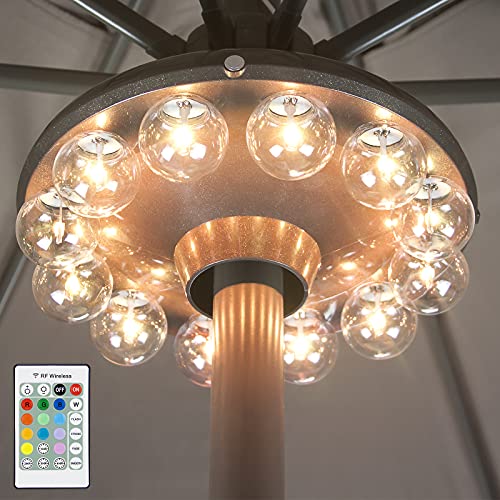
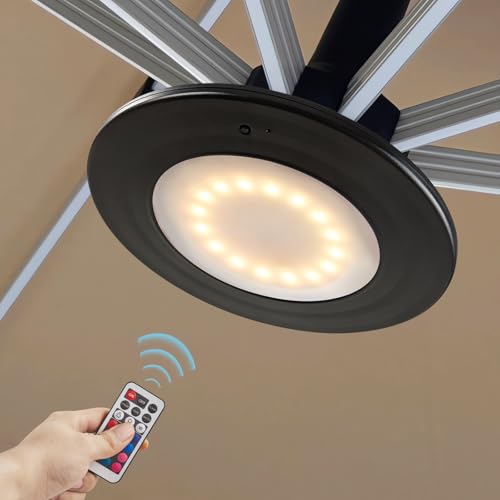
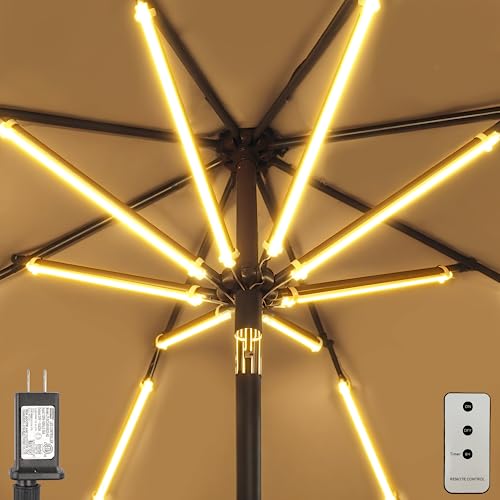
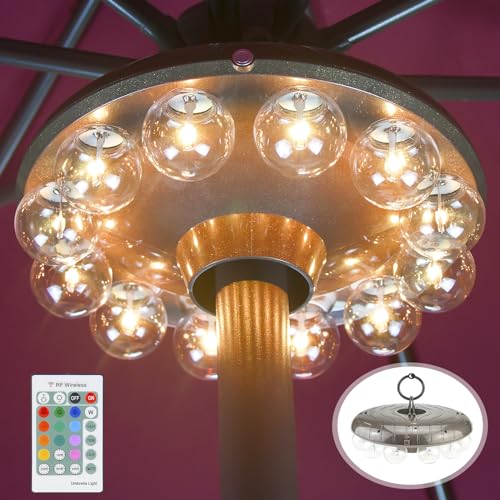
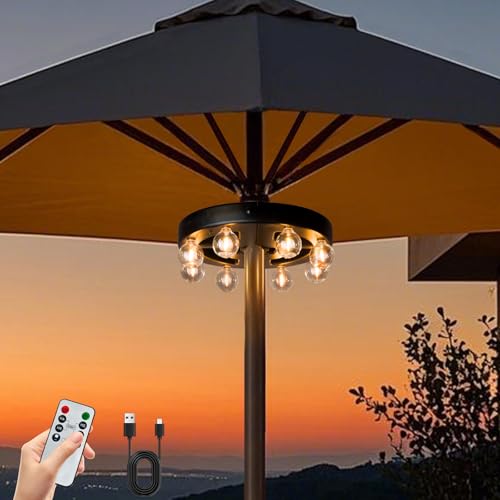
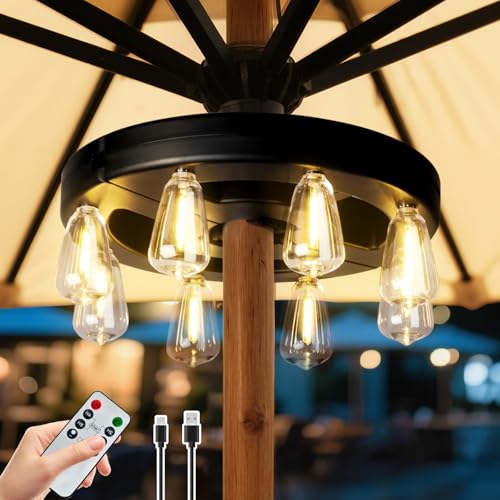
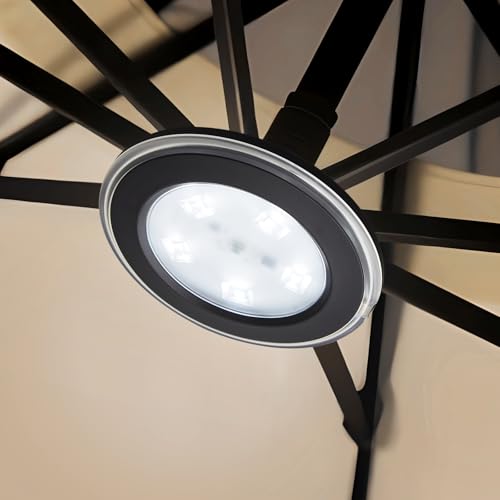
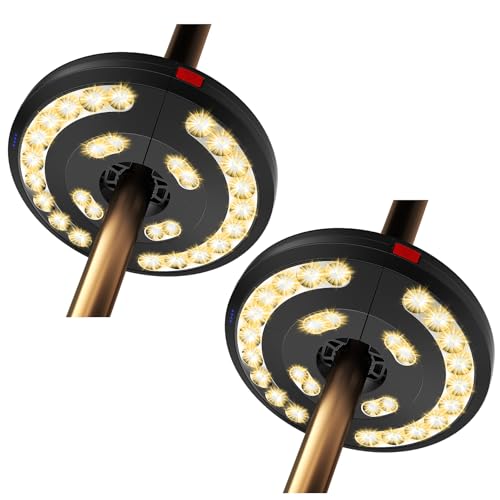
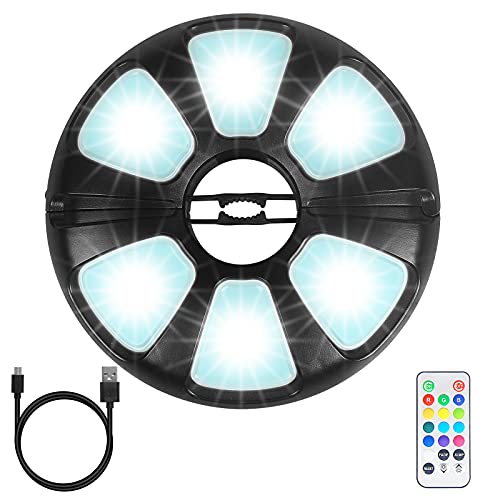
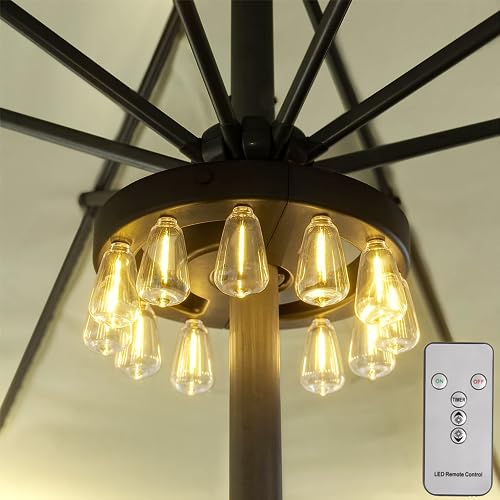
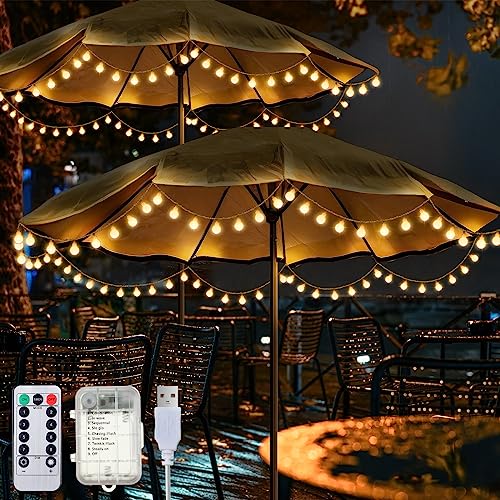
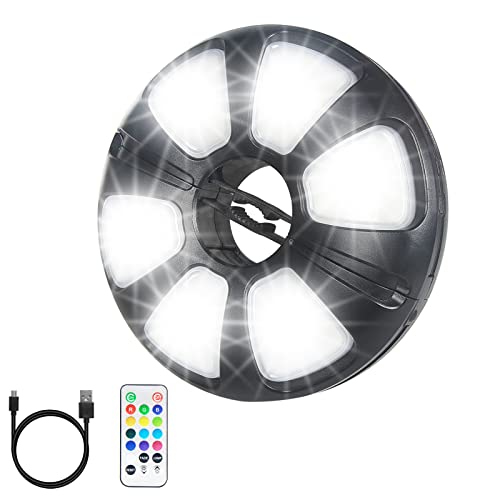
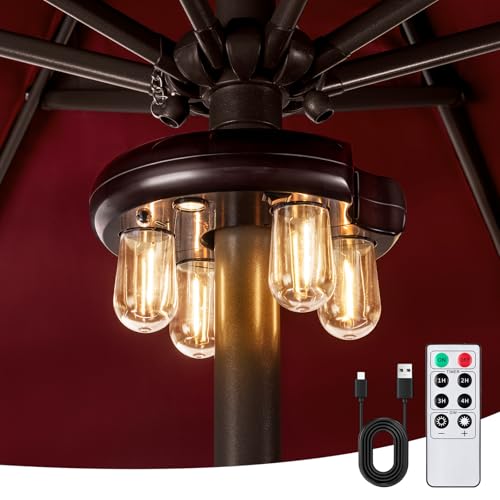
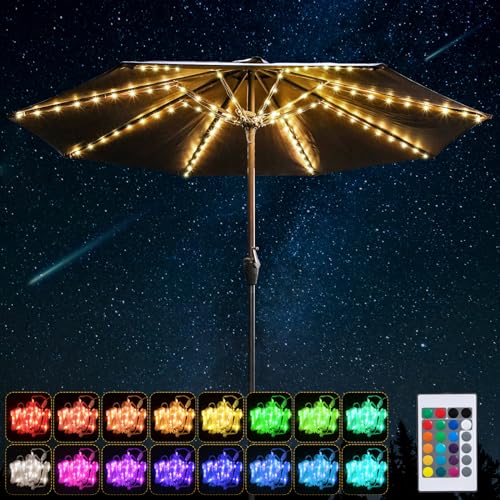
Light Styles: String, Pole-Top, or Hanging
Most umbrella lighting falls into three basic formats, and each one changes how your umbrella looks and feels once it's lit.
String and strip lights
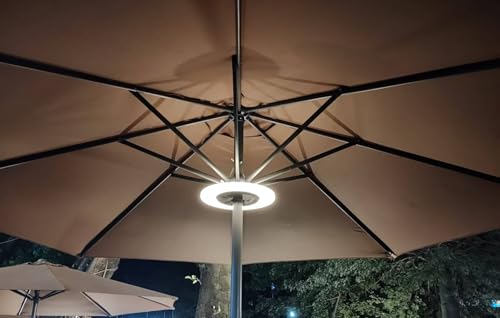
These wrap around the umbrella ribs from the center pole outward, spreading light evenly across the whole canopy. They're the closest thing to café-patio ambiance, and because the light source is spread across many small bulbs, there's no single hot spot glaring down at the table.
Pole-top fixtures
A single light unit clips or slides onto the top of the umbrella pole, usually pointing downward. These are simpler to install since there's nothing to route along the ribs, but they throw a more concentrated pool of light directly below, which can leave the outer edges of a large table dimmer.
Hanging lanterns
Small lantern-style fixtures clip onto individual ribs or hang from the underside of the canopy. They add a decorative, almost string-of-lights-meets-fixture look, and a lot of them can be removed and used elsewhere when the umbrella isn't in use.
Solar, Rechargeable Battery, or Plug-In Power
How the lights get their power affects both convenience and how bright and long they'll actually run.
Plug-in lights connect to a nearby outlet or extension cord and stay lit as long as they're plugged in, which makes them the most dependable option for long dinners or parties. The trade-off is a visible cord and the need for an outlet within reach, which isn't always practical on an open patio.
Rechargeable battery lights use a built-in cell you charge through a USB or wall adapter, then run cordless for several hours on a full charge. They're the most flexible option since the umbrella doesn't need to sit anywhere near power, but you do need to remember to recharge them between uses.
Solar-powered lights use a small panel, often built into the top of the pole cap, to charge during the day and switch on automatically at dusk. They're genuinely low-maintenance, but output depends on how much direct sun the umbrella gets, so a heavily shaded patio will charge slower and run dimmer than one in full sun.
Getting the Brightness Right for Evening Meals
Brightness is where a lot of buyers overshoot or undershoot. A patio umbrella isn't meant to floodlight the yard, it's meant to make the table and the faces around it easy to see without glare. For dining, a warm white light in the low-to-mid brightness range is usually more comfortable than the brightest setting a product offers.
Lights with adjustable brightness or multiple modes are worth the small premium, since you can dial things down for a quiet dinner and turn them up for a gathering with more people. If you regularly use the umbrella for reading or games rather than just eating, look for a cooler, brighter white setting as an option rather than settling for one fixed tone. This matters even more over a large patio dining table, where light needs to reach evenly across every seat instead of pooling in the middle.
Weatherproofing and What IP Ratings Actually Cover
Anything mounted to an outdoor umbrella needs to survive rain, humidity, and temperature swings without shorting out or corroding. Most patio umbrella lights on the market list this rating right on the packaging, and it's worth reading before checkout rather than after a surprise downpour.
The number after "IP" describes dust and water resistance, and for umbrella lights you generally want a rating in the IP44 to IP65 range, with higher numbers holding up better against direct rain and splashing rather than just occasional dampness. Even a well-rated fixture benefits from common sense: closing the umbrella during heavy storms and avoiding fully submerging any battery pack extends the life of the lights considerably, regardless of what the rating claims.
Attaching Lights Without Damaging the Canopy
A frequent complaint with umbrella lighting isn't the light quality, it's installation that stresses the fabric or ribs. Lay the umbrella down flat, or work with it partly open, so you're not fighting gravity while attaching anything. Use the clips that come with the light set rather than wrapping wire tightly around the ribs, since tight wraps can rub through fabric coating over a season of use and stop the ribs from flexing normally when the umbrella opens and closes.
Space clips evenly along each rib instead of bunching them near the pole, and keep everything clear of the hinge mechanism at the top, since that's the part that moves every time you open or fold the umbrella. If you're setting this up alongside new seating, it's worth planning the layout the same way you would when shopping for patio chairs, thinking about where people will actually sit relative to where the light falls.
Remote Controls and Timers
Not every light set needs extra electronics, but a remote or built-in timer solves a real annoyance: getting up mid-dinner to fumble with a switch on the pole. A remote lets you cycle through brightness levels or lighting modes from your seat, which matters more than it sounds like once the umbrella is fully open and the switch is out of easy reach.
A timer function is handy if you tend to forget to turn lights off, automatically shutting them down after a set number of hours so a battery set isn't drained by morning. Neither feature is essential, but if two similar-looking products are priced close together, the one with remote or timer functionality is usually the more convenient pick long-term.
Frequently Asked Questions
Do umbrella lights work with any size umbrella?
Most string and strip lights are adjustable enough to fit small market umbrellas up through large cantilever styles, since you simply wrap or clip along however many ribs you have. Pole-top fixtures depend more on pole diameter, so check that measurement before buying.
How long do battery-powered umbrella lights last on a charge?
It varies by brightness setting and battery size, but many rechargeable sets run somewhere between 6 and 10 hours on a full charge at a moderate brightness level, with runtime dropping noticeably on the highest setting.
Can I leave umbrella lights on the umbrella when it's closed or stored?
You can, but bundling the canopy around string lights can trap moisture against the wiring and cause it to fold at odd angles. It's better to loosen or unclip lights before folding the umbrella for storage, especially over winter.
Are solar umbrella lights bright enough for dinner?
Good-quality solar sets are bright enough for casual dining, especially in warm white settings, though they generally can't match the peak output of a plug-in option. A shaded patio will also charge the panel less effectively, which lowers nighttime brightness.
Do umbrella lights attract bugs?
Warm white LED light attracts far fewer insects than bright white or blue-toned light, which is one more reason warm settings tend to be the better choice for outdoor dining rather than just an aesthetic preference.
Will the lights damage my umbrella fabric over time?
LED bulbs run cool enough that heat damage isn't a real concern. The more common risk is wire clips rubbing against fabric if they're wrapped too tightly, which is avoidable with proper spacing and gentle attachment.
Setting Up Your Patio for Evenings Outside
Choosing the right patio umbrella lights comes down to matching the format, power source, and brightness to how you actually use your patio, not to whichever set has the most bulbs in the package. A dinner-focused setup calls for something different than a space meant for parties or late-night reading, and weatherproofing and careful installation matter just as much as how the lights look once they're switched on. Once the lighting is sorted, the rest of the setup, from the table underneath to the seating around it, is what turns a lit umbrella into an actual evening spot rather than just a lit umbrella.