Best Canon Printers for Home Use: A 2026 Routine Guide
Disclosure: We may earn a commission when you buy through links on this page, at no extra cost to you. As an Amazon Associate I earn from qualifying purchases. Learn more

Learn how Canon printers for home use fit different routines, from homework and photos to home office documents, with cost and setup checks.
The best canon printers for home use suit many home routines, but the best choice depends on whether you print photos, schoolwork, or office documents most. The comparison table below compares photo focused, document focused, and all in one models, so you can see which routine each type serves. This guide helps you match a printer to your week, not to a feature list alone.
Start with a simple tally for a normal month. How many color pages, black and white pages, photos, and scans do you produce? That tally reveals whether photo quality, text speed, or scanning matters most, and it prevents paying for strengths you will rarely use. Those routines decide which of the best canon printers for home use suits your house.
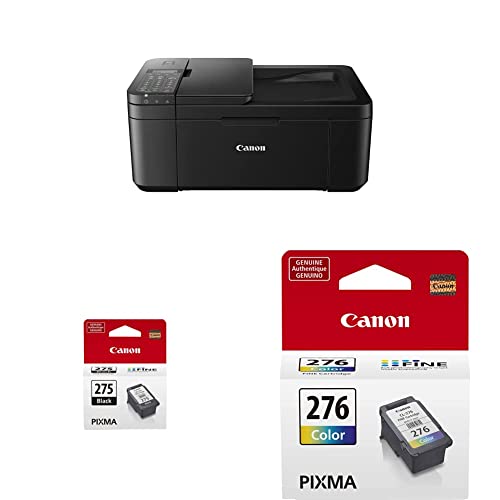
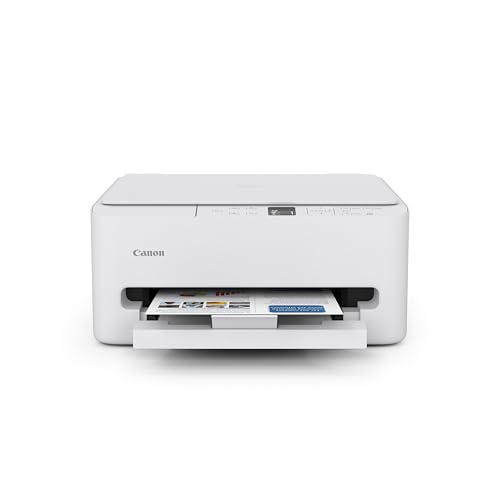


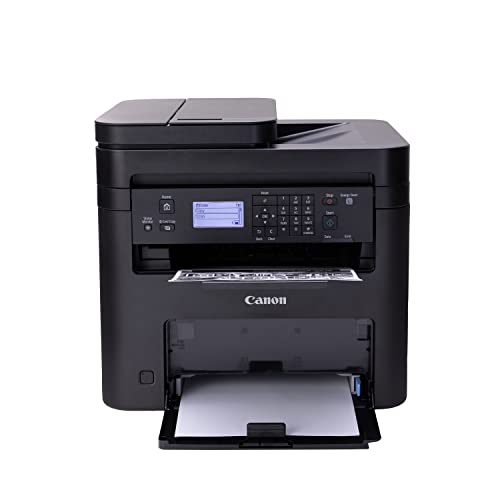

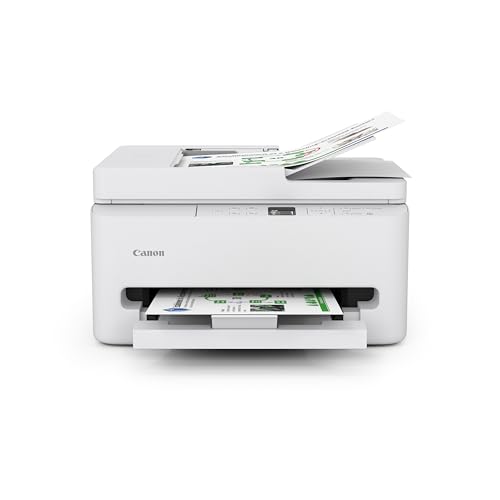


Who Should Buy Which Canon Printer?
Photo loving homes need good color accuracy, photo paper handling, and a printer that reproduces skin tones and landscapes naturally. Check photo print size options and whether the printer handles borderless prints. Ink cost for photos matters, so compare photo yield, not just document yield.
Homework and family document homes need reliable text, duplex printing, and simple wireless sharing across devices. A printer that handles school forms, worksheets, and occasional color projects without constant ink alerts will reduce daily friction for parents and children alike.
Home office users need fast, sharp documents, a decent paper tray, and scanning for contracts and receipts. Look for automatic duplex, a document feeder for multi page scans, and a printer that stays connected during a busy workday without frequent restarts.
Photo, Document, and All in One Trade Offs
Photo printers prioritize color depth and paper handling over raw document speed. They suit homes that print memories and art projects, but they can be slower and pricier per page for plain text. If you print mostly documents, a photo specialist may frustrate you with slower output.
Document printers prioritize speed, sharp text, and low cost per page. They handle homework and office files well, but photo quality may be only adequate. For occasional photos, an adequate photo result may be enough, especially if you print photos rarely.
All in one models add scanning and copying, which helps with archiving school papers and work forms. Check scan resolution and feeder capacity if you scan often, because a slow scanner can become a bottleneck even when printing is fast.
Setup, Apps, and Everyday Reliability
Setup should take minutes, not an afternoon. Check app guidance, wireless setup steps, and whether the printer reconnects after a power cut or router restart. A printer that needs frequent reconfiguration will waste more time than any speed advantage saves.
Paper handling deserves attention. Check tray capacity, envelope handling, and how the printer copes with photo paper and heavier stock. Jams and misfeeds frustrate more than slow printing, so a reliable paper path matters for every household.
Noise and size matter in a home. A printer in a shared living area should offer a quiet mode, while a printer in a study can prioritize speed. Measure the full footprint with trays open, and leave room for scanning and maintenance access.
Costs, Ink, and Long Term Ownership
Compare total cost over two or three years, including ink, paper, and any subscription. A printer with a low purchase price but high ink cost can exceed a pricier model quickly if you print often. For light users, a model that wastes little ink on cleaning cycles is a better value.
Tank and high yield options suit steady printers, while standard cartridges suit light, occasional users. Read subscription terms carefully for page rollover and cancellation, and avoid a plan that charges for pages you never print. Keep firmware updated for efficiency and security fixes.
Related Guides to Compare
For a wider view, see our guides to the best printers for home use, the best computer printers for home use, and the best inkjet printers for home use. If scanning and copying matter, compare the best multifunction printers for home use and the best aio printers for home use.
A Final Check Before You Order
Before you order, revisit the product table above with a simple print tally for a normal month. Count color pages, black and white pages, photos, and scans, then check which printer type matches that mix. A printer bought for a workload you do not have will cost more in ink or frustration than a plainer model matched to your real pattern.
Check the full cost of ownership over two or three years, including ink or toner, paper, and any subscription you might join. Compare cost per page for your mix, not just the purchase price, and read subscription terms for rollover and cancellation. For light users, a model that wastes little ink during idle weeks is often the better value.
Measure your space with trays open and the scanner lid raised, and check access to the rear for jams and to the tank or cartridges for replacement. A printer squeezed into a tight cupboard is harder to load, clean, and maintain, and paper jams become more frustrating when you cannot reach the rear easily.
Plan the setup before the printer arrives: note your wifi password, the devices that will print, and where the printer will sit relative to your router. A stable wireless connection matters more than raw speed, so try printing from each device during the first week and keep the return window in mind if a core task such as duplex printing, scanning, or photo output disappoints you.
Finally, set a simple routine from the start. Print a page if the printer sits idle, clean the paper path as directed, and keep firmware updated. A printer maintained lightly and regularly stays reliable far longer than one ignored until a problem appears.
Frequently Asked Questions
Are Canon home printers good for photos?
Canon home printers include models designed for photo quality, with good color and paper handling for prints you want to keep. For the best photo results, choose a photo focused model and use proper photo paper. Document focused models can print photos, but quality will be more basic.
How do I choose between inkjet and laser at home?
Inkjet suits color and photo printing at a lower purchase price, while laser suits sharp text and long idle periods. For a home that prints photos and school projects, inkjet often wins. For a home office printing mostly text, laser can be more reliable and economical.
What matters most for homework printing?
Reliable wireless printing, duplex output, and affordable ink matter most for homework. Children and parents need a printer that works from phones and laptops without fuss. A large paper tray and simple controls reduce interruptions during busy school evenings.
How can I reduce ink costs at home?
Use draft mode for everyday documents, duplex printing to save paper, and black and white mode for notes that do not need color. Print photos only on photo paper with the correct setting, and avoid unnecessary full color pages for simple text.
Should I buy a printer with a scanner for home use?
A scanner helps with forms, school papers, receipts, and archiving, and it saves a separate device. If you scan rarely, a basic flatbed is enough. If you scan multi page documents often, a feeder model will save significant time.
Final Thoughts
Let your monthly routine decide: photos, documents, or scanning should lead the choice. The best canon printers for home use should stay connected, print reliably, and cost sensibly over years, not just on purchase day.