Best AIO Printers for Home Use 2026: A Buying Guide
Disclosure: We may earn a commission when you buy through links on this page, at no extra cost to you. As an Amazon Associate I earn from qualifying purchases. Learn more

The best aio printers for home use compared by print costs, ink tanks, scanning, wireless setup and everyday reliability for families.
Choosing best aio printers for home use is really a choice about running costs and daily convenience, not just print quality. Most home printers print documents, school work, photos now and then, and occasional copies or scans. This guide explains how to match a printer to that mix, so you avoid high ink costs and features that sound useful but stay unused.
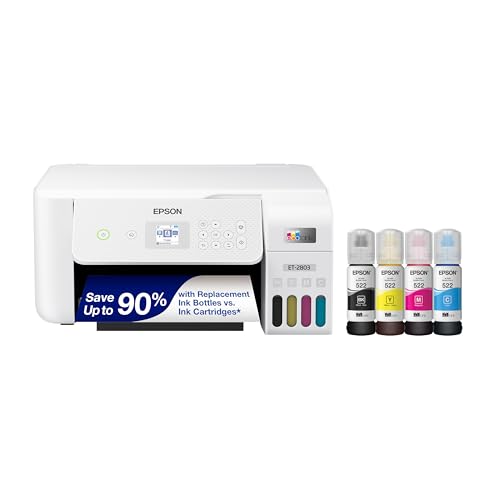
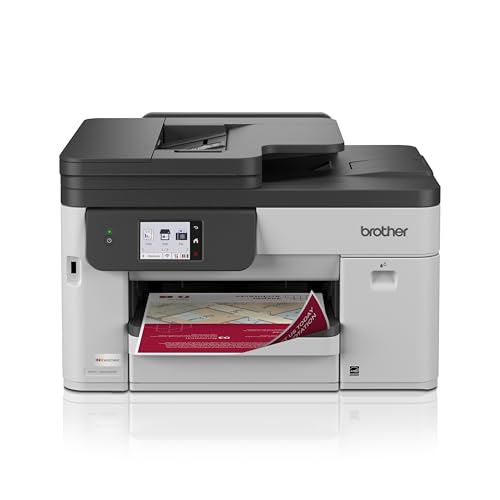
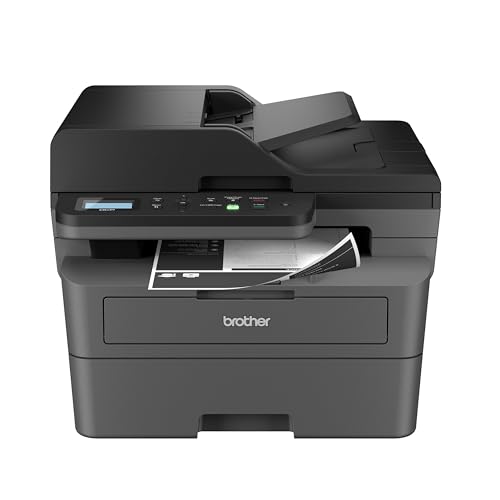
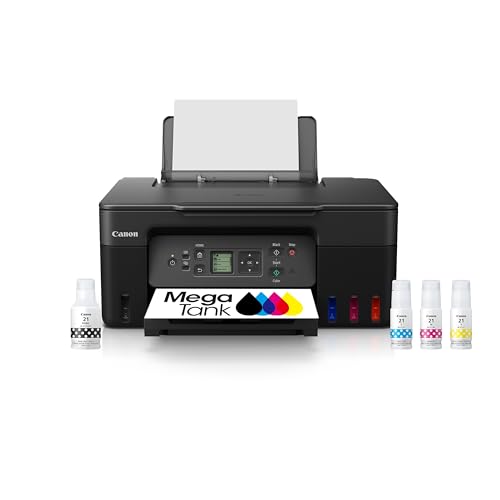
Start by counting what you print in a normal month. A household that prints a few pages a week has different needs than one that prints homework daily. The product table above shows the main types side by side, and the sections below cover who each type suits, which specs matter in plain language, and how to keep costs predictable.



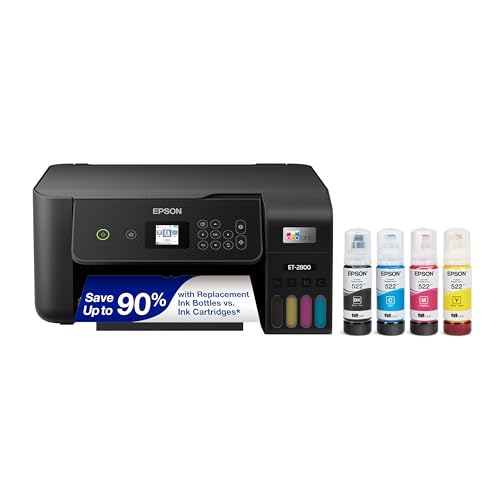
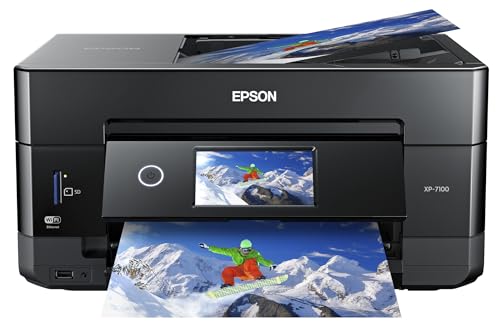
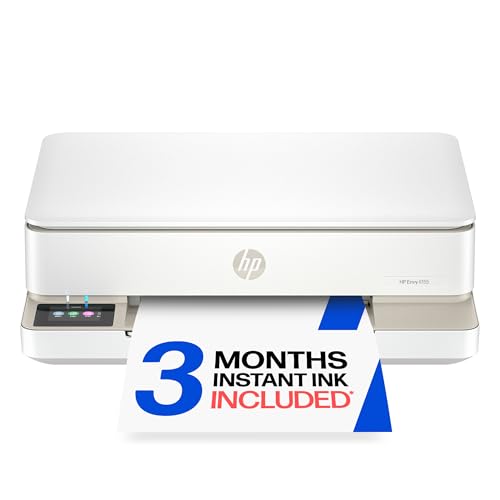
Who Should Buy Which Type
For Families and School Work
Families need easy wireless printing from phones and laptops, a simple copy function, and ink that does not run out mid assignment. A paper tray that holds a full ream reduces refills, and automatic double sided printing saves paper over a school year. Look for a clear display and simple setup, because the printer will be used by several people.
For Home Offices
A home office needs reliable document printing, scanning to email or cloud folders, and a document feeder for multi page scans. Print speed matters more here than photo quality, and a wired network option adds stability for video call days. Check monthly duty guidance so the printer is not pushed beyond its intended workload.
For Occasional Photo Printing
If photos matter, look for good colour handling on photo paper and a dedicated photo tray or borderless option. You do not need a photo specialist printer for occasional prints, but you should check ink cost per photo. A model that prints good documents and decent photos is usually the smarter home compromise.
Key Features Explained in Plain English
Ink Tanks Versus Cartridges
Ink tank printers cost more upfront but print each page for much less, which suits regular printing. Cartridge printers cost less to buy but each page costs more, which suits very light use. Estimate your monthly pages, multiply by the cost per page, and compare the total over two years rather than the purchase price alone.
Print Speed and Quality in Practice
Print speed figures describe draft documents, not everyday mixed printing, so treat them as a rough guide. For home use, sharp text and clean colour matter more than top speed. Check sample prints if possible, and remember that photo quality depends on paper choice as much as on the printer itself.
Scanning and Copying Features
A flatbed scanner suits books and identity documents, while an automatic document feeder suits multi page reports. Scan resolution beyond everyday needs adds little for home use, but scan to phone and scan to cloud options save real time. Test the copy function for everyday documents, not just single pages.
Wireless Setup and App Support
Wireless printing should work from every device in the house without frequent reconnection. Check that the maker app supports your phones and computers, and that firmware updates are simple. A printer that drops off the network often will frustrate the whole household, whatever its print quality.
How to Compare Options and Set a Budget
Budget tiers help you see the real cost. Entry models at about $60 to $130 suit light printing, but ink costs can add up quickly. Mid range models at about $130 to $280 often include better ink economy, duplex printing, and a document feeder. Tank models at about $200 to $350 cost more upfront and usually win for regular printing over two years, so compare total cost, not sticker price.
Compare options by your monthly pages, your mix of documents and photos, and your scanning needs. A printer that handles your busiest week comfortably is a better buy than one that excels at a job you do twice a year. Check ink availability and price before buying, because a bargain printer with costly ink is rarely a bargain.
Related guides can help you narrow the choice further. Read our guide to best printers for home use if that angle matters more to you. Read our guide to best computer printers for home use if that angle matters more to you. Read our guide to best multifunction printers for home use if that angle matters more to you. Read our guide to best inkjet printers for home use if that angle matters more to you. Read our guide to best ink printers for home use if that angle matters more to you.
Care, Safety and Common Mistakes
Run a nozzle check if prints show streaks, and print a test page at least every couple of weeks to keep ink flowing. Store paper dry and flat, because damp or curled paper causes most home jams. Keep the scanner glass clean for sharp copies, and update firmware only over a stable connection so an interrupted update does not disable the printer.
A common mistake is buying on print speed or photo claims alone while ignoring ink cost. Another is placing the printer far from the router, which causes dropouts that look like printer faults. Put the printer within good wireless range, keep spare ink before a busy school week, and recycle used cartridges through the maker program where available.
A Final Check Before You Buy
Before you buy, count your printing for a typical month, including school work, office documents, and photos. A printer that handles your busiest week without constant ink warnings or paper refills will feel reliable, while one sized for a quiet week will frustrate during deadlines. Write down pages per week and check ink cost against that figure, not against a vague promise of low cost printing.
Frequently Asked Questions
Should I buy an ink tank or cartridge printer?
Choose an ink tank printer if you print regularly, because the cost per page is much lower over time. Choose a cartridge printer if you print only a few pages a month, because the lower purchase price outweighs ink cost. Estimate your monthly pages first, then compare two year total cost.
How important is print speed at home?
Print speed matters less than reliability and ink cost for most homes, because home jobs are usually short. A moderate speed with sharp text and steady wireless connection serves a family better than a fast printer that drops offline. Focus on duty guidance and real world ease of use.
Do I need an automatic document feeder?
You need one if you often scan or copy multi page documents for work or school, because it saves significant time. If you mainly copy single pages and identity documents, a flatbed alone is enough. A feeder adds cost and size, so buy it only for regular multi page work.
Can one printer handle photos and documents well?
Yes, most modern all in one printers handle documents well and photos acceptably on photo paper. Dedicated photo printers give finer photo detail, but they cost more per print and suit keen photographers. For occasional photos, a good all in one is the practical home choice.
Why does my printer keep going offline?
Wireless dropouts often come from weak signal, router changes, or power saving settings rather than a broken printer. Place the printer closer to the router, assign a stable network, and check the maker app for firmware updates. A wired connection removes most dropout problems for a desk based printer.
Final Thoughts
The right home printer is the one whose running costs fit your monthly pages and whose scanning and wireless features match your household. Compare ink economy first, then ease of use, and use the product table above for a final side by side check. Chosen this way, best aio printers for home use stops being a confusing shelf of similar boxes and becomes a reliable part of home life.