
Best Canon Pocket Cameras for 2026: Which One Fits the Way You Use It?
Disclosure: We may earn a commission when you buy through links on this page, at no extra cost to you. As an Amazon Associate I earn from qualifying purchases. Learn more

Compare the best canon pocket cameras by sensor, zoom, screen and video features to match a small body to how you shoot.
There is no single Canon camera that suits every pocket and trip. The best canon pocket cameras for you depend on how you actually shoot, whether that means quick family snaps, travel scenes, school events, or short videos for sharing online. A small body only helps if the lens, sensor, and controls match your habits.
Start with your main use, then check the sensor, zoom range, and screen before price. If you want a wider view of the market first, see our guide to the best pocket cameras from all brands. Then use the comparison table below to narrow the Canon options by size, video needs, and how much control you want.


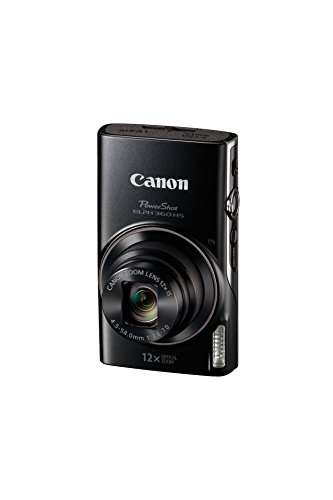
Who Should Buy Which Canon Pocket Cameras?
Your routine should decide the camera type, because a student, a creator, and a traveler each need different strengths from the same small body.
For Students and Everyday Users
You need a camera that starts fast, focuses without fuss, and lasts through a school day on one charge. Prioritize simple auto modes, clear menus, and a lens that covers wide group shots and modest zoom for stages. A lower price matters more than manual dials. If this is your first dedicated camera, see our guide to the best canon cameras for beginners for the basics in plain terms.
For Creators and Vloggers
You need clean video for calls, lessons, and short clips, plus sound and framing you can trust without a crew. Prioritize a screen that flips toward you, reliable face tracking, a microphone input or good built in microphones, and steady WiFi transfer. A bright lens helps you look clear in ordinary room light. Choose a model built for video work rather than one that treats video as an extra.
For Enthusiasts and Power Users
You need control over exposure and focus, plus files that hold up when you edit them later. Prioritize a larger sensor, manual controls you can reach quickly, RAW capture, and a fast objective lens with a wide maximum aperture. Optical zoom still matters, but lens speed and sensor size will shape your results more. Accept a slightly larger body and higher price in exchange for stronger image quality and creative freedom.
For Travelers and Commuters
You need a camera that slips into a jacket pocket, survives daily bumps in a padded case, and is ready before a scene passes. Prioritize low weight, a secure grip, a zoom range that covers street scenes and distant details, and USB charging from a power bank. Long battery life matters on days away from an outlet. A simple strap loop and compact case add protection without bulk.
Key Features to Compare
When you compare the best canon pocket cameras side by side, look past the megapixel count. The five factors below explain most of the real difference in your photos and videos.
Sensor Size Inside a Pocket Sized Canon
Sensor size controls how much light the camera gathers, and that affects detail, color, and noise more than megapixels alone. Many pocket models use a 1 inch sensor, while smaller and cheaper ones use a sensor near 1/2.3 inch. The larger sensor gives cleaner indoor shots and detail that holds up when you crop. If you print or edit often, choose the larger sensor. If you mainly share small images online, the smaller sensor can still serve you well.
Shooting in Dim Light With a Pocket Camera
Low light results come from a bright lens aperture, a capable sensor, and processing that controls noise at high ISO settings. A lens rated near f/1.8 or f/2.8 at its wide end lets in far more light than one near f/3.5, so shutter speed can stay faster and faces stay sharper. If most of your photos happen at dinners, concerts, or evening walks, pay for the brighter lens first.
Autofocus and Stabilization
Autofocus decides whether the camera locks onto your subject before the moment changes. Look for face and eye detection for people, and a touch screen that lets you tap to focus where you want. Image stabilization steadies the lens to reduce blur from hand shake, which helps most in dim light and at longer zoom. For walking video, electronic stabilization smooths motion further, though it may crop the frame slightly.
Shots Per Charge and USB C Top Ups
Battery ratings are usually given as shots per charge, often about 250 to 400 shots for this class, and video drains power much faster than stills. Check whether the camera charges by USB C, because that lets you top up from a laptop or power bank. A spare battery is a smart buy for travel days. Cold weather shortens battery life, so keep a spare warm in an inside pocket in winter.
Size, Build and Everyday Handling
A pocket camera only earns its name if you carry it without thinking about it, so check weight and thickness with the lens closed. A textured grip, a lens ring you can turn with one finger, and buttons you can find by touch make daily use easier. Most Canon pocket models are not sealed against rain, so plan on a padded case and keep the camera dry.
Matching Zoom, Screen and Controls to Your Shooting Style
Zoom range shapes what you can frame without moving. A modest 3x to 5x optical zoom suits street scenes, food, and portraits near you. A longer 10x or greater range helps at zoos and landmarks, but long zoom models are often thicker and may use a smaller sensor. Digital zoom only crops the image, so judge a camera by its optical zoom and magnification range, not the digital number on the box.
Screens and controls deserve the same care. A tilting screen helps with low angle shots of pets and children, while a fully flipping screen suits creators who film themselves. Touch focus is fast for casual use, but a control ring gives enthusiasts quicker changes to exposure. Picture your most common shot and ask which layout would make it easiest.
If you are deciding between a pocket model and a larger body, see our guide to the best digital cameras for the broader picture, and our guide to the best canon cameras for Canon options beyond pocket size.
Common Mistakes to Avoid When Buying Canon Pocket Cameras
- Choosing by megapixel count alone, because a high number on a tiny sensor still gives noisy indoor photos.
- Ignoring lens aperture, because a slow lens forces high ISO settings and softer faces in dim rooms.
- Buying the longest digital zoom, because digital zoom crops the image and throws away detail you cannot recover.
- Skipping the microphone and screen check for video, because poor sound and a fixed screen make clips harder to record well.
- Forgetting a case, spare battery, and memory card in your budget, because the camera alone is not ready for a full day out.
- Picking a body too large for your pocket, because a camera left at home takes no photos at all.
Setup and Care Tips for Canon Pocket Cameras
On day one, set the date and time, format the memory card in the camera, and turn on grid lines to keep horizons level. Choose the highest quality JPEG setting, or RAW plus JPEG if you plan to edit. Pair the camera with your phone by WiFi at home, not when you first need to share a photo.
For care, wipe the lens with a clean lens cloth, not your shirt, because shirt fabric can hold grit that scratches coatings. Store the camera in a dry, padded bag away from sand and loose coins, and remove the battery if you will not use it for several weeks.
FAQs
How much should I spend on a first Canon pocket camera?
Most first time buyers do well at about $300 to $600. In that range you can expect a capable sensor, useful optical zoom, and 4K video on many models, without paying for pro level controls you may not use. Keep about $40 to $80 aside for a card, case, and spare battery. Spending more makes sense mainly if you shoot often in low light or plan to edit RAW files.
Is a smartphone enough instead of a Canon pocket camera?
A smartphone is enough for casual snaps in good light, and it wins on sharing speed. A Canon pocket camera pulls ahead when you need real optical zoom, stronger results in dim light, or a flip screen and microphone support for video. It can also keep shooting after your phone needs its charge for calls and maps. Choose based on how often those limits frustrate you now.
What does optical zoom mean on a Canon pocket camera?
Optical zoom means the objective lens physically changes focal length to bring distant subjects closer while keeping full image quality. A 5x zoom frames a subject about five times larger at its longest setting than at its widest. This differs from digital zoom, which simply enlarges the center of the image. For sports days and travel details, a longer optical range gives framing choices that cropping later cannot match.
Which Canon pocket camera features matter most for low light photos?
A bright lens and stabilization matter most, because together they let you use a slower shutter speed without blur while keeping ISO lower. A helpful extra is a night scene mode that blends several quick frames into one cleaner image. Also look for a small built in flash with adjustable strength for close subjects, since gentle fill light can save indoor portraits without washing out faces.
What specs matter most for beginners buying a Canon pocket camera?
Beginners should focus on sensor size, a simple auto mode, and a screen that is easy to read outdoors. One spec many new buyers miss is the minimum focusing distance, because a camera that focuses close lets you capture food, flowers, and small details without blur. Fast start up time also helps, since a slow waking camera can miss candid moments at family events.
Final Thoughts
Match the camera to your routine first. Students should value simplicity and price, creators should value the screen, sound, and autofocus, and travelers should value size, zoom, and charging. Sensor size, lens brightness, and stabilization shape results more than any headline number. When you are ready, review the best canon pocket cameras in the product table above and choose the type that fits how you shoot.

