
Best Canon Cameras Under 1000 in 2026: Everything to Know Before Your First Purchase
Disclosure: We may earn a commission when you buy through links on this page, at no extra cost to you. As an Amazon Associate I earn from qualifying purchases. Learn more

Shopping for Canon cameras under $1000 for the first time? Learn sensor, lens and autofocus terms, compare camera types, and avoid common rookie mistakes.
Buying your first Canon camera should feel exciting, not confusing. The best canon cameras under 1000 give you clearer photos than a phone, real control over focus and light, and room to grow as you learn. This guide starts with plain language basics, then walks through the choices that matter most at this budget so you can read the comparison table below with confidence.
Keep one idea in mind from the start. Your budget has to cover more than a camera body. A lens, a memory card, and a spare battery all belong in the same plan, and the sections below show how to split about $1000 without leaving out something you need on day one.

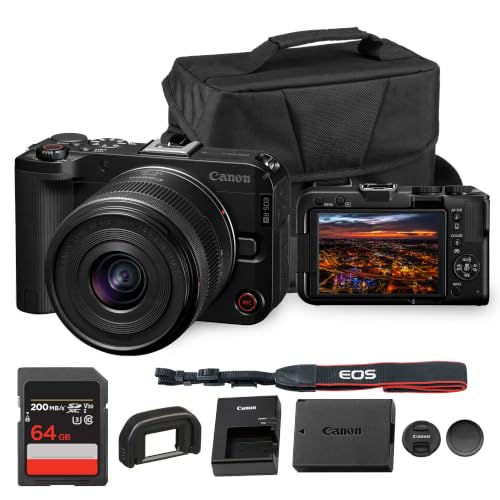


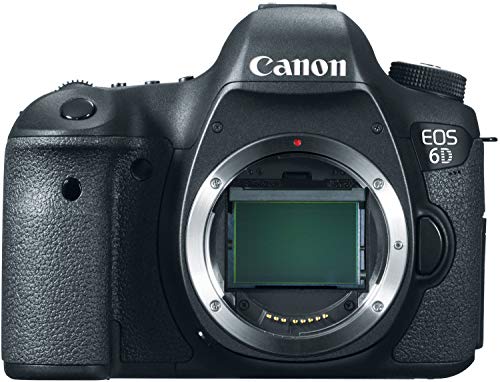


Who Should Buy a Canon Camera Under $1000?
Canon suits first time buyers who want strong automatic help now and manual control later. Your main subject and how you plan to carry the camera should decide the type you choose.
First Time Buyers Moving Beyond a Phone
You want sharper family photos, cleaner indoor shots, and backgrounds that blur softly behind a face. Choose guided menus, a touch screen, and reliable face detection so early photos succeed while you learn. A kit you will carry beats a larger kit that stays home.
Students and Hobbyists Learning Manual Control
You want to practice aperture, shutter speed, and ISO instead of tapping a screen and hoping. Choose clear manual modes and a lens mount with affordable lenses. That mix lets you add a bright prime lens later without replacing the camera.
Parents and Travelers Who Shoot Indoors and on the Move
You shoot birthdays in dim rooms, school events from a distance, and trips where you walk all day. Choose image stabilization, good high ISO results, and a size you can hold for an hour. A tilting screen helps for low shots of children and group photos on a tripod.
Key Features to Compare
Read each spec by asking what it changes in a real photo. When you compare best canon cameras under 1000, that habit keeps a long spec list from hiding a weak fit for your subjects and your budget.
What You Can Realistically Get for Under $1000
At this budget you can expect a solid APS C body with a kit zoom, or a capable compact with a fixed lens, plus a card and a spare battery if you plan carefully. You give up the largest sensors and premium weather sealing found above this price. Do not cut the lens to chase a body alone, because a body without a lens cannot take a photo.
APS C Sensors and Pleasing Background Blur
Sensor size shapes detail, depth of field, and clean results after dark. Most Canon choices under $1000 use an APS C sensor, much larger than a phone sensor, which gives pleasing background blur with the right lens. One inch compacts sit below that but still beat most phones. Megapixels matter less, so a modest count on a larger sensor often looks better printed and cropped.
Eye Detection and Steady Shots Indoors
Autofocus decides whether eyes, pets, and moving children stay sharp. Look for face and eye detection and simple subject tracking you can turn on without digging through menus, because a system you understand is one you will use. Image stabilization helps at slower shutter speeds indoors, though it cannot freeze a child who runs across the room.
Video Capabilities for Vlogging and Family Clips
Many Canon models at this price record 4K video, but check the details before you pay for the label. Some cameras crop the view in 4K or limit clip length, and a microphone input and a screen that flips forward matter more for vlogging than a headline number. If video is your main use, see our guide to the best cameras for videography under 1000.
Low Light Performance and Lens Aperture
Low light results come from the sensor and the lens together. A wider aperture, shown as a smaller f number such as f1.8 or f2.8, lets in more light and keeps ISO lower, which means less grain. Raising ISO helps in a dark room, but very high settings soften detail, so a bright lens is often the smarter later upgrade.
Lens Mount, Zoom Range, and Weather Sealing
The lens mount decides which lenses fit and what upgrades cost. Canon mirrorless cameras use RF and RF S lenses, while DSLR bodies use EF and EF S lenses, and the families need an adapter to mix. A kit zoom around 18 to 55 mm or 15 to 45 mm covers groups, travel, and portraits. Basic weather sealing helps in light rain, but most kits under $1000 are not weatherproof, so dry the camera after wet use.
Canon Camera Types Compared: DSLR, Mirrorless, and Compact
Mirrorless cameras are where Canon now puts most new development. They focus through the sensor, show exposure in the electronic viewfinder before you shoot, and tend to be smaller than DSLR bodies. For most first time buyers, a mirrorless kit gives the best balance of size, autofocus help, and lens choice.
DSLR cameras use a mirror and an optical viewfinder, feel larger in the hand, and often run longer on one charge. Their lens range is wide, which can lower upgrade costs. If you are weighing that route, see our guide to the best dslr cameras under 1000 for the trade offs in size and focusing.
Compact cameras keep the lens fixed to the body, so there is nothing to change and little to carry. They suit travel where simplicity matters more than growth. Readers comparing every format can also see our guide to the best cameras under 1000 and our guide to the best digital cameras under 1000 before deciding.
Charging, Card Setup and Your First Outing
Charge the battery fully before your first outing, then format a new memory card inside the camera so the file system matches what the camera expects. Set the date and time right away, because correct dates make sorting photos by trip or school term far easier later.
Start in full automatic mode for your first walk and watch what settings the camera picks in sun, shade, and indoor light. Then try aperture priority for portraits and shutter priority for sports. Clean the lens only with a soft lens cloth, never your shirt, and carry a spare battery, because video and cold weather drain a charge faster than stills.
Common Mistakes to Avoid
Most first purchase regrets come from budget and fit, not from image quality.
- Spending the whole $1000 on a body alone leaves no money for a lens, so the camera sits unused until you spend more.
- Chasing the highest megapixel count leads you to ignore sensor size, so low light photos still look grainy.
- Buying three extra lenses at once wastes money on focal lengths you may never use once you learn your habits.
- Ignoring camera size and grip comfort means a strong kit stays home because it feels awkward to carry.
- Trusting a 4K label without checking crop and microphone input leaves vlog clips cramped and audio thin.
Care and Maintenance for Canon Cameras
Store your camera in a dry bag away from bathroom steam and car heat, and let a cold camera warm up inside a sealed bag after winter shooting so moisture forms on the bag instead of the lens. Use a hand blower for dust on the lens before you wipe, because wiping grit across glass can scratch the coating.
Keep lens caps on, change lenses with the camera facing down and switched off to reduce dust reaching the sensor, and never touch the sensor yourself. If spots appear in the same place on every photo, book a professional sensor cleaning.
FAQ
Can you get a good Canon camera for under $1000?
Yes, you can get a good Canon camera for under $1000, especially as a kit with one zoom lens. Expect strong stills, useful automatic modes, and video that suits family clips. What you will not get is a new full frame body with a lens at this price, so judge kits by total value.
What does 18 to 55 mm mean on a Canon kit lens?
Those numbers describe the zoom range of a Canon kit lens, from a wider view at 18 mm to a shorter portrait view at 55 mm. At 18 mm you can fit a room or a group, while 55 mm brings a face or a distant sign closer. On an APS C body the view looks tighter than the numbers suggest, which helps for portraits.
Which Canon camera type is better for low light photos under $1000?
An APS C mirrorless or DSLR body paired with a bright lens is usually better for low light photos under $1000. The lens choice matters as much as the body, and a single f1.8 prime can transform dim room results. A tripod also helps for still subjects such as buildings at night, where you can keep ISO low without blur from movement.
Is a smartphone enough instead of a Canon camera under $1000?
A smartphone is enough for quick sharing, but a Canon camera gives you optical zoom choice, stronger subject separation, and controls that stay consistent as light falls. The gap shows most in printed photos, fast moving subjects, and deliberate practice. If you only post small images in bright light, keep the phone and save the money.
How much should I spend on my first Canon camera and lens?
Spend most of your budget on the camera and kit lens, then reserve a smaller share for a card, a spare battery, and a bag. A sensible split leaves about $100 to $200 for those essentials. Renting a lens for one trip can teach you more than buying a second lens in haste.
The Bottom Line
For a first Canon purchase, put sensor size, autofocus you can understand, and the right lens mount ahead of headline numbers. Pick the type you will carry, keep the total kit under $1000, and leave room for a spare battery and a card.
With those points settled, the best canon cameras under 1000 become a short and manageable list rather than a wall of specs. Use the product table above to confirm kit contents and total price, then choose the camera that fits your subjects and your hands.


