
Best Canon Cameras for Videography in 2026: Types Compared and How to Choose
Disclosure: We may earn a commission when you buy through links on this page, at no extra cost to you. As an Amazon Associate I earn from qualifying purchases. Learn more

Compare the best canon cameras for videography by type, from mirrorless and cinema bodies to camcorders and vlogging compacts, with price bands and advice.
Choosing a video camera inside one maker range can feel confusing, because the same badge covers pocket vlogging compacts, hybrid mirrorless models, and dedicated cinema tools. This guide compares the best canon cameras for videography type by type, so you can match a body style to the way you actually shoot. No single type wins at everything, and the right pick depends on your subjects, your venues, and how long your takes tend to run.
The comparison table below lays out the main types side by side with typical prices. After that, each type gets a plain explanation of its strengths and limits, followed by the choosing factors that matter most for production and longer form work. Shoppers comparing the best canon cameras for videography will find that the right type matters more than any single spec.

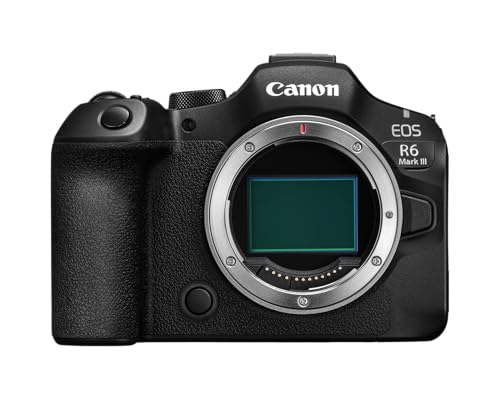


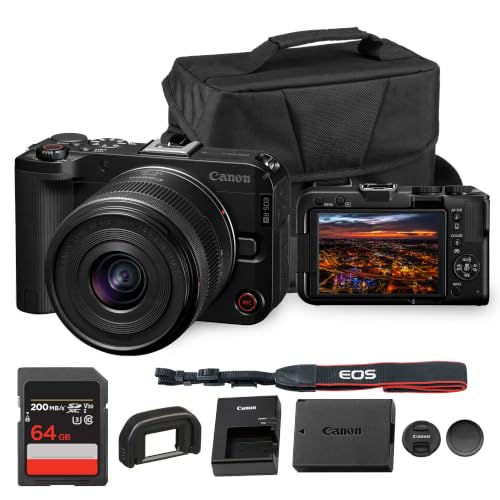
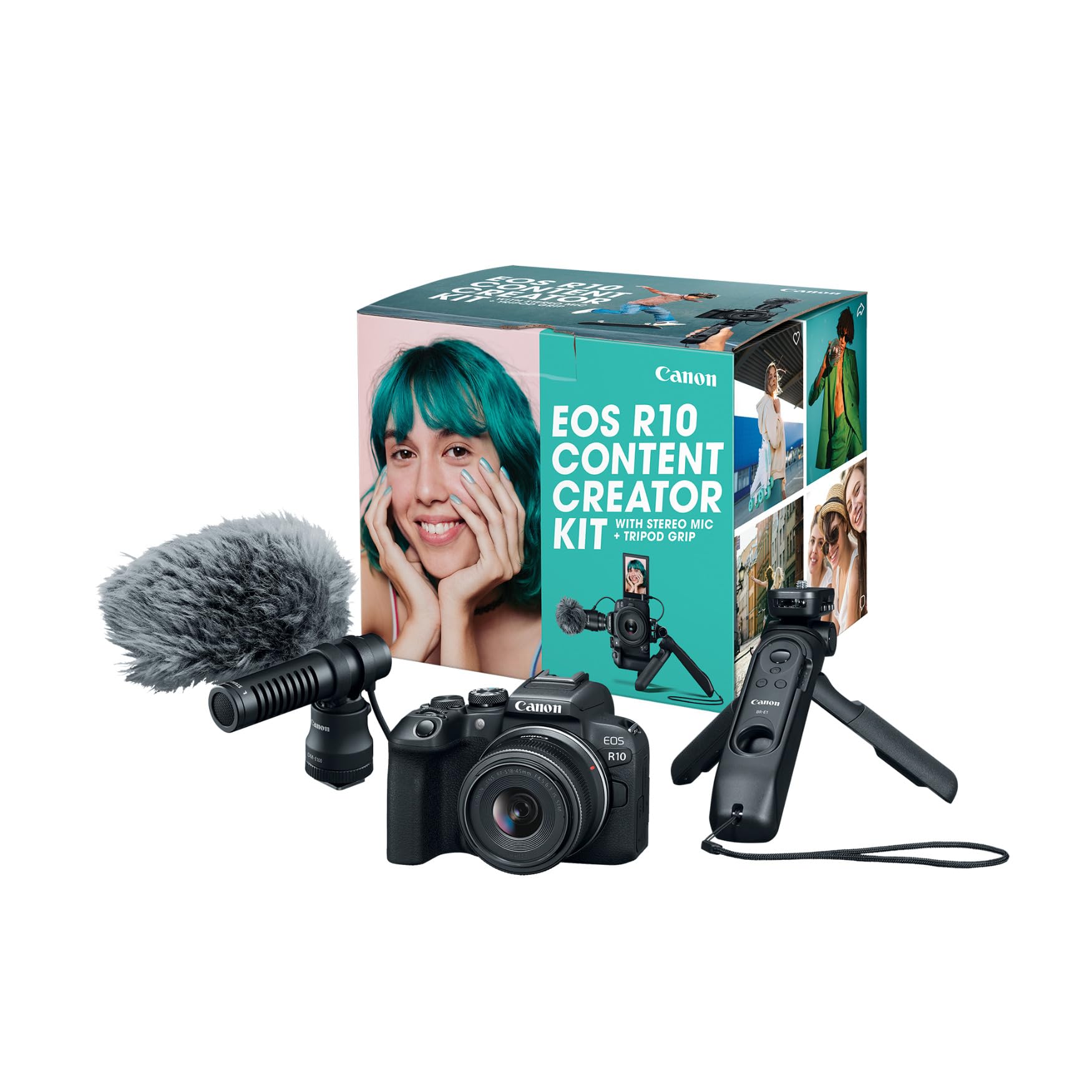

Types of Canon Cameras for Videography Compared
Four body styles cover nearly every video job in this maker range. The table gives the short version first, and the sections under it explain how each style behaves on a real shoot. If you want the wider picture across every maker, our guide to the best cameras for videography covers the full field.
| Type | Best For | Pros | Cons | Typical Price |
|---|---|---|---|---|
| Mirrorless | Hybrid shooters and creators | Interchangeable lenses, strong autofocus | Recording limits on some bodies | about $700 to $3,000 |
| Cinema | Production and event crews | Built for long takes and pro audio | Larger, costlier, fewer photo features | about $2,500 to $8,000 |
| Camcorder | Events, lectures, long takes | Long record times, built in zoom and audio inputs | Fixed lens, larger body | about $1,200 to $2,700 |
| Vlogging compact | Solo creators and daily clips | Light, simple, flip screen | Limited lens choice and depth control | about $400 to $900 |
Mirrorless Cameras
Mirrorless bodies are the main stream choice for video in this range, and the default starting point for most buyers. They pair interchangeable lenses with fast, confident autofocus that tracks faces and eyes while you move. Sensor options run from compact sizes up to full frame, so low light ability scales with your budget.
Our overview of the best canon cameras covers the full stills and video lineup from this maker. The main watch out is heat and clip length on long recordings, covered in the choosing section below.
Cinema Cameras
Cinema bodies are built for video first and stills second, if at all. They add features production crews rely on, such as built in neutral density filters and professional audio inputs with proper level controls. Larger cooling paths let them record long takes without heat warnings.
The trade offs are size, weight, and price. A cinema body makes sense when video is the paid job, not a side task.
Camcorders
Camcorders are the one Canon type made for video first and stills second. A built in zoom lens, long record times, and audio inputs with proper level controls make them the default for ceremonies, lectures, and live events that run for hours. The cost of that convenience is a fixed lens and a bigger body than a compact.
For fast moving subjects, our guide to the best cameras for sports videography explains frame rate choices in more depth.
Vlogging Cameras
Vlogging compacts trade lens choice for simplicity and size. A screen that flips to face you, reliable face tracking, and a wide lens for arm length framing make solo recording easy. Most use a fixed lens and a smaller sensor, so they suit bright rooms, streets, and travel days better than dark venues.
Mirrorless Cameras vs Camcorders: Which Should You Choose?
These two types sit at opposite ends of the range, so the choice comes down to how you shoot. On image quality and lens choice, mirrorless wins clearly, thanks to larger sensors and real lenses. On record time and handling over long events, camcorders win, since they are built to run for hours without heat warnings.
For audio, both accept external microphones, though a camcorder often adds balanced inputs. Choose mirrorless as your main camera for controlled, creative work. Choose a camcorder when the job is long, seated, and scheduled.
How to Choose the Right Canon Camera for Videography
Picture Profiles and Grading Flexibility
A flat picture profile decides how much grading a clip can take in editing later. The flatter the profile a body offers, the more room you have to shape color and contrast in post production without the image falling apart. Profiles with a log curve record a wider brightness range, which protects highlights on bright stages and windows.
If you deliver footage straight from the camera with no editing, a standard profile looks better at once.
Focus Aids for Manual Focus Work
Many video shooters focus by hand, and the aids a body provides decide how reliable that work feels. Focus peaking paints a colored edge on the parts of the frame that are sharp. A magnification assist zooms the view so you can confirm focus before rolling.
A good focus aid improves manual focus accuracy more than lens price does. Touch focus and smooth focus pulls help when you work alone.
Recording Limits and Long Events
A record limit decides whether a long event can be filmed in one unbroken take. Some stills first bodies stop a clip at about 30 minutes, which is fine for songs and speeches. Ceremonies, lectures, and full matches are a different story, and heat limits can end a recording even sooner in warm rooms.
Cinema bodies and some mirrorless models record without that cap or for far longer. If your work is long form, read the recording limit before anything else. Plan a second body or an external recorder as backup.
Sensor Size and Low Light Performance
Sensor size shapes low light results more than megapixel counts do. Full frame sensors gather the most light and give the shallowest depth of field, while APS C sensors balance size and price. A 1 inch sensor keeps bodies small while still beating a phone.
More megapixels do not automatically mean better video, and many bodies sample the whole sensor down to a cleaner 4K image. Readers weighing stills alongside video can compare formats in our guide to the best photography canon cameras. The broader format picture sits in our roundup of the best digital cameras.
Ease of Use for Your Skill Level
Guided auto modes, clear touch menus, and phone apps for transfer and remote control all shorten the learning curve. Beginners should value a body that gets exposure right without help. Experienced shooters often prefer direct dials for aperture, shutter, and gain instead.
What matters is that the controls match how fast you need to react when a moment happens once and will not repeat.
Care and Maintenance Tips
Clean the lens with a proper lens cloth, never your shirt, since gritty fabric scratches coatings over time. Carry a spare battery and a second memory card on every shoot, because video drains both far faster than stills do. Store the body in a dry, padded bag away from direct heat, and keep the sensor cap on whenever a lens is off. Wipe down the body after beach or rain work.
Frequently Asked Questions
What features matter most in a Canon camera bought mainly for videography?
An external microphone input and a headphone socket matter most, because poor audio ruins more videos than modest image quality ever does. Clean audio you can monitor while recording beats a small gain in resolution. After audio, look at autofocus you can trust, a screen you can angle toward yourself, and battery life that covers your longest planned take. Those points decide daily satisfaction far more than headline specs.
What specs matter most for beginners choosing a Canon videography camera?
Reliable autofocus and simple auto exposure matter most for beginners, since they keep early footage usable while skills grow. A kit lens that covers wide to short telephoto views removes the pressure to buy more glass at once. Ignore maximum ISO figures and huge megapixel counts at this stage. A flip screen and menus you can learn in a weekend will teach you more than any single advanced spec.
What frame rate should I choose for slow motion on a Canon camera?
Recording at 60 frames per second and playing back at 30 gives smooth half speed motion, which suits most sports and product shots. Higher rates such as 120 frames per second slow action to a quarter speed but often reduce image quality or crop the sensor area. Check what the body offers at your chosen resolution, since the fastest rates are often limited to lower resolutions. Plan the playback rate before the shoot, not in the edit.
Is a smartphone enough instead of a Canon camera for videography?
A smartphone is enough for casual clips, quick social posts, and learning basic framing. It falls behind when you need real zoom reach, clean low light footage, shallow depth of field, or long recordings without heat warnings. A dedicated camera also gives you proper microphone inputs and swappable batteries. Many creators start on a phone, then add a camera when one of those limits starts costing them footage they cannot reshoot.
How much should I spend on a first Canon videography camera?
Most first time buyers land between about $700 and $1,500 for a mirrorless body with a kit lens, which covers learning and serious hobby work well. Budget extra for a microphone, a spare battery, and a fast memory card, since video needs all three from day one. Spending more mainly buys low light strength and longer recording limits. If your subjects are bright and your clips are short, the lower end of that band is a sensible start.
Which Canon camera type is better for low light video?
A full frame mirrorless body is better for low light video than the other types in this range. Its larger sensor gathers more light per pixel, so footage stays cleaner at high sensitivity settings. The lens matters almost as much, since a fast aperture gathers far more light than a slow kit zoom.
Vlogging compacts and camcorders trail here because their small sensors trade light gathering for size. In dark venues, add light before you raise sensitivity.
Final Thoughts
Start with the type that matches your work: mirrorless for flexible hybrid shooting, cinema for paid long form production, camcorders for long events, and compacts for solo clips. Then weigh the grading room you need, the focus aids that suit your style, and any recording limit that could cut a long event short. Used well, the best canon cameras for videography are the ones that fit your subjects and your venues. The comparison table above shows the types at a glance.


