Best Canon Cameras for Low Light in 2026: What Your Money Really Gets You
Disclosure: We may earn a commission when you buy through links on this page, at no extra cost to you. As an Amazon Associate I earn from qualifying purchases. Learn more

Compare Canon cameras for low light at every price point, learn which sensor, lens, and focus features matter after dark, and spend with confidence.
Dim rooms, evening streets, and indoor events ask a lot from a camera, and the best canon cameras for low light are the ones that keep detail and color when the light drops. Prices on the market cover a very wide range, so it helps to know where extra spending truly changes your results and where it only adds features you may never use. This guide explains the price levels in plain language, so you can match your budget to the kind of dim light shooting you actually do.
Think first about your usual scenes. A quiet dinner indoors, a concert hall, and a night walk all count as low light, but they need different strengths. Some cameras handle slow, still subjects well, while others need faster focus and steadier handling for moving people. Use the sections that follow to weigh sensor size, lens brightness, focus, and stabilization before you look at price alone.

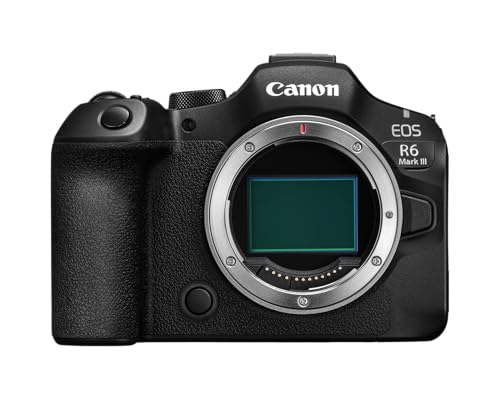


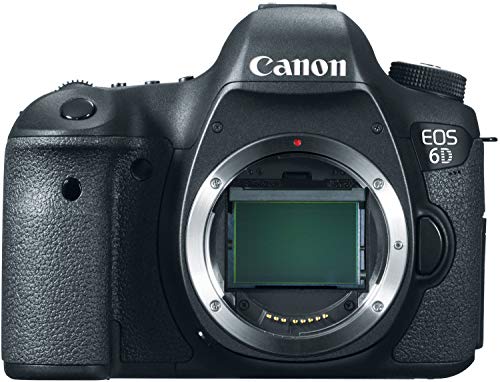
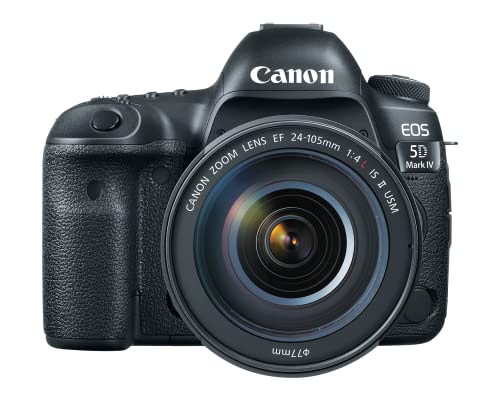


Spending Levels for Low Light
Price tiers in this guide describe what is typical at each level, not a ranking of individual cameras. A lower cost camera can be a smart choice for learning and for casual evening photos, while a higher cost camera may suit a reader who shoots often in very dark rooms and wants cleaner files. Read each level for its trade offs, then decide which limits you can live with.
Lower Cost Choices
At a lower cost, expect a smaller sensor, a kit lens with a modest maximum aperture, and useful but basic stabilization. You can still get pleasing photos in a lit room or near a window, especially if your subject stays still and you use a steady hand or a small support. Noise will show sooner as light falls, and fast moving subjects may blur, so keep expectations realiztic for dark halls and night streets. Look for a camera that lets you control sensitivity manually, since that control helps you balance brightness against noise.
Middle Cost Choices
In the middle range, you usually gain a larger sensor, better high sensitivity performance, and faster, more reliable focus in dim light. Lenses also open wider, which lets in more light and helps keep shutter speeds fast enough for people who move. This level suits readers who shoot indoors often, attend events, or want cleaner evening photos without jumping to the highest prices. You may still need to accept some noise in very dark scenes, but files will hold up better when you brighten shadows later.
Higher Cost Choices
At a higher cost, expect a large sensor, strong low light focus, effective stabilization, and cleaner files at high sensitivity settings. These cameras also tend to offer better weather sealing and longer lasting controls, which matter if you shoot outdoors at night in rain or cold. The gain is most clear for fast action in dark venues and for large prints from evening photos. If you only shoot occasional indoor snapshots, this level may add cost without a matching gain in everyday results.
What Your Money Gets You at Each Price Tier
Price is a useful starting point, but it is not a score for image quality on its own. A camera with a larger sensor and a bright lens can outperform a pricier body paired with a slow lens, so judge the whole system. The paragraphs below restate the tiers in practical terms, with attention to what changes in real evening use.
What to Expect When You Spend Less
Lower cost options often use a smaller sensor and a lens that gathers less light, so you will lean more on steady holding, nearby light sources, and careful timing. They can still serve well for family gatherings, restaurants, and well lit rooms. Plan to shoot near windows or lamps when you can, and avoid expecting sharp action shots in a dark hall. A spare battery and a memory card with fast write speed will help more than an extra feature you rarely touch.
The Middle Ground for Most Evening Shooters
The middle range is where many evening shooters find the best balance between cost and clean dim light files. Sensors are larger, focus locks more surely on faces in low light, and stabilization helps with slow shutter speeds. You also get more lens choices, including bright prime lenses that gather far more light than a standard kit lens. If you shoot weekly in dim rooms, this range is often the most sensible place to settle.
When Higher Spending Makes Sense
Higher spending makes sense when you shoot often in very dark places, print large, or need dependable focus on moving subjects after sunset. Larger sensors keep more detail when you raise sensitivity, and stronger stabilization lets you use slower shutter speeds for still scenes. Weather sealing and robust build also add value for outdoor night work. Spend here only if those gains match scenes you shoot often, not scenes you imagine shooting once a year.
Features Worth Paying For and Ones to Skip
Low light performance comes from a small set of features working together. Sensor size, lens brightness, focus, and stabilization matter most, while megapixel count alone tells you little about evening results. Use this section to rank features by how much they change a dim light photo.
Sensor Size and Image Quality
A larger sensor gathers more light for each picture element, which usually means cleaner files and smoother tones in shadows. Common sizes include 1 inch, APS C, and full frame, with larger sizes generally performing better as light falls. Megapixel count does not tell the whole story, since a high count on a small sensor can still show noise sooner. Choose sensor size by weighing cost, camera size, and how large you print, not by chasing the highest number on a spec sheet.
Features That Matter for Low Light
For dim scenes, look for a bright maximum aperture, good high sensitivity handling, and a sensor that keeps color true when you brighten dark areas. A lens that opens to a wide aperture gathers more light and helps you keep shutter speeds fast enough to avoid blur. In body stabilization also helps for still subjects, since it lets you use a slower shutter speed without camera shake. Together, these traits matter more than a long zoom range or a fancy scene mode.
Durability and Weather Sealing
Weather sealing helps when you shoot outdoors at night in drizzle, dust, or cold, but it does not make a camera waterproof on its own. Sealed controls and lens mounts resist moisture better than unsealed designs, yet you should still protect the camera in heavy rain. For indoor use, sealing matters less than grip, button layout, and a viewfinder you can see clearly in the dark. Do not pay extra for rugged sealing if your shooting stays indoors.
What You Can Realiztically Get on a Budget
On a budget, expect solid results in moderately dim rooms and softer, noisier results in very dark halls. You may give up the widest aperture lenses, the fastest low light focus, and the cleanest high sensitivity files. Do not cut corners on a lens that suits your subject, since a bright lens can lift a modest body more than a costly body with a slow lens. A camera around $500 can serve a new evening shooter well, while a camera around $1,000 to $1,500 often adds the sensor and focus gains described above.
Autofocus and Stabilization
Focus in dim light needs contrast and light to lock on, so look for focus that works well on faces and eyes in a dark room. Eye focus helps for portraits and events, while tracking helps when a subject moves across the frame. Stabilization in the body or lens reduces shake for still subjects, but it cannot freeze a moving person, so shutter speed still matters for action. Test how the camera feels in your hands, since a grip that suits you helps you hold steady at slow speeds.
Long Term Costs to Factor In
The body price is only part of the total cost. Lenses, spare batteries, memory cards, a bag, and cleaning supplies add up over time, and a bright lens for low light can cost as much as a modest body. Factor in warranty terms and repair access, since a camera used often at night may need service sooner. A system with lenses you can grow into will often cost less over years than switching systems later, so weigh lens choice as carefully as body choice.
For a related view on dim light shooting in general, see our guide to the best cameras low light. If video matters too, our guide to the best low light video cameras covers frame rates and stabilization for moving subjects. Readers who stream or call from a desk may prefer the best low light web cameras, while stills shooters can compare notes in our guide to the best cameras for low light photos. For a broader stills angle, see our guide to the best cameras for low light photography.
Frequently Asked Questions
What features matter most in canon cameras for low light?
Sensor size, lens brightness, focus in dim light, and stabilization matter most, in that order for most readers. A larger sensor and a bright lens gather more light, focus keeps your subject sharp, and stabilization helps for still scenes. A useful extra check is how clean files look when you raise sensitivity two steps above your usual setting. That test shows whether the camera suits your darkest regular scene, not just a bright test room.
What specs matter most for beginners?
Beginners should focus on sensor size, maximum aperture, and simple manual controls for sensitivity and shutter speed. Those three specs shape evening results more than megapixel count or zoom length. A good next step is learning to read the exposure meter in a dim room, since that skill helps you judge when to raise sensitivity and when to add light. Keep the menu simple at first, and add advanced focus modes only as your scenes demand them.
How much should I spend on my first one?
Start with about $500 to $1,000 if you shoot indoors casually, and about $1,000 to $1,500 if you shoot evening events often. That range buys a capable body and leaves room for a bright lens, which matters more than a top tier body alone. A helpful rule is to reserve part of your budget for a spare battery and a fast card, since a dead battery ends a night shoot faster than a small sensor gap.
Which is better for low light?
A larger sensor with a bright lens is usually better for low light than a smaller sensor with a slow lens, even if the smaller camera lists more megapixels. The reason is light gathering: a bigger sensor and wider aperture collect more light before noise becomes obvious. A practical tie breaker is focus performance in a dark room, since a sharp but slightly noisy photo beats a clean but blurred one. Try the camera in a dim shop corner if you can.
Is a smartphone enough instead?
A smartphone can be enough for well lit rooms, social sharing, and casual evening snapshots, thanks to strong processing that brightens dark scenes. A dedicated camera pulls ahead for large prints, fast action in dark halls, and scenes where you need a bright lens or a large sensor. A useful test is to print one evening photo at the size you actually use, since phone processing can look clean on a small screen but softer in print.
Final Thoughts
Choose by scene first, then by sensor, lens, and focus, and let price follow that order. A middle cost system with a bright lens often beats a costly body held back by a slow lens, and a lower cost system can serve well for lit rooms and family events. Check the product table above once more with your usual dim light scenes in mind, and pick the combination that keeps your subjects sharp without stretching your budget. The best canon cameras for low light for you are the ones that fit your hands, your scenes, and your long term lens plans.