Best Canon and Nikon Cameras: A First Time Buyer's Guide for 2026
Disclosure: We may earn a commission when you buy through links on this page, at no extra cost to you. As an Amazon Associate I earn from qualifying purchases. Learn more

Shopping for the best canon and nikon cameras for the first time? Learn key terms, compare sensor and lens choices, and avoid common buying mistakes.
Buying your first real camera can feel confusing, because Canon and Nikon use terms that sound technical even when the ideas behind them are simple. This guide walks you from the basics to a confident choice, so you can focus on the photos and video you actually want to make. When you are ready to shop for best canon and nikon cameras, start with your budget, your subjects, and how much gear you are willing to carry.
Work through the sections below in order and the product table below will start to make sense row by row. You will learn what sensor size, autofocus, and lens choices really change in daily use.



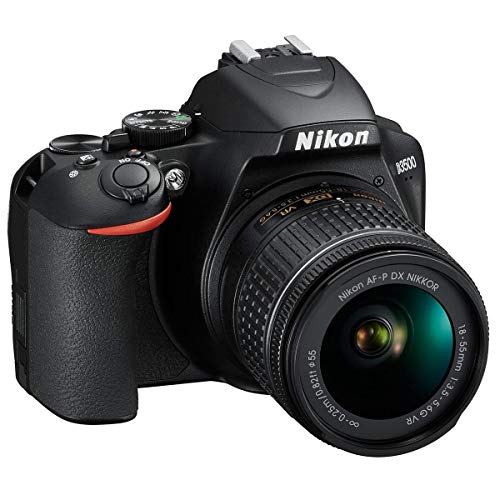


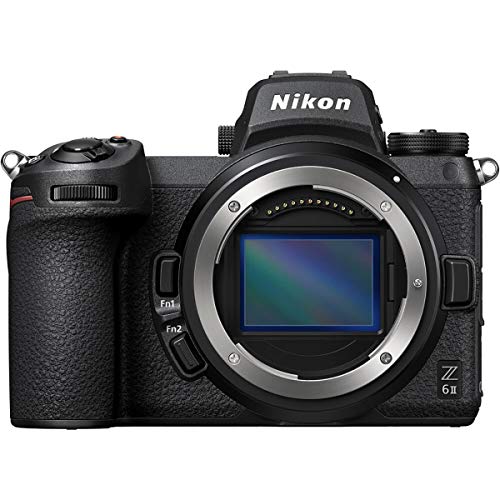
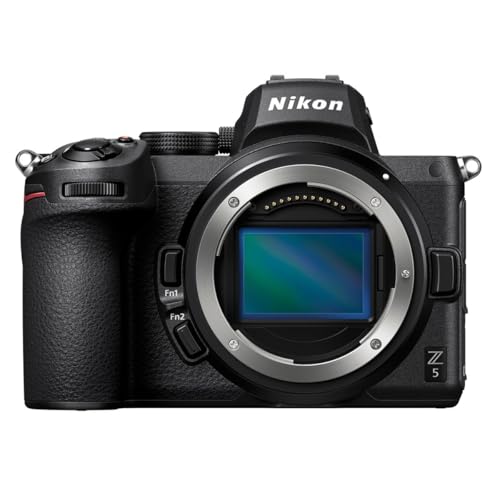
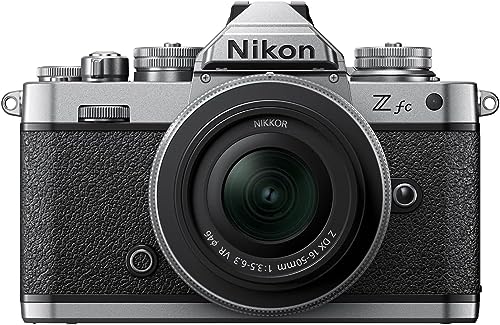
Canon and Nikon Cameras 101: The Basics
Canon and Nikon are two long established camera makers, and both sell compact cameras, mirrorless cameras, and models with interchangeable lenses. A compact camera has a fixed lens that you cannot remove, while a mirrorless camera lets you swap lenses for different jobs. Neither brand is simply better, because each one builds strong cameras at several price levels for different kinds of users.
The lens mount is the connection that joins a lens to the camera body, and it matters more than the logo on the front. Canon lenses fit Canon mounts and Nikon lenses fit Nikon mounts, so lenses you buy later usually stay within one system. Once you own two or three lenses, switching brands becomes costly.
Both brands also sit inside the wider world of best digital cameras, where phones, compact models, and larger system cameras all compete for your money. A dedicated camera earns its place through a larger sensor, real controls you can turn with your fingers, and lenses built for one job at a time.
Key Specs Explained in Plain English
Spec sheets list dozens of numbers, but only a handful shape your results as a new owner. The five areas below cover most of what separates one camera from another at the same price. Use that short list when you compare models in the product table above.
Sensor Size and Image Quality
The sensor is the part that records light, and sensor size is the single biggest factor in image quality. Small sensors around 1 inch suit compact travel cameras, APS C sensors are the common middle ground in mirrorless cameras, and full frame sensors are the largest option in this class. A larger sensor usually collects more light, so photos stay cleaner in dim rooms and fine detail holds up better when you crop.
Megapixels count the dots in a photo, but they are not the whole story, because a modest count on a large sensor often looks better than a huge count on a tiny one. For most new buyers, APS C offers the best balance of quality, size, and lens cost. Choose full frame only when you need its low light strength.
Autofocus and Stabilization
Autofocus is the system that locks focus on your subject before you press the shutter, and modern Canon and Nikon models track faces and eyes with impressive confidence. Eye detection helps a lot for portraits of kids and pets, because the camera keeps the nearest eye sharp while the subject moves. For sports and wildlife, look for fast continuous tracking and a burst mode.
Image stabilization reduces blur from small hand movements, and it works either inside the lens or inside the body, where it is often called IBIS. Stabilization helps most at slower shutter speeds, at dusk, and when you record video while standing still. It cannot freeze a running subject, so you still need a fast shutter speed for action.
Video Capabilities
Video specs start with resolution and frame rate, written as 4K at 60 frames per second for smooth, detailed footage. Higher frame rates also let you slow motion down in editing, which suits sports and family events. If you plan to talk on camera, a screen that flips toward you makes framing far easier.
Some models offer a flat color setting called log recording, which keeps more detail for editing but looks dull straight from the camera. Beginners can safely ignore log at first and use the standard color settings, which look good with no extra work. Also check recording time limits for long clips.
Durability and Weather Sealing
Weather sealing uses rubber gaskets around buttons, dials, and the lens mount to keep out light rain and dust. A sealed body paired with a sealed lens can keep shooting through a drizzle at a soccer game. Sealed does not mean weatherproof in the sense of going under water, so never submerge a camera unless it is sold as a waterproof model.
Build quality also covers the grip materials and how solid the dials feel in your hands. Metal bodies tend to shrug off knocks better than plastic ones, although they add weight. If you shoot outdoors often, sealing is worth real money, while family shooters can safely spend that budget on a lens instead.
Size, Weight, and Ergonomics
A camera only helps you if you bring it, so size and weight shape how often you will actually shoot. Compact and smaller mirrorless bodies slip into a small bag, which suits travel and daily family life. Larger bodies offer a deeper grip, more direct controls, and better balance with long lenses.
Ergonomics means how the camera feels after an hour, not after a minute in a store. Check that your fingers reach the main dials without stretching and that the viewfinder is clear if you wear glasses. Viewfinder magnification tells you how large the scene appears through that finder, and a larger view makes focus and composition easier to judge.
Choosing Canon and Nikon Cameras for Your Situation
Start from what you will shoot most weeks, not what you might shoot once a year. Family life and travel reward small size, simple controls, and a versatile zoom lens that covers groups and scenery in one package. If your heart is set on still photos, see our guide to the best photography canon cameras for a closer look at that path.
Brand choice often comes down to handling and lens plans. If Nikon appeals to you, see our guide to the best nikon cameras and note which body sizes suit your hands. If Canon feels more natural, see our guide to the best canon cameras and compare the same points.
Best Canon and Nikon Cameras for Video
Video first buyers should judge cameras by a different short list than stills shooters. Put a flip screen, a microphone input, and dependable continuous autofocus at the top, because focus that drifts during a clip ruins more footage than a lower resolution ever will. Optical zoom on a fixed lens compact gives you framing flexibility without swapping lenses.
Heat and battery life matter more for video too, since recording drains power far faster than taking photos. Carry at least one spare battery for any event longer than an hour. Action cameras fill a different niche for mounted shots, but a Canon or Nikon with a good lens will deliver cleaner everyday video for vlogs and family films.
Rookie Mistakes to Avoid
Most first time regrets come from a few repeatable errors rather than from picking the wrong brand. Read this list before you order.
- Spending the whole budget on the body and leaving nothing for a lens, a memory card, or a spare battery, so the camera sits limited from day one.
- Chasing the highest megapixel count and ignoring sensor size, so low light photos look noisy despite the impressive number on the box.
- Buying a large full frame kit for travel without weighing it first, so the camera stays home while your phone does all the work.
- Mixing brands when building a lens kit, so lenses, flashes, and accessories fail to fit the body you actually own.
- Ignoring the cost of cards, a bag, and editing storage, so the true price of the hobby arrives as a surprise a month later.
- Skipping the return window check and handling test, so a grip or menu you dislike becomes a problem you live with for years.
Getting Started: Setup and First Use
When the box arrives, charge the battery fully before you explore menus, because many cameras ship with only a partial charge. Insert a formatted memory card and set the date and time so your photos sort correctly later. Then set the mode dial to full auto and take practice shots around your home to confirm everything works.
Clean the front element of the objective lens only with a soft lens cloth, never with your shirt, because shirt fabric can hold grit that scratches coatings. Attach the strap before your first walk outside, and learn where the main controls sit. A few minutes with the manual for your exact model will answer most early questions.
Keep your first outings simple and review your photos on a larger screen that evening to see what worked. Note which shots came out blurry and whether the cause was a slow shutter speed, missed focus, or camera movement. If you want a gentler on ramp as a Canon owner, see our guide to the best canon cameras for beginners for starter friendly advice.
Frequently Asked Questions
How much should you spend on your first Canon or Nikon camera?
Plan on about $500 to $1000 for a sensible first kit that includes a body and a starter zoom lens. That range buys a modern APS C sensor, reliable autofocus, and room to grow with a second lens later. Keep roughly a fifth of your budget aside for a card, a bag, and a spare battery, because a camera without those basics is not ready for a full day out.
What does optical zoom mean on a Canon or Nikon camera?
Optical zoom means the lens changes focal length with glass elements, so the image stays sharp at every setting. A 3x or 10x rating on a compact camera describes how far that lens reaches from wide to telephoto compared with its widest view. Digital zoom is different, because it simply crops the picture and lowers quality, so judge a camera by its optical range and ignore digital zoom numbers entirely.
What specs matter most for beginners buying a Canon or Nikon camera?
Sensor size, autofocus accuracy, and a comfortable grip matter most for beginners. Those three shape image quality, keeper rate, and how often you reach for the camera each week. One extra point the spec sheet rarely shows is menu clarity, because a menu you understand helps you change settings quickly instead of missing the moment while you search through screens.
Is a smartphone enough instead of a Canon or Nikon camera?
A smartphone is enough for casual snaps in good light, and it always wins on convenience. A dedicated camera pulls ahead when light drops, when subjects move fast, or when you want a blurred background that phones only fake with software. Many beginners keep both, using the phone daily and the camera for trips and events.
Which Canon or Nikon camera type is better for low light photos?
Larger sensor cameras are better for low light photos, with full frame at the top and APS C close behind. The lens matters almost as much, because a lens that opens to a wide aperture lets in more light than a slow starter zoom. Raising the ISO setting also helps in dark rooms, and modern bodies handle that trade with far less grain than older models did.
Final Thoughts
For a first purchase, keep your decision anchored to three things: a sensor size that fits your light and budget, autofocus you can trust on moving subjects, and a size you will happily carry. Canon and Nikon both reward that approach, and the product table above can help you compare bodies that match your short list.
Whichever brand you pick, the best canon and nikon cameras for you are the ones that fit your hands, your subjects, and your budget. Start simple, shoot often, and add gear only when a real limit shows up.