
Best Cannondale Mountain Bike Made Simple: A Clear Buying Guide for 2026
Disclosure: We may earn a commission when you buy through links on this page, at no extra cost to you. As an Amazon Associate I earn from qualifying purchases. Learn more
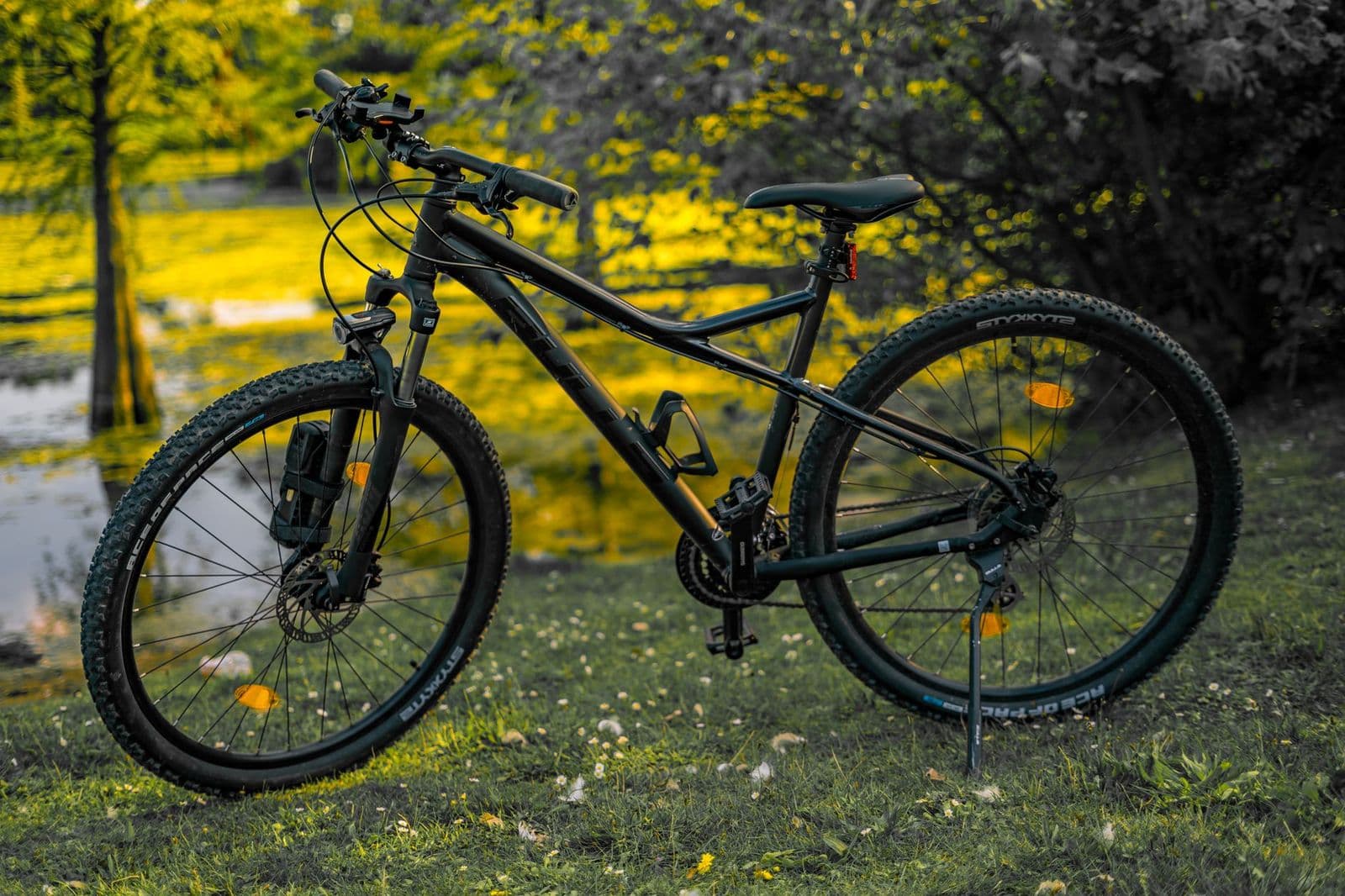
Shopping for the best cannondale mountain bike for the first time? Learn sizing, suspension, and wheel basics in this easy first time buying guide.
Cannondale has built mountain bikes for decades, and its range runs from simple trail hardtails to advanced full suspension machines and e bikes. That spread is great for choice and rough on a first time buyer, because the spec sheets throw around travel numbers, wheel sizes, and geometry terms with no translation. This guide turns the hunt for the best cannondale mountain bike into a short series of plain decisions about your trails, your body, and your budget.
We will cover the basics first, then each key spec in simple language, then the mistakes that cost new riders money. As you read, check every model you consider against your answers. Fit and riding style matter more than any single part on the bike.
Cannondale Mountain Bikes 101: The Basics
A mountain bike is built for dirt: wide knobby tires for grip, suspension to absorb rocks and roots, low gears for steep climbs, and strong brakes for rough descents. Cannondale sells several families within that idea. Cross country bikes are light and efficient for long climbs and smoother trails. Trail bikes balance climbing and descending for general off road riding. Enduro bikes add travel and slack geometry for steep, technical descents. The brand also makes e mountain bikes with a mid drive motor and a frame mounted battery for riders who want help on climbs.
A few terms unlock every listing. Travel is how far the suspension can move, quoted in millimeters. A drivetrain is the set of gears, chain, and shifters, and modern trail bikes often use a single front ring with a wide range cassette for simple shifting. Hydraulic disc brakes use fluid to squeeze pads against a rotor, giving strong, controlled stopping with light finger effort. Geometry words like reach and head angle describe how the frame fits and steers, and we will translate them below.
Cannondale is also known for distinctive engineering, including single sided suspension forks on some models and clever frame features on others. Treat those as flavor, not as the decision itself. Your trails and your fit should pick the category first. Parts and brand quirks come second.
Key Specs Explained in Plain English
Bike Type and Riding Style
Start with where you will ride most weeks, not the hardest trail you might visit once a year. Smooth dirt paths, rail trails, and gentle singletrack suit a cross country or light trail bike with about 100 to 120 mm of travel. Rocky local trails with roots and short steep pitches suit a trail bike around 120 to 140 mm. Bike park days and very steep terrain point to enduro builds with 150 mm or more. Buying too much bike makes climbing slow and steering vague on easy trails. Buying too little makes rough descents harsh and scary. Honest self knowledge here saves more money than any sale.
Suspension: Hardtail vs Full Suspension and Travel
A hardtail suspends only the front wheel, which keeps the bike lighter, cheaper, and easier to maintain. It teaches smooth line choice and feels quick on climbs, but it passes rear wheel bumps straight to your body. A full suspension bike adds a rear shock, which improves traction, comfort, and control on rough descents at the cost of weight, price, and extra servicing. For most beginners on moderate trails, a quality hardtail or a short travel full suspension bike is the sweet spot. Reserve long travel machines for genuinely steep and rocky riding, where the extra movement earns its keep every ride.
Sizing and Fit
Fit decides whether a great bike feels great. Brands size frames from extra small to extra large using rider height as a starting point, but leg length and torso length shift the answer. Standover height is the clearance between you and the top tube when you stand over the bike, and you want a comfortable gap in riding shoes. Reach, the distance from the saddle area to the handlebar, affects how stretched or upright you feel. If you fall between sizes, most trail riders prefer the smaller frame for easier handling. A short test ride tells you more than any chart, so visit a shop if you can and ride both sizes back to back.
Wheel Size and Tires
Most adult mountain bikes use 29 inch or 27.5 inch wheels. Larger 29 inch wheels roll over rocks and roots more easily and hold speed well, which suits cross country and trail riding. The 27.5 size accelerates quickly and feels nimble in tight turns, and it often fits shorter riders better. Some bikes mix sizes, with a larger front wheel and a smaller rear. Tire width matters too. Widths around 2.3 to 2.6 inches give a good balance of grip and rolling speed for trail use. Tubeless setups, which seal the tire to the rim without an inner tube, let you run lower pressure for grip and reduce punctures from thorns.
Frame Material and Geometry
Aluminum frames dominate the entry and midrange because they are strong, light enough, and affordable. Carbon frames weigh less and can feel smoother, but they cost more and need care after hard crashes. Steel appears on a few niche builds and offers a supple ride with easy repair. Geometry shapes handling. A slacker head angle, meaning the fork leans farther forward, feels stable at speed and on steep ground but slower in tight corners. A longer reach stretches the riding position for stability. For general trail use, look for balanced numbers rather than extremes, and let the test ride confirm what the chart suggests. Shoppers narrowing a budget can also study the best cannondale mountain bike under 1000 tier to see which parts change first at lower prices.
Cannondale Mountain Bikes for Specific Needs
Choosing a Beginner Cannondale Mountain Bike
If you are shopping for the best beginner cannondale mountain bike, prioritize fit, simple shifting, and brakes you can trust over light weight. A hardtail or short travel model with a single ring drivetrain removes front shifting from your mental load. Hydraulic disc brakes are worth insisting on, because they stop hard with one or two fingers even in wet conditions. Choose tires with moderate knobs for your local dirt rather than extreme tread. Finally, leave room in the budget for a helmet, a pump, and a basic repair kit, since those items decide whether a small problem ends a ride.
Choosing a Cannondale for Eastern Trails
Riders who want a Cannondale for eastern trails usually mean the rocky, root filled, often wet trails common in eastern forests. That terrain rewards a full suspension trail bike with about 130 to 140 mm of travel, tires with real side knobs for slick roots, and a dropper seatpost that lets you lower the saddle for steep pitches. Sealed bearings and a drivetrain that shrugs off mud matter more than shaving grams. Shorter, punchier climbs also favor the quick response of 27.5 inch wheels for some riders, while taller riders may still prefer 29 inch wheels for rolling over wet rock. For broader category context, compare styles in our guide to the best all mountain mountain bike.
Rookie Mistakes to Avoid
- Buying the wrong size. A bargain in the wrong size is not a bargain, so confirm fit with a ride or a careful measurement session before paying.
- Chasing travel you do not need. Extra suspension adds weight and cost and can make easy trails feel dull and slow.
- Spending the whole budget on the bike. A helmet, pedals if the bike ships without them, a pump, and basic tools are part of the real purchase price.
- Ignoring brake quality. Weak brakes limit your speed and confidence everywhere, so treat hydraulic disc brakes as a requirement, not an upgrade.
- Skipping the gear range check. Steep local climbs need a genuinely low easiest gear, so count the cassette range rather than the number of gears alone.
Getting Started: Setup and First Use
Before your first ride, set the saddle height so your knee keeps a slight bend at the bottom of the pedal stroke, and check tire pressure, which belongs on the lower side for dirt grip compared with road riding. If the bike has suspension, set the sag with your riding gear on, following the maker guidance of roughly a quarter to a third of travel. Check tire pressure before every ride after that, because tubeless tires lose air slowly and low pressure invites rim damage.
Keep up two simple habits and the bike will reward you. Clean and lube the chain every 100 to 200 miles, sooner after wet or dusty rides, and wipe the fork and shock seals so grit does not wear them out. Store the bike indoors or under cover, since rain and sun age tires, grips, and brake pads. New riders comparing the wider market can browse our overview of the best mtb mountain bike styles, and those still choosing between bike types may like the best bike for mountain biking primer.
Frequently Asked Questions
How far can an e bike go on one charge?
Most e mountain bikes cover roughly 25 to 60 miles per charge depending on battery size in watt hours, assist level, rider weight, and climbing. Steep trails on the highest assist setting drain a battery far faster than gentle paths on a low setting. Treat range figures as best case estimates and plan a reserve for the ride home. If you often ride long backcountry loops, a larger battery or a spare is worth more than a lighter frame.
Hardtail or full suspension for beginners?
A hardtail is the better first bike for smooth to moderate trails because it costs less, weighs less, and needs simpler upkeep. Full suspension earns its price when your regular trails are rocky, rooty, or steep, since the rear shock keeps the tire planted and your body fresher. Many riders start on a hardtail and upgrade once their trails demand it. Either way, the bike a friend loves may fit your trails poorly, so decide by terrain first.
What size bike do I need?
Start with the brand size chart for your height, then adjust for leg and torso length. Riders near a boundary between sizes should ride both if possible. You want comfortable standover clearance, a reach that lets your arms stay slightly bent, and no knee pain after twenty minutes of pedaling. A shop fitting, even a brief one, pays for itself by preventing the slow aches that make new riders quit.
How much should I spend on my first bike?
Plan on about $600 to $1,500 for a capable new hardtail and more for full suspension, plus roughly $150 to $300 for a helmet, pump, and basic tools. Below that range, brakes and forks often compromise safety or durability. Above it, you buy lighter parts and smoother suspension rather than a different sport. Set the total budget first, hold back the gear money, and then shop bikes with what remains.
What e bike class is legal where I live?
E bike rules vary by state, park, and trail system. Class 1 bikes, which assist only while you pedal up to 20 mph, are the most widely accepted on mountain bike trails. Class 2 adds a throttle, and Class 3 raises the assist limit and is often restricted to roads and bike paths. Check the land manager rules for your exact trails before buying, because a bike that is legal on the road may be barred from your favorite singletrack.
Final Thoughts
Narrow the field in this order: category for your trails, size that fits your body, then brakes and gearing you can trust. Suspension style and wheel size follow from those answers, and frame material comes last. Wear a helmet on every ride, start on trails below your limit while skills grow, and stop and rest when fatigue makes your handling sloppy. Check your finalists against these points, and the best cannondale mountain bike for your riding will be the one that fits, stops, and climbs your home trails with confidence.


