
Best Cannondale Mountain Bike under 1000: What Actually Matters Before You Buy for 2026
Disclosure: We may earn a commission when you buy through links on this page, at no extra cost to you. As an Amazon Associate I earn from qualifying purchases. Learn more
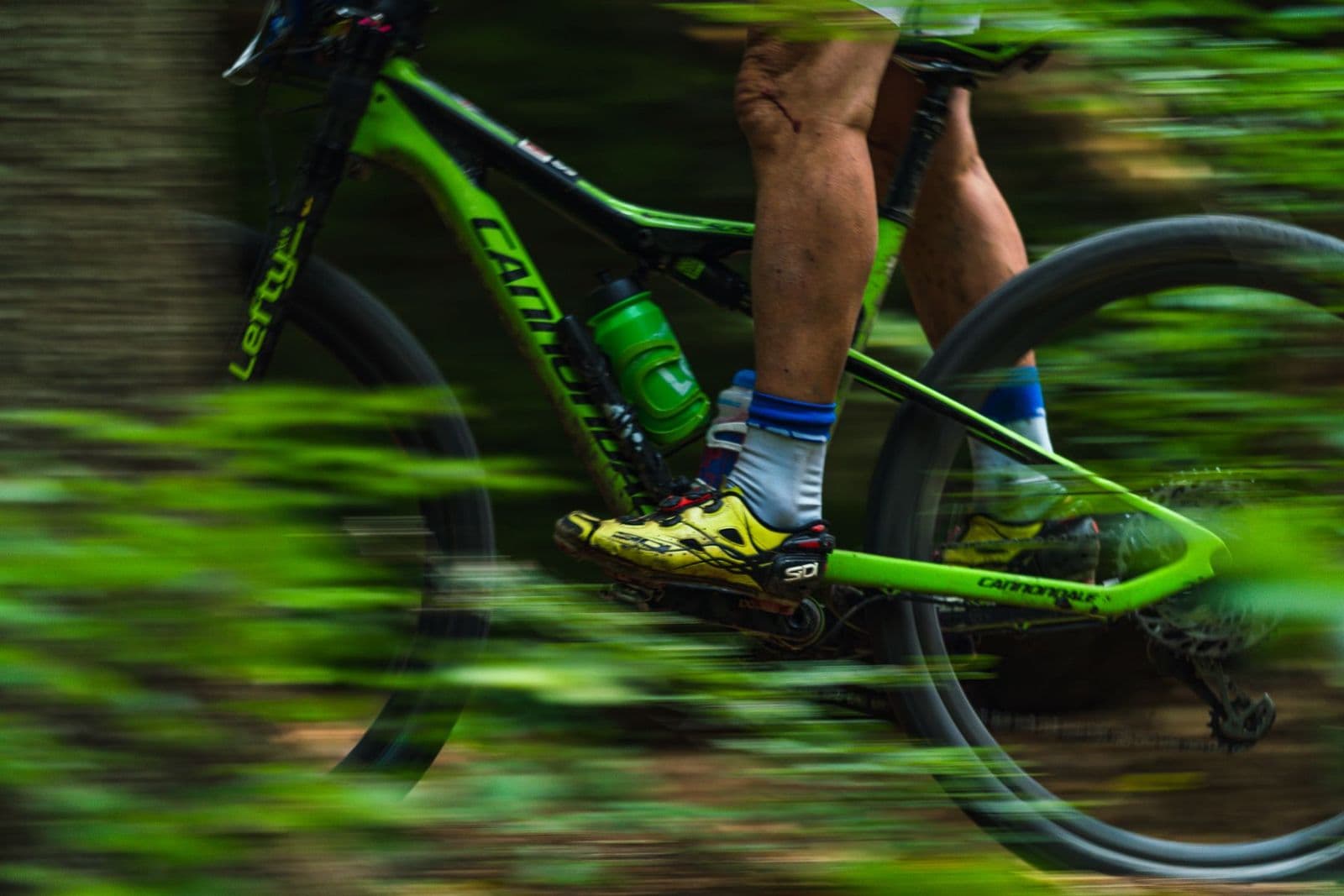
Run through this checklist for the best cannondale mountain bike under 1000, covering frame fit, brakes, gears, wheels, safety, and upgrade value.
Under $1000 is a demanding budget for a branded mountain bike, because the frame, fork, brakes, and wheels all compete for the same money. A good checklist keeps you focused on the parts that decide safety and fun on the trail, rather than the decals. This guide scores the best cannondale mountain bike under 1000 options by fit, braking, gearing, and upgrade potential, so you know exactly what a fair deal looks like before you spend.
Work through the criteria below, then check any candidate against them. A bike that passes on brakes, fit, and wheels will serve you far better than one that merely looks aggressive in photos.
How We Evaluate Cannondale Mountain Bikes
What You Can Realiztically Get Under $1000
Set honest expectations first. At around $700 to $1000 you can expect an aluminum hardtail frame, a suspension fork with about 100 to 120 mm of travel, hydraulic disc brakes on better examples, and a simple wide range drivetrain. You will not get carbon parts, a rear shock, or premium lightweight wheels, and that is fine. Do not save money on brakes or tires to afford cosmetic extras, because stopping power and grip decide whether a new rider enjoys the trail or fears it. Seasonal sales sometimes bring higher original list prices into this band, so judge the specification in front of you, not the badge level.
Bike Type and Riding Style
Most bikes in this budget are cross country or light trail hardtails, and that suits the majority of buyers. Cross country geometry pedals efficiently on climbs and gravel paths, while light trail geometry adds a slacker front end for confidence on descents. Enduro and downhill riding demand suspension and brakes beyond this price, so be honest about your trails. If your riding mixes pavement and towpaths, a hardtail still wins over a hybrid once the surface turns rough, because wider tires and a suspension fork absorb roots and stones. Think about your five most likely rides, and buy for those, not for a dream trip you may take once.
Frame Material and Geometry
Aluminum is the sensible frame material at this price: light enough, stiff, corrosion resistant, and repairable at most shops. Carbon is unrealistic under $1000 from a major brand, and steel is rare outside niche models. Geometry numbers deserve a quick read. Reach tells you how roomy the bike feels standing up, and head angle around 66 to 68 degrees gives stable yet lively steering for trail use. A very steep angle feels twitchy on descents, while an extremely slack angle wanders on climbs. If two sizes both claim to fit you, the one with comfortable reach and safe standover is the right call.
Sizing and Fit
Fit matters more than any component. Use the maker size chart as a start: riders around 5 feet 4 inches to 5 feet 7 inches often suit a small, 5 feet 8 inches to 5 feet 11 inches a medium, and taller riders a large, but inseam and arm length shift those bands. Standover clearance of at least about an inch keeps stops safe on uneven ground. On a test ride, you should reach the controls without locking your elbows, and your knee should stay slightly bent at the bottom of the pedal stroke. A shop fitting, often around $50 to $100 or free with purchase, is money well spent at any budget.
Motor, Battery, and Range (for E Bikes)
Be clear about one boundary: a genuine Cannondale electric mountain bike does not exist at this budget, so any listing that promises one under $1000 deserves deep skepticism. Electric models from major brands start far higher, with motors, batteries rated in watt hours, and safety certification such as UL 2849 adding real cost. If electric assistance is essential for your hills or commute, raise the budget or look at the wider market covered by our guide to the best electric mountain bike under 1000, understanding that compromises there are severe. For most trail riders at this price, a lighter pedal bike is simply the better tool.
Weight and Components Upgrade Path
Expect a complete bike around 28 to 33 lb in this class, and do not chase small weight differences at the cost of brakes or tires. What matters is the upgrade path: a frame with a tapered head tube, thru axles, and tubeless ready rims lets you improve the fork, wheels, and tires over time. A standard one by drivetrain, meaning a single front chainring with a wide range cassette, simplifies shifting and future parts shopping. Contact points are the cheapest early upgrades, so a bike with ordinary pedals and grips is no problem, since you will likely swap those to suit your hands and feet anyway.
Wheel Size and Tires
Wheel size shapes the ride. Larger 29 inch wheels roll over roots and rocks smoothly and hold speed on open trails, suiting medium and taller riders. Smaller 27.5 inch wheels accelerate quickly and feel playful on tight, twisty singletrack, and they fit shorter riders more easily. Some models mix sizes, with the larger wheel in front. Tires matter as much as diameter: look for tread with real side knobs for cornering grip, and tubeless ready rims and tires if possible, because tubeless setups run at lower pressure for traction and resist small punctures with sealant. Budget for a floor pump and sealant if you go that route.
Profiles That Pass Our Checklist
Overall Balance Profile
The balanced profile is an aluminum hardtail near the top of the budget, around $900 to $1000, with hydraulic disc brakes, a one by drivetrain with a wide range cassette, an air sprung fork if you can find one on sale, and tubeless ready wheels. It suits riders who plan to ride weekly and grow their skills over several seasons. Its limit is technical descending, where a basic fork reaches its comfort zone, but on cross country and moderate trail riding it feels composed and efficient. If a bike you find matches this profile on brakes and gearing, it deserves your closest attention.
Value Profile
The value profile sits around $600 to $800 and keeps the essentials: aluminum frame, hydraulic brakes if possible or strong mechanical discs at the very least, and a drivetrain with a low gear for real climbs. The fork will likely use a coil spring and feel heavier, and tires may need upgrading sooner. This profile fits new riders testing whether the sport sticks, and students or commuters who ride trails on weekends. The smart value move is to reserve about $100 of your total budget for a helmet, a pump, and basic tools, rather than spending every dollar on the bike and riding unprepared.
Premium Within Budget Profile
Premium within this budget means spending close to $1000 wisely, not chasing parts you cannot have. The gains to hunt for are an air fork with a lockout, lighter wheels, better brake rotors, and tires you would happily keep for a full season. Sometimes this profile appears as a discounted higher tier model from a previous season, which is often the best buy in the whole category. Check that warranty support and spare parts, such as the derailleur hanger, are available for an older model year. Riders comparing across brands at this ceiling can also review our guide to the best mountain bike for under 1000 for a wider view.
Quick Buyer Checklist
- Does the frame size match your height and inseam, with safe standover clearance?
- Are the brakes hydraulic disc brakes, or at least strong mechanical discs?
- Does the drivetrain include a low climbing gear you can actually pedal uphill?
- Is the fork travel around 100 to 120 mm, with a lockout for smooth climbs?
- Are the rims and tires tubeless ready, or easy to convert later?
- Does the frame use modern standards that allow fork and wheel upgrades?
- Have you kept budget aside for a helmet, pump, and a basic repair kit?
- Is the warranty clear, with a local shop willing to service the bike?
Red Flags to Watch For
Walk away from vague listings that hide brake type, drivetrain range, or total weight, because honest sellers publish those basics. A full suspension bike from any major brand at this price is another warning sign, since the budget cannot fund a frame, two suspension units, and safe brakes at once, and cheap rear shocks perform poorly. Check for unusually short warranties, no available derailleur hangers, and forks with no brand or service path. Suspicious review bursts praising a no name bike should push you back to established ranges. Shoppers set on rear suspension should save longer, while hardtail fans can compare focused options in our guide to the best hardtail mountain bike under 1000.
Setup and Care Tips
Check tire pressure before every ride, because a few pounds of pressure change how the bike grips and rolls; many trail riders start around 25 to 30 psi and adjust by feel and terrain. Clean and lube the chain every 100 to 200 miles, more often after wet or dusty rides, and wipe the fork stanchions clean to protect the seals. Have a professional tune up yearly, or sooner if shifting grows noisy or brakes feel soft. Always wear a properly fitted helmet, carry water and a simple repair kit, and tell someone your route on remote trails. Those habits keep a budget bike riding like a far pricier one.
Cannondale Mountain Bikes: Your Questions Answered
Can you get a good cannondale mountain bike under $1000?
Yes, provided you accept a hardtail and shop the specification rather than the paint. A good example pairs hydraulic brakes, a wide range one by drivetrain, and decent tires on an aluminum frame. Sales on prior season models are the usual route to the strongest specification. What you cannot honestly get at this price is full suspension or electric assistance from this brand, so treat any such promise as a reason to verify the seller carefully.
How far can an e bike go on one charge?
Most electric mountain bikes travel about 25 to 60 miles per charge depending on battery size, rider weight, terrain, and assistance level. That range question matters only if you raise your budget, since pedal models in this guide have no battery at all. Riders weighing that jump can compare categories in our guide to the best e mountain bike under 1000, keeping in mind that low priced electric options trade heavily on frame and brake quality.
How much should I spend on my first bike?
Spend enough to get safe brakes and a frame that fits, which for a major brand usually means at least around $600 to $800, plus about $100 to $150 for a helmet, pump, and essentials. Buying far below that often leads to a second purchase within a year. If the sport does not stick, a recognized brand hardtail also resells more easily than an unknown label, which quietly protects your total spend.
What size bike do I need?
Start with the maker chart for your height, then confirm with standover and reach. Most riders around 5 feet 8 inches to 5 feet 11 inches land on a medium, but long legs or arms can shift you a size. Between sizes, shorter reach usually feels safer for new trail riders. If you cannot test ride, buy from a seller with a fair return window, and have a shop check saddle height and lever position during your first service visit.
What e bike class is legal where I live?
Class rules vary by state and trail system: class 1 bikes assist only while you pedal up to 20 mph, class 2 add a throttle, and class 3 assist to 28 mph and face tighter restrictions. Many natural surface trails allow only class 1 or no electric bikes at all. Since this guide covers pedal bikes, the practical step is to check your local trail authority rules before considering any electric purchase, and to follow posted signs on the day.
Hardtail or full suspension for beginners?
A hardtail is the better beginner choice at this budget, because your money buys a lighter frame, better brakes, and reliable parts instead of a cheap rear shock. It also teaches smooth line choice and needs less maintenance. Full suspension becomes the right answer later, on rougher trails and with a larger budget. Cross brand shoppers can sanity check that advice against our guide to the best mountain bike under 1000 dollars, which reaches the same conclusion for new riders.
Wrapping Up
Fit, brakes, and gearing decide whether a bike under $1000 becomes a hobby or a garage ornament. Use the checklist, keep money aside for safety gear, and favor upgrade friendly frames over flashy extras. Check your candidates against the checklist, and you will choose the best cannondale mountain bike under 1000 with clear eyes about what this budget can and cannot buy.


