Best Canister Vacuums for Hardwood Floors at Every Price: What Your Money Really Gets You for 2026
Disclosure: We may earn a commission when you buy through links on this page, at no extra cost to you. As an Amazon Associate I earn from qualifying purchases. Learn more

Choose the best canister vacuums for hardwood floors by budget, with guidance on soft heads, scratch safety, suction, filtration, and running costs.
Hardwood looks forgiving, but the wrong vacuum can scratch a finish, scatter grit instead of lifting it, and push fine dust into the joints between boards. Prices run from under $100 to over $600, and the differences that matter are soft floor heads, sealed airflow, and wheels that will not mark. This guide breaks down the tiers so you can find the best canister vacuums for hardwood floors without paying for carpet features you may never use.
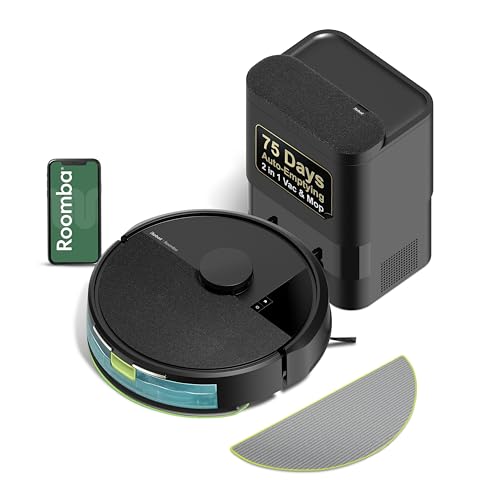
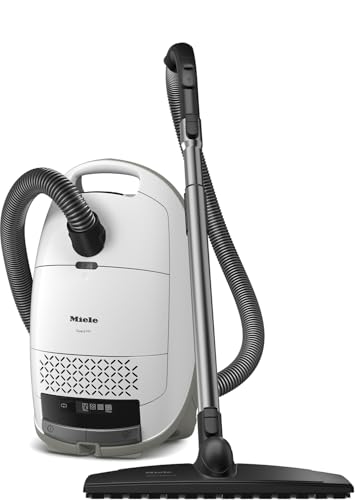
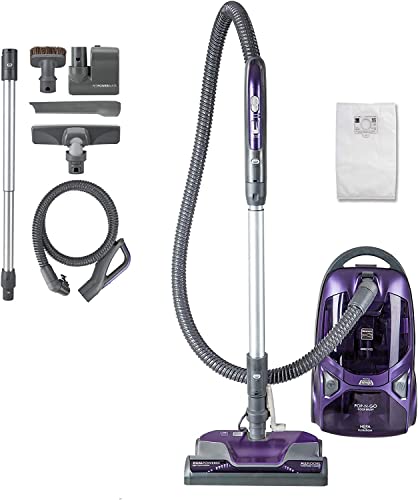
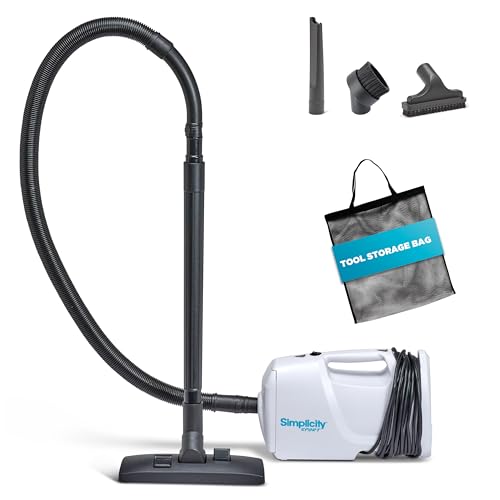
Start with the product table below to see how models group by price, then use the tier profiles and feature notes to judge what each band really buys you.




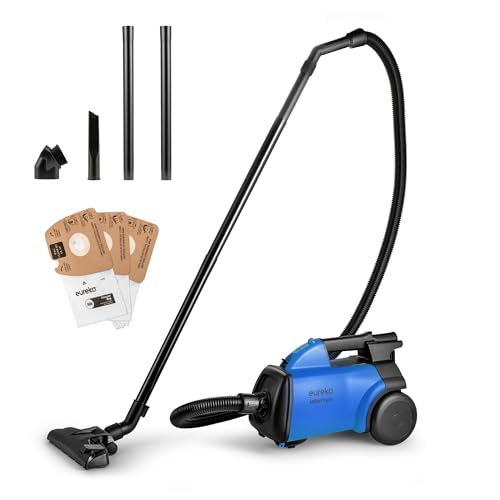

What Each Budget Tier Delivers
Budget Tier Profile: Around $100 to $200
Around $100 to $200 buys a compact canister with a basic combination head and enough suction for daily crumbs, dust, and pet hair on bare floors. The compromises show in harder wheels, a brush roll that may not switch off, and simple filtration. Those details matter on hardwood, because a spinning stiff brush can scatter debris and, over time, dull a finish. If you shop in this band, insist on a head with soft bristles or felt pads and check the wheels by hand in photos and descriptions for rubber coating. A budget machine with a proper soft head will treat your floors better than a stronger model fitted with a carpet head alone.
Midrange Tier Profile: Around $200 to $400
The midrange around $200 to $400 adds the features hardwood owners feel every week: a dedicated parquet head with long soft bristles, rubber coated wheels, a suction slider for curtains and rugs, and filtration that keeps fine dust out of the air. Motors run quieter, hoses swivel more freely, and the canister follows without bumping chair legs as hard. Most models in this band also include a carpet capable head, which helps if you have area rugs in several rooms. For a home that is mostly wood with some rugs, this tier is the natural home, balancing floor safety, air quality, and price without paying for premium insulation or decade long warranties.
Premium Tier Profile: Around $400 and Up
Premium models around $400 and up refine rather than reinvent. Expect a fully sealed HEPA system, very soft parquet heads that glide silently, metal wands, and bodies built to roll smoothly for ten years or more. Suction control becomes precise enough for sheer curtains and delicate antique rugs as well as open floor. You also get longer warranties and reliable spare parts supply, which matters when a machine costs this much. This tier suits large wood floor homes, allergy households, and anyone who hates replacing appliances. It is harder to justify in a small rental, where a midrange machine plus a spare filter set covers the same floors for far less money.
What Your Money Gets You at Each Price Tier
Budget Tier: What to Expect
Expect honest basic cleaning with some care required from you. Suction will be adequate, but you may need slower passes along baseboards where dust lines form, and the short cord may mean more outlet changes. Empty small bins often, because a packed bin drops airflow quickly on a light machine. The smart budget move is to spend on the soft floor head version of a model if one exists, even at a small premium, since head design protects the floor itself. Homes that also vacuum rugs daily should weigh the mixed surface advice in our guide to the best canister vacuum for hardwood floors and rugs before settling in this tier.
Midrange Tier: The Sweet Spot for Most Buyers
Midrange money buys ease. The parquet head picks up fine dust in one pass instead of pushing it ahead, the canister turns in tight hallways without scuffing, and sealed filtration options appear. Attachments grow useful rather than decorative, with a proper crevice tool for board gaps and a soft dusting brush for vents and shelves. Running costs stay reasonable, with bags or washable filters widely stocked. If your floors are a long term investment, and refinishing costs dwarf any vacuum price, this is the tier where floor safety stops being a worry and cleaning becomes a quick weekly routine rather than a cautious project.
Premium Tier: When Spending More Pays Off
Spending more pays off when square footage, allergies, or fine finishes raise the stakes. A sealed system protects lungs in a home where dust has nowhere to hide, since bare floors offer no carpet fibers to trap particles. Premium parquet heads use softer, denser bristles that sweep grit from board joints without flicking it across the room. Quiet operation matters too in open plan homes where sound carries. Judge the step up by warranty, parts support, and head quality rather than suction figures, because even budget motors pull hard enough for bare floors. Premium value is about control, calm, and longevity, all of which you feel on every pass.
Features Worth Paying For (and Ones to Skip)
Suction Power and Airflow (AW, Pa)
On hardwood, airflow beats raw suction. Moving air sweeps dust and grit into the head, while excessive sealed suction can make a head stick to the floor and strain your arm. Look for adjustable suction with a low range you can actually use on lightweight mats and curtains. Air watts and pascal figures help compare models within a brand, but head design matters more: a wide parquet head with bristles that channel debris inward will outclean a stronger motor behind a narrow carpet head. If a listing leads with huge suction numbers and says nothing about the floor head, that silence tells you where the maker spent the budget.
Pet Hair Tools and Attachments
Pet hair on hardwood gathers in corners, along baseboards, and under furniture, so reach and edge cleaning matter more than agitation. A crevice tool, a soft brush, and a low profile parquet head that slides under sofas cover most needs. An anti tangle powered tool helps only if pets also claim rugs or carpeted stairs. From the midrange up, look for tools that store on the machine, because hair cleanup is usually a quick unscheduled job. Households balancing shedding and wood care may also compare notes in our guide to the best vacuums for pets and hardwood floors, which weighs hair tools against floor safety in more depth.
Features That Matter for Hardwood Floors
Four details protect wood. Soft bristle or felt floor heads lift grit without grinding it across the finish. Rubber coated or felt padded wheels prevent the small marks that hard plastic wheels leave over months. A brush roll that switches off, or a suction only head, stops stiff bristles from scattering debris and dulling shine. Finally, good edge channels pull dust from board joints and baseboard lines. When you shop, treat any missing item on that list as a real cost, because floor refinishing is far pricier than the step up to a model that includes them all.
Vacuum Type (Upright, Canister, Stick, Robot, Handheld)
Canisters suit hardwood because the light head glides with little downward pressure and the body stays off delicate areas until you guide it there. Uprights can work if their brush switches off and wheels are soft, but their weight concentrates on the head. Sticks are quick for daily sweeps, robots keep dust down between sessions, and handhelds serve for spilled crumbs only. If your home mixes wood with tile in kitchens and baths, the comparisons in our guide to the best vacuums for tile and hardwood floors help you judge grout line cleaning too. For a single main machine on mostly wood, the canister format remains the safest default.
Long Term Costs to Factor In
Look past the purchase price to bags or filters, brush head wear, and warranty cover. Bagged models cost a steady amount each year but protect the motor and keep suction even, while bagless models shift cost into filter replacements and more frequent deep cleaning of the bin. Parquet head bristles wear down over years of use, so confirm a replacement head is sold and priced fairly. Electricity cost is trivial. A longer warranty in the premium tier can be worth real money if it covers the motor and cord reel. Keep the receipt, register the product, and store spare bags or filters with the machine so a full bin never tempts you to shake dust back into the room. Mixed floor homes can compare ownership notes in our guide to the best vacuums for rugs and hardwood floors.
Frequently Asked Questions
What features matter most in canister vacuums for hardwood floors?
A soft parquet head, rubber coated wheels, adjustable suction, and a brush that can stop spinning matter most, because they clean without scratching or scattering debris. Sealed filtration follows for dust control. One overlooked detail is head height: a low profile head slides under kitchen cabinets and beds where dust collects thickest, saving you from moving furniture for a routine weekly clean.
Is HEPA filtration necessary?
HEPA filtration is not essential for the floor itself, but bare floors release dust into the air more freely than carpet traps it, so sealed HEPA helps allergy and asthma households noticeably. Insist on a fully sealed system rather than a lone HEPA label. If nobody at home has respiratory issues, a good midrange filter changed on schedule will keep the air acceptably clean for most families.
How often should I replace the filter?
Pre motor filters generally need washing or replacing about every three months, and sealed HEPA filters about every six to twelve months. Homes with pets should inspect monthly, since fine hair and dander clog media quietly. Write the fitting date on the filter edge with a pen. If the machine starts leaving fine dust behind on dark wood, check the filter before blaming suction, because airflow loss shows there first.
Are cordless vacuums strong enough for carpet?
Yes for low pile carpet and rugs in short sessions, though that is a side skill in a hardwood home. Cordless models shine for daily wood floor sweeps, where their light weight and instant start keep dust from building up. Runtime on gentle settings suits bare floors well, often lasting far longer than on carpet modes. If rugs cover much of your floor, a corded canister still gives steadier deep cleaning, while a cordless partner handles the everyday pass.
What type of canister vacuum is best for my home?
A midsize corded canister with a dedicated parquet head fits most hardwood homes, with bagged designs suiting tidy emptying and bagless designs suiting frequent cleaners. Match the cleaning radius to your largest open room so you are not swapping outlets mid session. Wet cleaning fans should note that steam machines are a separate category with their own floor cautions, covered in our guide to the best steam vacuums for hardwood floors.
Wrapping Up
Choose your tier by floor value and home size, then verify the four floor safety details: soft head, coated wheels, brush control, and honest edge cleaning. Midrange models satisfy most hardwood homes, while sealed premium systems earn their price in large or allergy sensitive households. Compare your finalists in the product table above, and you will settle on the best canister vacuums for hardwood floors with confidence about both cleaning and care.