Best Canister Sets for Kitchen 2026: Buying Guide
Disclosure: We may earn a commission when you buy through links on this page, at no extra cost to you. As an Amazon Associate I earn from qualifying purchases. Learn more

Kitchen canister sets by material, seal, size and counter space, so staples stay fresh, dry and easy to reach.
Choosing among best canister sets for kitchen starts with what you store, because flour, sugar, coffee, and snacks each need different sizes and seals. The product table below helps you compare materials, lids, and capacities, so your counter stays tidy and your staples stay fresh.
Think about your counter space, your pantry layout, and how often you refill, since a beautiful set that crowds your workspace or fits nothing you use will frustrate daily cooking. Good canisters make staples visible, reachable, and protected from moisture, pests, and stale air.
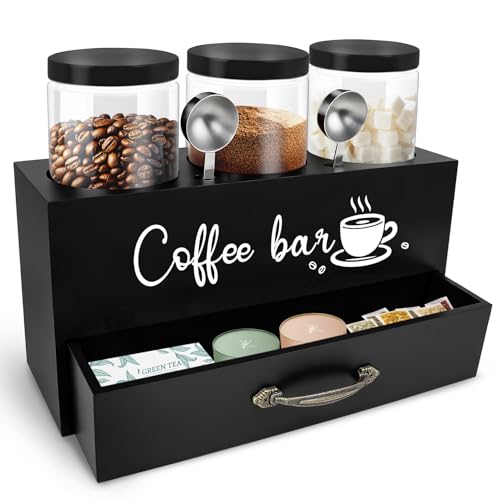


Materials: Glass, Ceramic, Metal, and Plastic
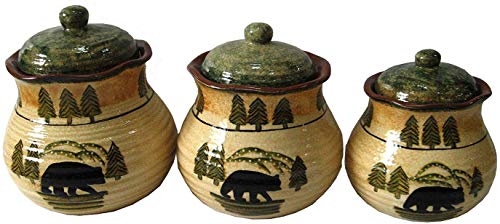
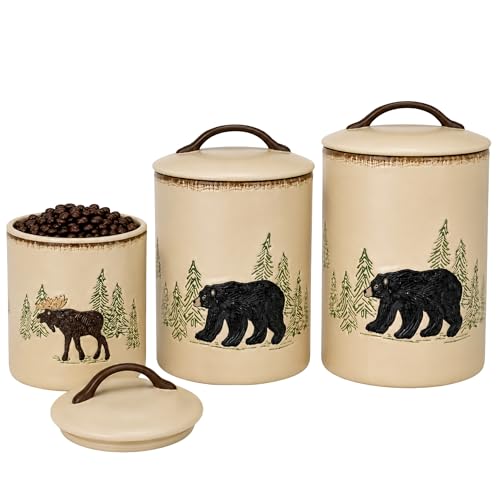
Glass canisters show contents at a glance and do not absorb odors, which suits flour, sugar, and coffee where visibility speeds cooking. Ceramic canisters look warm and hide contents, which suits kitchens that prefer a tidy, uniform counter, but they are heavier and breakable if dropped. Metal canisters resist breakage and block light, which helps coffee and tea, while quality plastic offers light weight and shatter resistance for busy family kitchens.
Material also affects cleaning and longevity, since glass and ceramic wash easily but chip, metal dents, and plastic can stain or retain odors over time. Check whether lids and seals are dishwasher safe separately from bodies, because mixed care instructions cause confusion. Choose material for your household rhythm, not only for counter appearance.
Seals, Freshness, and Pest Protection
Seal quality decides freshness, since airtight lids keep flour dry, coffee aromatic, and sugar free from clumps, while loose lids invite moisture and pantry pests. Look for silicone gaskets, clamp lids, or screw lids that close firmly without excessive force, and test the seal with a simple shake or sniff test after filling. Replace worn gaskets promptly, because a tired seal defeats an otherwise good canister.
Freshness also depends on size matching, since a half empty large canister holds stale air that dulls coffee and spices faster. Use smaller canisters for items you use slowly, and larger ones for daily staples such as flour and sugar. Label contents and refill dates, especially when canisters hide contents, so nothing lingers unnoticed for months.
Sizes, Shapes, and Counter Space
Size planning starts with measuring your counter and shelf heights, including clearance for lids to open fully under cabinets. Tall narrow canisters suit counters with limited depth, while wide squat canisters suit deep shelves and large scoops. Stackable or nesting designs save space, but check stability when stacked, since a tall stack of heavy flour canisters can topple.
Shape also affects scooping and pouring, with wide mouths suiting flour and sugar scoops, and narrow spouts suiting coffee beans or grains. Count how many staples you truly store in canisters, because a five piece set that includes sizes you never use wastes counter space. Start with your top staples, then add sizes as habits settle.
Food Safety, Cleaning, and Daily Use
Food safety means using food grade materials, washing canisters before first use, and drying fully before refilling, since trapped moisture invites mold and clumping. Clean canisters between different foods, especially after strong smelling items such as coffee or spices, to avoid flavor transfer. Check for cracks, chips, and damaged seals regularly, since damaged containers harbor bacteria and lose freshness protection.
Daily use should feel easy, with lids that open one handed when cooking, scoops that fit inside, and bases that grip counters without sliding. If a lid is fiddly when hands are floury, it will be left off, defeating freshness, so test usability with real cooking in mind. Simple, sturdy design beats clever mechanisms that jam or break.
Style, Labeling, and Kitchen Harmony
Style matters because canisters live on display in many kitchens, so choose finishes and colors that harmonize with cabinets, appliances, and countertops. Uniform sets look calm, while mixed materials can add character if shapes and lid styles coordinate. Labeling helps households and guests find staples quickly, with chalk, printed, or engraved labels suiting different styles.
Harmony also means planning for growth, since a set that allows adding matching pieces later avoids a mismatched counter as needs change. Check whether the maker sells individual canisters and replacement lids, because a broken lid should not force replacing a whole set. A coherent, expandable set stays attractive for years.
Mistakes to Avoid When Buying
A common mistake is buying a large decorative set without measuring counter and shelf space, leading to canisters that block cabinets or crowd cooking areas. Another mistake is choosing pretty lids with weak seals, which look good but let flour go stale and invite pests. Finally, do not buy sizes that do not match your staples, since oversized canisters for rarely used items waste space and freshness.
Also avoid sets with no replacement parts, because lids and gaskets wear first and should be replaceable. Start with core staples, test seals and usability for a week, and expand only when the system proves itself. A practical set that fits your kitchen beats a showpiece set that fights it.
Related Guides for Your Shortlist
For matching kitchen equipment, the guide to best kitchen cookware sets covers pots and pans that pair with organized storage.
For broader kitchen collections, the guide to best kitchen sets compares coordinated kitchen ranges.
For canister options beyond kitchens, the guide to best canister sets covers general storage designs.
For kitchen tools to store nearby, the guide to best kitchen cutlery sets explains knife storage and care.
A Final Check Before You Order
Before filling a new canister set, wash and dry every piece, measure shelf and counter clearance with lids open, and test seals with your actual staples. This setup week reveals size mismatches, awkward lids, and counter crowding while returns remain possible, and it lets you adjust the system before habits form around a flawed layout. Label contents early, especially for opaque canisters, so the kitchen stays usable from day one.
Also plan a refill routine that matches shopping habits, such as refilling flour and sugar after the weekly shop and checking coffee freshness more often. A routine prevents half empty canisters lingering and keeps staples fresh without constant attention. Keep spare gaskets and scoops with the set, since small parts lost in drawers undermine an otherwise good system.
Finally, revisit the system after a month and adjust sizes or positions based on real cooking, since initial guesses about staple use often prove wrong. Swap a rarely used large canister for a smaller one, move daily staples within easy reach, and remove pieces that never earn their counter space. A kitchen system that evolves with habits stays useful for years.
Frequently Asked Questions
What material is best for kitchen canisters?
Glass suits visibility and odor resistance, ceramic suits warm uniform style, metal suits light blocking and durability, and quality plastic suits light weight family kitchens. No material wins for every staple, so match material to contents and household rhythm. Check lid and seal care separately, since bodies and lids often have different washing needs.
How do I keep flour and sugar fresh?
Use airtight canisters with silicone gaskets or firm clamp lids, fill to a sensible level, and store away from heat and sunlight. Replace worn gaskets promptly and clean and dry canisters fully before refilling. Smaller canisters for slow use items reduce stale air, which keeps flour and sugar fresher for longer.
What sizes should a canister set include?
A practical set includes large canisters for flour and sugar, medium canisters for coffee, rice, or oats, and small canisters for tea, spices, or snacks. Measure counter and shelf heights first, including lid clearance. Start with staples you use weekly, then add sizes only when habits show a clear need.
Are canister sets safe for food storage?
Food grade canisters are safe when washed before first use, dried fully, and inspected for cracks, chips, and damaged seals. Clean between different foods to avoid flavor transfer and mold, and replace damaged parts promptly. Avoid non food grade decorative containers for staples, since materials and glazes may not be food safe.
How do I label canisters without clutter?
Use simple chalk, printed, or engraved labels that match your kitchen style, placed consistently on lids or fronts for quick reading. Label contents and refill dates for opaque canisters, so nothing lingers unnoticed. Keep labels short and legible from cooking distance, since fussy labels slow busy meal preparation. Use removable labels at first, since your staple list often changes during the first month of a new storage system.
Final Thoughts
When material, seal, size, and counter space are weighed together, best canister sets for kitchen become a kitchen system rather than a decoration, and the product table above helps you compare practical sets. Choose canisters that fit your staples, your space, and your daily cooking rhythm.
Measure first, test seals for a week, and label clearly from the start. A tidy, fresh, and reachable pantry makes everyday cooking noticeably calmer and more enjoyable.