Best Canning Lids of 2026: Complete Buying Guide
Disclosure: We may earn a commission when you buy through links on this page, at no extra cost to you. As an Amazon Associate I earn from qualifying purchases. Learn more
Compare canning lid types, sizes, seals, and materials before you buy. This guide covers fit, safety checks, care, and spending levels for home canning.
Choosing best canning lids starts with a simple question: will the lid seal safely on the jars you already own. A lid that looks right can still fail if the mouth size is wrong, the seal is damaged, or the material does not suit the canning method. The product table below gives a quick view of what is on offer, but the details in this guide will help you match lid, jar, and method with more confidence.
Home canning rewards careful habits. Clean jars, correct headspace, and lids in good condition all work together. This guide compares lid types, explains what to check before a batch, and shows how to store and reuse parts where the maker allows it. Read the maker instructions for your jars and lids, since small differences in design can change how a seal should be checked.




Who Should Buy Which Canning Lids?
Water Bath Canners
Water bath canning suits high acid foods such as fruit jams, pickles, and tomato products made to a tested recipe. You need a lid that forms a firm seal during processing and stays sealed as the jar cools. Standard two piece lids are the usual choice here, because the flat lid and band system is made for this process. Check that the lid size matches the jar mouth, and inspect each seal before use.
Pressure Canners
Pressure canning is used for low acid foods such as vegetables, meats, and soups made to a tested recipe. Heat and pressure place more demand on the seal, so condition matters even more. Use lids in good shape, follow the maker guidance for your canner, and do not reuse a flat lid that has already been processed if the maker says it is single use. A weak seal can spoil a batch, so this is not the place to save a questionable lid.
Everyday Storage and Dry Goods
Not every jar needs a heat processed seal. For dry goods, leftovers in the fridge, and pantry storage, a reusable lid or a silicone stretch lid may be more practical. These lids are easy to open and close, and they avoid wasting a single use seal on food that will be used soon. Keep them separate from your canning lids, so you never reach for a storage lid when a processed seal is required.
Key Features to Compare
Jar Mouth Size
Canning jars most often use a regular mouth or a wide mouth opening, and the lid must match exactly. A regular mouth lid will not seal on a wide mouth jar, and a wide mouth lid will not sit correctly on a regular mouth jar. Measure or check the jar marking before ordering, and keep regular and wide lids in separate, labeled containers. When you buy new jars, note the mouth size at once, since jars of similar height can still differ at the opening.
Seal Material and Condition
The sealing compound sits on the underside of a flat lid and softens during processing to form the seal. Inspect it for dents, nicks, rust, or uneven coating before use. A lid that has been bent during opening, stored in damp conditions, or dropped may look fine yet fail to seal. When in doubt, set it aside for non canning storage or discard it, and use a fresh lid for the batch.
One Piece and Two Piece Designs
Two piece lids use a flat lid plus a screw band. The band holds the lid in place during processing, then is removed after cooling so the seal can be checked and the band can be dried. One piece reusable lids use a different seal system and often include a gasket or clamp style closure. Follow the maker instructions for each design, since tightening, cooling, and seal checks differ from one system to another.
Ease of Opening and Checking the Seal
After processing and cooling, a sealed lid should not flex up and down when pressed in the center. Bands should be removed before storage so a false seal is not hidden and so trapped moisture does not rust the band or jar rim. Lids that are hard to open by hand may still be fine for canning, but they are less handy for everyday storage. Choose a storage lid with a grip or tab if you open jars often.
Price and Value
Flat lids are often sold in packs, and the cost per lid is usually low. Reusable lids cost more at first, but they can be used again if the maker allows reuse and the seal stays in good condition. Compare the price per use, not just the price per pack, and add in bands if you need replacements. Spending a little more on fresh, undamaged lids is usually better value than risking a failed seal on a full batch of food.
Types of Canning Lids Compared
| Type | Best For | Pros | Cons | Typical Price |
|---|---|---|---|---|
| Two piece metal lids | Water bath and pressure canning | Widely available, clear seal check | Flat lid often single use | About $5 to $15 per pack |
| Reusable metal or plastic lids | Repeat canning with maker approval | Lower waste, long service life | Higher upfront cost, maker rules vary | About $10 to $30 per set |
| Silicone stretch lids | Storage, fridge use, dry goods | Flexible fit, easy to reuse | Not for heat processed sealing | About $8 to $20 per set |
| One piece storage lids | Pantry and fridge storage | Simple to use, good for daily use | Not a canning seal | About $8 to $25 per set |
Two Piece Metal Lids
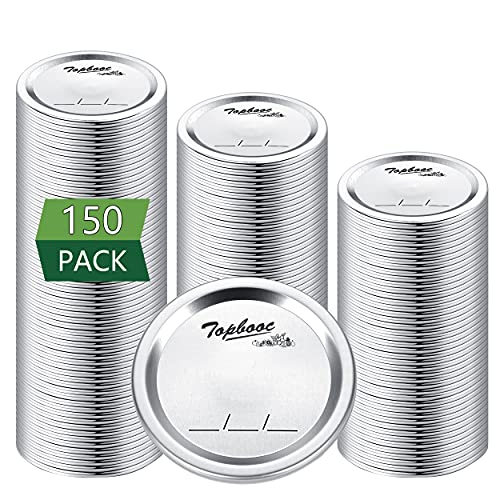
Two piece metal lids are the standard for home canning in many kitchens. The flat lid carries the sealing compound, and the band screws on to hold it during processing. After cooling, remove the band, check the seal, and store the jar without the band. Keep spare bands on hand, since a rusted or bent band can make tightening uneven.
Reusable Lids
Reusable lids appeal to canners who process often and want less waste. Some use a rubber gasket that can be replaced, while others use a seal design made for repeat use. Read the maker guidance closely, because reuse rules, tightening steps, and seal checks are not the same for every system. Inspect the gasket and lid body before each batch, and replace any part that shows wear, warping, or damage.
Silicone Stretch Lids
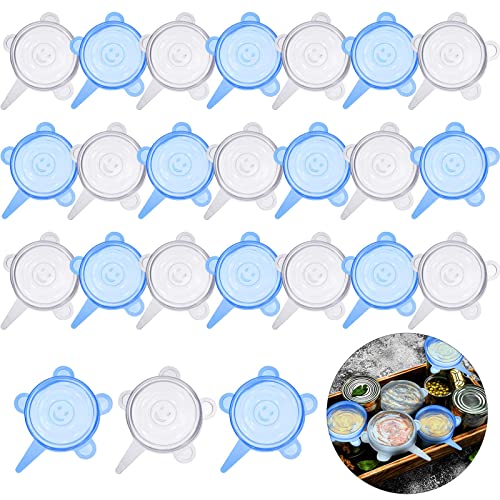
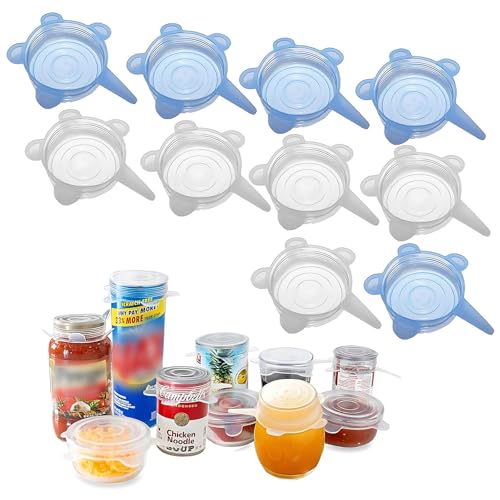
Silicone stretch lids stretch over bowls and jars of different sizes, which makes them handy for storage. They are not a substitute for a heat processed canning seal, and they should not be used for shelf stable canning. For fridge storage, transport, and dry goods, they are easy to wash and reuse. Choose a set with several sizes so you are not stretching a small lid over a large jar rim.
One Piece Storage Lids
One piece storage lids screw on in a single motion and are made for jars that will be opened often. They work well for grains, snacks, sauces in the fridge, and other foods that do not need a processed seal. They are not made to form a vacuum seal during canning, so keep them out of your canning kit. Label them clearly if they look similar to canning lids.
Common Mistakes to Avoid
- Using the wrong mouth size, which prevents a full seal from forming.
- Reusing a flat lid for canning when the maker says it is single use.
- Leaving bands on stored jars, which can hide a failed seal and trap moisture.
- Over tightening bands before processing, which can block air from escaping.
- Storing lids in a damp place, which can rust metal parts and damage seals.
- Mixing storage lids with canning lids and reaching for the wrong type during a batch.
Care and Maintenance Tips
- Read the maker instructions before first use, since seal systems differ.
- Clean and inspect lids regularly, and discard any lid with dents, rust, or a damaged seal.
- Store lids in a dry place, away from heat and moisture, in labeled containers by size.
- Dry bands fully after washing, and replace bands that are bent or rusted.
- Register the product for warranty if the maker offers that option.
For canning, follow tested recipes and the maker guidance for your jars, lids, and canner. If a jar does not seal, check the rim for chips, check the lid for damage, and follow safe handling guidance for unsealed food rather than guessing. When you need jars or full kits, see our guide to best canning jars in a paragraph about jar choice, and see our guide to best canning kits when you want bands, funnels, and lifters in one set. For everyday storage after a jar is opened, see our guide to best silicone stretch lids as a reusable storage option.
Frequently Asked Questions
What features matter most when buying canning lids?
Mouth size, seal condition, and the right design for your method matter most. A lid must match the jar opening exactly, and the seal must be free of dents, rust, or uneven coating. Two piece lids suit heat processed canning, while storage lids suit fridge and pantry use. Also check whether the maker allows reuse, since that changes the cost per use and the inspection steps.
How long does a canning lid last?
A flat metal lid used for heat processed canning is often single use, even if it looks undamaged after opening. Reusable lids last longer, but only when the maker allows reuse and the gasket stays in good shape. Storage lids can last for years with normal washing and care. Replace any lid that is bent, warped, rusted, or has a damaged seal, no matter how old it is.
How do I maintain a canning lid?
Wash lids and bands after use, dry them fully, and store them in a dry place sorted by size. Inspect each seal before a batch, and check bands for rust or bending. Keep canning lids separate from storage lids so the wrong type is not used by mistake. Follow the maker instructions for any reusable system, including when to replace a gasket or retire a lid.
How much should I spend on a canning lid?
Most home canners spend about $5 to $15 per pack of flat lids, depending on count and size. Reusable sets often cost about $10 to $30, but the price per use can be lower over time. Storage lids fall in a similar range. Budget for spare bands as well, since a bent band can spoil an otherwise good seal and is cheap to replace.
Are expensive canning lids worth it?
Higher priced lids can be worth it when they offer a durable reusable design, a reliable gasket, or a size that is hard to find. For standard two piece canning, a fresh lid in the correct size usually matters more than a premium finish. Spend more where it solves a real problem, such as repeat canning, a tight storage need, or a jar size that standard packs do not cover well.
Final Thoughts
The right lid is the one that fits your jar, suits your canning method, and passes a careful seal check every time. Fresh two piece lids remain the safe default for heat processed canning, while reusable and storage lids earn their place for repeat use and everyday jars. Keep sizes sorted, inspect seals before each batch, and follow maker guidance for reuse and storage. With those habits in place, best canning lids become a small cost that protects a much larger effort in the kitchen, so check the product table above before you order.