Best Canister Sets for Kitchens: 2026 Storage Guide
Disclosure: We may earn a commission when you buy through links on this page, at no extra cost to you. As an Amazon Associate I earn from qualifying purchases. Learn more

Canister sets keep flour, sugar, coffee and dry goods fresh and tidy. Compare materials, seals and sizes.
Your best canister sets choice shapes how your kitchen looks and how fresh your dry goods stay. Good canisters seal tightly, stack or line up neatly, and let you see at a glance what needs refilling. The product table below lets you compare sets by material, size and price.
Flour, sugar, rice, coffee, tea, and pasta all last longer in sealed, dry storage than in opened bags. Canisters also cut clutter, since uniform containers look tidier than a jumble of packets. This guide compares materials, seal types, and sizes, and helps you plan a set that fits your counter, your pantry, and your cooking habits.
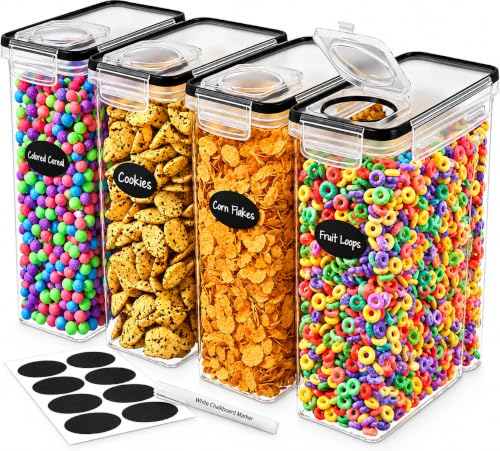


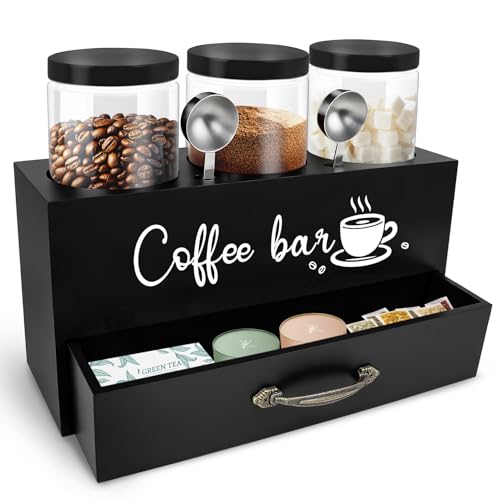

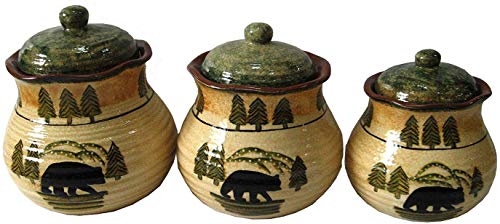
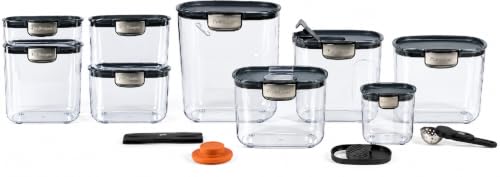

Who Should Buy a Canister Set
Everyday cooks benefit most, since they reach for flour, sugar, and rice daily and value quick, one handed access. A set on the counter keeps staples visible and encourages home cooking. Bakers need larger canisters for flour and sugar, plus smaller ones for baking powder, cocoa, and specialty flours.
Small kitchen owners use canisters to tame pantry chaos. Uniform square canisters waste less shelf space than round ones and stack better. Coffee lovers should keep beans in a dedicated airtight canister away from light, since coffee loses flavor fast in an opened bag.
Materials Compared
Glass canisters look beautiful, let you see contents at a glance, and do not absorb odors, but they are heavy and can break if dropped. Thick glass with a sturdy lid suits counter display. Ceramic canisters look lovely and block light, which helps coffee and tea, but they are heavy and you cannot see contents without opening them.
Stainless steel canisters are light, tough, and block light, but you cannot see inside, so labels matter. Plastic canisters are light, cheap, and shatterproof, but they can absorb odors and stain with spices. Bamboo lidded glass jars combine visibility with a warm look. Choose by priority: glass for visibility, ceramic or steel for light protection, plastic for budget and safety with children.
Seals and Sizes
The seal decides freshness. Silicone gasket lids with a clamp or screw closure seal best for flour and sugar. Simple lift off lids suit items you use daily, such as coffee, where convenience beats a perfect seal. Flip top lids suit one handed use but seal less tightly than clamps, so test the seal by closing an empty canister and trying to lift the lid by the top alone.
Size the set by what you actually store. A 5 liter canister holds a standard bag of flour, while 2 to 3 liter sizes suit sugar and rice, and 1 liter sizes suit coffee, tea, and smaller grains. Measure your shelf height before you buy, since tall canisters may not fit under cabinets. A graduated set with several sizes covers most kitchens better than identical jars.
Organization and Care
Label every canister, even clear ones, with contents and expiry dates, since flour and rice look alike at a glance. Store canisters away from heat and sunlight, and keep them dry inside. Wash and dry fully before refilling, since trapped moisture spoils dry goods and dulls flavor.
Rotate stock by finishing old contents before adding new, and check seals every few months for wear or warping. Replace a worn gasket promptly, since a loose seal defeats the purpose of the canister. A tidy, labeled set saves time every day and cuts food waste from stale or forgotten packets.
A Final Check Before You Order
Before you order, measure your shelf height, depth, and door clearance, since canisters that do not fit your shelves will live on the counter and crowd your workspace. Tall canisters look elegant but fail under low cabinets, while wide canisters waste depth on shallow shelves. Measure twice, including the lid height, and check that you can lift a full canister out without hitting the shelf above.
Check the lid type against how often you use each item. Clamp lids seal best for flour and sugar that sit for weeks, while flip top lids suit daily coffee and tea where one handed access matters. A set that mixes lid types by use often works better than a uniform set, so consider buying two smaller sets with different lids rather than one large uniform set.
Finally, check the material against your household: glass breaks if dropped by children, ceramic chips on tile floors, steel dents but survives, and plastic survives everything but stains with spices. Buy from a seller with spare lids or gaskets available, since a broken lid can retire an otherwise perfect canister. Keep the receipt until you have tried the set for a week.
Getting the Most From Your Choice
Once your set arrives, wash and dry every canister fully, then fill with fresh stock and label contents and expiry dates before the set goes on the shelf. A label maker or simple masking tape works, but label every jar, even clear ones, since flour, rice, and sugar look alike at a glance and mistaken ingredients ruin baking.
Keep canisters away from the stove, the dishwasher steam, and sunny windows, since heat and light degrade flour, coffee, and spices faster than time alone. A cool, dry pantry shelf preserves flavor far better than a pretty counter spot in direct sun. A tidy, labeled, well placed set saves time every day and cuts food waste steadily.
If your kitchen has open shelving, choose canisters that look good enough to display, since you will see them every day and a mismatched jumble quickly looks untidy. Uniform heights and matching lids give open shelves a calm, organized feel, while a single accent canister in a different material can highlight a favorite coffee or tea. On open shelves, wipe canisters weekly, since kitchen grease and dust settle on lids and dull the display faster than inside a closed pantry.
Related Buying Guides
If you want to compare a closely related option, our guide to best canister sets for kitchen covers the details that matter for that choice, so you can weigh it against the advice in this guide before you decide.
Frequently Asked Questions
What size canisters do I need for flour and sugar?
A 5 liter canister usually holds a standard bag of flour, while 2 to 3 liter sizes suit sugar and rice. Smaller 1 liter canisters suit coffee, tea, and specialty grains. Measure your shelf height before you buy, since tall canisters may not fit under cabinets. A graduated set with several sizes covers most kitchens better than a set of identical jars, and leaves room for baking extras.
Do canisters really keep food fresh longer?
Yes, when they seal well. Airtight canisters slow moisture, odors, and pantry pests, which keeps flour, sugar, rice, and coffee fresher than opened bags. The seal matters more than the material: a silicone gasket clamp lid seals better than a loose lift off lid. Store canisters away from heat and sunlight, and wash and dry them fully before refilling to prevent trapped moisture.
Glass or plastic canisters: which is better?
Glass canisters look beautiful, let you see contents, and do not absorb odors, but they are heavy and can break. Plastic canisters are light, cheap, and shatterproof, but they can absorb odors and stain with spices. Choose glass for counter display and visibility, and plastic for high shelves, children, or tight budgets. Either works well if the seal is good and the size fits your shelf.
How do I organize canisters in a small kitchen?
Use uniform square canisters, since they waste less shelf space than round ones and stack better. Label every canister with contents and expiry dates, and group by use: baking together, breakfast together, coffee and tea together. Keep daily items at hand height and rarely used items higher up. Measure shelf height and depth before you buy, so the set fits without wasted gaps.
How often should I clean canisters?
Wash canisters fully each time you empty one, before refilling, and dry them completely to prevent moisture spoiling dry goods. Wipe lids and gaskets regularly, since crumbs and flour dust collect in seals. Check gaskets every few months for wear or warping, and replace a worn gasket promptly. A clean, dry canister keeps food fresh and prevents stale flavors from old residue.
Final Thoughts
Choosing the best canister sets means balancing material, seal, and size for your kitchen. Glass suits display and visibility, steel and ceramic suit light protection, and a graduated set with strong seals suits most cooks. The product table above can help you compare materials, sizes and prices. Measure your shelves, label everything, and enjoy a pantry that stays fresh and tidy.