Best Bargain Dishwashers: A Buying Guide for 2026
Disclosure: We may earn a commission when you buy through links on this page, at no extra cost to you. As an Amazon Associate I earn from qualifying purchases. Learn more
Compare best bargain dishwashers by cabinet fit, noise, rack layout and drying method, and see what the lowest prices leave out before you buy.
A dishwasher that floods the kitchen or leaves grit on every glass is no bargain at any price. Shoppers hunting the best bargain dishwashers usually want one simple thing: reliably clean dishes without paying for programs and finishes they will never use. This guide walks through the checks that protect you at the low end of the market, from the first tape measure reading to the first leak free run.
The product table gathers the current options in one place, so you can hold each one up against your cabinet opening and your household as you read. Nothing here is a review of a single model. Instead, you will learn what the cheap shelf honestly includes, what it leaves out, and which corners are safe to cut.




Measure the Cabinet Opening Before Anything Else
The first rule of bargain shopping is not about price at all: measure the cabinet opening before you fall for any deal. Measure the width, height and depth at several points, because floors settle and cabinet faces are rarely perfectly square. A standard opening is about 24 inches wide, and a machine that is even slightly too wide turns a bargain into a return trip.
While the tape is out, check the path the new machine has to travel. Look at the door swing of nearby cabinets, the position of the water supply line and the drain hose route, and whether the dishwasher door will open fully without hitting an island or a handle. Installation goes smoothly only when the space, the plumbing and the electrical outlet all sit where the machine expects them.
What a Bargain Price Honestly Buys
At the entry shelf, around $300 to $450, the trade offs are plain. Insulation is thinner so more sound escapes, racks are usually fixed in position, some tubs are plastic instead of stainless steel, and the cycle list shrinks to the basics. None of that stops a machine from washing well, but it does mean you should not expect library quiet running or a rack that rearranges itself around a stockpot.
Higher up the bargain range, around $450 to $650, the money starts buying back the things people miss most. A stainless tub that resists odours and tolerates hotter drying, an adjustable upper rack, a third rack for cutlery and small items, and better sound insulation all tend to appear in this band. For many households this band is the honest bargain, because it keeps the features used every single day.
Star ratings need a careful eye at this price. Owners of the best ranked dishwashers often score a machine on its first month, while the problems of cheap machines, such as pump failures, rack coating rust and control faults, tend to show up later. Read the lowest scoring reviews for repeating patterns, and weigh a long run of mid range scores more heavily than a perfect average built on a handful of early reviews.
The Numbers and Parts That Decide Daily Life
Noise Ratings in Decibels
Decibel figures are maker figures recorded under controlled conditions, so treat them as a rough way to compare machines rather than a promise about your kitchen. As a guide, a machine rated around 55 dBA will be clearly audible in the next room, one around 50 dBA sounds close to normal conversation, and models rated under about 45 dBA suit open plan homes where the kitchen flows into the living space. If you plan to run the machine overnight, the quieter classes are worth real money even on a tight budget.
Tub Material and Rack Layout
A plastic tub keeps the price down and resists dents, but it can hold odours over time and limits how hot the drying cycle can run. Stainless steel tubs reflect heat back onto the load, which helps drying, and they shrug off stains from tomato based sauces. For racks, look at whether the upper rack adjusts in height and whether any tines fold down, because those two details decide whether tall glasses and a casserole dish can ride in the same load.
How Bargain Machines Get Dishes Dry
Heated dry uses an exposed element to bake water off, which works well on glass and metal but can be hard on lightweight plastic tubs and containers. Condensation drying relies on the hot stainless tub pulling moisture from the load, so it pairs naturally with steel tubs and asks you to wait a little longer. Many low priced machines simply pop the door open at the end or use a small fan, and in practice cracking the door yourself after the cycle finishes gives a similar result for free.
Energy and Water Figures
An ENERGY STAR label means the machine met a set efficiency standard on standardized cycles, which is a useful floor when you compare otherwise similar models. Efficient machines use around 3 to 5 gallons of water on a normal cycle, far less than most people use washing the same load by hand under a running tap. Remember that every figure on the label comes from standardized cycles, so a household that always runs the heaviest soil program will use more water and energy than the label suggests.
Filters You Clean by Hand
Most quiet and low priced machines use a manual filter that traps food soil so it cannot be sprayed back onto the dishes. That filter needs rinsing under the tap about once a month, a two minute job that many owners skip until glasses come out gritty. The alternative is a self cleaning design with a small grinder, which removes the chore but adds noise and one more moving part. Neither system is better in the abstract, so choose the one whose upkeep you will actually keep up with.
Three Shapes of the Best Bargain Dishwashers
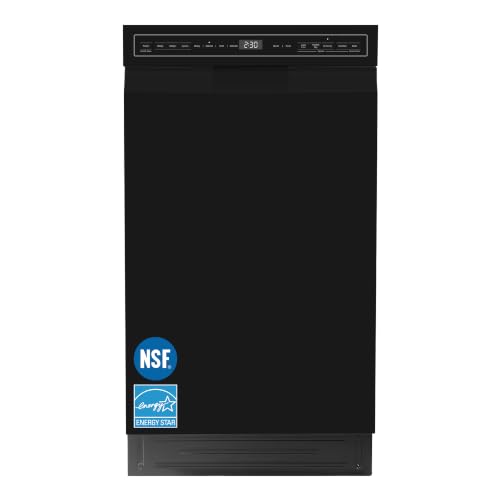
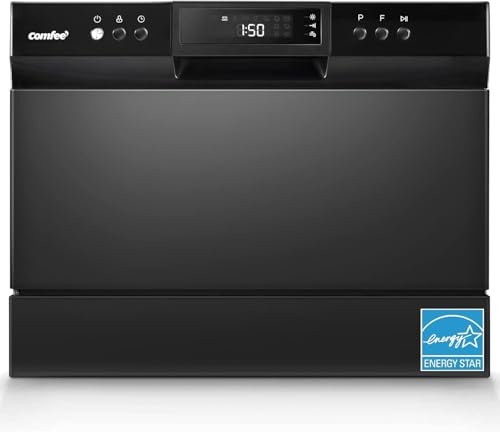
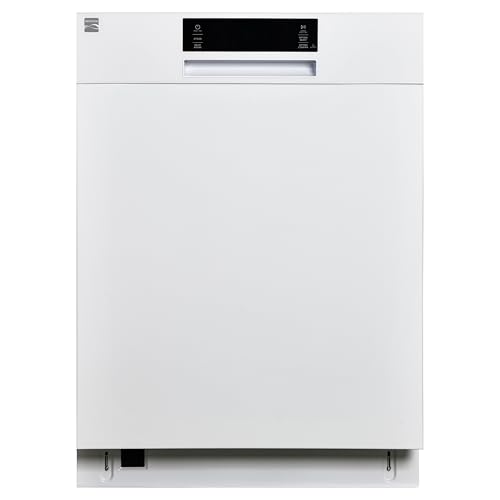
Nearly all of the best bargain dishwashers on sale fall into one of three shapes, and the shape matters before any feature does, because it fixes the installation work, the capacity ceiling and the price band you are shopping in.
Compact 18 Inch Machines
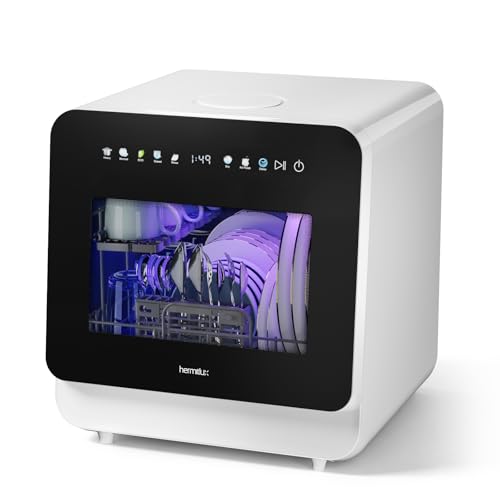
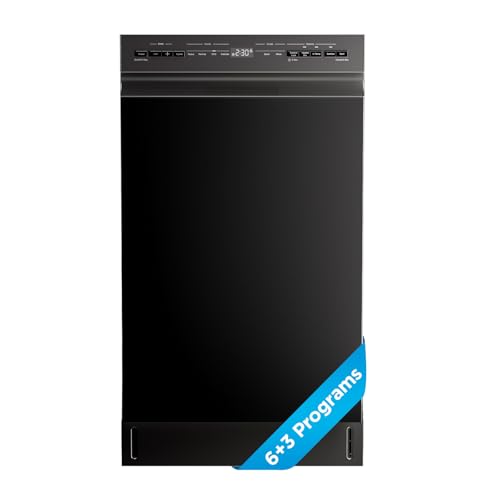
Compact machines are about 18 inches wide and hold around 8 place settings, which suits small kitchens, rental flats and households of one or two people. The racks are narrower, so wide sheet pans and large serving platters may need washing by hand even when everything else fits. Installation is the same as a full size machine, just in a smaller opening.
Standard Built In Machines
The standard built in class is about 24 inches wide and holds roughly 12 to 14 place settings, which is why it fills most family kitchens. This is where the widest bargain choice sits, because makers sell far more of this size than any other. If your opening measures the standard width, shop here first and let the compact classes be the fallback.
Countertop Machines
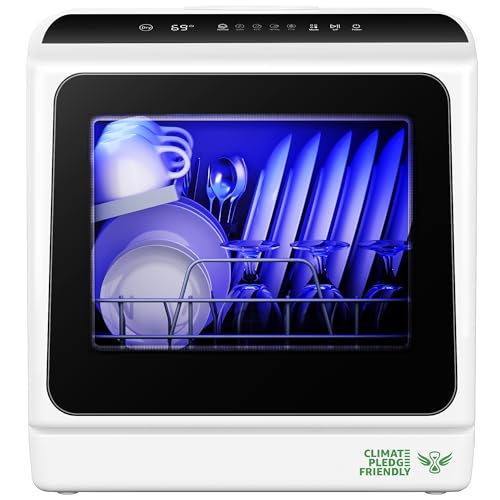
Countertop machines sit on the work surface and connect to the kitchen tap, holding around 6 place settings per load. They ask for no cabinet work at all, which makes them the only real option for many renters, but they give up a block of counter space and the hose and adapter need somewhere to live between washes. Check your tap type before ordering, because some modern taps cannot take the adapter.
Installation Day and the True Price
The sticker price is only part of what a bargain machine costs. Delivery, a new inlet hose and install kit, and haul away of the old machine can add about $100 to $250 to the bill, and a machine that looks cheapest on the shelf can stop being cheapest once those lines are added. Ask for the full delivered and installed figure before you compare two prices.
The work itself touches three systems: a water supply line, a drainage connection and an electrical supply that is either a standard outlet or a hardwired box. Local code in many areas requires a licensed installer or a plumber for the water side of the job, and some stores will not complete an install that does not meet local rules. Before the first wash, confirm that the shutoff valve under the sink actually turns, then run a short empty cycle while you watch the hose joints and the floor under the machine for leaks.
Two small checks on the day save trouble later. The machine should sit level in both directions, because a tilted tub drains poorly and a door that is out of square can weep at the corners. Keep the install kit receipt and the model paperwork with your home documents, since the first warranty conversation always starts with proof of purchase and the install date.
Small Care Habits That Protect a Cheap Machine
A bargain machine has less margin for neglect than a premium one, so small habits repay you quickly. Run the hot tap at the sink until the water is hot before you start a cycle, so the first fill is hot rather than lukewarm. Wipe the door gasket and the bottom edge of the door weekly, because that hidden ledge collects grease and food residue that no cycle reaches.
Detergent choice matters more at this price, not less. Powder lets you use less for a small or lightly soiled load, while pods dose the same amount every time regardless of load size. The guide to best dishwasher detergents explains the formats in detail, and matching the dose to the load keeps both the dishes and the machine cleaner. Finish with a rinse aid if your glasses dry spotty, since it helps water sheet off instead of beading.
Dishwashers: Your Questions Answered
How long does a bargain dishwasher usually last?
Most dishwashers last around 8 to 10 years, and a bargain model that is loaded sensibly and kept clean can reach the same span as a costly one. What usually ends a machine is a failed pump, a dead control board or a perished door seal, and once a repair estimate passes about half the price of a new machine, replacement is normally the better spend. Register the warranty and keep the receipt, because the first year is when faults show.
How quiet should a dishwasher be for a small apartment?
For a small apartment, aim for a rating of about 50 dBA or lower, and then think about distance rather than the number alone. A machine behind a closed kitchen door sounds far quieter than the same machine in an open plan room, and much of what neighbours hear is fill and drain noise travelling through the wall rather than the wash action itself. Running the machine in the early evening instead of late at night solves more complaints than a few decibels do.
Do I need to rinse dishes before loading a bargain dishwasher?
No, scrape off the solid food and load the dishes as they are. Modern machines use soiled water as information: on models with a soil sensor, fully rinsed dishes can trick the machine into running a shorter and weaker wash than the load needs. The honest exceptions are burnt on pans and very large bones or husks, which belong in the bin or in a soaking bowl rather than in the rack.
Is a third rack worth paying for on a budget model?
A third rack is worth it if your household fills the cutlery basket every day and cooks with a lot of long utensils. On some bargain designs, though, the extra rack takes height from the upper rack below it, so tall wine glasses may stop fitting on the very days you entertain. Measure your tallest everyday glassware before you pay for the feature, and treat the rack as a space trade rather than a free bonus.
Can I install a bargain dishwasher myself?
You can if you are confident with basic plumbing and your local rules allow it, and many owners do swap like for like without trouble. The risks are a slow leak you cannot see and a flood that your insurer may question if the work was not done to code. If the old machine is hardwired rather than plugged in, or if any pipework needs moving, that is the point where paying a licensed installer becomes the cheaper decision in the long run.
Final Thoughts
Start with the tape measure, then judge tubs and racks, then the noise class, and only then the price tag. Follow that order and the best bargain dishwashers stop being a gamble and become a short list of machines that fit your kitchen and your habits. Compare your finalists against the product table above, check the full installed price, and buy the one whose few compromises sit in features you genuinely will not miss.