
Best Campfire Blankets: Everything to Know Before Your First Purchase for 2026
Disclosure: We may earn a commission when you buy through links on this page, at no extra cost to you. As an Amazon Associate I earn from qualifying purchases. Learn more

Shopping for the best campfire blankets for the first time? Learn materials, sizes, and care basics in this clear checklist style buying guide.
Your first night around a fire with the wrong blanket teaches you a lot in about ten minutes. Thin fabric lets the cold creep in, loose weaves catch sparks, and a blanket that is too small leaves someone tugging at the corners all evening. This guide walks you through the best campfire blankets in plain language, from materials to sizes to care, so you can choose with confidence.
We will start with the basics, explain each key spec in simple terms, and finish with the mistakes first time buyers make most often. When you are ready to compare options side by side, look at the comparison table below and match each row against the checklist in this guide.
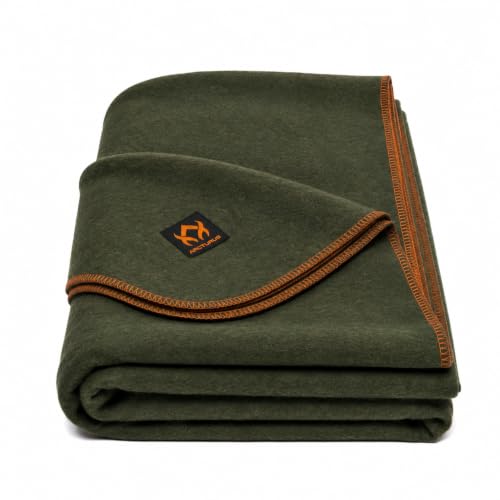


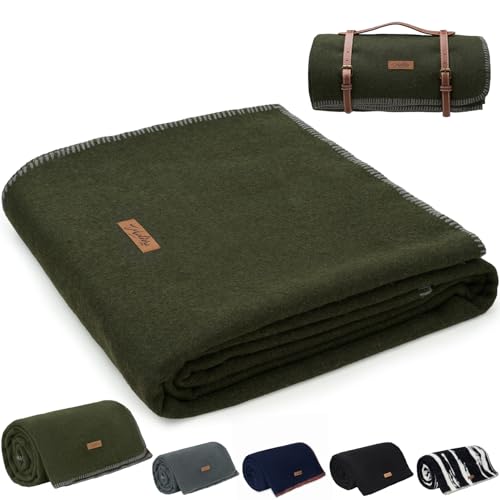
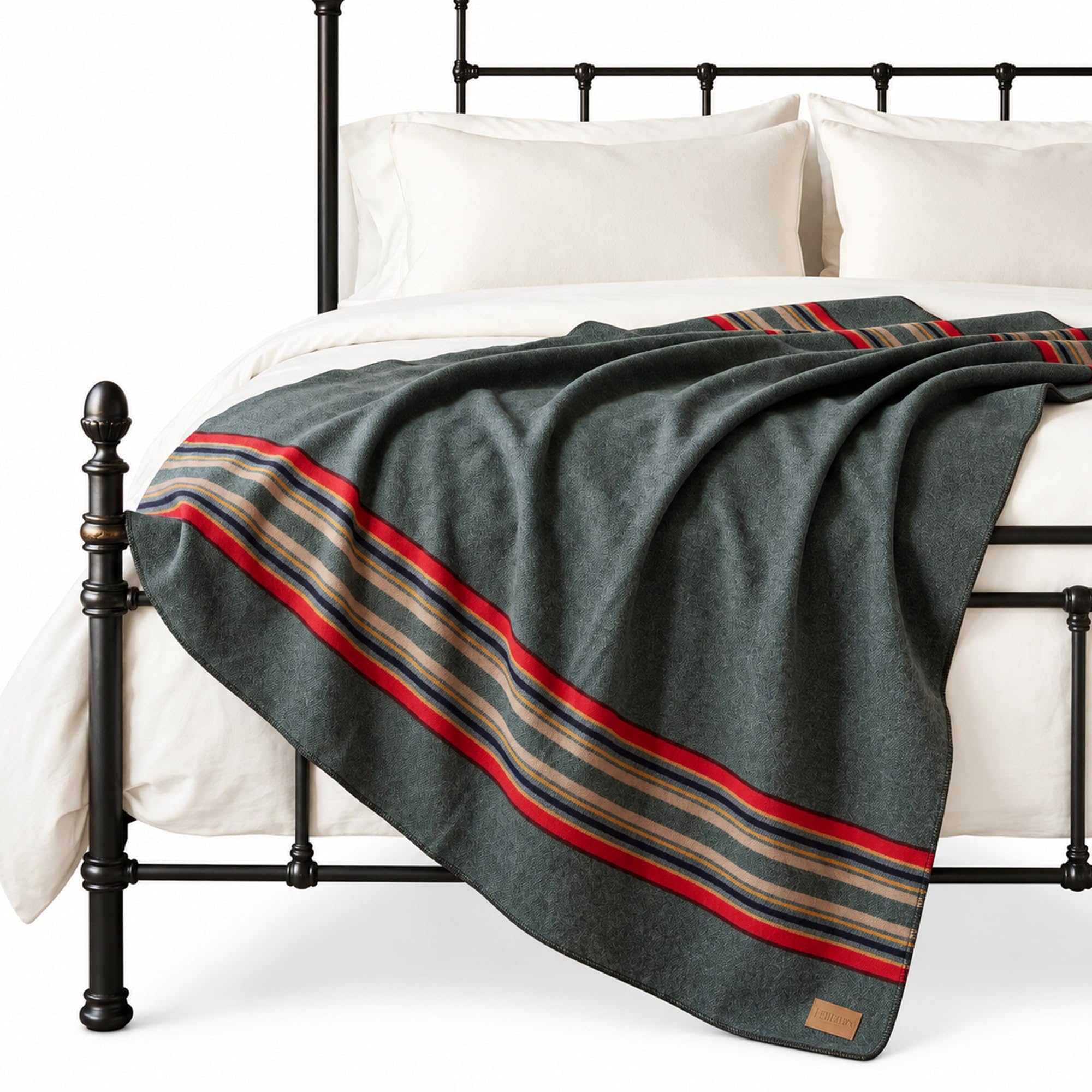
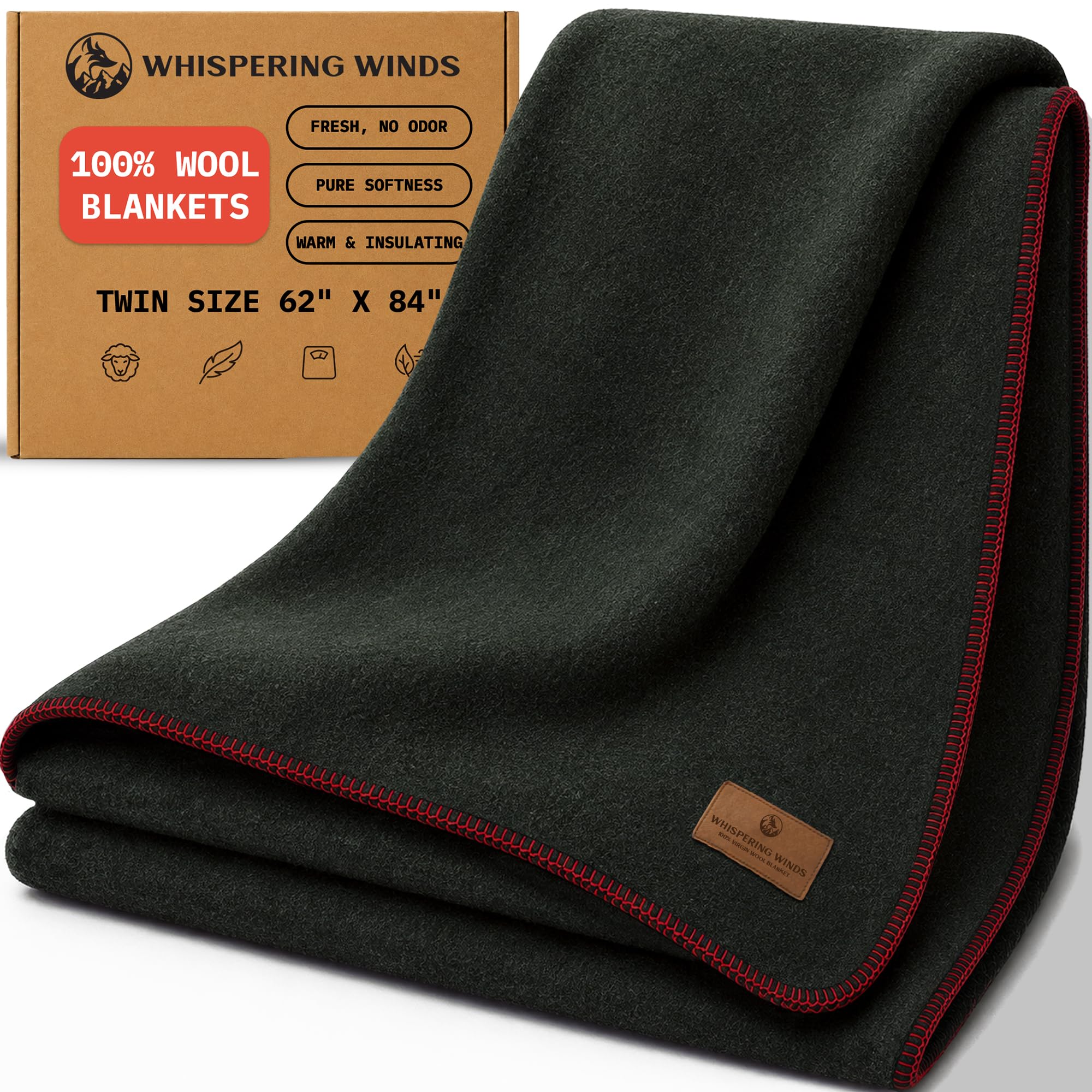

Campfire Blankets 101: The Basics
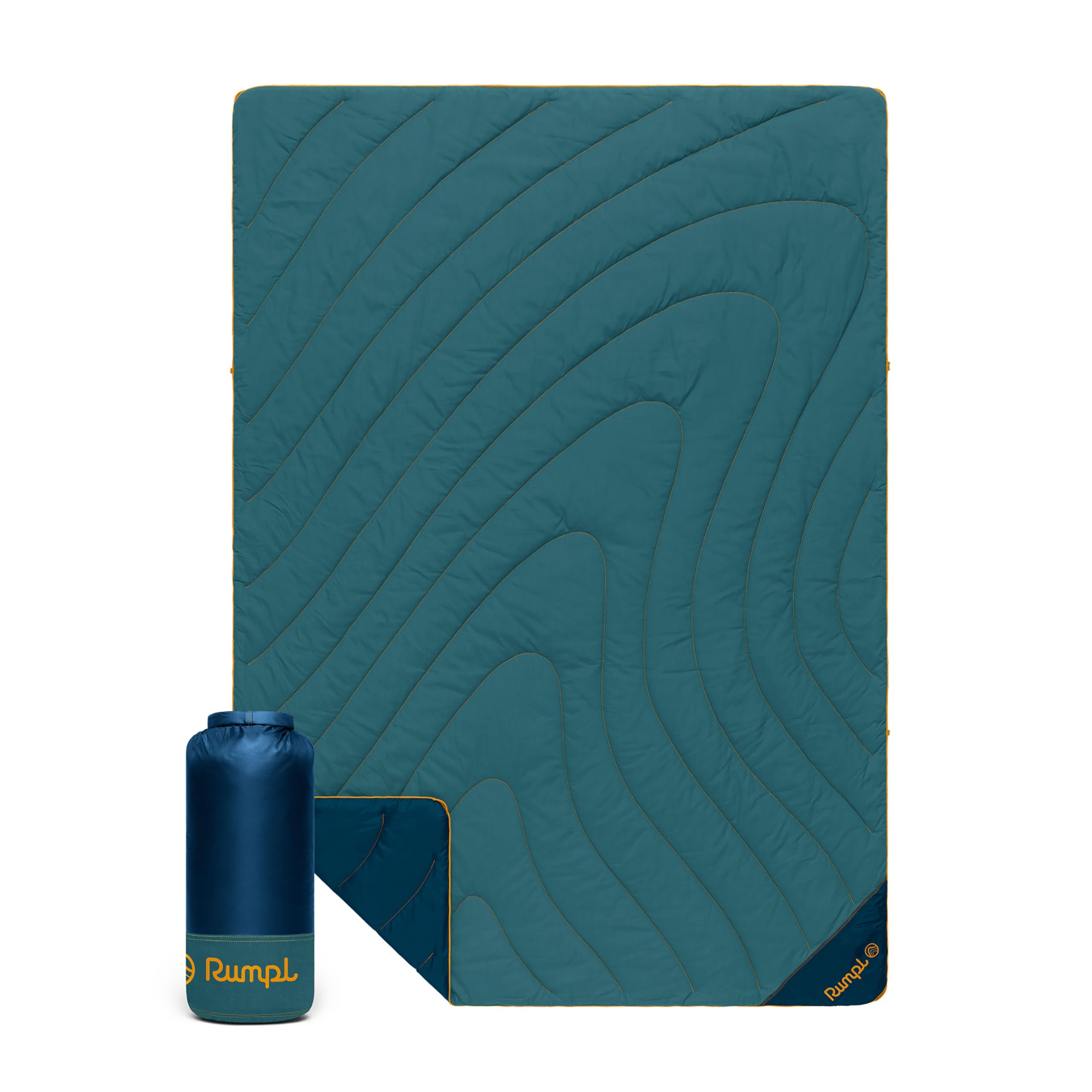
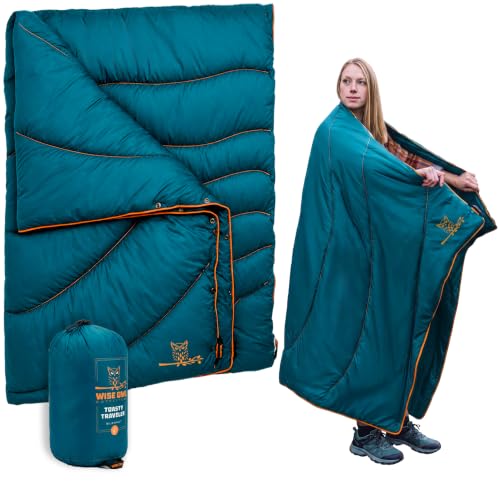
A campfire blanket is a sturdy outdoor blanket built to keep you warm beside a fire while standing up to sparks, rough ground, and smoke smells better than a household throw would. Most have a tough outer face that resists water and ash, plus an insulating layer that traps body heat. Some are woven from wool, a fiber campers have trusted for generations because it stays warm even when damp and shrugs off small embers.
You will see a few terms repeated in product listings. Loft means how much the insulation puffs up, and more loft usually means more warmth. Fill power and weight describe how much insulation you get for the size. A ground side or water resistant backing keeps dew from soaking through when the blanket rests on grass or a log. Finally, pack size tells you how small the blanket folds or rolls for the car or a storage bin.
Think about where your blanket will live most of the time. A blanket that rides in the truck for tailgates and cabin weekends can be big and heavy. One that you carry to a beach bonfire or a festival needs to fold small and shake clean fast. Naming that main use now makes every later choice simpler.
Key Specs Explained in Plain English
Material and Fill
Wool is the classic choice because it insulates when damp, breathes well, and tolerates stray sparks better than most synthetics. The trade off is weight and a scratchy feel some people dislike against bare skin. Synthetic fills such as recycled polyester feel softer, dry faster, and cost less, but they can melt if a hot ember lands and sits. Cotton canvas shells are tough and easy to wash, though cotton alone offers little warmth. Many good designs pair a rugged shell with a soft inner face, so you get durability outside and comfort inside. If you mostly sit close to the fire, favor wool or a tightly woven shell. If you mostly need a layer for cool bleachers and picnics, a synthetic fill keeps the price and the laundry simple.
Durability and Care
Look for tight stitching, bound or double stitched edges, and a shell that feels dense rather than papery. Sparks leave tiny holes in weak fabric, and frayed edges unravel fast once snagged on bark or a folding chair. Care labels matter just as much. Wool often needs gentle washing and flat drying, while most synthetic blankets go straight into a home machine. Ask yourself honestly whether you will follow special care steps after a smoky trip. A blanket you wash easily is a blanket you will actually keep clean. Shake out ash and let the blanket air outside before storing it, and keep it in a dry bin so mildew never gets a foothold.
Certifications to Know
Labels such as OEKO TEX signal that the finished fabric was screened for harmful substances, which is reassuring for a blanket that touches skin for hours. Wool buyers may see responsible sourcing marks that speak to animal welfare and land care. Flame resistance claims deserve a careful read, because no camp blanket is fireproof and honest brands say so plainly. Treat certifications as one signal among several, not as proof of quality by themselves. If you want a benchmark for fabric quality standards in general, our guide to the best quality blankets explains how mills label grades and finishes. When a listing hides its fiber content or care details, that silence tells you something too.
Warmth, Weight, and Comfort
Warmth comes from trapped air, so a thicker blanket with more loft will feel warmer than a flat weave of the same size. Weight works against you on any walk longer than a few hundred yards, so match bulk to how far you carry your gear. Comfort is personal. Some people love the firm, heavy drape of wool, while others want a plush face that feels like a couch throw. Sit with the decision by picturing your coldest expected night. A blanket for summer lake evenings can be light. A blanket for late fall fires in the mountains needs real insulation and enough size to wrap your shoulders and lap at once.
Rustle, Sparks, and Ground Moisture
Some water resistant shells rustle every time you move, which can annoy light sleepers at a quiet campsite. Softer shells stay quiet but may absorb dew faster. Spark behavior matters too. Wool tends to smolder and self extinguish at a small ember, while slick synthetics can melt into a hole. Neither makes a blanket safe to drape over logs near flames, so always keep fabric a clear distance from open fire. A water resistant ground side earns its keep on damp grass and sandy soil, and it wipes clean in seconds. If your group often sits on the ground, pair the blanket with seating from our roundup of the best campfire chairs so the blanket stays a wrap, not a floor mat.
Size and Fit
Solo wraps run around 50 by 60 inches, enough for one adult seated with legs covered. Two person blankets start near 60 by 80 inches and give a couple room to share without a tug of war. Oversize picnic styles spread wider for families but fold into a bulky roll. Measure your usual setup before buying. Check the width of your bench, the back seat of your car, and the bin where the blanket will be stored. A blanket that fits your space gets used. One that must be wrestled into place stays home. If kids share the blanket, extra width beats extra length, because small legs kick sideways more than they stretch out.
Rookie Mistakes to Avoid
- Buying by looks alone. A pretty plaid tells you nothing about warmth, spark behavior, or wash care, so read the fiber content and the care label before the color chart.
- Choosing a size that is too small. Seated warmth needs wrap around coverage, and most first time buyers underestimate how much fabric their shoulders and lap use at once.
- Sitting too close to the flames. Even wool can scorch, so keep a clear buffer and never use the blanket to shield anything from direct heat.
- Storing the blanket while damp or smoky. Trapped moisture breeds mildew and locks in odor, so air and dry the blanket fully before it goes back in the bin.
- Ignoring the care routine. A dry clean only blanket sounds fine in the store and feels like a chore after every single trip.
Getting Started: Setup and First Use
When your blanket arrives, shake it out outdoors and inspect the seams, corners, and edges under good light. Spread it flat for an hour so packing creases relax and any factory smell fades. Before your first fire, test the layout at home. Sit in your usual chair, wrap the blanket the way you plan to use it, and confirm your feet and shoulders stay covered when you lean for a drink or a marshmallow stick.
At the fire, keep the blanket on the upwind side of your body and off the ground when you can. Sparks travel farther than most people expect on a breezy night. After the trip, shake out ash away from the fire pit, brush off dirt, and hang the blanket over a rail until it feels fully dry. Wash only as often as the label suggests, since overwashing wears out water resistant finishes. For indoor layering on cold nights, some readers also keep a plug in option, and our guide to the best heated blanket covers that different job in detail.
Campfire Blankets: Your Questions Answered
How do I wash campfire blankets safely?
Start with a good shake outdoors to remove ash and grit, which protects both the fabric and your machine. Wash cold on a gentle cycle with mild detergent unless the label says otherwise, and skip fabric softener because it can coat fibers and reduce water resistance. Wool styles often do better with hand washing and flat drying. Dry on low heat or line dry in shade, and store only once the blanket feels dry all the way through.
What material stays warmest beside a fire?
Wool usually stays warmest for its weight in damp, smoky conditions because its fibers keep insulating after absorbing moisture. Thick synthetic fills feel warmer on dry nights and cost less, but they dislike direct ember contact. The honest answer depends on your climate. Wet coastal campers lean wool, while dry desert campers often do fine with a plush synthetic wrap and careful seating distance.
Are spark resistant blankets worth it?
They are worth it if your group sits near open fires often, because resistance buys you seconds to brush an ember away before it burns through. No blanket is fireproof, so the feature never replaces smart distance and supervision. Think of it as damage control rather than permission to sit closer. Households that mostly use a raised fire pit with a screen may value easy washing more than spark resistance.
How often should I replace my campfire blanket?
Replace it when the insulation feels flat and cold, the shell shows thin spots or many ember holes, or odors survive a proper wash and a day of fresh air. A well kept wool blanket can serve for many seasons of regular use. Heavy family use, ground duty, and frequent machine washing shorten that life. Small edge frays can be stitched early, which often adds another season or two of service.
What size campfire blanket suits two people?
Look for at least about 60 by 80 inches so two seated adults can cover laps and shoulders without pulling the edges back and forth. Bigger is not always better, since an oversize blanket drags in ash and takes more storage room. If one person runs much colder than the other, two solo blankets often end the sharing battle entirely. Our overview of the best throws and blankets helps if you are also sizing indoor layers for the same household.
The Bottom Line
For most first time buyers, the winning formula is simple. Pick a material that matches your climate and your distance from the flames, size up enough for a real seated wrap, and choose care steps you will honestly follow. Wool rewards campers in damp country, while synthetic fills reward anyone who wants low prices and easy laundry. Compare your finalists in the product table above against those three points, and the best campfire blankets for your crew will stand out quickly. Keep the blanket dry, clean, and a safe step back from the fire, and it will earn its place on every trip.


