
Best Campfire Chairs by Budget for 2026
Disclosure: We may earn a commission when you buy through links on this page, at no extra cost to you. As an Amazon Associate I earn from qualifying purchases. Learn more

Compare the best campfire chairs by budget, see what each price tier adds in frame strength and comfort, and learn which fabrics suit fireside use.
A chair beside a fire has a harder job than a chair anywhere else outdoors. It faces heat on one side and cold air on the other, drifting smoke, and sparks that test every fabric. It also hosts the longest sitting of the day, since nobody rushes away from a good fire. This guide sorts the best campfire chairs by budget so you can see what each price step buys for fireside duty.
The comparison table below sets the bands side by side with seat height, packed weight, and rated capacity. After the tiers, a full section covers fire proximity and placement. The safest and most comfortable chair is still the wrong chair if it sits too close to the flames or tips on rough ground.
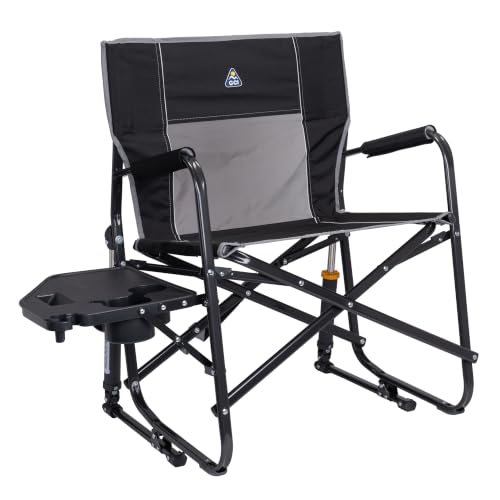


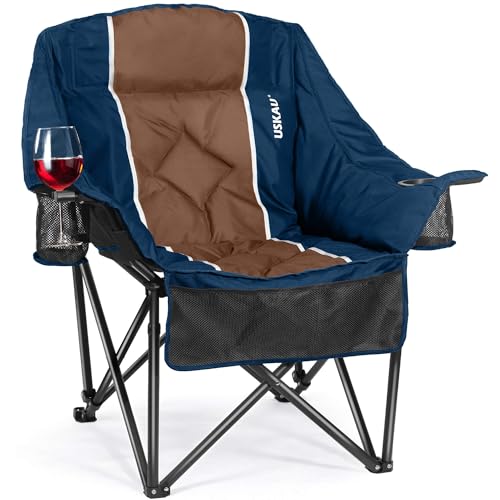


What Each Price Band Buys for Fireside Sitting
All three bands sell chairs that look similar in photos, so this section separates them by what the money actually changes: frame gauge, fabric density, and how the chair holds up to heat, dew, and weekly use. Fire nights are long, and small build differences compound over a single evening.
Under About $35: Simple Seats for Occasional Fire Nights
Chairs under about $35 use light steel tube frames, thin polyester fabric, and basic folding joints. Maker ratings usually sit near 225 pounds under ideal loading, and seat heights run low. For a few backyard fires a year, that is a fair trade, and these chairs make sensible spares when a crowd gathers around the ring. Keep expectations modest and they serve fine.
The weaknesses show exactly where fireside use is hardest. Thin fabric takes spark pinholes quickly, stitching loosens after a season of folding, and the frame develops play at the joints. Dew soaks the seat overnight and the chair dries slowly the next day. If your fire pit works every weekend, this band becomes the expensive way to buy chairs.
About $35 to $80: The Band Most Backyards Need
The middle band brings thicker frame tubes, denser fabric, and stitching that survives years of folding. Canvas blends and padded seats appear here, wider seats become common, and maker ratings climb toward 300 pounds. Chairs in this band feel steady on both grass and patio stone. For a household that lights a fire most weekends in season, this is where the value sits.
You still give up a few things. Recline mechanisms and rocker bases stay rare, warranties run shorter than the top band, and steel frames in this range need a covered spot for winter storage. None of that matters much at the fireside itself. What matters is that the chair stops wobbling, the fabric shrugs off the odd spark, and nobody fights to get up for another log.
About $80 to $180: Heavier Builds for Weekly Fires
Top band chairs spend the money on heavy gauge steel or aluminum frames, dense fabrics, and hardware built to be tightened rather than replaced. Reclining backs, rocker bases, and oversized widths live in this band, along with longer warranties. Some makers sell replacement covers, which changes the ownership math for a chair that stays by the same fire pit for years.
The honest catch is weight and size. These chairs are furniture, not travel gear, and moving a set of four around a yard is real work. Past about $140 the gains shrink to finish quality and small comfort details. Buy here when the fire pit is a fixed feature of your yard and the chairs will work a hundred nights, not ten.
Fire Proximity: Placing Chairs Safely Around the Flames
Set chairs back from the fire ring far enough that you feel warmth rather than heat stress, and follow any distance rules your campground or local fire code sets. Sparks and embers ride the wind well past the ring on dry, breezy nights, so the safe distance grows when the wind picks up. If your shins feel hot through your jeans, you are too close, for your skin and for the chair. When the wind shifts, move the chairs, not just your feet.
Never leave a fire unattended, and never leave chairs crowded against a ring when you head inside for the night. A chair that tips into cooling coals can smolder unnoticed for hours.
A bucket of water or a garden hose kept by the ring makes dousing a tipped chair fast instead of a scramble. When you move a chair that has sat near the flames, lift it by the frame tubes rather than the fabric. Metal armrests and frame parts conduct heat and can be hot enough to burn skin even when the fabric feels fine.
Ground matters more beside a fire than anywhere else. A chair that rocks on uneven soil puts a relaxed sitter one lean away from the ring, so seat every chair on the flattest ground you have and test it with a firm push before anyone settles in. One honest warning: alcohol is part of many fire nights, and tipping out of a low chair after a few drinks is a common way people get burned. Keep the lowest chairs for sober sitters, or choose taller and steadier builds when the cooler comes out.
Keep children farther back than adults, in chairs they cannot rock or climb, and supervise the whole time. Folding frames pinch small fingers at the scissor joints, so open and close every chair yourself. A row of chairs is seating, not a fence. The seating line only works when an adult enforces it.
Fireside Features That Earn Their Price
Four features decide how a chair behaves across a long fire night. Judge them in this order and the budget mostly spends itself.
Seat Height, Back Angle and Staying Comfortable for Hours
Low slung chairs aim your legs toward the fire and feel right for the first hour. They are also the hardest to rise from, and by the third trip for firewood that matters. Seats around 17 to 19 inches with solid armrests suit older sitters and anyone with stiff knees far better. A taller back blocks cold air moving behind you, which counts for more than most buyers expect on still, cold nights.
No chair treats back pain, whatever the listing claims. Fit and regular movement do the real work, so stand, stretch, and take your turn tending the fire. A chair that fits your body lets you sit longer between those breaks. That is the whole of the promise, and it is enough.
Canvas, Polyester and Wood Accents
Canvas is heavy and slow to dry, but it chars rather than melts under a stray spark, so damage stays a small mark instead of a growing hole. Thin polyester does the opposite: it melts, and a pinhole becomes a tear line across a season. Blends land between the two and suit most buyers. Denier numbers still guide fabric strength, with higher numbers meaning thicker yarn.
Wood armrests look right beside a fire and stay cooler to the touch than bare metal on a hot night. They need occasional oiling and can crack if left wet through winter. Plastic armrests shrug off weather but feel cheap and flex under a pushing hand. Match the material to how the chair will live: covered storage forgives canvas and wood, open yards favor synthetics and aluminum.
Holders, Pockets and Keeping Drinks Out of the Ash
A cup holder earns its keep every single fire night. Bottles set on the ground tip into ash, roll under chairs, and get stepped on in the dark. Side pockets keep phones and lighters off the ground too, and a pocket on the shaded side of the chair keeps a phone away from direct fire heat.
Plate sized side tables help during cookouts, though they add width that tight rings cannot spare. Skip novelty add ons like bottle openers built into armrests, which mostly collect grime.
Folding, Storage and Rust Between Fires
Backyard chairs live a harder storage life than travel chairs. Steel frames rust at scratches and joints when they sit wet, while aluminum shrugs off weather at a higher price. Folded size decides whether the set fits a garage corner or a deck box.
Check stored chairs each spring for wasp nests and mouse damage before the first fire, because fabric folds make fine shelter all winter. Folding the set away after the last fire of a trip, rather than leaving chairs open around a cold ring all week, also keeps the fabric out of the weather between uses.
Campfire Chairs for Specific Needs
Most fireside buying comes down to where the fire lives. A chair that never leaves the yard and a chair that travels to campsites want different builds. Readers setting up a fixed patio fire area can also see our guide to the best chairs for around a campfire, which covers permanent arrangements that never fold away.
Best Mesh Campfire Chairs
Mesh is the specialist fabric of the fireside world, brilliant in summer and wrong for spark heavy fires. An open weave drains rain and dew instead of pooling them, so the seat is dry by the time the evening fire starts. Air moves through the back panel on hot nights when the fire warms your front and the mesh keeps your back from sweating. Beside a gas fire table, where there are no sparks at all, mesh is close to ideal.
The limits are just as clear. Sparks pass through an open weave or melt single strands, and the damage spreads as the weave loosens around each hole. Mesh blocks no wind, so cold evenings feel colder than in a solid fabric chair.
It also stretches under weight over time, slowly lowering the seat. Choose mesh for summer fires, gas flames, and wet climates, and keep it well back from wood fires that throw sparks.
Best Backyard Campfire Chairs: Where Your Money Goes
A backyard chair never rides in a trunk, so every dollar spent on light weight is a dollar wasted. Spend instead on frame gauge and fabric density, the two things a fixed fire pit tests weekly. Width is free here too: a permanent ring has room, so wider seats with real armrests fit without the packing compromises travel forces. Looks count more than campers admit, since the set sits in view every day of the year.
Weather is the other backyard bill. Chairs that live outside need covers or a storage spot, and steel needs paint touched up at scratches before rust takes hold. Put the savings from skipping travel features into a cover and a can of touch up paint. That combination, more than any premium badge, decides whether a backyard set still looks good in its fifth year.
Long Term Costs to Factor In
A cover costs about $15 to $30 and pays for itself the first winter. Replacement fabric is rarely sold for budget chairs, so a torn seat usually means a new chair, while top band makers sometimes sell covers and bags separately. Rust treatment, touch up paint, and a set of replacement feet add small yearly costs to steel frames stored outdoors. Add these up and the middle band often beats the budget band on cost per season.
Daily habits matter as much as money. Brush ash off fabric after each fire, because ash worked into a weave stains and grinds the fibers with every fold. Bring cushions indoors rather than leaving them on the chair.
Store the set dry, since mildew grows on fabric folded away damp and the smell never fully leaves. Ten minutes of care after the last fire of a trip is the cheapest upgrade any chair gets.
Campfire Chairs: Your Questions Answered
How far from the fire should a campfire chair sit?
Start with the warmth test: close enough to feel gentle heat, never close enough that your legs feel hot. Then adjust for the evening, because wind direction decides where sparks land and it rarely stays fixed for hours. If smoke keeps drifting into your face, sparks are traveling the same path, so swing the seating line around. A visible ring of stones or a log line helps guests judge the distance without guessing.
Can I leave campfire chairs outside all season?
You can, but the chairs will age in fast forward. Sun weakens fabric and thread in ways you cannot see until a seam gives way, and cushions mildew inside even when the covers look dry. Freeze and thaw cycles crack plastic joint hubs across a single winter. Covered storage, or even a tarp weighted at the corners, removes most of that damage for very little effort.
Are campfire chairs safe for young children?
They are safe only with active supervision and the right seating plan. Place children between two adults, never on the fire side of the group, and choose chairs with locking frames that a small body cannot rock. Keep the walking path behind the chairs clear, because most fireside accidents happen when a child trips near the ring rather than while sitting. Teach kids that chairs stay where the adults place them.
How do I get campfire smoke smell out of chair fabric?
Air the chair in sun and breeze for a full day first, which clears most of the smell on its own. For stubborn odor, sprinkle baking soda over the fabric, leave it overnight, and brush it off outside. Removable covers can be washed if the care label allows it. Store the chair away from the firewood stack, since stacked wood keeps feeding the smell back into stored fabric.
Do padded campfire chairs actually keep you warmer?
Padding helps a little, by insulating your underside from cold air moving beneath the seat. Wind at your back steals far more heat, so a tall solid back panel or a simple blanket does more than thick foam. Mesh chairs do the opposite and feel coldest of all on still nights. Treat padding as a comfort feature first and a warmth feature a distant second.
Final Thoughts
Buy by frequency first: occasional fires forgive a budget chair, weekly fires repay a heavier build. Then match the fabric to your fire, solid and dense for wood sparks, mesh for gas flames and wet summers. Keep the placement rules from the safety section and the chairs will last as long as the frames allow. The product table above lines up the bands for a final comparison, and the best campfire chairs for your yard are the ones still standing straight, dry, and unburned after many seasons of use.


