
Best Campervan Toilets for 2026: Matching the Right Model to Your Routine
Disclosure: We may earn a commission when you buy through links on this page, at no extra cost to you. As an Amazon Associate I earn from qualifying purchases. Learn more

Match the best campervan toilets to your van and trips: compare tank size, flush type, seat height and emptying, with simple lift, fit and seal checks.
No single toilet suits every van, because your routine decides what matters most. Short trips reward a small unit you can lift out and rinse at home, while long tours reward capacity and a sealed system at the dump point. The best campervan toilets fit your space, your trip length and your tolerance for emptying, so use the comparison table below to check each option against those points.
Start with honest answers. How many people will use the toilet, how many nights pass between dump points, and where will the unit live while you drive, cook and sleep? A toilet that blocks a bed fold or a shower door soon becomes a burden, even if its tank is large.




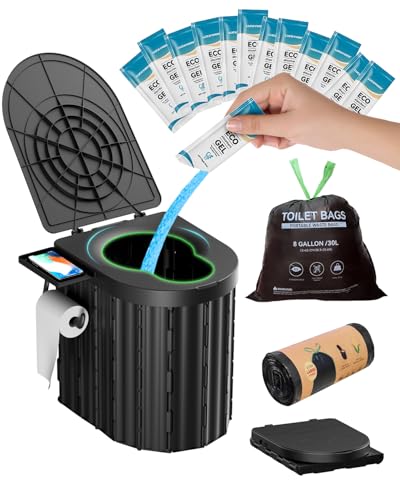
Who Should Buy Which Campervan Toilets?
Buy for the trip you take most often, not the longest trip you imagine. A toilet too large for daily van life is a worse problem than an extra emptying stop on a rare long tour.
Weekend Travelers Who Empty After Each Trip
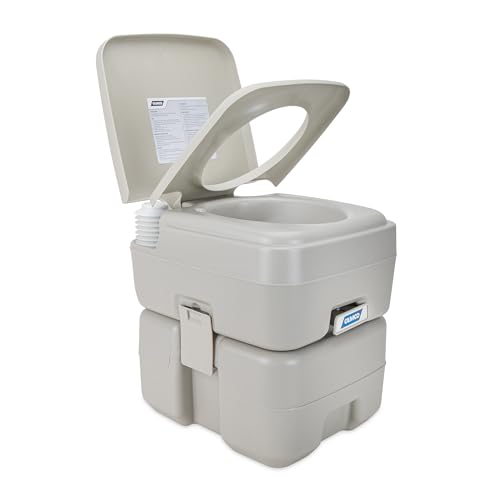
You travel for one to three nights and value simple storage over large capacity. Choose a compact portable chemical toilet or a small cassette unit with a tank of about 2.5 to 3.5 gallons, enough for two people on a short trip. A simple manual flush keeps cost down and avoids wiring.
Full Time Travelers and Couples on Long Tours
You live in the van for weeks, so capacity, comfort and a reliable seal shape your day. Choose a fixed cassette toilet or a larger portable unit of about 4 to 5.5 gallons, with a level indicator and a pour spout you can aim with control. A seat height of about 17 to 19 inches, close to a home toilet, matters with daily use.
Off Grid Campers Who Want to Use Less Water
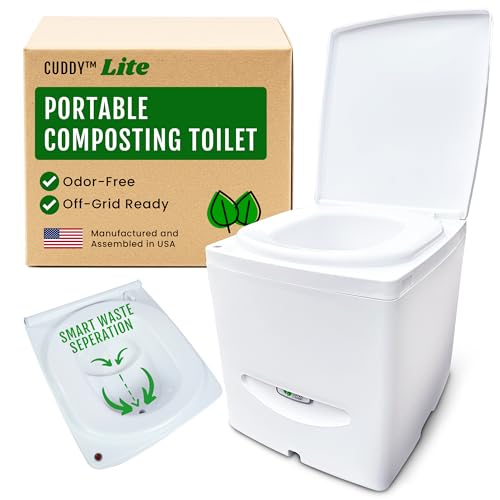
You camp away from hookups and dump points, and you want to stretch fresh water and holding capacity. Choose a separating composting toilet, which keeps urine apart from solids so the solids bin fills slowly and odor stays low with a small vent fan. This route needs a 12 volt supply for the fan, dry media such as coco coir, and a plan for the urine bottle every day or two.
Matching a Toilet to Specific Van Needs
A van with a wet room suits a fixed cassette emptied through an outside hatch, while a van with no shower space often suits a unit that slides under a bench and comes out only at night. When you compare the best campervan toilets for your layout, measure the storage spot, the path the cassette takes out of the van and the knee room you need, then let those facts rule out the rest.
Best and Worst Campervan Toilets: What to Prioritize
Sorting the best and worst campervan toilets comes down to three practical tests. First, can you lift and pour the full tank without spilling at a real dump point? Second, does the seal close firmly every time, because one weak seal can scent the whole van in warm weather? Third, can you buy seals, valves and other wear parts easily years after purchase?
Key Features to Compare
Compare features in the order you will feel them: fit first, then capacity, then emptying, then daily comfort.
Toilet Type and How Waste Is Held
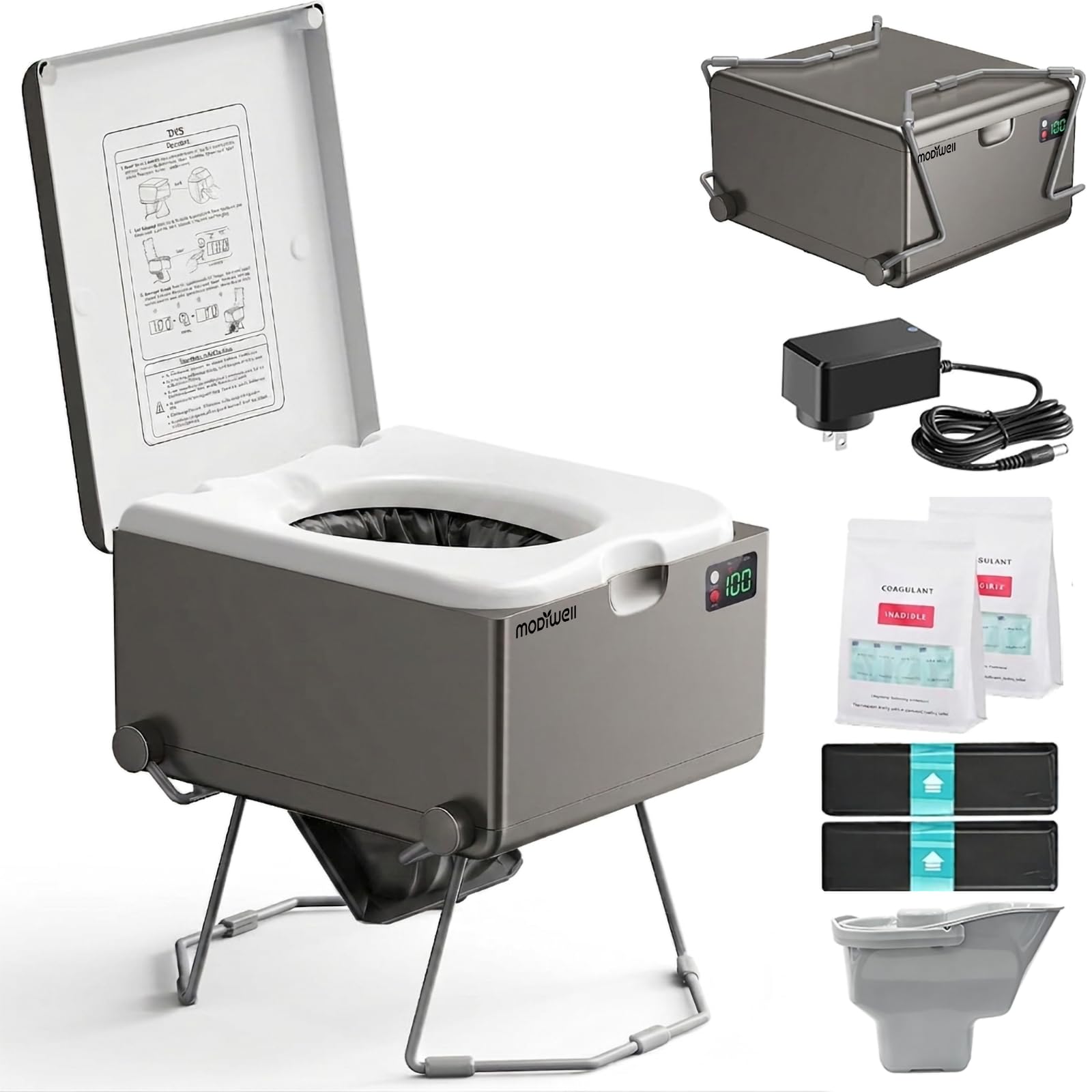
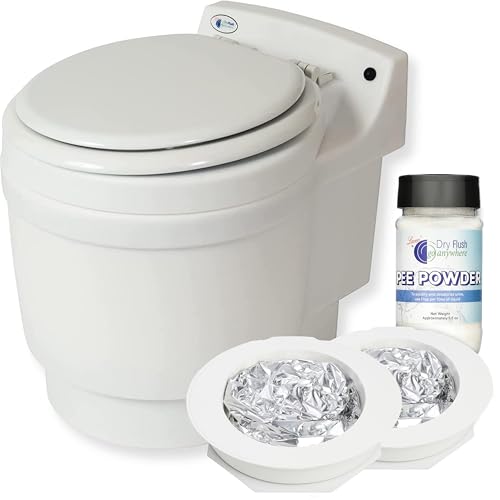
Portable chemical toilets hold waste in a sealed lower tank with additive, while fixed cassette toilets work the same way but slide out through an exterior door. Separating composting toilets divert urine to a bottle and keep solids dry, and simple bag based dry toilets suit rare night use. If a removable unit suits your layout, see our guide to the best portable toilets for campervan for portable options in more depth.
Waste Capacity and How Often You Must Empty
Capacity decides how relaxed a trip feels. Two adults fill about 1 gallon of tank space per day with regular use, so a 3 gallon tank suits a long weekend and a 5 gallon tank suits about four to five days. A full 5 gallon cassette can weigh more than 40 pounds, so a smaller tank you can lift safely often beats the largest tank on paper.
Size, Seat Height and Fit Inside the Van
Measure the footprint, the height and the working space around the spot, not the shelf size alone. Many portable units stand about 12 to 17 inches tall, while fixed models sit higher and feel closer to home. Your knees need clear space in front, the lid needs room to open fully, and a cassette needs a straight pull out path.
Emptying, Seals and Odor Control
Emptying should feel routine, not risky. Look for a rotating pour spout, a vent button that lets air in as you pour to prevent splashing, and a cap that seals the spout for transport. A blade valve or lid seal keeps odor inside the tank between uses, and a level indicator warns you before the tank is brim full.
Water Use, Flush Style and Power Needs
Flush style changes your water budget. Manual piston or bellows pumps use no power and sip water from a small built in tank of about 2 to 3 gallons, while electric flush models draw on the van supply and need a 12 volt feed. Composting toilets skip flush water entirely, though the fan draws a small, constant amount of power.
Weight, Build Quality and Ease of Cleaning
The body should feel rigid when you sit and shift your weight, with a seat and lid that do not flex or creak. Smooth molded plastic with few seams rinses clean faster and gives waste fewer edges to cling to. Check how the bowl, tank and seat separate for a deep clean, and whether the maker sells replacement seals and valves.
Common Mistakes to Avoid
- Buying the largest tank without lifting a similar weight first leaves you struggling at the dump point with a load you cannot pour safely.
- Measuring the cupboard but not the door opening means the toilet you chose cannot enter the space you planned for it.
- Using thick household paper in a chemical cassette clogs the tank and makes emptying slow, messy and hard to rinse clean.
- Choosing a composting toilet without a power point for the fan lets odor build, because separation alone does not move air out of the van.
- Storing a cassette toilet with waste still inside over winter damages seals and leaves a smell that is very hard to remove later.
Care and Maintenance Tips for Campervan Toilets
After each emptying, rinse the cassette or tank with clean water until it runs clear, and leave the cap off briefly so the inside can dry. Use only additives and cleaners made for your system, and check guidance such as our guide to the best for cleaning toilets before using a strong household product, because bleach based cleaners can harden seals.
Once or twice a year, clean and lubricate the lip seal with the silicone grease the maker specifies, and inspect the blade valve for grit that stops it closing fully. Replace a flattened or cracked seal early, because a new seal costs little next to a leak on the road. Store any toilet empty, clean and dry, with the valve open so the seal keeps its shape.
Frequently Asked Questions
Can you empty a campervan toilet at a regular home toilet?
You can empty a cassette or portable tank into a home toilet or a designated chemical disposal point, as long as local rules allow it and your additive suits that drain. Pour slowly, keep the spout low to limit splashes, and flush twice. Never empty chemical waste onto the ground or into a storm drain.
What toilet paper should you use in a campervan toilet?
Use paper that breaks apart quickly in water. Options in our guide to the best toilet paper include rapid dissolving types made for holding tanks. Use fewer sheets than at home, and never flush wipes, because even flushable types tangle around valves and cause blockages in small tanks. Keep the packet sealed and dry inside the van.
Does a composting toilet smell inside a campervan?
A composting toilet in a campervan produces very little odor when the vent fan runs and urine stays separate from the solids. If a strong ammonia smell appears, urine is usually reaching the solids bin, so check the diverter position and empty the bottle sooner in hot weather. Carry spare dry media so a refill never runs out during a trip.
How do you stop a campervan toilet from moving while driving?
You stop a campervan toilet from moving by giving it a fixed home rather than relying on friction alone. A shallow tray with a lip, a strap across the base, or a cupboard made close to its footprint all work well. Fixed cassette models solve this by design, because the bowl is fixed down and only the cassette travels.
Is a fixed cassette toilet worth fitting in a small campervan?
A fixed cassette toilet is worth fitting in a small campervan only if you travel often enough to value outside emptying and a home height seat every day. The install needs a level floor spot, an exterior hatch and, for electric flush models, water and power feeds, which take cupboard space.
Wrapping Up
Decide by system first, then by fit, then by how the emptying day will actually feel. Weekend users can keep things small and simple, long tour couples should protect capacity and seat comfort, and off grid campers gain the most from separation and low water use.
Use the product table above to compare capacity, height and system with your measurements in hand. When the best campervan toilets for your routine are clear, buy the simplest model that passes your lift test, your fit test and your seal test, and your trips will feel easier from the first night.


