Best Camper Vans with Toilets for 2026: Matching the Right Model to Your Routine
Disclosure: We may earn a commission when you buy through links on this page, at no extra cost to you. As an Amazon Associate I earn from qualifying purchases. Learn more
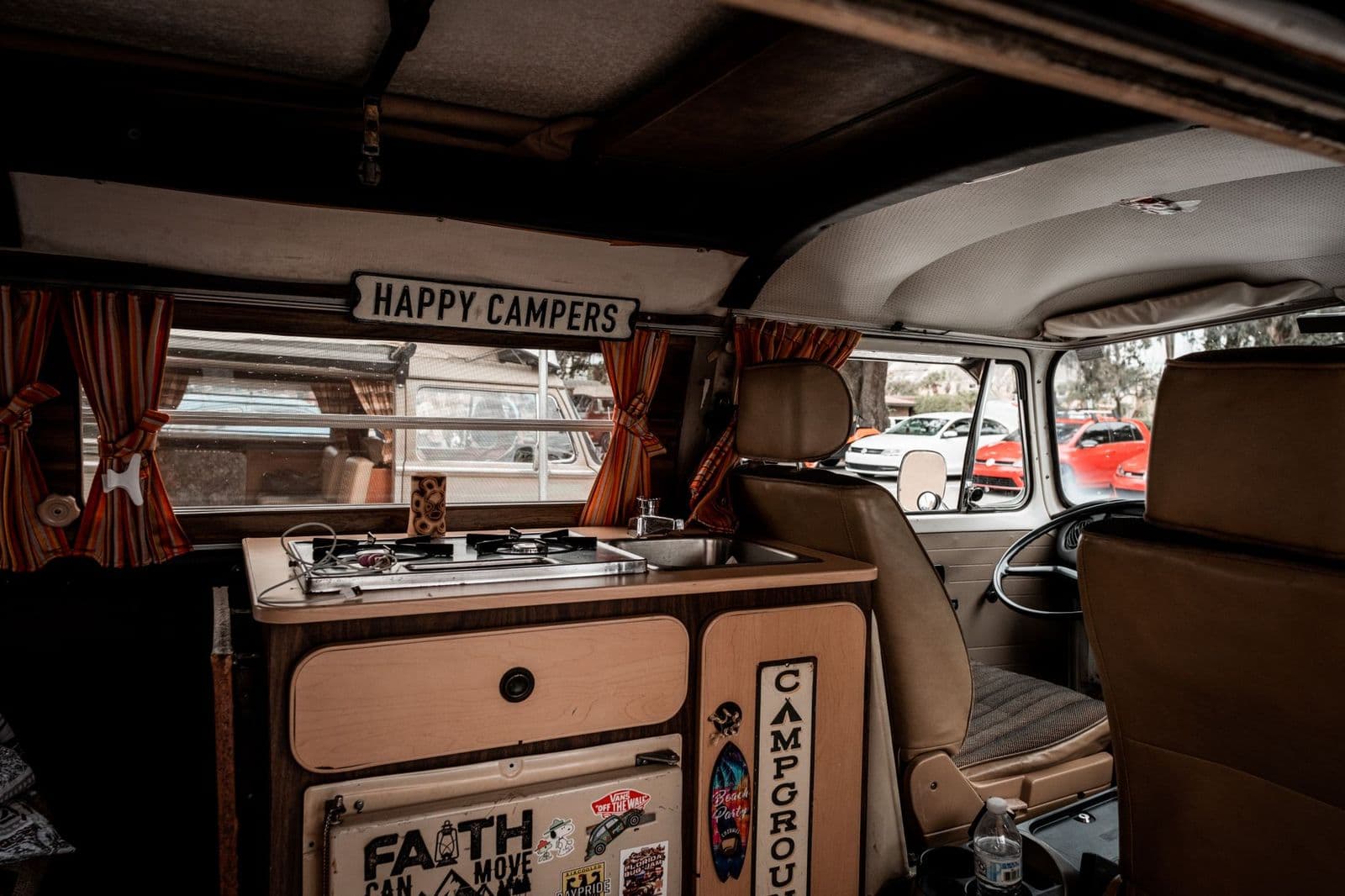
Not all camper vans fit every routine. See which best camper vans with toilets match how you actually use them, what features to prioritize, and what to skip.
There is no single van layout that suits every traveler, because a toilet that feels perfect on a long tour can feel like wasted space on short trips. The best camper vans with toilets are the ones whose bathroom type, tank size, and emptying routine match the way you actually travel. Start with your routine, not with the floor plan photo.
This guide compares bathroom types rather than naming models. It covers who each setup suits, what the cassette, tank, and water figures mean on the road, and which mistakes lead to odors and awkward dumping.
Who Should Buy Which Camper Vans With Toilets?
Your trip length and your tolerance for emptying waste decide more than any single feature.
For Full Time and Long Trip Travelers Who Need a Real Bathroom Routine
If you live in the van for weeks at a time, put a plumbed flush toilet or a large cassette at the top of your list, paired with a dry bath or a well drained wet bath. You will empty waste often, so easy dump access and a cassette you can lift when full matter more than a fancy faucet. Budget toward the higher end, often about $100,000 to $180,000 for factory built vans.
For Weekend Campers Who Mainly Need Night and Roadside Stops Covered
If most trips last two or three nights and you use campground showers, a toilet only layout or a compact wet bath is usually enough. A cassette of about 4 to 6 gallons covers a couple for a weekend, and the space you save can go to a bigger bed or gear storage. Campers comparing toilet units on their own can see our guide to the best camper toilets for how cassette and portable designs differ in daily handling.
For First Time Buyers Who Want Simple Emptying and Easy Cleaning
If this is your first van with a bathroom, choose the system you understand completely before you buy. A removable cassette is the gentlest start, since you can empty it at a dump point or a regular toilet without hoses. Avoid complex plumbing you cannot reach, and check that the cassette slides out of its hatch without tilting. Simple systems get cleaned after every trip, and that habit keeps a small bathroom pleasant.
Key Features to Compare
When you compare the best camper vans with toilets side by side, judge every bathroom by how it handles waste, water, air, and space.
Toilet Type: Cassette, Plumbed Flush, Composting, or Portable
The toilet type sets your whole emptying routine. A cassette toilet stores waste in a sealed removable tank under the bowl, which you carry to a dump point. A plumbed flush toilet sends waste to a fixed black water tank, emptied through a hose at a dump station. A composting toilet separates liquids from solids and needs no black tank, but it needs venting and regular emptying of both containers. A loose portable unit is the cheapest route and suits occasional use, though it must be strapped down while you drive.
Bathroom Layout: Wet Bath, Dry Bath, or Toilet Only
Layout decides how much living space the bathroom takes. In a wet bath, the shower and toilet share one waterproof room, which saves space but leaves the seat wet after a shower. A dry bath keeps the shower separate, giving you a dry seat and more privacy, at the cost of a longer van or less storage. A toilet only closet suits travelers who shower at campgrounds and want the smallest footprint.
Waste Capacity and Dump Access
Capacity tells you how many days you can travel before emptying becomes urgent. Cassettes usually hold about 4 to 6 gallons, portable units about 2 to 5 gallons, and plumbed black tanks in vans often hold about 10 to 25 gallons. Also check where the hatch or dump outlet sits, since a low outlet turns a routine job into a struggle. Travelers weighing a plumbed setup against a cassette can compare the best van toilets to see how each style changes emptying day.
Fresh Water Supply and Flush Power
Every flush draws on the same fresh tank that feeds your sink and shower, so water capacity limits bathroom use on long stops without hookups. Vans often carry about 20 to 35 gallons of fresh water, and a flush toilet may use roughly half a gallon to a gallon per flush once rinsing is counted. An electric pump gives a strong flush but draws battery power and can fail. A manual pump flush is slower yet keeps working during a power problem.
Ventilation, Seals, and Odor Control
Odor problems in a small van usually come from stale air and worn seals, not from the toilet design itself. Look for a vent that sends air outside the van, ideally with a small fan. The blade seal on a cassette and the bowl seal on a plumbed toilet keep gases in the tank, so both should look clean and undamaged on any used van. Good ventilation also clears shower steam before it reaches bedding and cabinets.
How to Match a Bathroom Layout to Your Daily Routine
Before you visit a dealer, write down one normal travel day and test each layout against it. Count your nights away, your night toilet trips, and whether you shower in the van or at campgrounds.
Next, sit on the toilet in any van you tour, close the door, and mime reaching the flush, the paper, and the sink. Knees against a wall will annoy you every day. If you plan to add a toilet to a simpler van, the best portable toilets for van layouts show how a removable unit can serve night stops without permanent plumbing. Finally, lift the cassette while wearing gloves, because a job that feels awkward on a sales lot feels worse at a rainy dump point.
Common Mistakes to Avoid When Buying a Camper Van With a Toilet
- Choosing a toilet type before planning where you will empty it, which can leave you carrying a full cassette with no dump point on your route.
- Judging the bathroom from photos alone, since a roomy looking wet bath can leave your knees pressed against the door.
- Ignoring fresh water capacity, because a generous black tank means little when the fresh tank runs dry and the toilet will no longer flush.
- Skipping the seal and vent check on a used van, which lets tank odors drift into the living space even when the bathroom looks clean.
- Forgetting the weight of full tanks, since water and waste add real load and a van near its payload limit will handle poorly on climbs.
Care and Maintenance for a Camper Van Toilet
Empty waste before it sits for days in warm weather, rinse the cassette or tank after each emptying, and leave the cassette cap off while it dries. Use toilet chemicals made for your system type, and never mix strong household bleach into a cassette, since it can damage seals. Drivers who want a deeper routine can read about the best toilets for van life and the habits that keep small systems working between trips.
Clean bowl seals with water and a soft cloth, then treat rubber seals with a seal lubricant a few times a year so they stay soft. Before winter storage, drain the flush system, rinse every tank, and leave valves open so trapped water cannot freeze and crack a fitting. Check local rules for where waste may be emptied, since rules differ by place.
Frequently Asked Questions
Do camper vans with toilets need a black water tank?
No, only plumbed flush models need a black water tank. Cassette toilets store waste in their own removable tank, composting models hold waste inside the unit, and portable models carry a small sealed tank under the seat. A black tank suits long campground tours with regular dump station stops, while tank free options suit shorter trips.
How often do you need to empty a cassette toilet in a camper van?
Most couples empty a cassette toilet every three to five days during full time travel. A solo traveler may stretch that to about a week. One habit helps: empty the cassette whenever you pass a proper dump point after the second day, rather than waiting for the indicator to reach the top and risk a heavy carry.
Can you shower in a wet bath camper van without soaking the toilet?
Yes, but the toilet will get wet unless the layout includes a shower curtain or a folding cover over the seat. Most owners accept the spray and squeegee the seat and floor afterward. Keep paper in a closed cabinet outside the spray zone, and run the vent fan after the shower so surfaces dry in time.
Do composting toilets in camper vans smell when they are used correctly?
A composting toilet that is vented and used correctly smells mostly like the medium inside it, often a mild earthy scent. Odor usually means the vent fan has stopped, the liquids container is full, or too much moisture has built up in the solids bin. Check the fan power connection first, since a composting unit depends on steady airflow more than on any spray.
Is a camper van toilet usable in freezing weather?
Yes, a camper van toilet stays usable in freezing weather when the water system is protected or winterized. Cassette and portable units are the easiest to keep running, since you can flush with water carried separately and store the unit inside the heated cabin. Plumbed systems need tank heat, insulated lines, or a full drain down, because one frozen fitting can crack a valve.
Final Thoughts
Match the toilet type to your trip length, confirm that waste capacity and fresh water fit your longest stop without hookups, and test the bathroom with the door closed. Weekend travelers can keep things simple with a cassette, while long trip travelers gain most from plumbed or composting systems they can service easily. When you compare the best camper vans with toilets, let your real routine, not the largest bathroom, make the final call.