Best Cameras for Uber at Every Price: What Your Money Really Gets You for 2026
Disclosure: We may earn a commission when you buy through links on this page, at no extra cost to you. As an Amazon Associate I earn from qualifying purchases. Learn more
Learn what each price tier buys in the best cameras for uber driving, with notes on front and cabin video, night coverage and storage.
Choosing best cameras for uber driving starts with a clear job. The camera has to record the road ahead, record the cabin fairly, and keep working through long shifts without you touching it. Price alone tells you very little, because a costly model can spend money on extras you will never use while a modest one can cover the basics well.
This guide sorts the spending for you. You will see what each price tier usually adds, which features protect you after an incident, and which ones you can skip with confidence. Start with the comparison table below, then read the sections that match your hours and your usual routes.

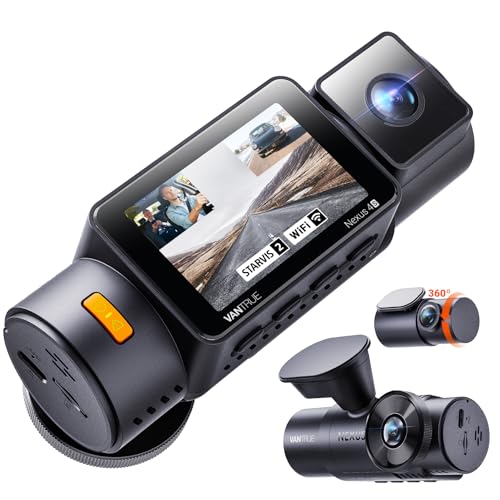
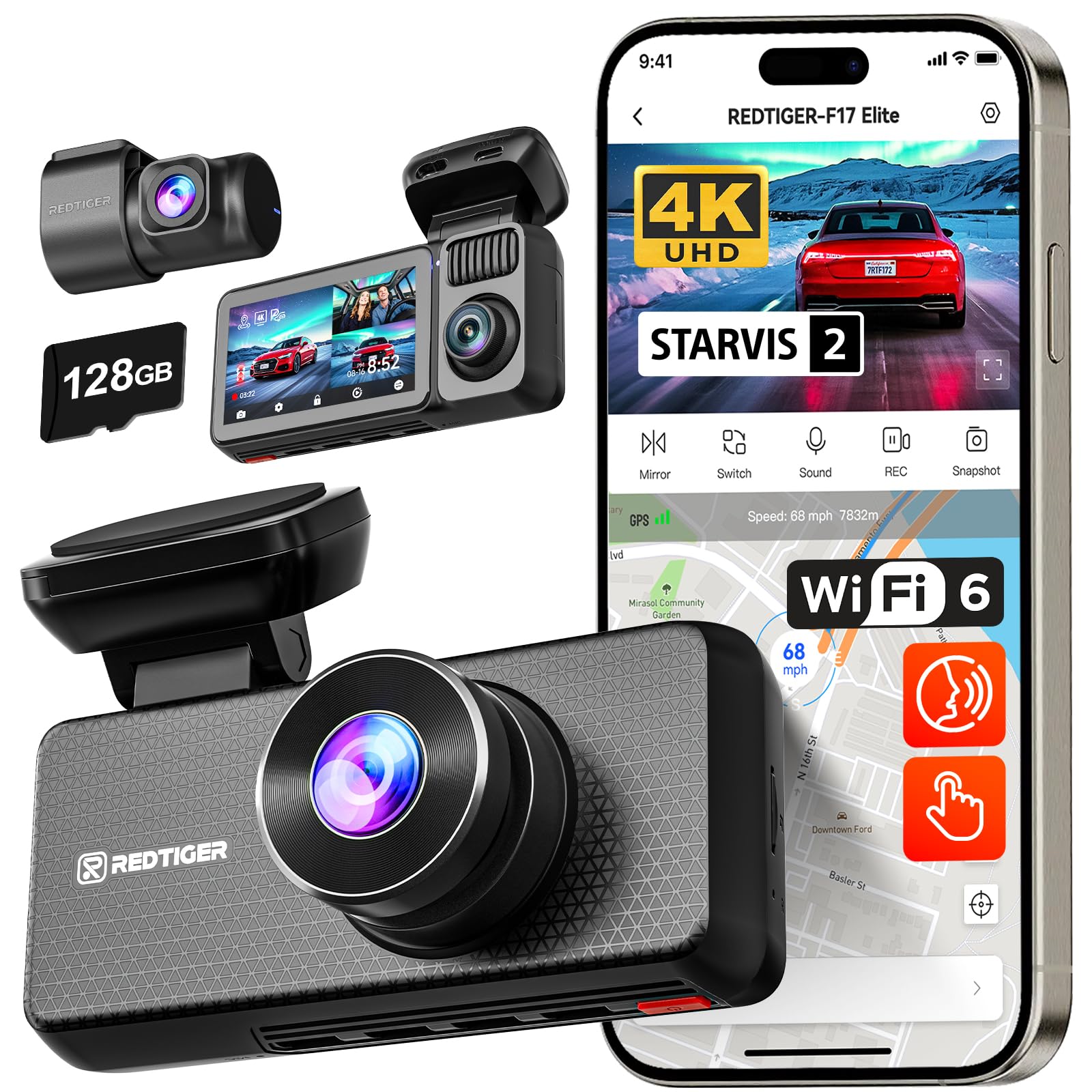

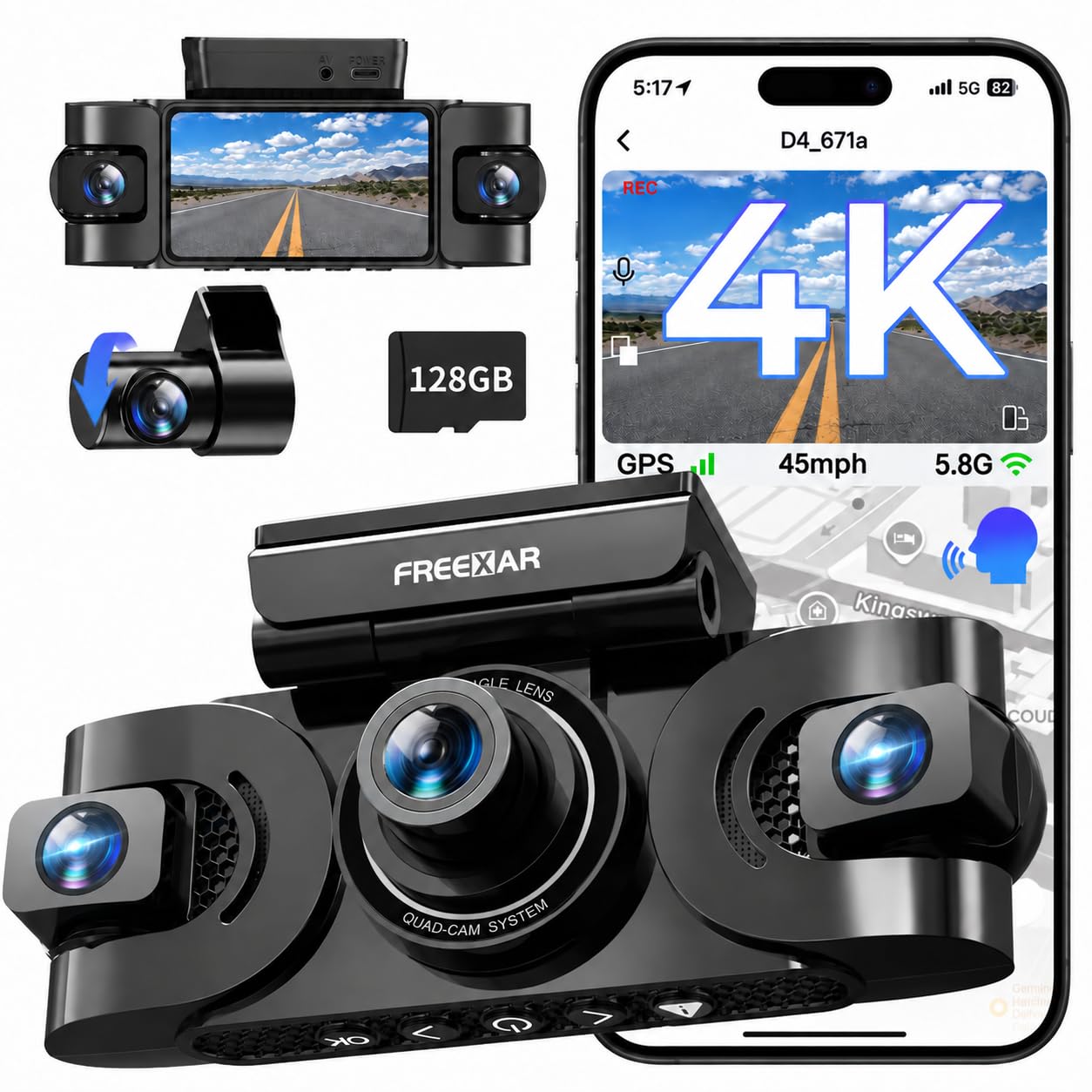
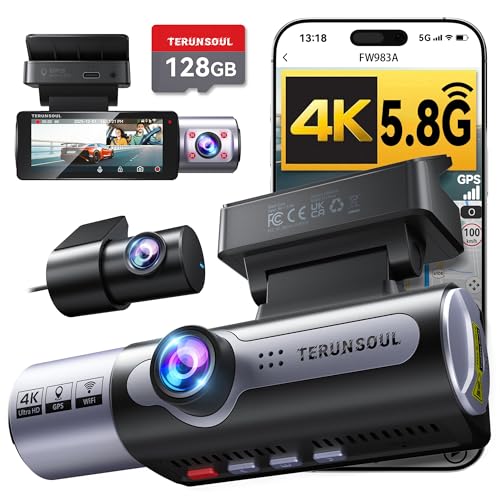

How to Match a Camera to Your Budget and Schedule
Your schedule shapes your needs more than any single spec does. A driver who works a few evening hours faces different risks from a driver who spends whole days at the airport queue.
Occasional Drivers Who Need Basic Cover
If you drive a few shifts a week, a simple front facing camera with loop recording and a reliable mount covers your main risk, which is proving what happened on the road ahead. You can live without a cabin lens if your local rules and your comfort level allow it. Spend on a good memory card and a firm mount before you spend on extra resolution you may never review.
Full Time Drivers Who Spend Long Hours on the Road
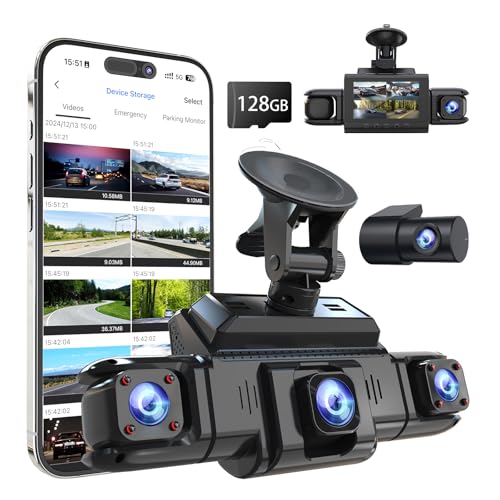
Full time driving multiplies your exposure to disputes, sudden braking, and claims that surface days later. A dual channel setup that records the road and the cabin at the same time gives you a fuller record, and parking protection matters because your car works while you rest between shifts. If you want a deeper look at setups built around this workload, see our guide to the best cameras for uber drivers for related buying points.
Night and Airport Drivers Who Need Stronger Cabin Cover
Night work and airport pickups bring dim cabins, tired passengers, and more chances for a misunderstanding about what was said or done. Infrared cabin lighting, a sensor that handles dark streets well, and clear audio matter more for you than a higher headline resolution. You also need a camera that starts recording on its own, because a busy pickup curb leaves no time to press buttons.
What Your Money Gets You at Each Price Tier
The product table above groups models by price, but price only helps when you know what each step up actually buys. The real value at each level is reliability under daily use rather than a long feature list.
Budget Tier: What to Expect
Models around $80 usually record the road in clear high definition, loop over old footage, and lock a clip when they sense a sharp impact. Expect a plastic lens, a basic mount, and a small screen or no screen at all. This tier suits new drivers who want basic evidence while they learn the work.
Midrange Tier: The Balance Most Drivers Need
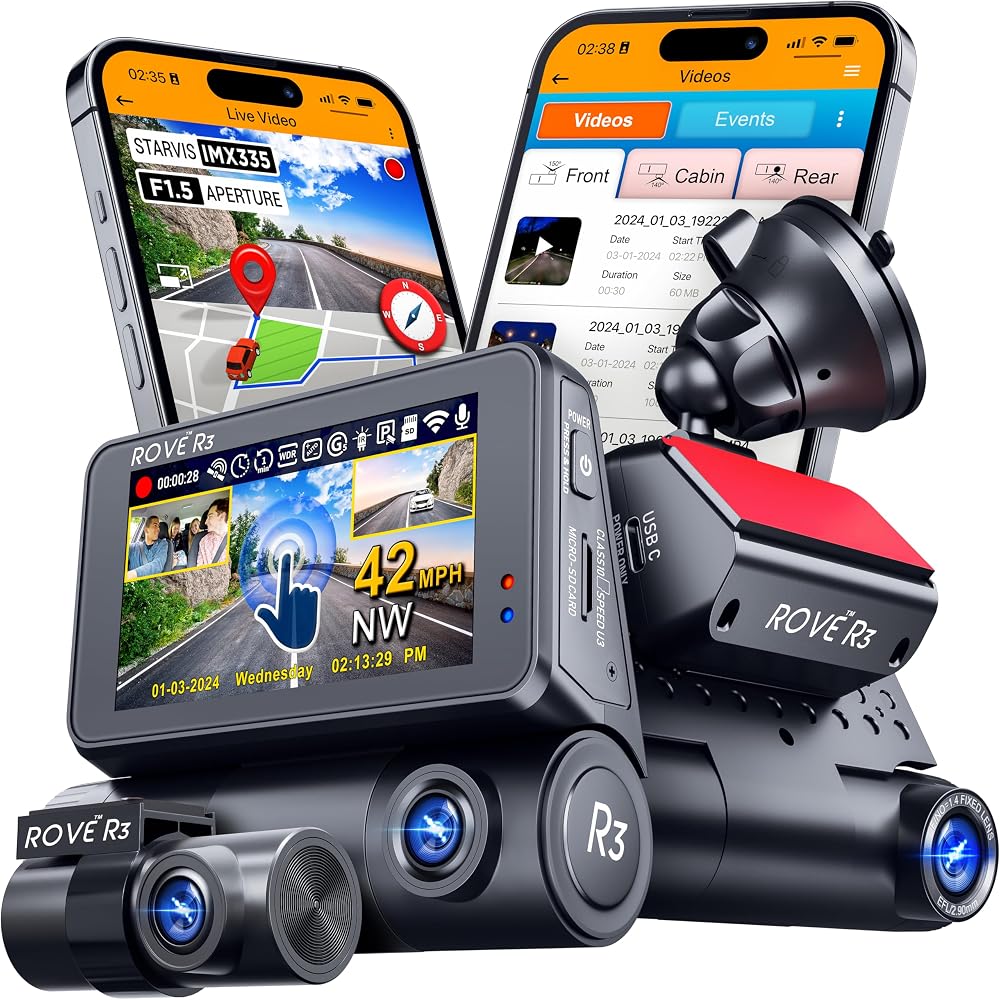
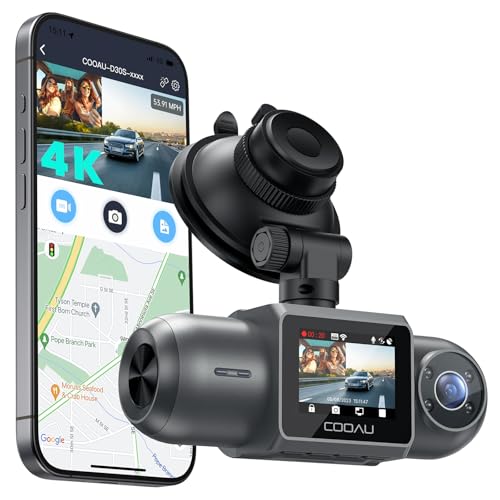
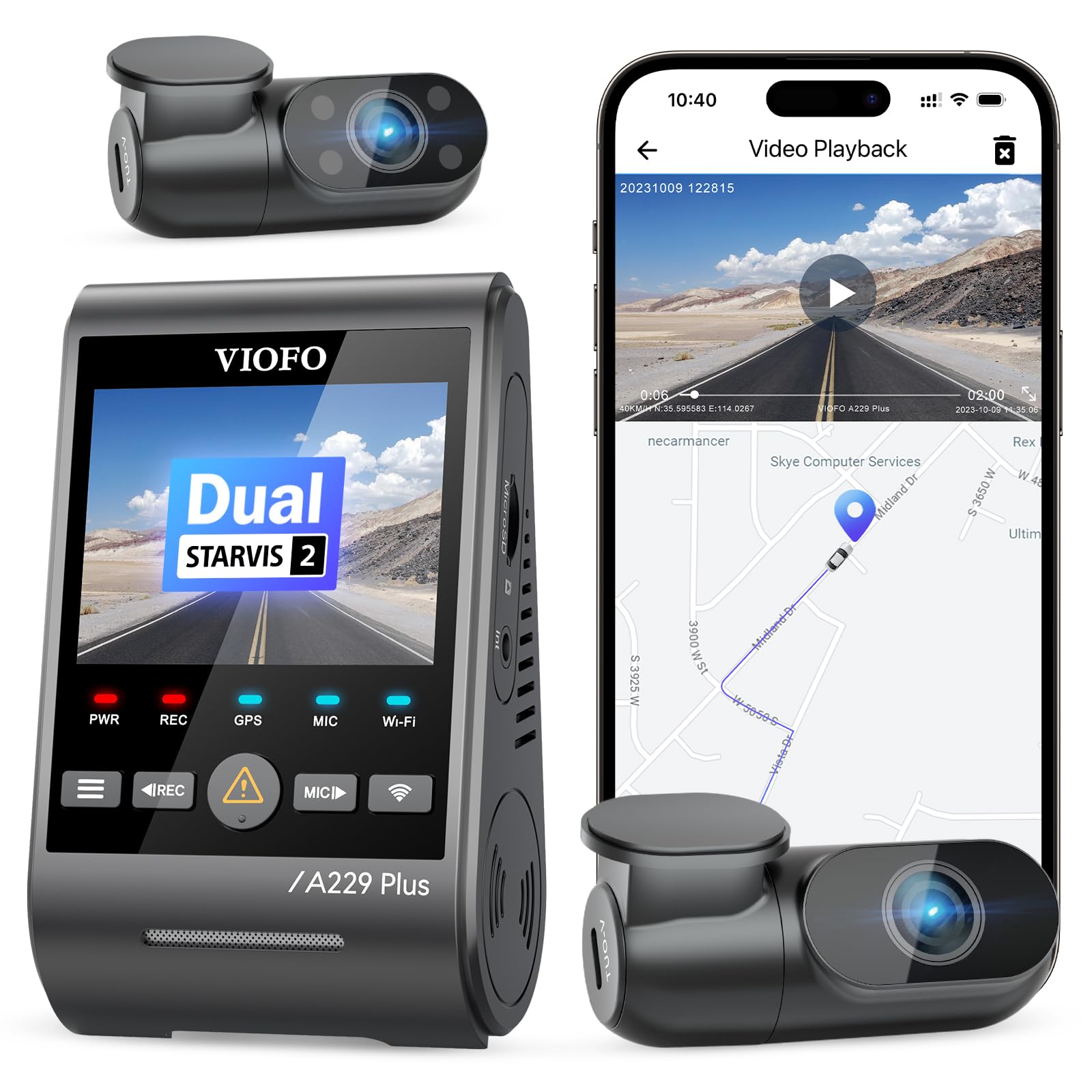
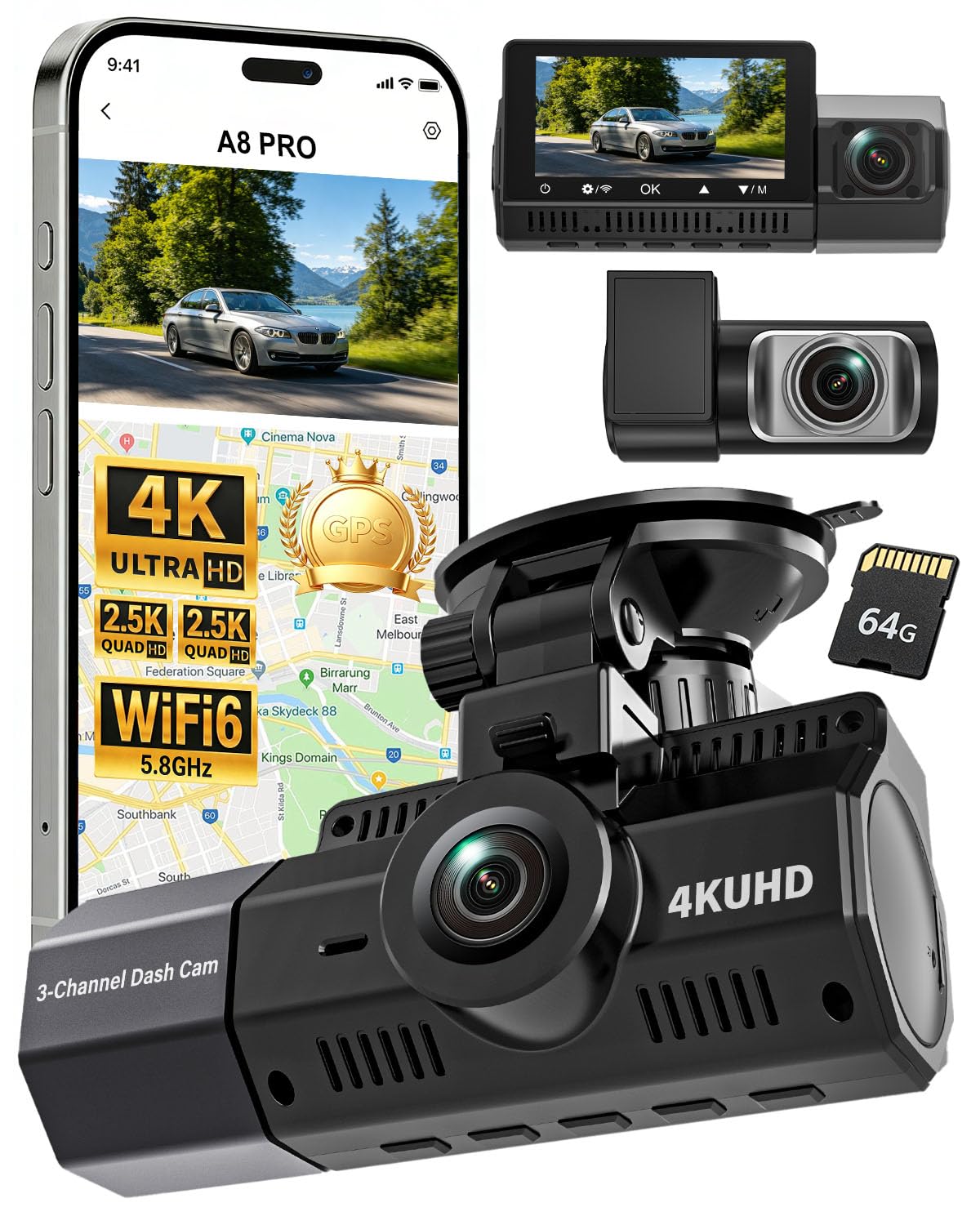
Models about $130 to $200 typically add a cabin lens, better night performance, GPS that stamps speed and location onto the record, and a phone app over WiFi for quick clip downloads. This is where the record becomes genuinely useful for both road incidents and passenger disputes. Most regular drivers stop here, because the next tier adds polish more than protection.
Premium Tier: What Extra Spending Actually Adds
Models around $250 and above usually bring 4K video on the front lens, a larger and more capable sensor, voice control, and stronger parking modes that watch the car while it sits. You also tend to get better heat tolerance and a more solid mount. Pay this much only if you drive long hours, work nights often, or want the clearest possible plate detail at distance.
Features Worth Paying For and Ones to Skip
Only a handful of features change what your footage can prove, and the rest either help in narrow cases or exist to make a listing look advanced.
Video Resolution and Frame Rate
Resolution decides whether a distant plate stays readable when you pause and enlarge a frame. Front footage at 1440p or 4K video quality gives you more usable detail than basic high definition, especially on bright days when contrast washes out small text. Frame rate matters less for evidence than for smoothness, and a steady 30 frames per second is plenty. Spend here first, because blurry footage cannot be fixed later.
Cabin Coverage and Night Vision
A cabin lens with infrared lighting records faces and movement in a dark car without shining a visible light at passengers. The lens should cover both front seats and as much of the rear seat as the mounting position allows. Audio recording adds context to a dispute, but laws on recording conversations vary by state, so check your local rules and tell passengers the camera is present where notice is required.
Sensor Size and Low Light Image Quality
Sensor size shapes how much light the camera gathers, and a larger sensor usually holds detail better at night with less grain in the shadows. Megapixel counts alone tell you little, because a modest count on a good sensor can beat a high count on a poor one. Lens quality matters too, since a clean glass objective lens keeps edges sharper than a soft plastic one. For a broader look at how makers trade these factors, see our guide to the best quality cameras and compare the priorities.
Power, Storage, and Features You Can Skip
Dash cameras run on car power, so look for a supercapacitor design that tolerates cabin heat better than a small internal battery, plus USB C charging for the plug or a hardwire kit for parking modes. Loop recording needs a high endurance memory card, since the card is rewritten daily. Skip optical zoom and magnification claims, because a fixed mount needs a wide steady view, and autofocus systems built for handheld shooting add cost without helping. Point and shoot compacts and vlogging cameras suit other jobs, and if those interest you, see our guide to the best digital cameras instead.
Fit, Mounting, and Compatibility Checks Before You Buy
Most returns happen because a camera did not fit the car, not because the footage was poor. Measure your windshield space around the mirror, since a wide camera body can block your view or clash with the mirror housing on smaller cars. Check that the mount style suits your windshield slope and that the cable can reach your power outlet without crossing your sight line.
Confirm the cabin lens angle against your seating layout, especially in a larger vehicle where the rear seat sits far back. Check whether the app works with your phone and whether clips download without removing the card. If you plan a hardwire install for parking cover, confirm your fuse box type and consider professional fitting if you are unsure, because a poor install can drain the car battery.
Weatherproof construction only matters for a rear lens mounted outside the car, where rain and road spray reach it directly, so do not pay extra for it on an interior only setup.
Long Term Costs to Factor In
The camera price is only the first payment. A high endurance memory card costs extra and wears out faster under daily loop recording, so budget for a replacement card over time. A hardwire kit, longer cables, and spare mounts add smaller amounts, and some brands charge a subscription for cloud storage of flagged clips. Warranty length matters more for drivers who run the camera all day, because heat shortens the life of cheap electronics.
Common Mistakes to Avoid
- Buying on resolution alone gives you sharp footage of the road but no cabin record when a passenger dispute is the real problem.
- Mounting the camera low on the windshield blocks part of your view and raises your risk in traffic.
- Using a cheap memory card leads to gaps and corrupted clips because the card cannot keep up with constant rewriting.
- Skipping a test recording means you discover a bad angle or muted audio only after an incident you needed to prove.
- Recording passengers without checking local consent rules can create a legal problem even when your footage is clear.
- Ignoring heat ratings leaves you with a camera that shuts down on hot days parked in the sun.
How to Make Your Camera Last Longer
Care for this camera is simple and specific. Wipe the front lens with a soft cloth every week or so, because road film softens detail long before you notice it on the small screen. Format the memory card inside the camera about once a month to keep the file system clean, and replace the card when the camera starts reporting errors.
Check the mount grip after hot spells, since adhesive pads loosen with heat and a sagging camera quietly ruins your angle. Keep the firmware current through the maker app, inspect the power cable for pinching near the pillar trim, and store a spare card in the glove box.
Cameras for Uber Driving: Your Questions Answered
What features matter most in a camera for Uber driving?
A camera for Uber driving needs dual recording, clear night footage, and automatic incident locking above all else. Those three cover the road, the cabin, and the moments you cannot react to in time. One point drivers often miss is audio quality, because a clip with clear speech settles fare and behavior disputes faster than video alone. Prioritize those basics before paying for cloud extras or voice control.
Is a smartphone enough instead of a dedicated camera for Uber driving?
A smartphone is not enough as your only camera for Uber driving. A phone stops recording when calls or navigation alerts interrupt, it overheats on a sunny windshield, and it cannot watch the road and the cabin at once. A phone still helps as a backup for photos of damage after a crash, which is a separate job from continuous recording. Treat it as a supplement, never the main record.
How much should a new Uber driver spend on a first camera?
A new Uber driver should plan on about $100 to $200 for a first camera that covers the real risks. That range buys dual recording and usable night footage without paying for premium polish. New drivers also save by waiting on a hardwire kit until they know they will keep driving, since parking modes matter more once the work becomes regular. Spend the savings on a proper endurance rated card first.
Which camera setup works better for low light Uber driving?
A dual channel setup with a larger sensor and infrared cabin lighting works better for low light Uber driving. The sensor handles dark streets and dim parking areas, while the infrared lights handle the cabin without visible glare. One extra help is mounting position, because a camera tucked behind a dark tinted band at the top of the windshield loses light before recording even starts. Keep the lens in the clear swept area of the glass.
Do cameras for Uber driving need to record while the car is parked?
Cameras for Uber driving only need parked recording if your car waits in public places between shifts or overnight. Parking mode watches for impacts and motion while the engine is off, which helps with dents you would otherwise find without any explanation. It requires a hardwire connection or a battery pack, so add that cost to your comparison. Drivers who garage the car at home can safely skip it.
Final Thoughts
Good choices come down to three things. Cover the cabin as well as the road, buy enough sensor and resolution for night work, and keep the system automatic so it never depends on your memory during a busy shift. Use the product table above to compare models against those points, and you will land on the best cameras for uber work without paying for features that never protect you.