Best Cameras for Your Car in 2026: Which Type Is Right for You?
Disclosure: We may earn a commission when you buy through links on this page, at no extra cost to you. As an Amazon Associate I earn from qualifying purchases. Learn more

Compare dash camera types for your car by coverage, night clarity, parking cover and price, and learn which style fits the way you drive each day.
Car cameras are not one product. A single lens unit on the windshield, a paired setup that watches the road behind you, a cabin lens for passenger work and a reversing lens at the rear plate all solve different problems, and they differ in wiring, coverage and price. This guide compares the best cameras for your car by type first, so you can match the style to the driving you actually do. The comparison table below gives each type, its best use and its typical price at a glance.
One point of honesty before any feature list. A dash camera is a recording aid and nothing more. It keeps a clear record of a crash, a parking scrape or a disputed lane change, and that record can settle an argument about fault, but the camera prevents no crash and repairs no damage. Buy one for evidence you can trust, and judge every type below by how clear and how complete that evidence will be.
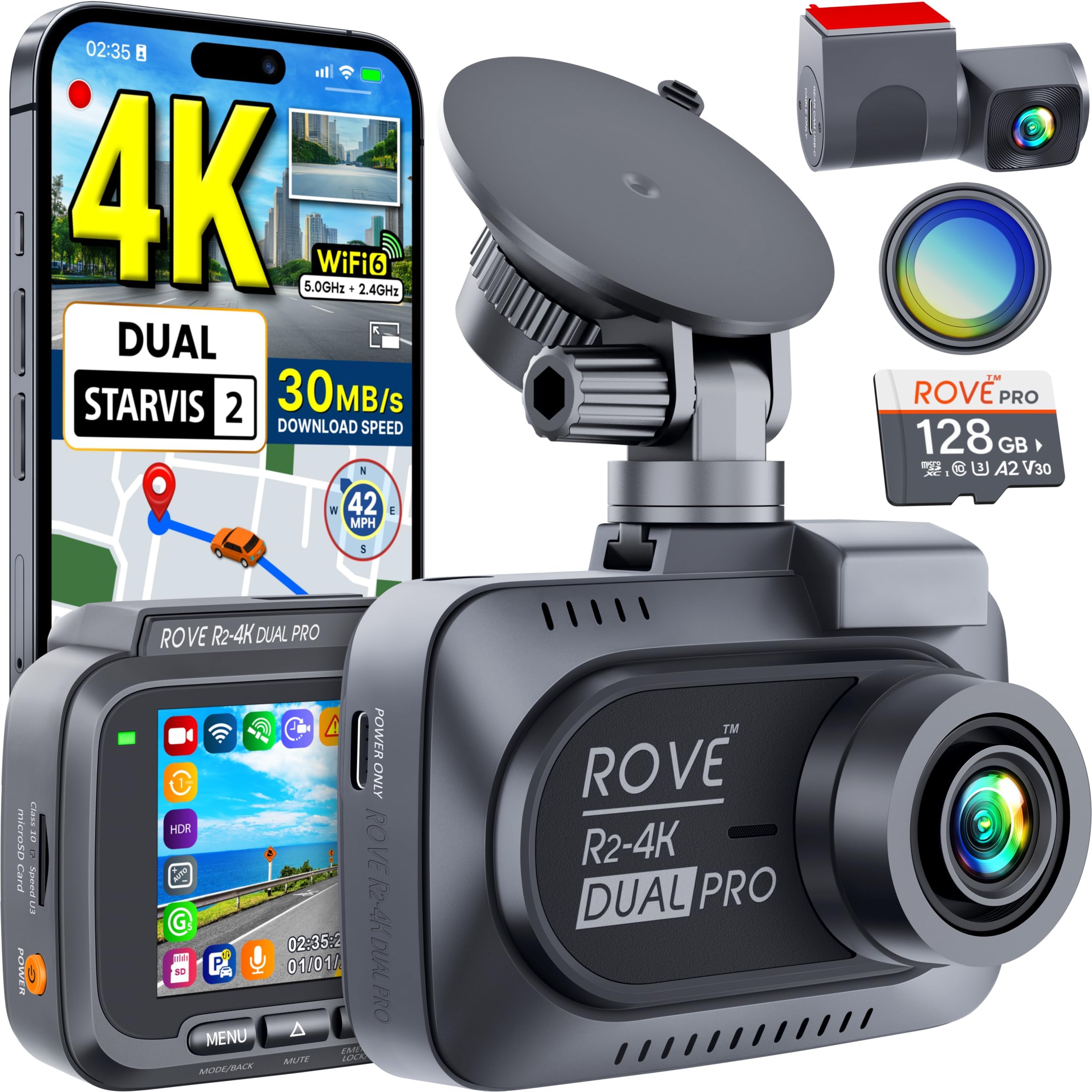


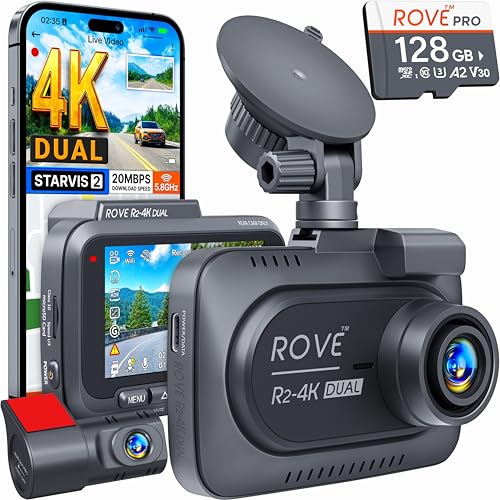
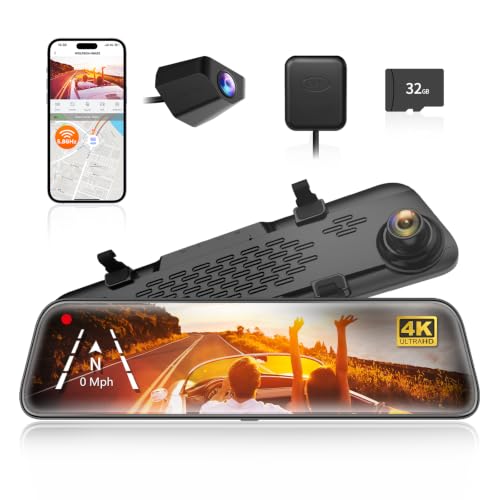
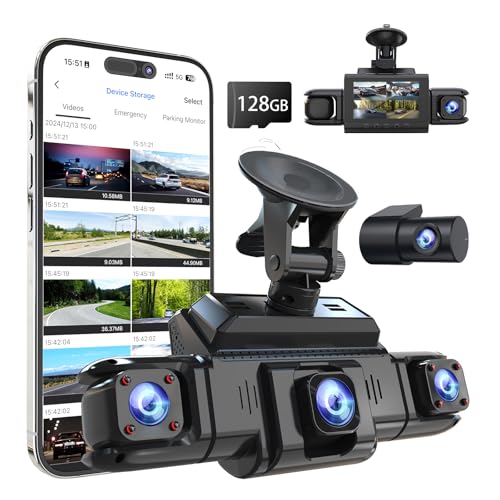
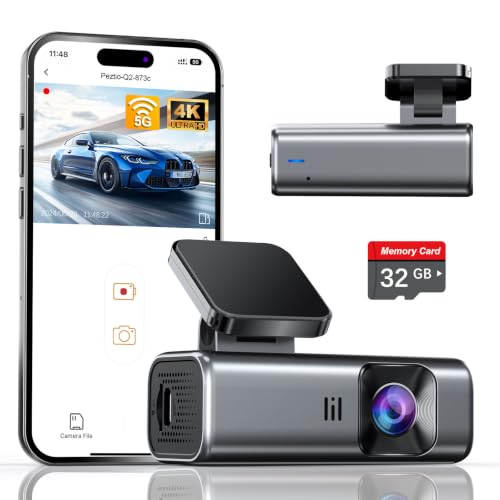
Types of Cameras Compared
Four types cover nearly every car camera purchase. The table summarises them, and the sections after it explain how each one works and where it falls short.
| Type | Best For | Pros | Cons | Typical Price |
|---|---|---|---|---|
| Front only dash camera | Daily commuting | Low price, fast install, simple wiring | No record of what happens behind you | about $60 to $120 |
| Dual front and rear | Cover at both ends of the car | Records traffic behind as well as ahead | Long cable run to the rear window | about $120 to $250 |
| Cabin facing camera | Rideshare and family drivers | Shows passengers and the cabin | Raises audio and consent questions | about $150 to $300 |
| Reverse camera | Parking in tight spaces | Clear view of the blind area behind | Helps only at parking speeds | about $40 to $120 |
Front Only Dash Cameras
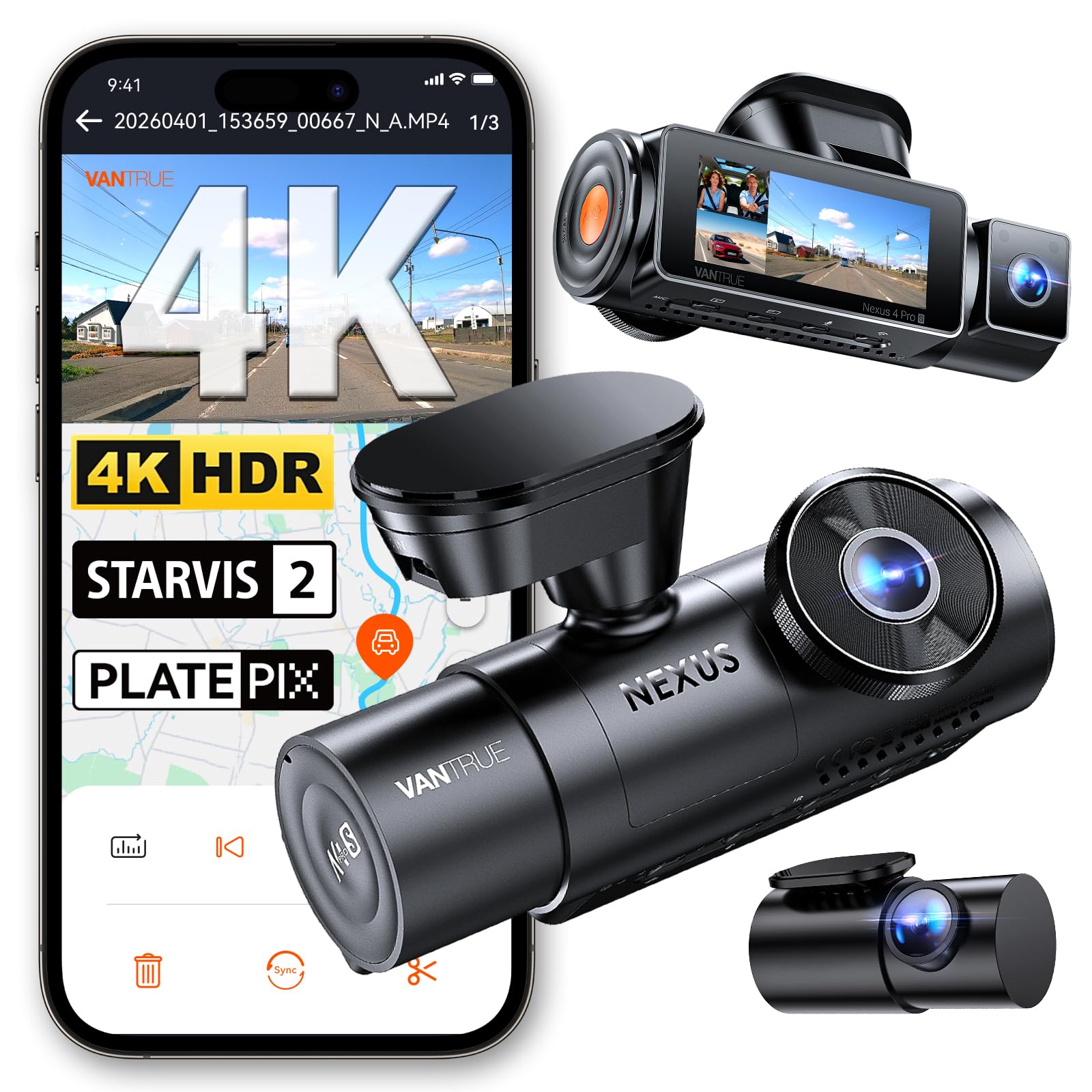
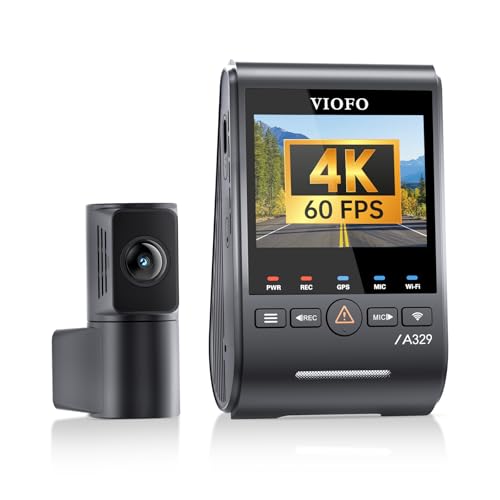
A front only dash camera mounts behind the rear view mirror and records the road ahead through the windshield. It is the cheapest and simplest type, powered from the accessory socket, and most drivers can fit one in about fifteen minutes. Its weakness is the obvious one: it sees nothing behind the car, so a rear impact is recorded only as a jolt. Drivers who want this simple route can compare single lens options in our guide to the best car dash cameras.
Dual Front and Rear Dash Cameras
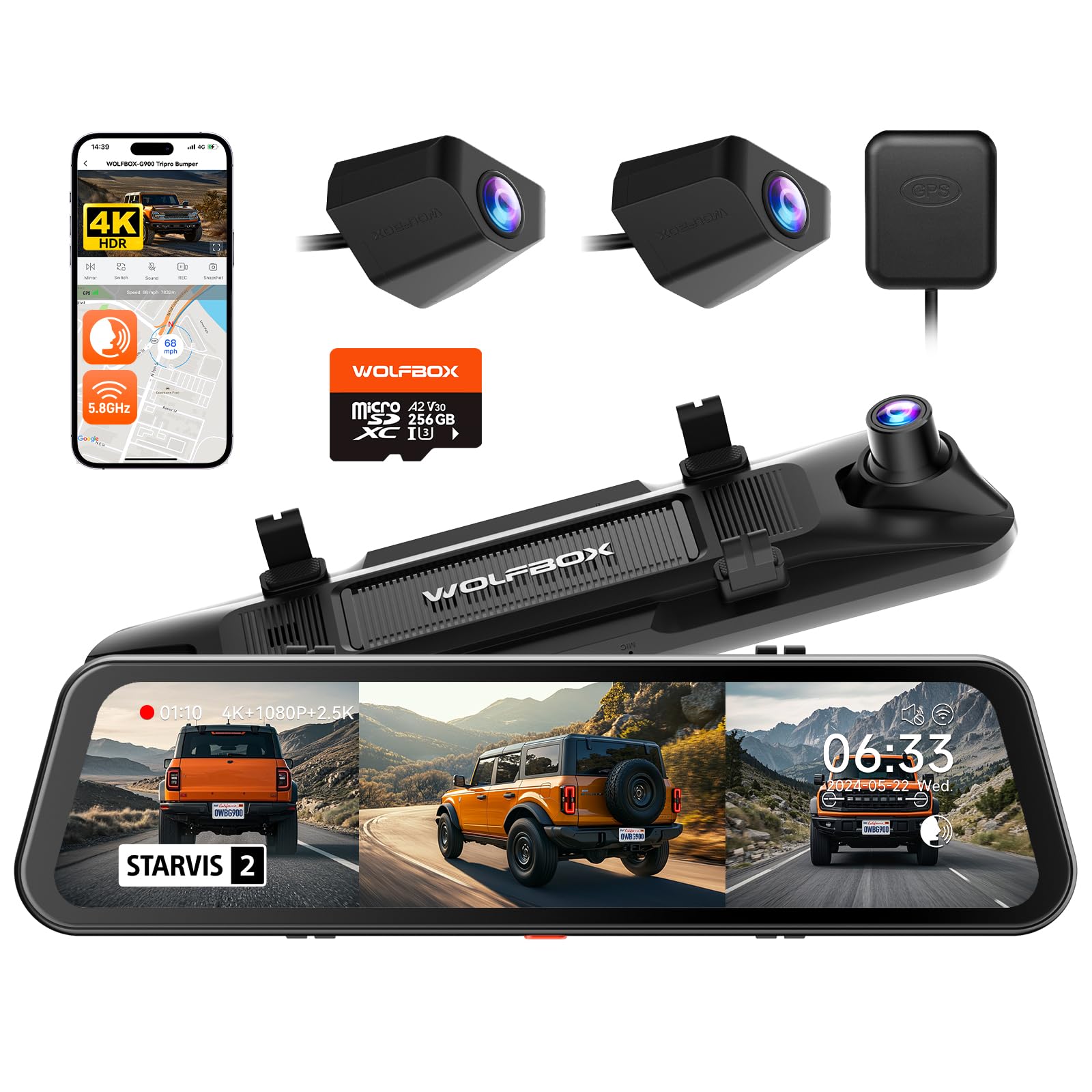
A dual setup adds a second lens on the rear window, wired to the front unit by a long cable tucked along the headliner. You gain a record of tailgating, rear impacts and what happened behind you at the lights, which is often the half of the story an insurer asks about. The cost is a harder install and a higher price. Shoppers comparing paired units can start with our guide to the best car dashboard cameras.
Cabin Facing Cameras
A cabin facing lens points inward and records the driver and passengers. Rideshare and taxi drivers use this type as protection against false claims, and some parents value it for new drivers in the family car. It is the most sensitive type, because it records faces and voices inside a private space. The audio side of that recording is where the law bites hardest, as the legal section below explains.
Reverse and Backup Cameras
A reverse camera mounts low at the rear, near the plate, and shows the blind area directly behind the car on a screen when you select reverse. It is a parking aid rather than a recording device, and on many setups it keeps no footage at all. If tight parking is your main worry, our guide to the best reverse cameras for cars covers this type in depth.
Front Only or Dual Channel: Which Should You Choose?
The choice comes down to four points. Coverage is the first: a front only unit tells the story ahead of the bonnet, while a dual setup tells it at both ends. Install effort is the second, since a front unit takes minutes and a rear lens adds a cable run through the cabin. Price is the third, at about $60 to $120 against about $120 to $250.
Parking cover is the fourth, and both types can watch while parked if you give them the right power supply, as the power section below explains.
So the answer follows your driving. A commuter on a budget is well served by a good front unit, while anyone who drives in dense traffic, or who has been hit from behind before, gets real value from the second lens. Readers still weighing the wider field can browse our guide to the best car cameras for a broader comparison.
How to Choose the Right Camera
Type decides coverage. The factors below decide whether the footage is worth having.
Video Resolution and Night Clarity
Headline resolution runs from 1080p up to 4K, and higher numbers do help you read a plate in daylight. Night clarity matters just as much, because a large share of disputes happen after dark, and it depends on the sensor and the lens more than on the pixel count. A camera that holds a steady, bright night image at 1080p can serve you better than a soft and noisy 4K one. Judge sample footage by night scenes, not by the badge on the box.
Loop Recording and the Memory Card
Loop recording is what makes a dash camera usable day after day. The camera writes footage in short clips and overwrites the oldest clips when the card fills, so the card size and the card health together govern how much usable footage you actually keep. A small or worn card can quietly shrink that window to a few hours. Choose a high endurance card made for constant writing, and format it in the camera about once a month.
Features That Matter for Your Car
Three features earn their place in a car. An impact sensor locks the clip around a jolt so the loop cannot overwrite it. Parking mode keeps watch while the engine is off, and the power section below covers what it needs. GPS, where fitted, stamps speed and place onto the record, which can help or hurt your case, so decide with open eyes whether you want it running.
Field of View and Lens Angle
Most car cameras see about 130 to 170 degrees. A wide view catches side streets and crossing traffic, but the widest lenses bend straight lines at the edges and push plates further away in the frame. A middle figure around 140 to 150 degrees is the balanced choice for most cars. On a small windshield, also check that the body of the camera does not block your own view of the road.
Recording Laws, Mounting Laws and Audio
The law treats these cameras in different ways depending on where you live. Some places restrict anything mounted on the windshield, and many require the camera to sit behind the mirror or low in a corner. Audio is the sensitive part: several places treat recording a conversation as a matter of consent, and passengers who never agreed to be recorded are the usual problem. Check the local rules for your state or country before you enable the microphone.
Power Options and Parking Mode
Most cameras plug into the accessory socket and sleep when the car sleeps. A hardwire kit connects to the fuse box instead, which frees the socket and unlocks parking mode, so the camera can wake on motion or impact while you are away. That watch draws power from the car battery, so choose a kit with a voltage cutoff that stops the drain before the battery runs low.
Choosing Cameras for Your Situation
Best Cameras for My Car
The word my makes this a personal fit question. Start with the car itself: a small windshield suits a compact unit, and a car that sits in summer heat suits a capacitor based design over a battery based one. Then match the type to your driving, one car and one driver at a time. A single front unit covers most daily driving well.
Best Cameras on Cars
The word on makes this a mounting question. The mount has to hold through heat, cold and vibration, because a camera that droops or drops records the dashboard instead of the road. Suction mounts are easy to move between cars, adhesive mounts sit tighter in heat, and mirror strap mounts suit cars where the glass is crowded. Whatever the mount, the lens needs a clear patch of glass inside the wiper sweep.
Best Video Cameras for Car
The word video makes this a quality question. Look past the resolution badge to frame rate and night performance, because smooth motion and clean night footage are what make number plates and faces readable. A camera that records the front and rear in matched quality serves video focused buyers better than one brilliant lens paired with one weak one.
Best Dual Cameras for Car
The word dual makes this a coverage question. It can mean front and rear lenses for the road, or front and cabin lenses for passenger work, and the two pairings solve different problems. Check that both channels record at a useful resolution, because some units cut the front lens quality when the second lens is connected.
Setup and Care Tips
A car camera needs little care, but the little it needs decides whether it works on the one day you rely on it.
- Wipe the lens and the glass in front of it with a soft cloth, since a film of dust softens every frame.
- Format the memory card in the camera about once a month, and replace the card when errors appear.
- Check the mount after hot weather, because adhesive pads soften and suction cups let go in heat.
- Update the camera firmware when the maker offers it, and keep the time and date correct so footage lines up with events.
- Keep a spare card in the glove box so a full or failed card never leaves you unrecorded.
Cameras for Your Car: Questions Answered
What features matter most in a dash camera for everyday driving?
Clear night footage, an impact sensor that locks clips, and a lens angle matched to your car matter most. A detail many buyers miss is the manual save control, a button or voice command that locks the clip you are living through before the loop can reach it. After any incident, use it at once, because locked clips are the only ones the camera promises to keep.
Can a dash camera record while my car is parked overnight?
Yes, with parking mode and a hardwire kit or a battery pack to power it. The point to weigh is sensitivity: set it too keen and passing headlights fill the card with clips of an empty street, too dull and it sleeps through a scrape. Start in the middle, check the clips after the first week, and adjust once you see what your street actually does at night.
Is it legal to record audio inside my car?
It depends on where you drive, because audio recording follows consent law rather than motoring law. In some places one person in the conversation can consent, while in others everyone recorded must agree, and passengers are the people most often caught out. A simple habit covers most risk: tell passengers the camera records sound, and switch the microphone off when you carry people who object.
How much footage does a memory card hold before the loop overwrites it?
At 1080p, a front camera writes about 5 to 9 GB an hour, so a 64 GB card holds roughly a working day of driving and a 128 GB card about twice that. Dual setups write faster and halve those times. The practical point is that footage from last week is already gone, so copy anything that matters to your phone or computer the same day.
Will parking mode drain my car battery flat?
It can, if the setup has no guard. A hardwire kit with a voltage cutoff stops the camera before the battery falls too low to start the engine, and that cutoff is the part to check before you buy the kit. Cars that sit unused for days are the real risk, so if yours often stands all week, a socket powered camera that sleeps with the car is the safer choice.
Final Thoughts
Match the type to your driving first, then judge night clarity, the loop and the card, and the way the camera mounts and draws power. The product table above pulls the types and prices together for a side by side look. Chosen that way, the best cameras for your car becomes a short list very quickly, and the record it keeps will be there on the day you need it.