
Best Camper Toilets for 2026: What Actually Matters Before You Buy
Disclosure: We may earn a commission when you buy through links on this page, at no extra cost to you. As an Amazon Associate I earn from qualifying purchases. Learn more

Compare the best camper toilets by tank size, flush type, odor control and price, with a buyer checklist, red flags to avoid and care tips for cleaner trips.
A camper toilet has to work in a small space, hold waste safely between stops, and empty without a mess. The best camper toilets share a few traits: a sealed waste tank, a flush that uses little water, and parts you can rinse clean in minutes. This guide uses a simple checklist to compare the main types, so you can match one to your van, trailer, or truck camper.
Prices and designs vary a lot, from simple portable seats to composting units that cost as much as a small appliance. The comparison table below lays out the main types side by side. The sections after it explain each checklist point, what each price level buys, and the warning signs to skip.
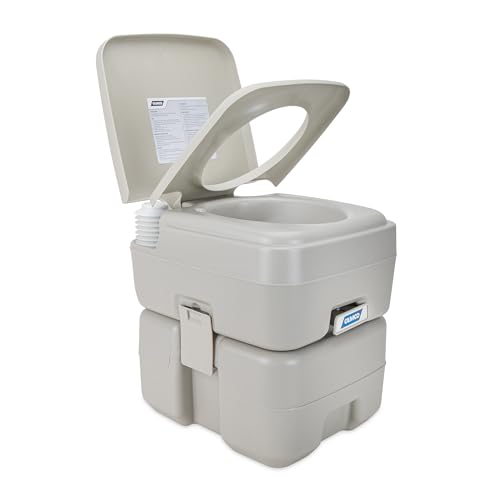

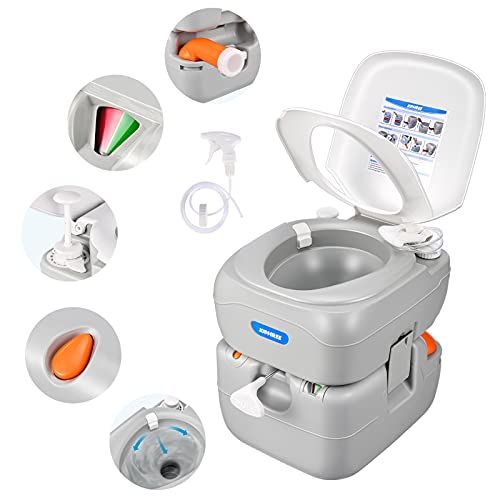
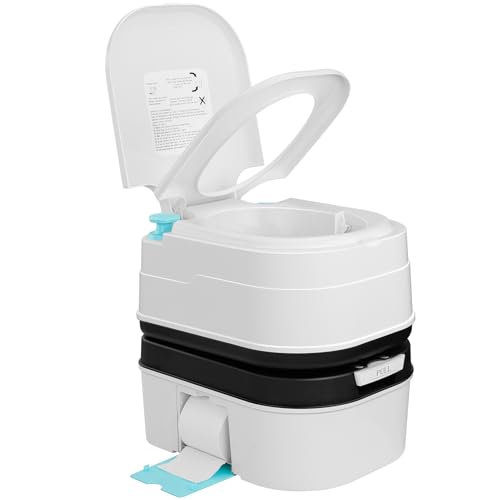

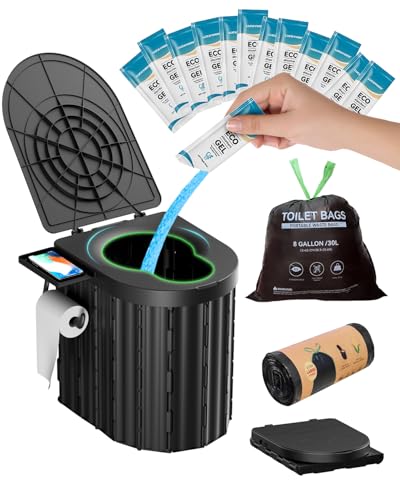


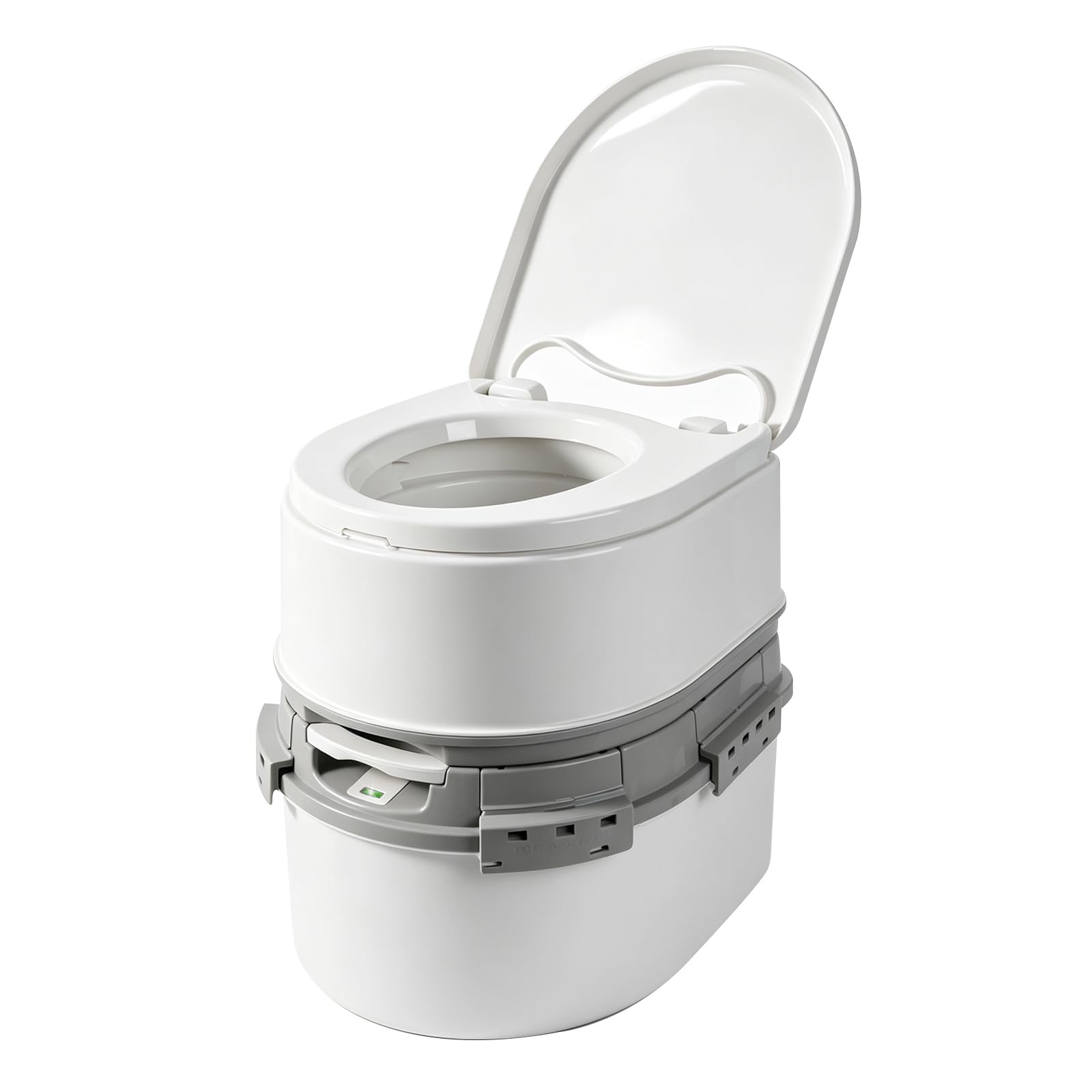
Camper Toilets Checklist: Key Features to Compare
Score any model against these six points before you look at price. A toilet that fails on capacity or emptying will annoy you on every trip, no matter how little it cost.
Waste Tank Size and Emptying
A cassette or holding tank of about 3 to 5 gallons suits a couple for two to four days of regular use. Bigger tanks stretch that time but get heavy: a full 5 gallon cassette weighs about 40 pounds. Look for a smooth pouring spout, a vent button that stops splashing, and wheels or a sturdy handle if the tank is large. Easy emptying matters more than raw size once the tank is full.
Flush Type and Water Use
Portable flush toilets carry a small fresh water tank and rinse the bowl by hand pump or battery pump. Cassette toilets in built in bathrooms often share the vehicle water supply. Composting models use no water at all, which helps on long dry camping trips. A light flush uses about a cup of water, so a 2 to 3 gallon supply lasts a family weekend.
Seat Height and Footprint
Measure the space before you buy, including room for your knees and for sliding the cassette out. Compact portable models sit about 12 to 14 inches high, close to a low camp stool. Taller models at about 16 to 17 inches feel closer to a home toilet and suit older knees. Check door swing too, since a paper fit can still block a narrow doorway.
Odor Control and Seals
Odor control comes from a tight blade seal between bowl and tank, plus the right additive for the system. Liquid additives break down waste and control smell in cassette and portable flush tanks. Composting models rely on a vent fan and a carbon rich medium such as coco fiber to keep smells down. Whatever the type, a replaceable seal and a lid that closes firmly matter more than scented extras.
Build Quality and Materials
Look for smooth molded plastic with no sharp seams inside the bowl, since rough surfaces stain and hold odor. The slide valve or blade should move with light pressure and close with a solid click. Hinges and latches take daily stress, so metal pins beat thin plastic tabs. A housing that bends when you sit on the closed lid will not improve with a full tank under it.
Power, Venting, and Extras
Most portable models need no power at all. Composting toilets run a small 12 volt fan around the clock, so plan for that draw on the house battery. Some cassette bathrooms add an electric flush or a tank level light, both handy but not essential. A level gauge and a second cassette for long trips are the extras owners use most.
What Each Price Level Gets You
Prices spread wide because the systems work in different ways. These three bands show what your money buys at each step.
Basic Portable Seats, about $40 to $90
At the low end you get a simple seat over a bucket or bag system, or a very basic portable flush toilet. These suit occasional weekend trips and small vans with no bathroom space. Expect small tanks, manual flushing, and few seals. They work for night use and emergencies, but most owners upgrade as trips get longer.
Cassette and Larger Flush Models, about $100 to $300
Mid priced models add a removable cassette with a proper pouring spout, a bigger fresh water tank, and a piston or battery flush. Seat height rises, seals improve, and emptying gets cleaner. This is the band most camper van and small trailer owners choose, and it covers the built in cassette toilets fitted to many campers. For a ready made bathroom layout, see our guide to the best toilets for camper vans.
Composting Toilets, about $200 to $1,100
Composting models separate liquid and solid waste, use no flush water, and can go weeks between emptying the solids bin. They cost far more and need venting to the outside, plus a steady supply of cover medium. Owners who camp off grid for long stretches value the freedom from dump points. Everyone else usually finds the price hard to justify for weekend use.
Quick Buyer Checklist
Run through these questions before you order. A no answer points at the feature to check next.
- Does the footprint fit your bathroom space with the cassette pulled out?
- Can you lift the full waste tank weight without strain?
- Is there an approved dump point on your usual routes?
- Does the flush system match your water supply and battery setup?
- Can you buy spare seals and additives near home?
- Does the seat height suit the shortest and tallest users?
- Is the lid strong enough to sit on while dressing or showering?
Red Flags to Watch For
Walk away from a model when you spot these signs, because each one points at daily frustration later.
- No stated tank size, or a size given only in vague words
- A slide valve that feels gritty or loose on the display model
- No spare seals, cassettes, or additives sold by the maker
- Flush claims with no water tank size to back them up
- A warranty of only a few months on a part that holds waste
How to Make Your Camper Toilet Last Longer
Rinse the cassette with clean water after every emptying and leave the blade open while stored so the seal keeps its shape. Use only additives made for your system, since strong household chemicals can harden seals and stain the bowl. Wash your hands well after handling any waste cassette, even when the job looked clean. Empty waste only at approved dump stations or marked disposal points, and check local rules before a trip because some areas restrict chemical additives near water.
Wipe seals with a soft cloth and a little silicone based lubricant twice a year so the blade glides instead of tearing. If you fit a fixed toilet with plumbing and are unsure about the connections, hire a qualified installer. For keeping the bowl and cassette fresh between trips, see our guide to the best for cleaning toilets.
Frequently Asked Questions
How often does a camper toilet need emptying?
A camper toilet with a 4 to 5 gallon cassette usually needs emptying every two to four days for two people. Solo travelers often stretch that to five days or more. Heat speeds up odor and breakdown, so summer trips may need an earlier stop. Empty sooner rather than later, since a three quarters full cassette is far easier to carry and pour.
What toilet paper works in a camper toilet?
Fast dissolving paper made for RV and marine tanks breaks down quickly and rarely clogs the cassette outlet. Regular home paper works in a pinch but can clump and slow emptying. Many owners keep a small lined bin for paper instead, which keeps the tank cleaner. Our guide to the best toilet paper compares the fast dissolving options.
Do composting camper toilets smell?
A well run composting toilet smells like soil, not sewage. The vent fan pulls air through the unit and out of the vehicle, and the cover medium dries the solids. Smell problems usually trace back to a failed fan, too much liquid in the solids bin, or not enough medium. Check the fan and vent path first before blaming the toilet itself.
Can a camper toilet freeze in winter?
Yes, water in the flush tank and cassette can freeze and crack plastic parts. Before freezing nights, drain the fresh water tank, empty the cassette, and leave the blade open. Some owners add a little RV antifreeze made for potable systems to the flush water, never car antifreeze, which is toxic. Store a portable toilet indoors or in a heated space when you can.
How much does a camper toilet weigh when the tank is full?
Plan on about 8 pounds for every gallon of waste, plus the weight of the toilet itself. A full 5 gallon cassette in its housing often totals about 45 to 55 pounds. That is why many owners empty at half full on long trips. Wheels and a pull handle on the cassette make a real difference at the dump point.
Final Thoughts
The right choice comes down to three things: how much space you have, how you will empty the tank, and how many days you travel between dump points. Match those first, then compare seals, seat height, and price. The best camper toilets for your camper are the ones your whole crew will use without complaint and you can service in minutes. Check the product table above to compare the current options side by side.


