Best Cameras for Uber Drivers: A First Time Buyer's Guide for 2026
Disclosure: We may earn a commission when you buy through links on this page, at no extra cost to you. As an Amazon Associate I earn from qualifying purchases. Learn more

Learn how to choose the best cameras for uber drivers, from cabin coverage and night recording to storage, mounting, and local recording rules.
Choosing best cameras for uber drivers starts with a simple question: what do you need the camera to record, and who needs to know it is there? A driver camera usually watches the road ahead, the cabin, or both, and it must keep working through long shifts, bright sun, and dark streets. This guide explains the basics in plain language so you can compare options with confidence.
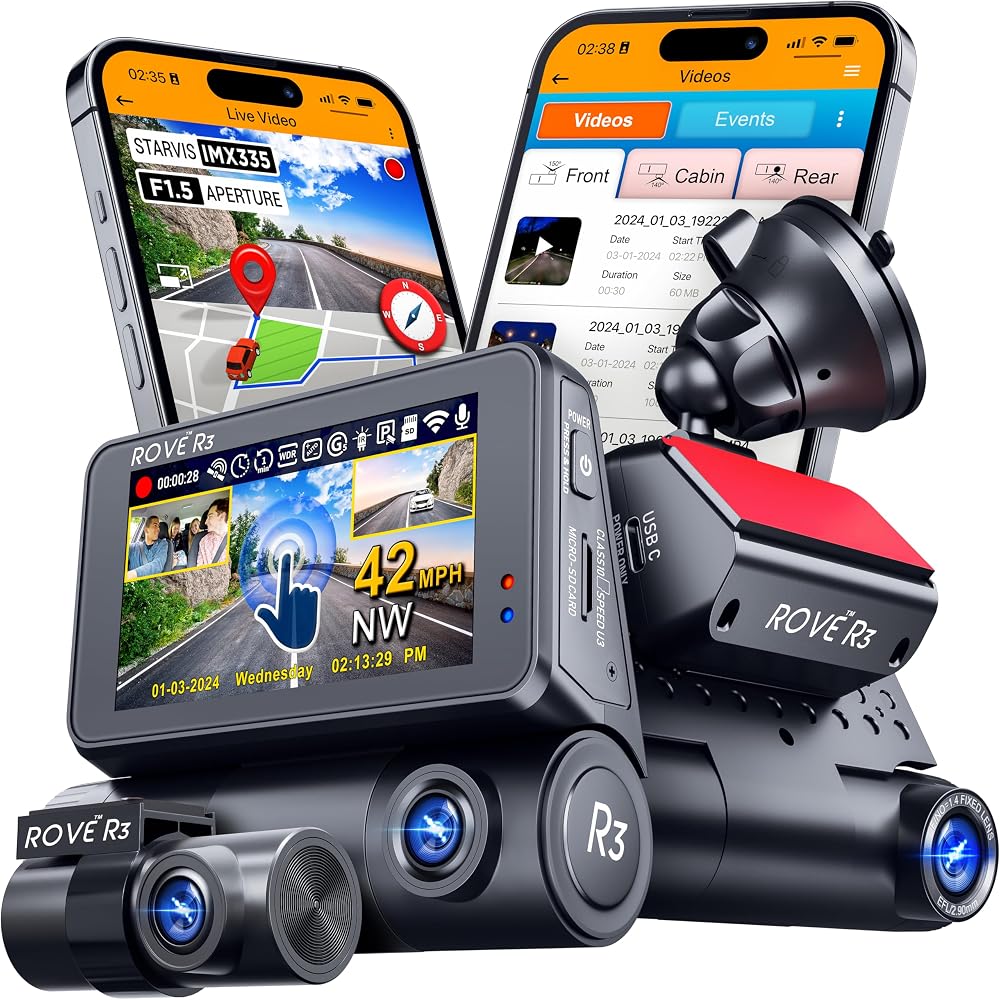
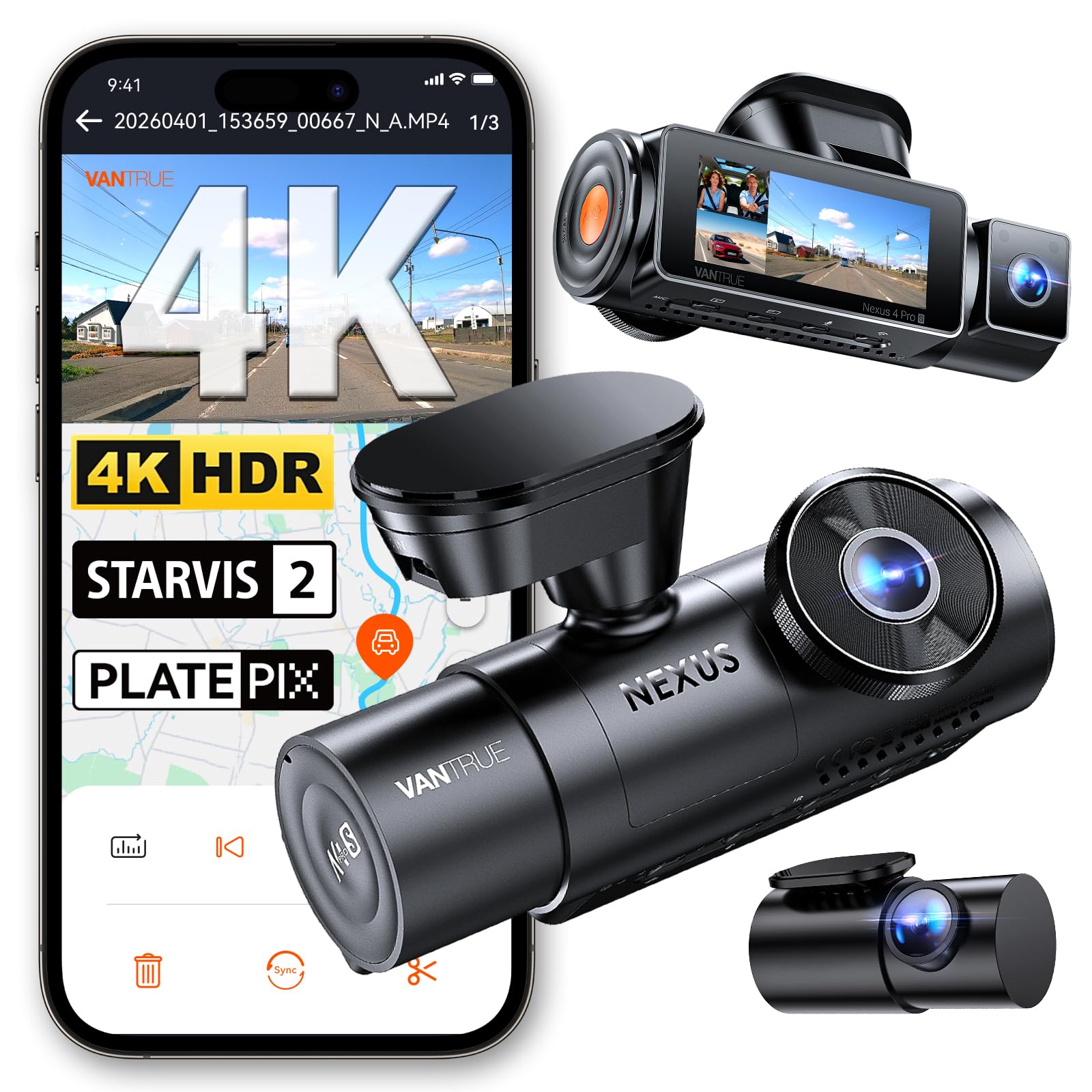
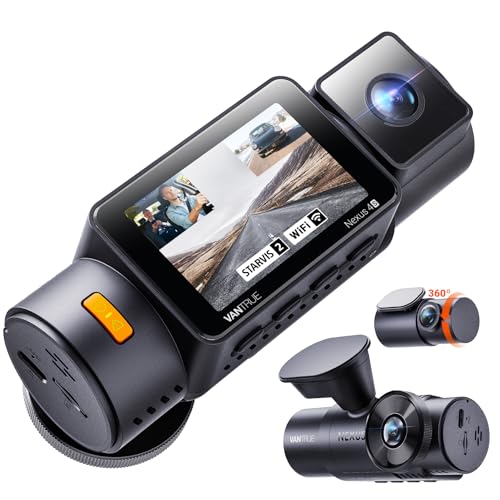
The comparison table below gives a quick side by side view of the main camera types. Read the sections that follow before you decide, because the right choice depends on your car, your local rules, and how much footage you want to keep. A camera that suits a short city trip may fall short on a long night shift.
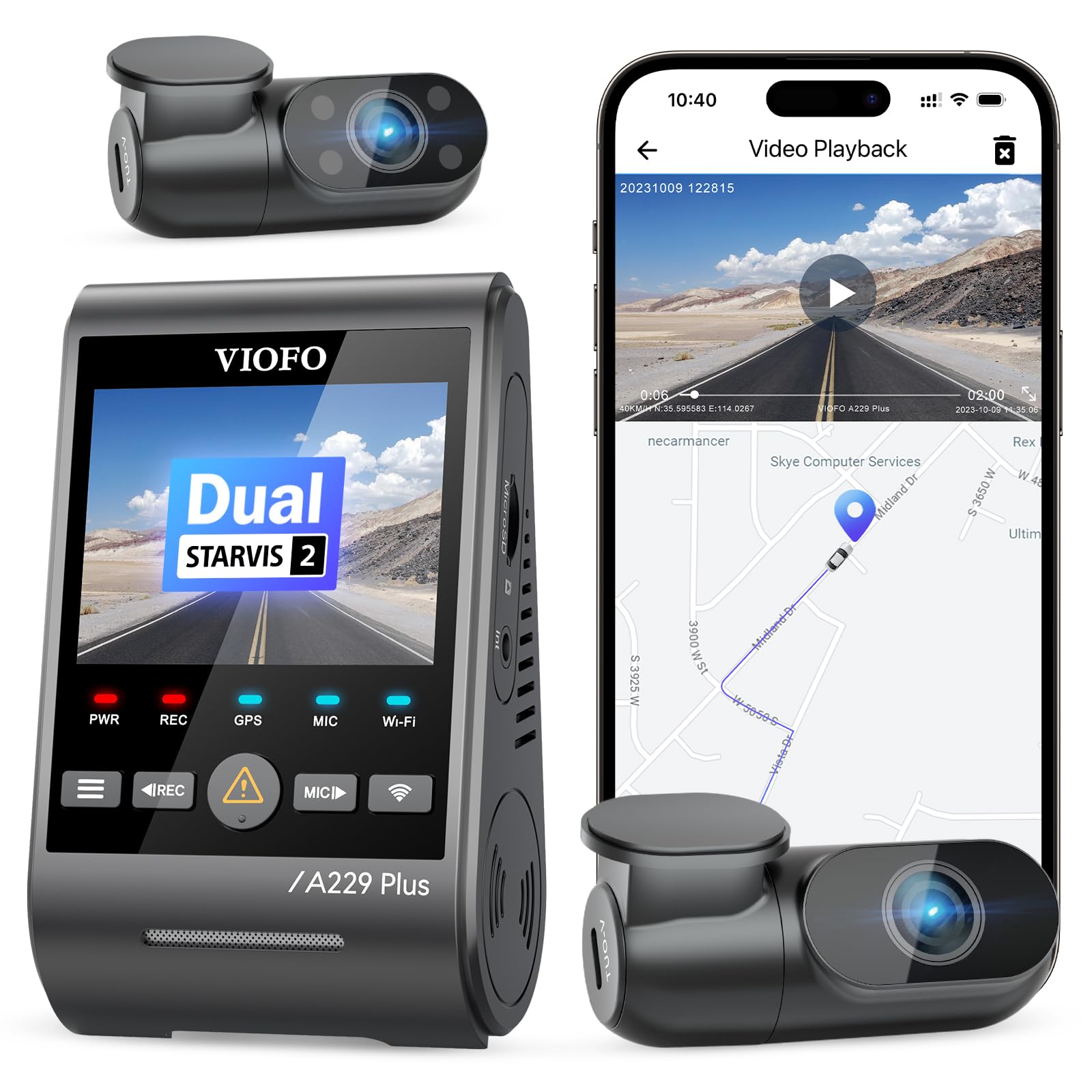
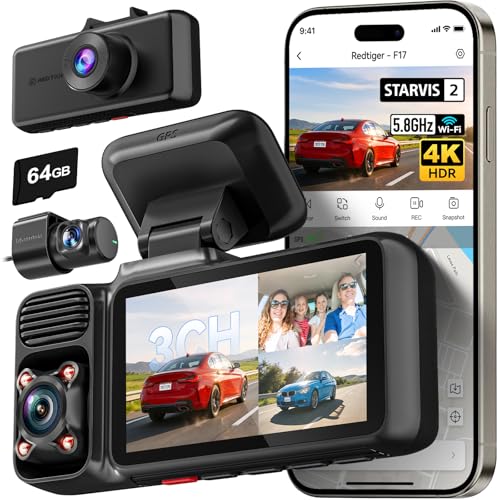

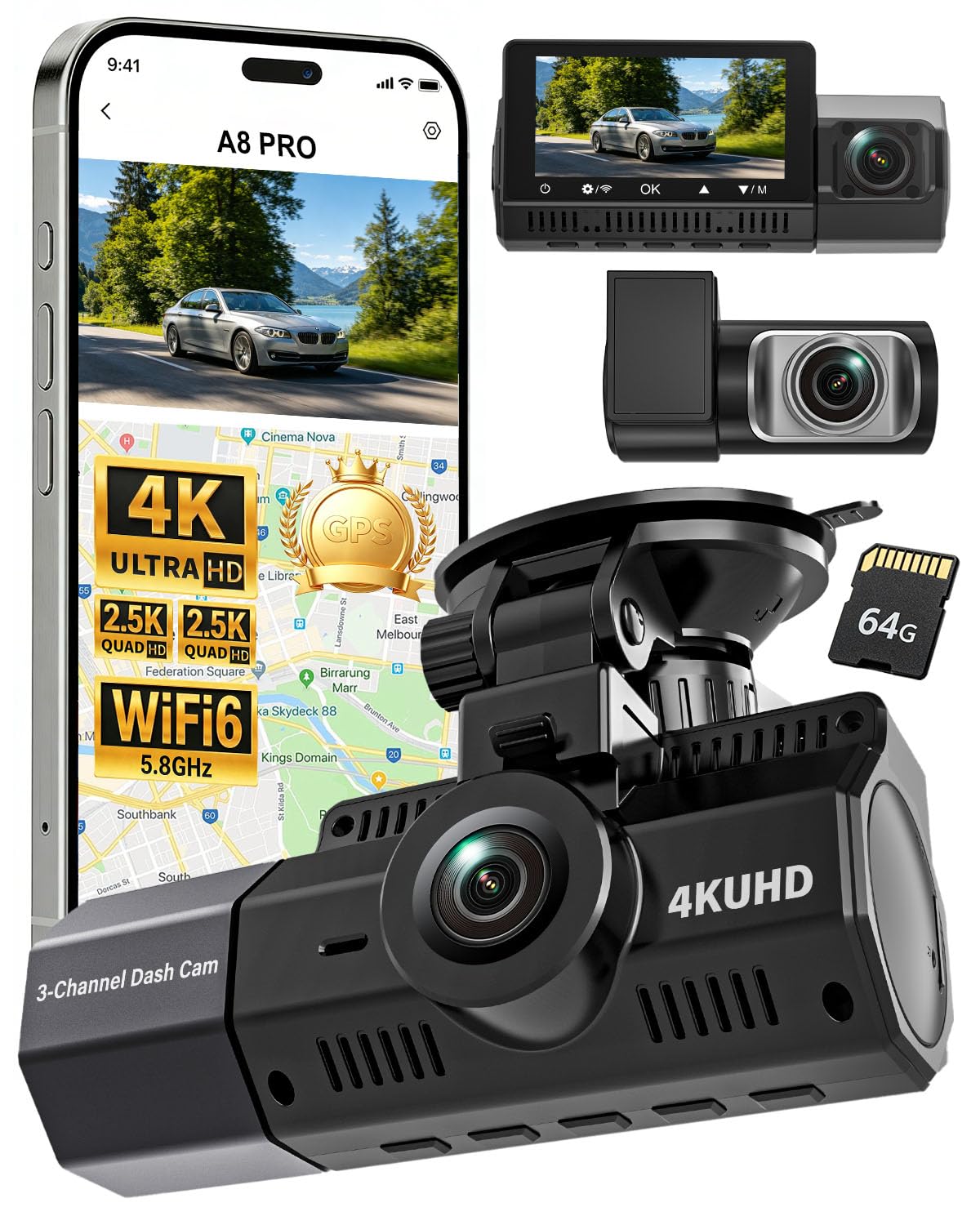
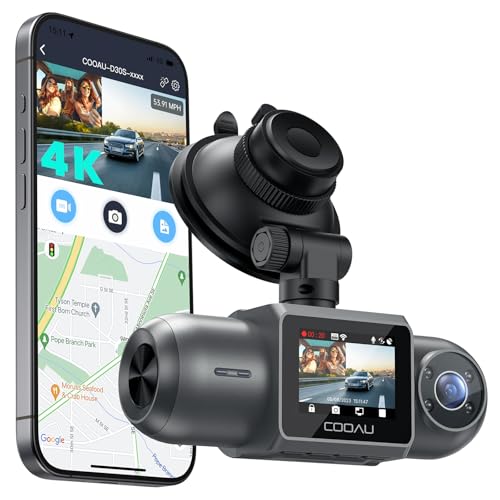
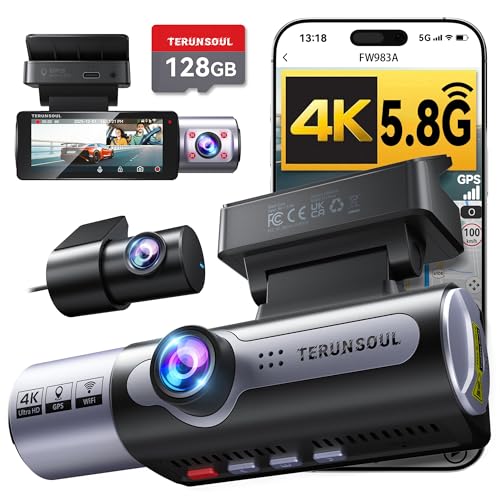


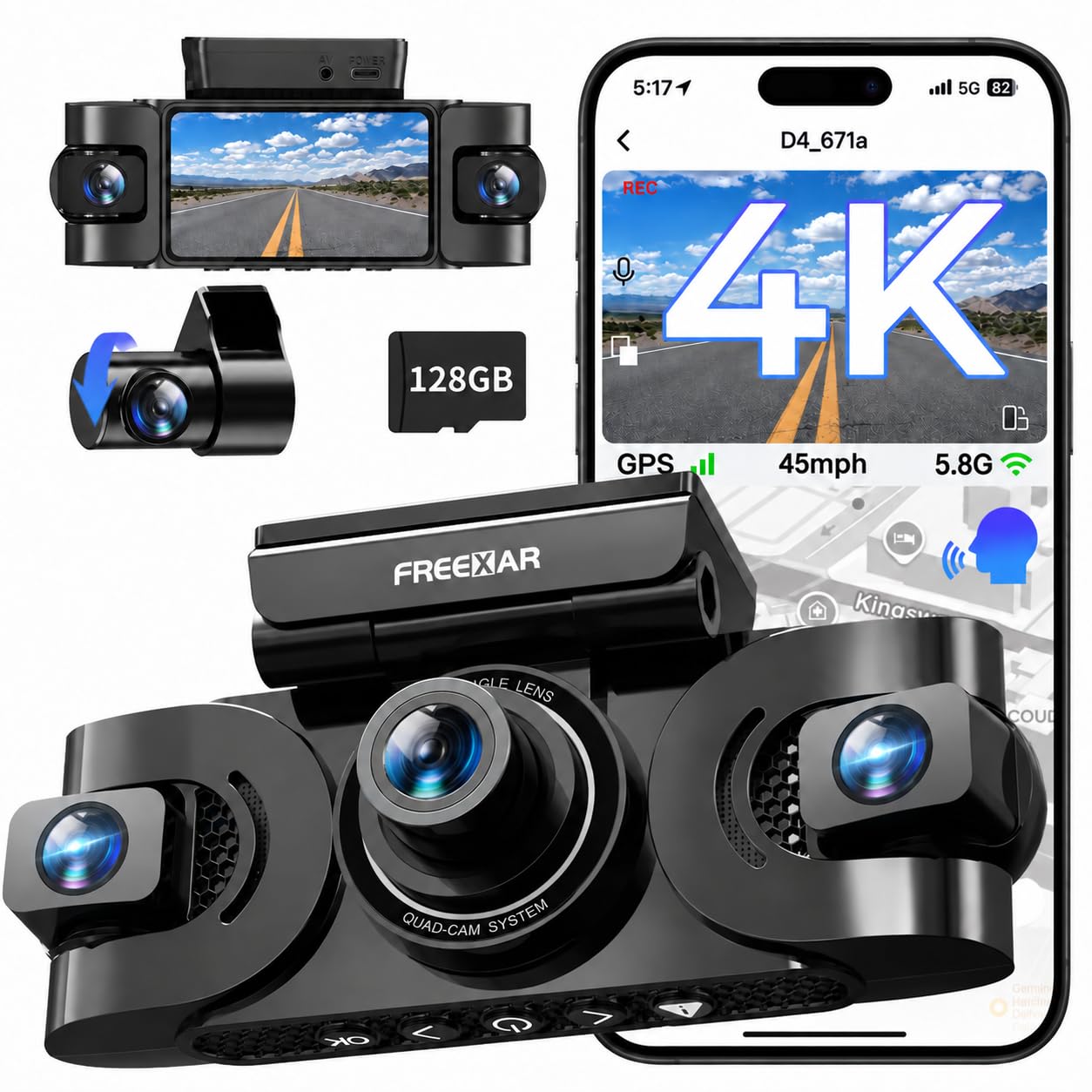
Cameras 101: The Basics
A camera for a driver is a small recording device that saves video to a memory card or to online storage. A forward facing camera records traffic, road signs, and events ahead of the car. A cabin camera records the interior, which can matter if a trip is disputed or if something is left behind. Some systems combine both views in one unit, while others use two separate cameras.
Most driver cameras record in a loop, which means older footage is replaced once storage fills up. Important clips can be locked so they are not overwritten, often when the camera senses a sudden stop or impact. Before you buy, check how the camera stores video, how you view clips, and whether it needs a phone app, a computer, or a card reader. A guide to best cameras for uber can help you compare ride share setups in more detail.
Key Specs Explained in Plain English
Spec sheets can look confusing at first, but only a few numbers really change your daily experience. The sections below translate each one into practical terms, so you can judge what is worth paying for and what you can skip.
Features That Matter for Uber Drivers
For a driver, the most useful features are reliable loop recording, a clear night image, and a mount that stays put on rough roads. A cabin view helps when you want a record of the interior, while a wide road view helps capture lane changes and nearby vehicles. Parking mode can record while the car is parked, but it draws power, so check how it affects your battery. See our guide to the best dash cameras for truck drivers to understand how long haul needs differ from short city trips.
Sensor Size and Image Quality
The sensor is the part that turns light into video, and a larger sensor usually handles dark streets better than a small one. Megapixels alone do not tell the full story, because a high pixel count on a tiny sensor can still look noisy at night. Look instead for sample night footage descriptions, a wide dynamic range for mixed light, and a resolution that keeps plates and signs readable.
For most drivers, sharp high definition video with clean night performance beats an extreme resolution that fills storage too fast. A general guide to best digital cameras explains sensor sizes in more depth.
Lens and Zoom Range
The lens decides how much of the scene the camera sees and how close distant detail appears. A wide lens covers more lanes and more of the cabin, but it can make distant objects look smaller. A narrower lens shows detail further away but may miss activity at the edges.
For driving, a wide to moderate view usually works best, because it captures the road context around an event. Optical zoom keeps detail when you magnify, while digital zoom simply enlarges the image and can soften it.
Autofocus and Stabilization
Autofocus keeps the subject sharp as distance changes, and it matters most for cameras you point at people or moving scenes. A fixed focus road camera is often fine, because the road ahead stays at a similar distance.
Stabilization smooths out bumps and vibration, so footage stays watchable on rough streets. Electronic stabilization crops the image slightly, while a gimbal moves the camera itself, but a gimbal adds bulk and cost. For a mounted driver camera, good electronic stabilization is usually enough.
Battery Life and Charging
Most driver cameras run from the car power outlet or a hardwired connection, so battery life matters mainly for parking mode and for cameras you move between cars. Check how long the camera runs on its own battery, how it charges, and whether it uses a common USB C cable. A camera that shuts down cleanly when power is cut protects the last clip from corruption. Carry a spare memory card rather than relying on a single card for every shift.
Best Cameras for Specific Needs
Best Car Cameras for Uber Driver: Tips for First Time Buyers
When you shop for best car cameras for uber driver setups, focus on three differences that matter in a car used for paid rides. First, cabin coverage matters more than it does for a private car, so decide whether you need an interior view at all. Second, the mount must suit your windshield shape and leave a clear view of the road. Third, the camera should start recording on its own when you start the car, so you never depend on remembering to press a button.
Rookie Mistakes to Avoid
- Mounting the camera where it blocks your view of the road, which creates a safety problem and can break local rules.
- Choosing the cheapest memory card available, which can fail under constant rewriting and lose the clip you need most.
- Ignoring night performance, because a camera that looks fine in daylight may turn dark streets into unreadable footage.
- Forgetting to tell passengers about cabin recording where local rules require notice or consent.
- Leaving the camera unsecured, so it slides or falls at the first sharp turn or hard stop.
Getting Started: Setup and First Use
Start by choosing a mount spot high on the windshield, near the mirror, where the lens sees the road without blocking your view. Clean the glass first, press the mount firmly into place, and route the cable away from airbags and pedals. Format the memory card in the camera itself, not only on a computer, so the camera sets up the card the way it expects.
Use a lens cloth, not your shirt, to clean the lens, because fabric from clothing can scratch the coating over time. Carry a spare battery if your camera uses one, and carry a spare card for long shifts. Test the camera on a short drive before your first paid trip, then review the footage to check framing, sound, and night clarity. Adjust the angle once, then leave it alone so every trip records the same view.
FAQs
What features matter most in cameras for uber drivers?
Reliable loop recording, clear night video, and a steady mount matter most for drivers. Cabin coverage matters if you want a record of the interior, while parking mode matters if the car sits unattended for long periods. Storage size matters too, because higher resolution fills cards faster and shortens how far back you can review. Choose the combination that matches your shifts, then check that the camera starts on its own when the car starts.
Should a driver camera record sound?
Audio is optional, and it is the setting most affected by local law. Many places require every person in the car to know or agree to audio recording, so check the rules for your area and use the camera microphone switch if you are unsure. A visible notice in the cabin is a simple habit that also keeps passengers comfortable.
Which is better for low light?
A larger sensor with a wide aperture usually gives the better low light result, because it gathers more light before the image turns noisy. Infrared cabin lighting can help an interior view in darkness, but it can wash out detail if it is too strong. A camera with wide dynamic range also helps when headlights and dark streets appear in the same frame. Test any camera after dark before you rely on it, since daylight samples hide most night weaknesses.
What specs matter most for beginners?
Beginners should focus on resolution, night clarity, storage, and ease of use before worrying about advanced settings. A camera that starts automatically, locks important clips, and uses a common card format will serve a new driver better than a complex unit with menus you never open. Sound recording is a separate choice, and local rules may limit it, so check the rules for your area first. Keep the setup simple, then upgrade only when a real gap appears.
How much should I spend on my first one?
Most first time buyers spend about $80 to $250 for a solid single or dual view setup, with higher spending buying better night video, larger storage support, or parking mode. Below that range, night clarity and mount quality often suffer, while above it you pay mainly for extra resolution or connected features. Set your budget around the views you need, then compare night samples within that band. Remember to include a good memory card in the total cost.
Is a smartphone enough instead?
A smartphone can record a trip in a pinch, but it is a weaker long term choice for a driver. A phone mount can slip, the phone overheats in sun, and a call or message can interrupt recording. A dedicated camera records in a loop, starts with the car, and leaves your phone free for navigation and trip apps. If you use a phone as a backup, mount it securely, keep it charged, and never adjust it while driving.
Wrapping Up
The best choice balances clear night video, steady mounting, enough storage, and a setup you will actually use on every trip. Cabin coverage is worth adding only if you want an interior record and you follow the notice and consent rules for your area. Review the product table above once more, compare two or three options within your budget, and pick the one whose night footage and mounting suit your car. With the right setup, best cameras for uber drivers become a quiet habit that protects you without distracting you from the road.