Best Cameras with Video Capability in 2026: Types Compared and How to Choose
Disclosure: We may earn a commission when you buy through links on this page, at no extra cost to you. As an Amazon Associate I earn from qualifying purchases. Learn more

Compare the best cameras with video capability by type, from action and compact models to mirrorless, and learn which features matter for your filming.
Still photos alone no longer cover how most people record a trip, a family event, or a small project for work. The best cameras with video capability can range from a tiny action model to a mirrorless body with changeable lenses, and that spread confuses buyers. Each type trades size, control, sound quality, and price in a different way.
This guide compares types rather than naming winners, so you can match a style to the filming you actually do. Work through the comparison table below, then check the key factors before you spend. If video is your main goal, see our guide to the best cameras for video as well.





Types of Cameras Compared
Four types cover nearly every buyer, differing first in size and lens choice, which shape low light results and carrying load. For a broader stills first view, see our guide to the best digital cameras.
Action Cameras
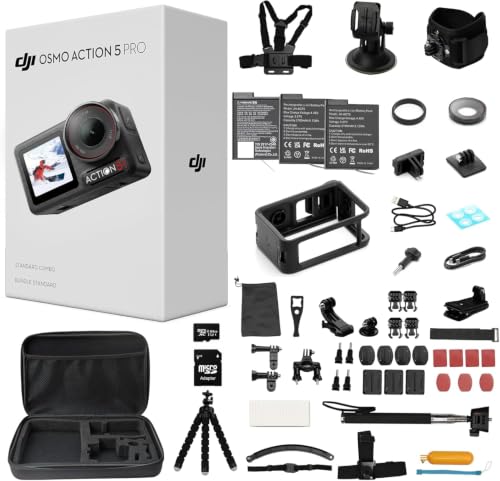
Action cameras are small, rugged bodies with a wide fixed lens, made to mount on a helmet, a bike, or a boat rail. Most are weatherproof or waterproof without a case, and strong electronic stabilization smooths rough movement. The trade off is control: zoom is mostly digital, and small sensors struggle indoors. Choose this type for sports and rough weather. For mounted filming ideas, see our guide to the best action video cameras.
Point and Shoot Compacts
Point and shoot compacts pair a fixed zoom lens with a body that slips into a jacket pocket. Optical zoom frames a subject from a distance without swapping lenses, and automatic modes suit family events and travel. Some use a larger 1 inch sensor for cleaner indoor clips, but most lack a microphone input. Choose a compact when you want better reach than a phone, with almost no setup and no lens bag.
Mirrorless Cameras
Mirrorless cameras use changeable lenses and larger sensors, giving you the most control over depth of field, low light quality, and lens choice. Better models add reliable eye autofocus, in body stabilization, and a microphone input. The costs are real: kits cost more, weigh more, and take time to learn, and some bodies limit long recordings because of heat. Choose mirrorless when video quality matters enough that you will learn settings and carry a small bag.
Bridge Cameras With Long Zoom
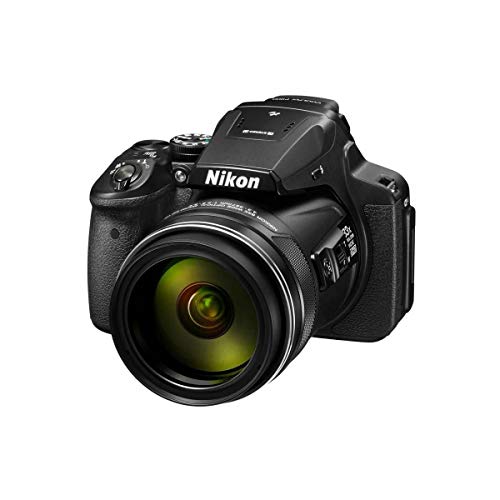
Bridge cameras look like small mirrorless models but keep one fixed lens with a very long optical zoom. That reach suits wildlife, school sports from the stands, and travel where you cannot move closer. You get manual controls and often a viewfinder, without buying separate lenses. The compromise is a usually small sensor, so indoor and night video looks noisier. Choose a bridge camera when reach is your top need and you film mostly outdoors in decent light.
Action Cameras vs Point and Shoot Compacts: Which Should You Choose?
These two types overlap in price, so the choice comes down to how and where you film. For durability, the action camera wins, since it tolerates drops, rain, and mounting forces that would damage a compact zoom lens. For reach, the compact wins easily, because optical zoom brings a distant subject closer while an action camera can only crop its wide view.
Pick the action camera for movement, water, and mounting. Pick the compact for seated events, travel days, and filming people at normal distances, where its larger screen and natural grip help steady shots.
How to Choose the Right Camera
Choosing the best cameras with video capability starts with the conditions you film in most, not with the longest spec list. Check the factors below in order.
Sensor Size and Clean Footage in Low Light
Sensor size affects how clean your video looks, especially away from bright daylight. A 1 inch sensor collects more light than the smaller sensors in most compacts and action cameras, and APS C and full frame sensors in mirrorless bodies go further again. More light means less visible noise and softer backgrounds with a wide aperture lens. Megapixels matter less for video, since 4K video uses only part of the sensor resolution.
Low Light Performance
Low light video depends on sensor size, lens aperture, and how the camera handles high ISO settings. A lens marked f2.8 lets in more light than one marked f4.5, so clips in a hall or at dusk stay cleaner at the same ISO. Raising ISO brightens the image but adds grain and can soften detail. Prefer a type that stays clean at the light levels you film in most.
Smooth Video Focus and Three Stabilization Types
Video autofocus has to track a moving subject smoothly, without hunting back and forth. Eye detection helps when you film people, since it holds focus on a face even as the person turns or walks. Stabilization comes in three forms: in body, in the lens, and electronic, which crops the frame slightly. If you film children, pets, or sports, tracking quality matters more than a small gain in resolution.
Audio, Screens, and Controls for Video
Built in microphones are fine for ambient sound, but speech recorded across a room often sounds thin and echoing. A microphone input lets you add a small external microphone for interviews and lessons. A screen that tilts toward you helps when you film yourself, a need covered in our guide to the best cameras for video blogging. A headphone socket also helps, since you hear sound problems while filming rather than after.
Size, Weight, and Ergonomics
A camera you leave at home records nothing, so weight and grip deserve real thought. Action cameras weigh very little but need mounts for steady holding. Compacts suit one hand use, while a mirrorless body with a zoom lens can pass 2 pounds and needs a strap and a bag. If you travel light or have sore wrists, favor a compact or a small mirrorless body with a short lens.
Why Choose a Camera With Video Capability
A stills camera that also records video saves you buying and carrying two devices. The limits are worth knowing: many models cap a single clip at about 30 minutes, batteries drain faster in video mode, and long 4K recording can overheat some bodies. If you record short clips alongside photos, those limits rarely bite. If you record full games or ceremonies, check clip limits first.
Choosing Cameras for Your Situation
Your most common scene is the best shortcut. Movement outdoors points to action or bridge types, indoor people point to mirrorless, and everyday carry points to a compact.
Best Small Cameras with Video Capability: Which Type Works Best
Small size helps only if the camera still focuses well and stays steady in your hands. Action cameras are the smallest and toughest, but their wide lens suits scenes more than portraits. Premium compacts with a 1 inch sensor give the best balance of pocket size and indoor quality. Small mirrorless bodies lose that balance once a zoom lens is fitted, so count the lens in the size. For daily carry, a premium compact usually works best.
Common Mistakes to Avoid
- Buying for maximum resolution alone, so weak autofocus loses your subject mid clip.
- Ignoring sound, so clear pictures come with echoing speech viewers stop watching.
- Forgetting clip limits and heat warnings, so the camera stops during a ceremony.
- Choosing a long zoom for indoor use, so evening clips stay dark and grainy.
- Skipping a spare battery and a fast memory card, so recording ends early.
- Buying lenses you never carry, so the mirrorless kit stays home unused.
Battery, Lens and Door Seal Care
Clean the lens with a lens cloth, not your shirt, since grit in fabric can scratch the coating. Carry a spare battery and keep batteries away from heat in a parked car. Store the camera in a dry, padded bag. Wipe an action camera with fresh water after sea use, and check its door seals before the next swim.
FAQs
Which camera type is better for low light video?
A mirrorless camera is better for low light video than action, compact, or bridge types, thanks to its larger sensor and wider aperture lenses. One point buyers miss is light placement: moving a subject nearer to a lamp or window often improves a clip more than a small ISO change.
How much should I spend on my first camera with video capability?
Most first time buyers do well at about $300 to $800, depending on type. Action cameras and basic compacts sit near the lower end, while a mirrorless kit starts higher. Leave room for a memory card, a spare battery, and a simple microphone if you record speech. For lower cost options, see our guide to the best inexpensive video cameras.
What does 4K video mean on a camera, and do I need it?
4K video means each frame holds about four times the detail of full HD, so clips look sharper on a large TV and give you room to crop in editing. For clips shared only on phones, HD files are smaller and faster to send. Note that 4K modes can shorten battery life and may crop the frame on some models.
Is a smartphone enough instead of a dedicated camera for video?
A smartphone is enough for short, well lit clips shared the same day, and its editing apps and instant sharing are hard to beat. A dedicated camera pulls ahead when you need real optical zoom, a microphone input, longer recording without draining your phone, or cleaner results indoors.
What specs matter most for beginners choosing a camera for video?
For beginners, reliable autofocus, stabilization, and simple controls matter more than top resolution. A camera that holds focus on a moving child and stays steady in your hands will produce watchable clips from day one. One useful check is the record button: if you can start filming quickly without opening menus, you will miss fewer moments.
The Bottom Line
Match the type to your scene first: action for movement and weather, compact for daily carry, bridge for reach in daylight, and mirrorless for indoor quality and control. Then check autofocus, stabilization, and sound, since those three shape how your clips feel more than resolution alone. When you are ready, compare the best cameras with video capability in the product table above and choose the type you will actually carry.