
Best Cameras under 700 Dollars for 2026: Everything to Know Before Your First Purchase
Disclosure: We may earn a commission when you buy through links on this page, at no extra cost to you. As an Amazon Associate I earn from qualifying purchases. Learn more

Shopping for the best cameras under 700 dollars for the first time? Learn the terms, compare options, and avoid rookie mistakes with this easy guide.
Spending up to 700 dollars on your first dedicated camera is exciting, and confusing when listings mention sensors, mounts and video modes you have never used. The best cameras under 700 dollars sit in a useful middle ground, with larger sensors and real manual control at prices below advanced professional models.
This guide walks you through the basics in plain English, from what the budget realistically buys to the settings that matter on day one. You will learn how to split money between body, lens and essentials, and which rookie errors waste the most money. Use the comparison table below to match each camera type to your subjects.




Camera Basics in Plain English for a First Purchase
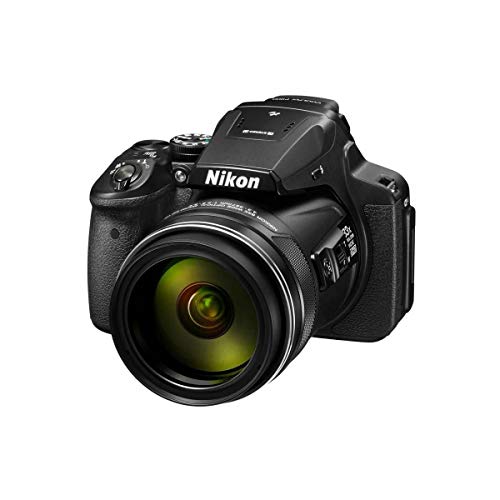
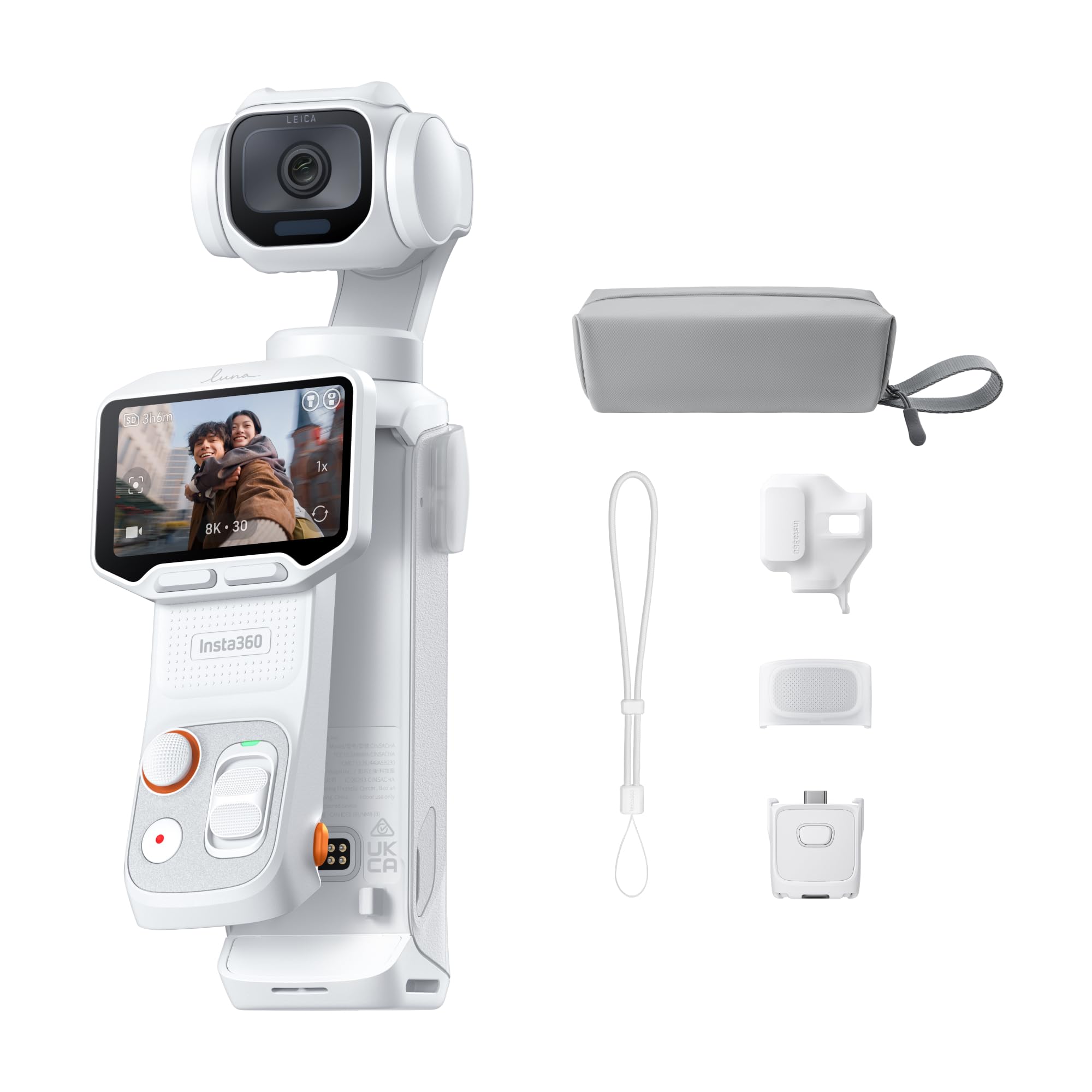
The sensor records light, the lens focuses that light, and the processor turns the result into a photo or video file. Most choices are mirrorless cameras with interchangeable lenses or advanced compacts with a fixed lens. That is why the best cameras under 700 dollars are judged less by megapixels and more by sensor size, lens quality and autofocus confidence. If your real budget is far smaller, see our guide to the best cameras for under 200 dollars.
Who Should Buy a Camera in This Price Range
New Photographers Leaving Phone Auto Mode Behind
You shoot often with your phone and feel limited by it. Indoor photos look grainy, backgrounds never blur as you want, and distant subjects stay small. A camera here gives you aperture, shutter speed and ISO controls that change pictures in visible ways. Choose clear menus and guided on screen explanations, since you will learn faster on a camera you understand.
Travel and Family Photographers Who Want Better Evening Photos
Your main subjects are people, trips and everyday events, often in mixed or dim light. A larger sensor and a lens that gathers more light will improve birthday dinners and school concerts far more than extra megapixels will. A tilting screen helps with group shots, and reliable autofocus for faces matters, since a missed moment cannot be retaken.
New Video Creators and Students Learning Manual Control
You want to record classes, hobbies or short videos with steadier footage than your phone gives you. Look for 4K video, a microphone input, a screen that flips toward you and stabilization that smooths small hand movements. Students should confirm full manual exposure in photo and video modes, since many course assignments require it. A headphone socket is rare at this price, so watch audio levels on screen.
What the Main Specs Mean for Your Photos
What You Can Realistically Get for About 700 Dollars
Expect a mirrorless body with a kit lens, or a compact camera with a larger 1 inch sensor and a fixed zoom lens. You generally get 4K video, dependable autofocus and far better low light results than a phone. Weather sealing and dual card slots are usually cut. Keep about $100 to $200 for a memory card, a bag and a spare battery. If that total feels high, see our guide to the best cameras under 500 dollars.
Sensor Size at This Price Point
The sensor is the surface that captures light, and its size shapes image quality more than any other spec. Compact cameras here often use a 1 inch sensor, while most interchangeable lens models use the larger APS C size. A larger sensor usually means cleaner photos in dim rooms and smoother background blur. Megapixels only decide how large you can print or crop, and about 20 to 26 is plenty for most beginners.
Lens and Zoom Range
Optical zoom means the lens itself magnifies the scene, so detail stays sharp. Digital zoom simply crops the image, and quality falls quickly, so ignore large digital zoom numbers. A common kit lens covers about 18 to 55 mm on APS C cameras, suiting landscapes, groups and portraits but feeling short for wildlife. The aperture figure, written like f/3.5 to f/5.6 on many kit lenses, shows how much light the lens gathers. Smaller f numbers gather more light and blur backgrounds more.
Battery Life and Charging
Camera batteries are rated in shots per charge, and many models here deliver about 300 to 500 shots under standard rating conditions. Video, cold weather and constant screen use cut that figure a lot, so travel filming can drain a battery by lunch. USB C charging is worth having because you can top up from a power bank between locations.
Size, Weight, and Ergonomics
The right camera is the one you actually carry. Compact fixed lens models slip into a jacket pocket and suit travel days on foot, while larger bodies with a deep grip feel steadier during long sessions. Check that your fingers reach the main dials without stretching, and try the viewfinder in bright sun, since screens can wash out. Weight figures should include the lens, because a heavy zoom can still tire your wrist.
Autofocus, Eye Detection and Steady Shots
Autofocus decides how quickly and reliably the camera locks onto your subject. Face and eye detection for people and animals is now common at this price and genuinely helps with portraits and pets, while subject tracking matters for sports and wildlife. Image stabilization, in the body, the lens or both, steadies small hand movements for slower shutter speeds and smoother walking footage. It cannot freeze a moving subject, so shutter speed still matters for action.
Your First Hour With the New Camera
Your first hour with the camera sets good habits. Work through these steps before your first real outing.
- Charge the battery fully, insert a memory card, and format that card in the camera so its file system matches.
- Set the date, time and time zone, since correct stamps make your photo library far easier to search later.
- Attach the lens by matching the mount marks and turning until it clicks, removing caps only when ready to shoot.
- Start in full auto, take test shots indoors and outdoors, and review them on a computer to check focus and color.
- Clean the lens with a lens cloth, not your shirt, and carry a spare battery so a flat battery never ends a session early.
Rookie Mistakes First Time Camera Buyers Should Avoid
- Spending the whole budget on the body leaves nothing for a card, a bag or a spare battery, so the camera stops midday.
- Chasing the highest megapixel count leads buyers to overlook sensor size, so indoor photos look noisier than expected.
- Trusting large digital zoom numbers results in soft, cropped images that disappoint on a large screen.
- Buying the largest camera on offer often means it gets left behind on trips, so the phone takes every photo.
- Ordering extra lenses before learning the kit lens means money sits unused on glass you may never need.
Care and Maintenance for Your First Camera
Keep the front lens element clean with a blower first and a microfiber lens cloth second, since wiping grit across glass can scratch the coating. Put both caps back on when the camera is not in use, and store it in a dry place away from direct heat. Change lenses indoors or shielded from wind, with the camera off and the mount facing down, so dust is less likely to reach the sensor. Never touch the sensor yourself. Spots in the same place on every photo mean it needs professional cleaning. Let a wet camera dry fully before switching it on.
Frequently Asked Questions
Can You Get a Good Camera for Under 700 Dollars for Everyday Photography?
Yes, a good camera for under 700 dollars is realistic for everyday photography, travel and family events. This budget covers modern sensors, 4K video and autofocus that tracks faces well. What you give up is mostly speed, ruggedness and low light reach, not basic image quality. Before buying, check the cost of a second lens later, since a healthy used lens market makes one system cheaper to grow with.
Which Camera Specs Matter Most for a First Camera Under 700 Dollars?
Sensor size, autofocus reliability and lens quality matter most for a first camera under 700 dollars. Together they decide how clean your indoor photos look and how many moving subjects stay sharp. Screen style matters too if you film yourself, and tap focus speeds up learning. Burst rate and dual card slots can wait, since few beginners shoot events where a backup card is essential.
How Much of a 700 Dollar Budget Should Go to the Camera Body Alone?
Plan to spend about $450 to $550 on the body and kit lens together, and reserve the rest for essentials. That split covers a fast memory card, a padded bag, a spare battery and perhaps a basic tripod. If you already own those items, shifting the full amount into the camera is reasonable. For a tighter plan, see our guide to the best cameras under 400 dollars.
Which Camera Type Is Better for Low Light Photos Under 700 Dollars?
An interchangeable lens camera with an APS C sensor is usually better for low light photos under 700 dollars, because its larger sensor gathers more light and you can add a bright prime lens later. That prime lens is often the biggest upgrade for evening portraits. Compact cameras with a 1 inch sensor still beat phones in dim rooms, but their fixed lenses limit that path, so choose them for convenience rather than growth.
Is a Smartphone Enough Instead of a Dedicated Camera Under 700 Dollars?
A smartphone is enough if you mostly post photos the same day and rarely print or shoot in dim light. A dedicated camera earns its cost when you want real zoom reach, blurred backgrounds or reliable shots of moving kids and pets. If a smaller step appeals first, see our guide to the best cameras under 300 dollars.
Wrapping Up
Start with the sensor and the lens, since those two choices shape your photos most. Then check autofocus for your main subjects, confirm the size feels right in your hands, and leave room for a card, a bag and a spare battery. Do that, and the best cameras under 700 dollars become a short, confident list. Compare your finalists in the product table above and pick the camera you will carry most often.


