
Best Cameras under 50 Dollars in 2026: Types Compared and How to Choose
Disclosure: We may earn a commission when you buy through links on this page, at no extra cost to you. As an Amazon Associate I earn from qualifying purchases. Learn more
Compare the best cameras under 50 dollars by type, and learn what sensor, zoom, video, storage and battery tradeoffs matter on a tight budget.
At this price, the hard part is not finding a camera. It is knowing what kind you are getting, because action models, simple digital models and kids models all promise big video numbers. The best cameras under 50 dollars match your main use and keep their limits honest. Use the comparison table below to sort the types first.
Start with one job. Do you want clips of bike rides and pool days, short videos where you talk to the lens, or simple photos of family and travel? Each job points to a different type and a different set of tradeoffs.


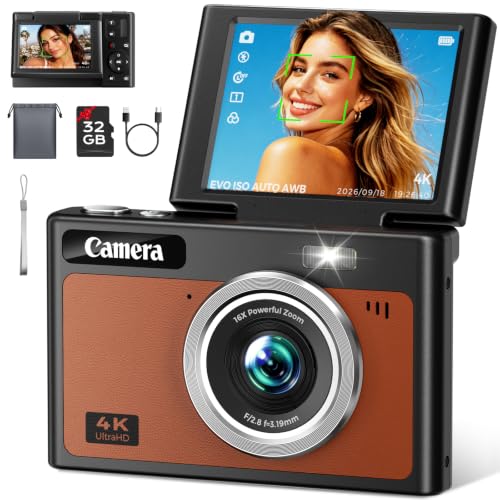
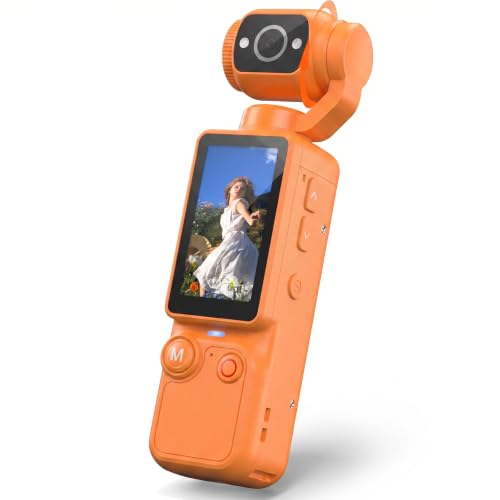
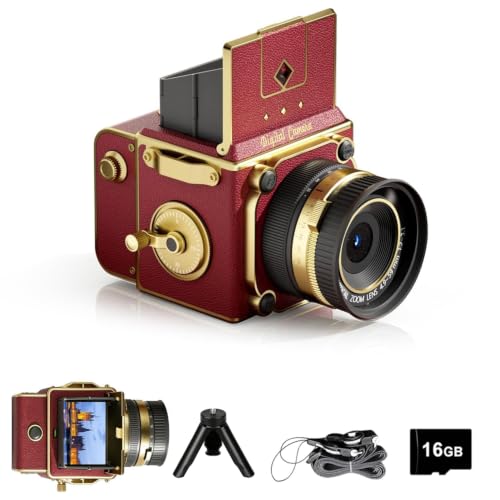
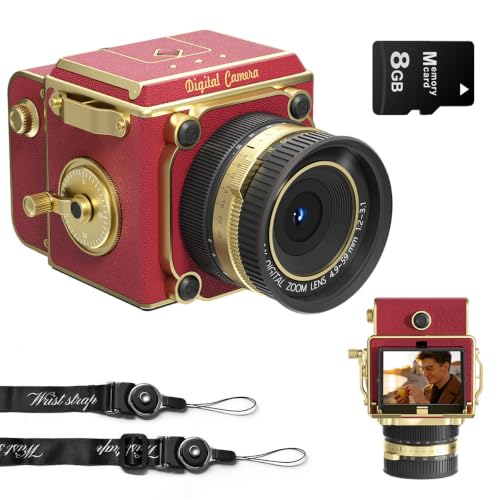

Types of Cameras Under 50 Dollars Compared
Three types make up most of this price range. They use similar small sensors, but their shape and controls suit very different days. Match the type to your use first.
Action Cameras for Outdoor Clips and Travel
An action camera is a small box with a very wide lens, made to be mounted or held while you move. It records wide video that keeps a scene in frame even when your hand shakes. Many come with a waterproof case for pool and beach use. The tradeoff is control. The lens usually does not zoom, faces look far away indoors, and the tiny screen is hard to judge in bright sun.
Vlogging and Basic Digital Cameras for Talking and Daily Photos
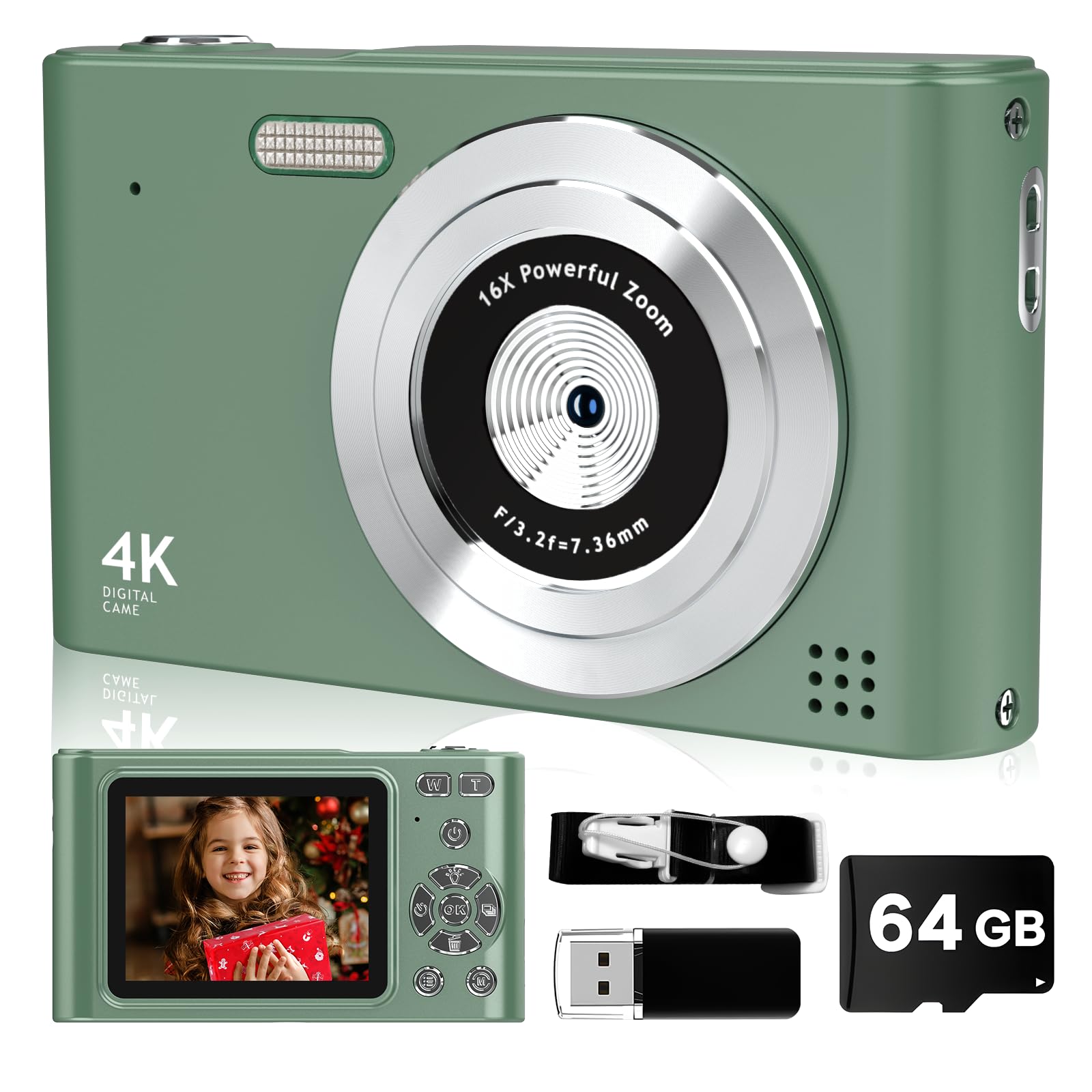
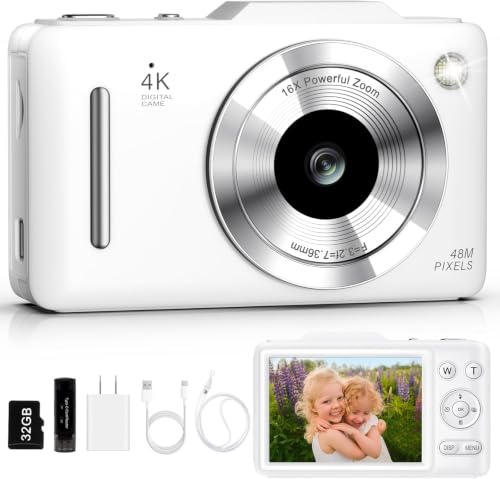
A basic digital camera looks like a classic camera, with a larger back screen for framing and review. It suits short clips where you talk to the lens and family photos. Sound is often clearer than on an action model when you stand close. Autofocus can hunt in dim rooms, though, and the body is rarely waterproof, so it needs gentler handling.
Kids and First Digital Cameras for Learning
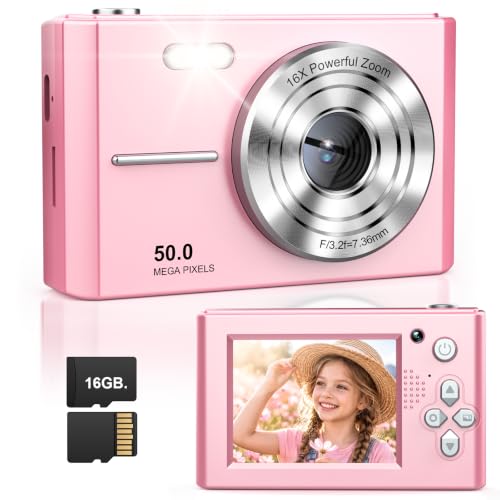
A kids camera trades image detail for simple buttons, a tough shell and a price that makes a drop less painful. Many add games or fun frames, and some print small photos at once, though refills add cost. Photo quality is the lowest of the three types. It fits a child learning to frame a shot. For gift ideas, see our guide to the best digital cameras under 50 dollars.
Action Cameras vs Vlogging Cameras: Which Should You Choose?
Choose an action camera if most clips happen while you move. The wide lens forgives rough aim, mounts hold it steady on gear, and a sealed case handles water and dust. Choose a basic digital model if you mostly talk to the lens, take still photos, or need to see yourself on screen while you record. For sound up close, the digital model usually wins.
Picture your next ten clips. If most happen outdoors or in a pool, pick the action type. If most happen at a desk or at family events, pick the digital type.
How to Choose the Right Camera Under 50 Dollars
Work through these factors in order. When you shop for the best cameras under 50 dollars, total cost and the honest video spec matter most.
Controls a Beginner Can Learn in Minutes
Simple controls beat deep menus at this price. Look for a clear auto mode, a record button you can find by touch, and a screen you can read outdoors. App transfer over WiFi sounds handy, but many budget apps are slow, so a card reader path matters as a backup. Count the steps from power on to first photo. More than three steps means missed moments.
Lens and Zoom Range on a Budget Camera
Most cameras at this price have a fixed lens or digital zoom only. Optical zoom uses glass to move closer and keeps detail, while digital zoom crops the image and softens it with each step. A wide fixed lens suits action and group shots, but distant subjects stay small. Check focus distance too, because some budget lenses cannot focus on close subjects such as food or crafts.
Battery Life and Charging
Budget cameras often record for about 60 to 90 minutes per charge, and short clips spread across a day stretch that further. A removable battery lets you carry a spare, while a built in battery means the day ends when the charge does. USB C charging is easier to share with a phone cable. Cold weather shortens every battery, so keep a spare warm indoors.
How a Small Sensor Handles Daylight and Dim Rooms
Cameras under 50 dollars use small sensors, close to the size in an older phone. That size works well in daylight and struggles indoors, where photos can look grainy. Megapixel counts on the box often come from software that enlarges the file, so a bigger number does not mean a sharper photo. Judge by the native resolution in the full specs.
What You Can Realistically Get Under $50
For around $50, expect honest 1080p video, usable daylight photos, a basic screen and a plastic body. True detailed 4K and strong low light results belong to higher budgets. Do not skip the memory card to save money, because the camera is useless without storage. If your use needs more, see our guide to the best cameras for under 200 dollars.
Picking the Right Camera Under 50 Dollars for Different Uses
Your main use should settle the last choice between two similar models.
Best 4K Cameras under 50 Dollars
Listings for best 4k cameras under 50 dollars need extra care. Many budget models record a lower resolution and enlarge it, so motion looks soft and text turns fuzzy. Look for the native recording resolution, the frame rate there, and whether stabilization stays on at the top setting. Clean 1080p often gives better clips than inflated 4K claims.
Cameras Under 50 Dollars for Family Days and School Events
For birthdays and school plays, favor a basic digital model with a readable screen and a zoom that helps from the back row. Arrive early and sit near an aisle, because no budget zoom fixes a seat behind a pillar. Turn off the flash for a stage show, since it lights heads in front of you and leaves the stage dark.
Cameras Under 50 Dollars for Outdoor Trips
For hiking, beach days and bike rides, favor the action type with a case you trust and a mount that fits your gear. Rinse sand from the case seal before opening it, because one grain can let water in later. For trip upgrades, compare our guide to the best cameras under 300 dollars and our guide to the best cameras under 500 dollars.
Common Mistakes to Avoid
- Trusting the box megapixel count leads you to pay for enlarged files, not real detail.
- Buying digital zoom as if it were optical zoom leaves distant subjects soft.
- Spending the full budget on the camera leaves no money for the memory card it needs.
- Using an action camera for seated talks gives a distant face and weak sound.
- Opening a waterproof case with sandy hands lets grit damage the seal.
- Storing clips only on one card means a lost or failed card takes every photo with it.
Lens Care and Safe Storage on a Budget
Clean the objective lens with a soft lens cloth, not your shirt, because shirt fabric can hold grit that scratches the coating. Blow dust off first, then wipe in a small circle. Keep the camera in a dry, padded bag.
After beach or pool use, rinse the closed case with plain water and let it dry before opening. Check the seal for hair or sand each time. Copy files to a computer each week.
FAQs
Can you get a good camera under 50 dollars for everyday photos?
Yes, you can get a good camera under 50 dollars for daylight photos, short clips and learning, as long as your needs stay simple. It will not match a strong phone indoors or at night. Keep the box and receipt until you have shot a full day with it, because sample quality varies more at this price.
How much storage does a camera under 50 dollars need for a day out?
A 32 gigabyte card suits most days out, holding hours of 1080p clips and thousands of small photos. Video fills space far faster than stills, so a long event can use a card on its own. Choose a card rated for video speed, because a slow card can stop a recording mid clip.
Which camera type under 50 dollars handles low light best?
A basic digital camera usually handles low light best at this price, because you can hold it steady with two hands and stay close to your subject. Action models spread a small sensor across a wide view, so each face gets less light. Move a subject near a window or a lamp first, because added light helps more than any night mode here.
Should you spend the full 50 dollars on a first camera or save part for extras?
Spend most of the budget on the camera, but hold back enough for a card, a case and a spare battery if the model allows one. A camera at around $40 with working storage beats one at around $50 that sits unused. Searches for the best reviewed cameras under 50 dollars often skip this total cost view.
What specs matter most for beginners shopping under 50 dollars?
For beginners, native video resolution, simple controls and battery type matter most, in that order. Confirm what the camera records without software enlargement, then check that you can start a clip in seconds. A useful first test is filming a pet moving across a room. If faces stay clear, the camera is good enough for sharing.
Is a smartphone enough instead of a camera under 50 dollars?
For most indoor photos, yes, a recent smartphone is enough and often sharper. A separate camera still earns its place when you want a device a child can drop, one that can get wet, or a tool that keeps your phone put away and saves its battery for maps and calls.
Wrapping Up
Match the type to your main job first, then check native resolution, zoom type and battery style. Use the product table above to compare types and total cost.
Chosen with those checks, the best cameras under 50 dollars give you a simple way to record trips, family days and first video projects. Pick the honest spec over the bold claim.

