
Best Cameras under 350 for 2026: How Each Budget Tier Compares
Disclosure: We may earn a commission when you buy through links on this page, at no extra cost to you. As an Amazon Associate I earn from qualifying purchases. Learn more

Compare the best cameras under 350 at every price point. Learn what you get at budget, midrange, and premium levels and where spending more pays off.
Prices under $350 cover simple point and shoot models and more capable cameras with larger sensors and manual controls. Finding the best cameras under 350 means knowing what each price level adds and what it leaves out. Use the comparison table below to see how the tiers line up.
Start with how you shoot most often. Family photos, travel, video and outdoor use each reward a different mix of lens, sensor and focus speed.




Who Should Buy a Camera in This Price Range?
Buyers here usually want a clear step up from a phone without the cost or bulk of advanced gear. Your main subject should decide the type you pick.
Families and Travelers Who Want More Than a Phone
You take photos indoors, on trips and at school events, often in mixed light. Choose a versatile zoom lens, a sensor larger than a phone sensor and automatic modes you can trust. Optical zoom helps at zoos and stages where you cannot move closer, and a compact body travels well in a small bag.
Students and New Creators Learning on a Real Camera
You want to learn exposure, focus and composition with dials a phone hides from you. Look for manual controls, a tilting screen for video and a microphone input if your work includes sound. A model that accepts new lenses later can grow with you, but only if you plan to buy one.
Action and Outdoor Users on a Tight Budget
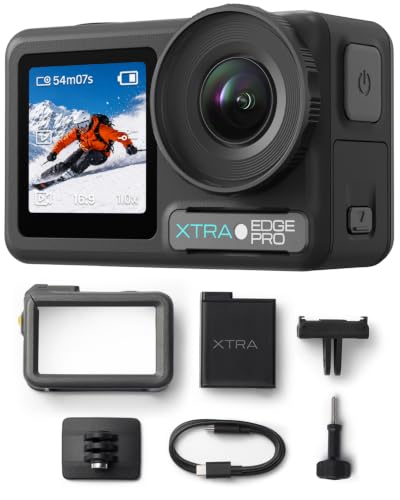
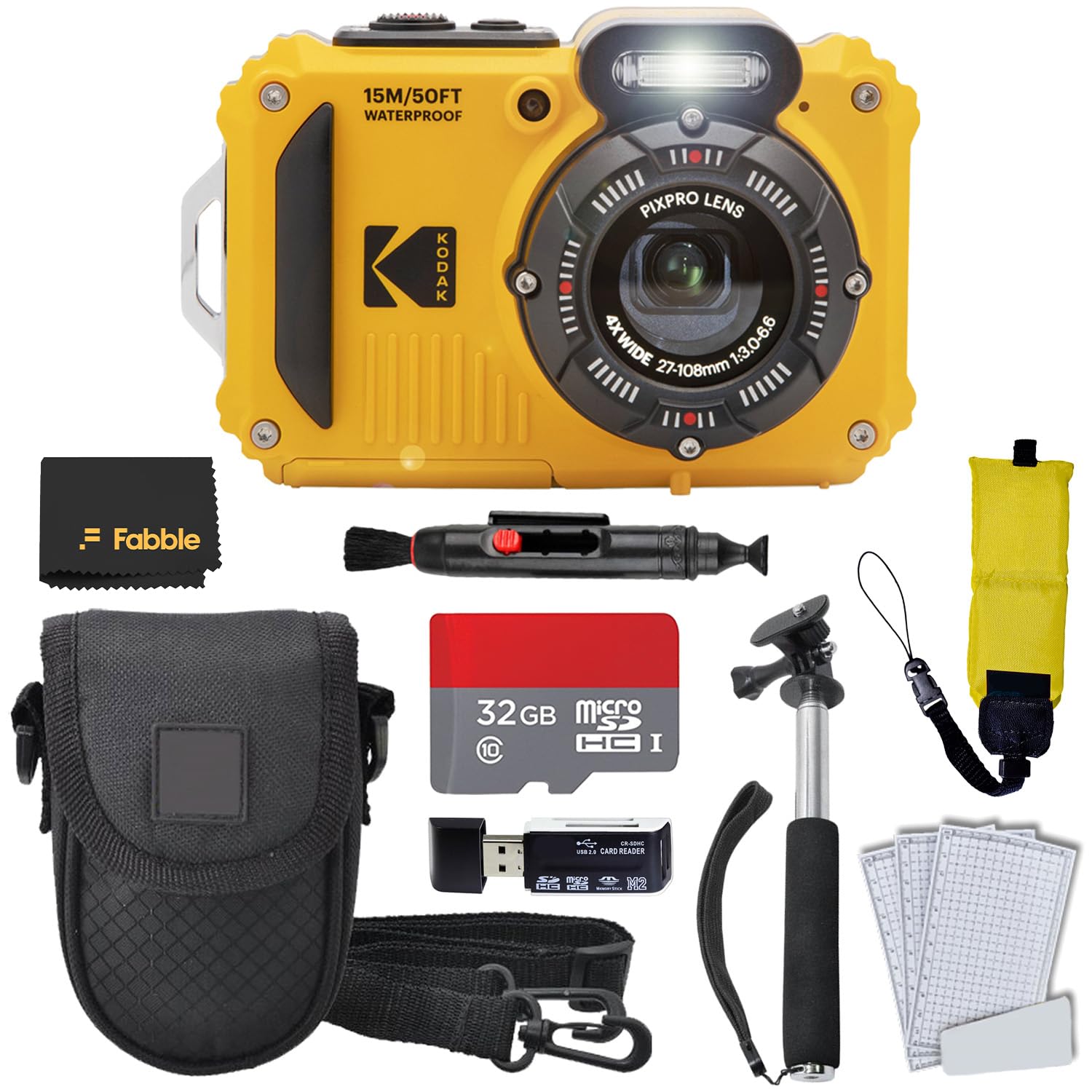
You shoot near water, on trails or at sports fields where drops and splashes are part of the day. Choose a rugged design with weatherproof sealing, a wide lens for close action and simple controls you can use with cold or wet hands. Bright light quality matters more here than fancy menus.
Where the Extra Money Goes at This Budget
The best cameras under 350 in the top tier often include a larger sensor and faster focus, while lower tiers keep the basics strong. For a wider view, compare a few other common budgets before you settle on one number.
Budget Tier Around $150 to $220 for Everyday Photos
Expect simple point and shoot cameras and basic action models with small sensors, modest zoom and automatic settings that do most of the work. Low light results can look soft. If this tier fits you, see our guide to the best quality cameras under 200 for careful shopping at lower prices.
Middle Tier Around $220 to $290 for Stronger Video and Controls
This level often adds a better lens, clearer 4K video on some models, faster autofocus and more manual control over exposure. Screens may tilt and build quality feels firmer in your hand. You still trade away the largest sensors and fastest burst speeds, but photos and family video clearly improve.
Top Tier Around $290 to $350 for Larger Sensors and Faster Focus
Near the top you may find a 1 inch sensor compact, a design sold with a kit lens, or an action model with stronger stabilization. Colors hold up better as light falls, and focus tracks moving subjects with fewer misses. This tier pays off if you print photos, crop often or shoot indoors without flash.
Key Features to Compare
Compare these factors in the same order for every model, so a low price cannot hide a weak lens or slow focus.
Bigger Sensors and Cleaner Dim Light Photos
Sensor size shapes how much light a camera can gather, and light is what makes clean and detailed photos. A 1 inch sensor usually beats a much smaller sensor in dim rooms, even when both list similar megapixel counts. Megapixels mainly set how large you can print or crop. A moderate count on a larger sensor is the smarter trade than a high count on a tiny one.
Lens and Optical Zoom Range
The lens decides what fits in your frame and how bright the image can be. Optical zoom uses real glass to move closer, so detail stays sharp, while digital zoom only crops the picture and loses detail. A lower f number, such as f2.8, lets in more light than f5.6 and helps indoors. Wide lenses suit rooms and landscapes, while longer zoom suits wildlife and sports from a distance.
Autofocus Tracking and Shake Control
Autofocus speed and tracking decide how many moving subjects stay sharp. Face and eye detection help with portraits and pets, and more focus points make it easier to place focus off center. Stabilization in the lens or body reduces blur from hand shake and smooths handheld video. It cannot freeze a fast subject, so you still need a fast enough shutter for sports and children.
Video Capabilities and 4K Video
Video quality depends on more than resolution alone. 4K video records more detail than 1080p, but it fills cards faster and can limit recording time on some models. A tilting screen helps you frame yourself, a microphone input improves sound, and WiFi makes phone transfers easy for sharing. Check frame rates too, because smooth action needs higher rates than a seated talk does.
Choosing the Right Camera Type for Your Needs
Body type is the choice readers most often rush. Size, lens options and toughness matter as much as image quality, and our guide to the best digital cameras gives broader background on the main types.
Best compact cameras under 350
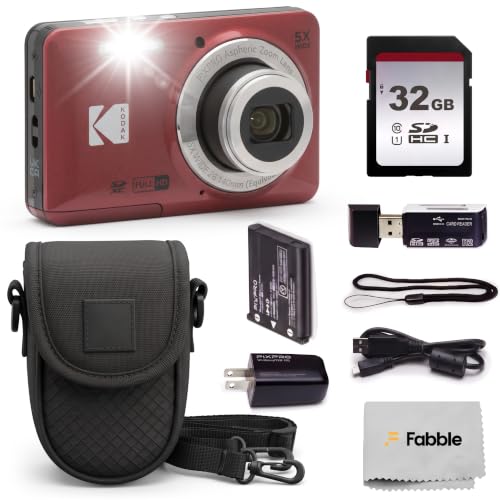
Compact cameras put the lens and body in one fixed unit that fits a pocket and starts fast. Choose this type if you value a true zoom and no extra lenses to carry or clean. The strongest models here favor bright lenses and 1 inch sensors on some designs, while cheaper ones trade sensor size for longer zoom. For travel and family use, that balance is often ideal.
Action Cameras and Weatherproof Models for Outdoors
Action cameras use a very wide lens, strong stabilization and a small rugged body made for mounts, bikes and water. If swimming, kayaking or beach use is central to your plans, see our guide to the best under water cameras for depth ratings and housing advice. A weatherproof rating covers a stated depth only, so check the exact limit before you dive.
Ownership Costs Beyond the Sticker Price
The camera price is only the start of what you will spend. Budget for a fast memory card, a spare battery for long days, a case that protects the lens and a basic cleaning kit. Models with changeable lenses add later lens costs that can exceed the body price.
Common Mistakes to Avoid
- Choosing by megapixel count alone leaves you with a tiny sensor that struggles in dim light.
- Paying for digital zoom instead of optical zoom leaves you with cropped photos that lose detail.
- Ignoring battery life and card speed leaves you unable to finish a long event.
- Buying a changeable lens body with no lens plan leaves you stuck with one limited view.
- Skipping the grip and screen check leaves you with a camera that feels awkward in use.
- Assuming every weatherproof camera can dive leaves you with water damage past its rated depth.
Care and Maintenance for Your Camera
Keep the lens clean with a soft microfiber cloth and a blower for dust, and never wipe dry grit across the glass. Store the camera dry and away from direct heat, with the lens cap on. In humid places, a sealed bag with silica gel packs helps protect against moisture inside the lens.
After outdoor use, wipe the body and dry it before you open any doors or change a card. Check seals on weatherproof models for sand or hair, because a single grain can break the seal. Format cards in the camera only after you have safely copied your files.
FAQ
Can you get a good camera for under $350?
Yes, you can get a good camera for under $350 if your needs match what this range does well. Daylight photos, family video and travel shots can look clear and detailed, especially from a 1 inch sensor model. Set limits for night sports and very large prints, where costlier gear still holds a clear edge.
How much should you spend on your first camera under $350?
Spend near the middle of the range for a first camera you plan to keep for years. That level usually buys better controls and a stronger lens without costly extras. Leave about $40 to $70 of your total for a card, a spare battery and a case, because a camera without those basics is not ready to use.
Is a smartphone enough instead of a camera under $350?
A smartphone is enough for casual snapshots if you rarely zoom, print or shoot in dim light for long. A dedicated camera wins when you need real optical zoom, longer battery life for events and controls that stay the same in bright sun. Many owners keep both and choose by outing.
What specs matter most for beginners buying a camera under $350?
Sensor size, lens brightness and autofocus matter most for beginners, because they affect almost every photo you take. Start there, then check screen clarity and battery life for your typical day. Ignore long lists of scene modes, because good light, a steady hold and a clean lens improve beginner photos more than any preset can.
Which camera type is better for low light photos under $350?
A compact camera with a 1 inch sensor and a bright lens is usually better for low light photos in this range. Its larger sensor gathers more light and its wide aperture keeps shutter speeds usable indoors. Brace against a wall when you can, because even the best option here benefits from less hand movement at night.
Final Thoughts
Match the tier to your light, your subject and how much you want to carry. Sensor size, lens quality and autofocus deserve your money first, while extreme zoom and extra effects can wait. Use the product table above to confirm price, card needs and battery details.
When you weigh those points first, the best cameras under 350 become easier to sort by real value rather than by spec lists. Pick the type you will bring often, and it will earn its place on every trip.


