
Best Cameras Twitch by Budget: Smart Picks for 2026
Disclosure: We may earn a commission when you buy through links on this page, at no extra cost to you. As an Amazon Associate I earn from qualifying purchases. Learn more

Streamers on any budget can compare the best cameras twitch setups use, with tier guidance on clean output, autofocus and low light video quality.
Streaming cameras range from simple webcams to full mirrorless kits, and the price gaps can look hard to justify from a listing page. This guide sorts best cameras twitch shopping by budget, so you know exactly which upgrades sharpen your stream and which ones your viewers will never notice.
Your viewers judge the result on a small video window, often beside fast gameplay. That fact should shape your spending: clean output, steady autofocus, and good light beat extreme resolution every time. Use the comparison table below to shortlist bodies, then match them to the tiers and features that follow.
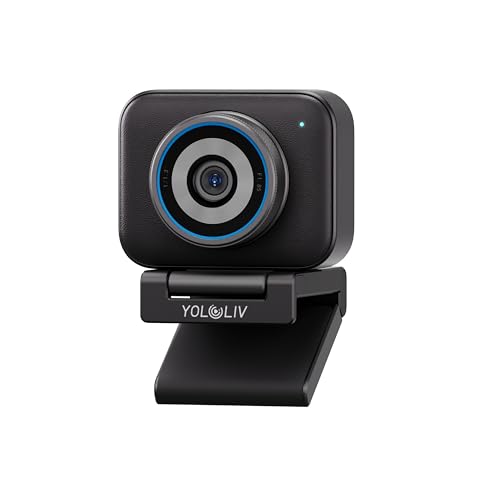


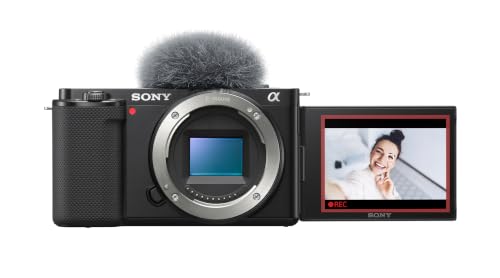
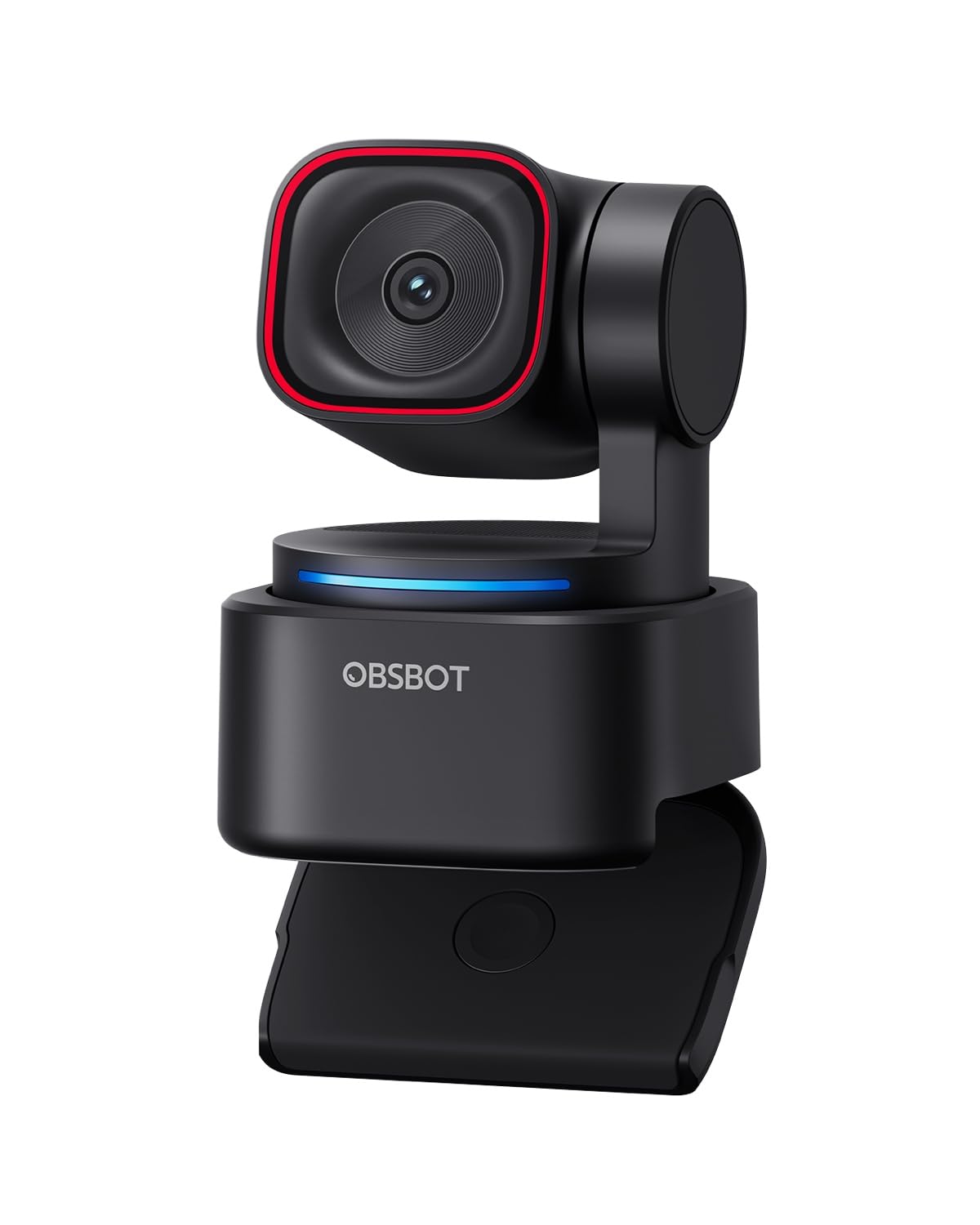
Budget Profiles for Streamers
Instead of naming single models that change with every sale, use these three profiles. Each one describes the setup that usually wins at its price, who it fits, and the compromise you accept when you stream with it for hours at a time.
Best Budget Pick
The budget profile fits new streamers testing whether they enjoy going live. It centers on a capable webcam or an entry compact with clean output at 1080p, simple plug in setup, and autofocus that holds your face while you talk. Strengths are price, speed, and zero fuss between work calls and evening streams.
The limit is low light softness, because small sensors need bright rooms to look crisp. Plan around $60 to $200, and put any leftover money into a basic light, which improves this tier more than a pricier body would. If you stream twice a week from a bright desk, start here without apology.
Best Midrange Pick
The midrange profile fits regular streamers building a channel and a consistent look. It centers on a mirrorless or advanced compact body with a larger sensor, reliable eye autofocus, and clean HDMI output for a capture card or direct USB streaming on supported models. Your image gains soft background blur, cleaner shadows, and color that survives compression.
The compromise is setup effort, since lenses, dummy batteries, and capture gear join the desk. Plan around $500 to $1,000 for a workable kit. Most growing channels land here and stay for years, because viewers see the jump instantly.
Best Premium Pick
The premium profile fits full time creators and streamers whose face cam carries interviews, events, or sponsored shows. It centers on a full frame or high end APS C body with fast lenses, excellent low light video, and pro audio and monitoring options. Strengths are image depth, dependable tracking during animated reactions, and files that double for polished recorded videos.
The limit is total cost, since lenses and capture hardware scale with the body. Plan around $1,200 to $2,500 for the full chain. Buy this tier when streaming is income or a serious craft, not as a first experiment.
What Your Money Gets You at Each Price Tier
Budget Tier: What to Expect
Budget streamers get honest 1080p video, fixed focus or basic autofocus, and built in mics that need a quiet room. Webcams in this tier mount easily and work with every platform, but they offer little control over framing and exposure. Small sensors show grain under warm evening lamps.
This tier suits talking streams, casual games, and anyone still choosing a schedule. Add a simple light panel and a separate USB mic before you consider leaving this tier, because sound and light shape viewer comfort more than pixels do at this level.
Midrange Tier: The Sweet Spot for Most Buyers
Midrange money buys the changes viewers actually see. Larger sensors clean up skin tones and room shadows, eye autofocus keeps you sharp when you lean in, and interchangeable lenses let you choose a natural desk framing. Clean HDMI output removes compression mush that USB only budget gear can add.
You also gain dummy battery options for unlimited sessions and better color controls. This tier suits streamers live three or more days a week who record clips for other platforms.
Premium Tier: When Spending More Pays Off
Premium spending pays off in polish and reliability under pressure. Full frame sensors with bright lenses produce the soft backgrounds and clean night images that define a pro looking channel. Faster processors track faces through quick turns and gestures, and dual purpose bodies create recorded content that matches your live look.
Heat management and pro connections also improve on long event days. Choose premium when your audience size or client work rewards that last layer of polish.
Features Worth Paying For (and Ones to Skip)
Ease of Use for Your Skill Level
Ease of use decides whether your setup survives busy weeks. Webcams win on pure simplicity, while mirrorless kits need a dummy battery, the right cable, and ten minutes of first time setup. Auto exposure and eye autofocus reduce the settings you must babysit live.
App or software control helps you adjust brightness without reaching for the body. If you are new, value a camera that resumes streaming with one click after a restart.
Battery Life and Charging
Streaming drains batteries far faster than stills shooting, so plan power as a core feature. Many mirrorless cameras run about an hour on a standard battery during video, which fails mid stream without a plan. A dummy battery that plugs into wall power is the standard fix, and USB C power delivery helps on supported bodies.
Webcams draw power from the computer and skip this problem entirely. Whatever you choose, test a full length session before a scheduled stream, and keep a spare battery charged for recorded work away from the desk.
Durability and Weather Sealing
A desk camera faces heat and dust more than rain, so durability here means steady long session performance. Check how a body handles continuous video, since some cameras limit recording time or grow hot in warm rooms. Weather sealing and waterproof ratings matter only if you stream travel or outdoor events, where a sealed body resists drizzle and dust. Spend on ventilation, a solid mount, and cable strain relief first, because a camera that falls or overheats fails harder than one without sealing.
Lens and Zoom Range
Your lens sets your look more than your body does. At a desk, a moderate wide lens around the classic webcam field of view keeps you and some background in frame without distortion. A lower f stop number gathers light and blurs the room behind you, which hides clutter gracefully.
Optical zoom helps if your desk distance changes, but most streamers set one framing and keep it. Avoid extreme wide lenses that bend your face at the edges. Prime lenses with fixed focal length often give the best light and blur per dollar for a fixed desk.
Sensor Size and Image Quality
Sensor size drives the streaming look because Twitch compresses your video. A larger sensor starts with cleaner, richer data, so faces stay smooth after that compression while small webcam sensors turn grainy. APS C is the value sweet spot, and full frame adds low light ease at a price. 4K video matters less live, since most streams run at 1080p, but a 4K sensor can downsample into a sharper 1080p feed.
Picking the Right Camera for Different Uses
Match the camera to your format. Talking and podcast style streams reward autofocus and audio options, fast reaction gaming rewards tracking speed, and creative streams reward lens choice and color control. Our deeper guide to the best cameras for twitch streaming walks through the full signal chain from lens to platform.
Best Streaming Cameras Twitch
For best streaming cameras twitch creators rely on, three criteria separate true streaming gear from general cameras. Clean HDMI or clean USB output comes first, with no menus or battery icons in the feed. Unlimited or long video runtime with wall power comes second.
Third is face tracking autofocus that holds focus while you move. A body that nails all three streams better than a pricier body missing one.
Long Term Costs to Factor In
The body is only part of the bill. A capture card, dummy battery, mount or small tripod, cables, and a key light form the working kit, and a decent microphone usually matters more than the next camera tier. Factor in replacement cables and a second lens as your format evolves.
Warranty and support quality also count, since a dead camera cancels streams. Streamers comparing creators with similar needs can learn from our guide to the best cameras for twitch streamers, while those weighing general image quality should see the best quality cameras overview before stretching a budget.
Frequently Asked Questions
How much should I spend on my first Twitch camera?
Most first time streamers should spend about $100 to $300 on the camera itself. That level buys a strong webcam or a starter body that looks clean in a lit room. Reserve part of your total budget for light and sound, since a modest camera with a good light beats a costly camera in a dim room. Upgrade the body later, once your schedule and audience prove the habit will stick.
Do I need a capture card for a Twitch camera?
You need a capture card only when the camera sends video over HDMI and has no USB webcam mode. Webcams and cameras with a USB streaming mode connect directly and appear in your streaming software as a normal video source.
What specs matter most for beginners streaming on Twitch?
Clean output, eye autofocus, and dependable power matter most for beginners. Together they keep your feed sharp and running for a full session without mid stream fixes. After those, sensor size shapes low light quality and background blur.
Resolution beyond 1080p helps recordings more than live viewers. A beginner gains more from a stable, simple chain than from a complex kit with slightly better numbers on paper.
Which camera setup is better for low light rooms?
A larger sensor camera with a bright lens is better for low light rooms. APS C and full frame bodies keep faces clean under warm lamps where webcams smear and grain. A lens with a low f stop adds as much as the body choice. Still, one affordable light panel often beats a tier jump, because adding light helps every camera and also improves your gameplay screen visibility for you.
Is a smartphone enough instead of a Twitch camera?
A smartphone is enough for trying streaming or for a second angle. Modern phones shoot clean video and connect through apps, but they tie up your phone, heat up on long sessions, and complicate alerts and calls. A dedicated camera stays mounted, powered, and framed the same way every stream. Start with the phone if you must, then move to a budget or midrange body once streaming becomes a weekly habit.
The Bottom Line
Buy clean output and steady autofocus first, add light before resolution, and choose the tier that matches your schedule. Budget gear launches a channel, midrange gear grows one, and premium gear polishes a proven show. The product table above shows current options in each tier.
For a final check on general formats, our guide to the best digital cameras can help you compare body styles. In the end, the right best cameras twitch setup is the one that looks clean, starts fast, and lets you forget the gear and talk to your community.


