Best Cameras to Use for Vlogging in 2026: A Buyer Checklist
Disclosure: We may earn a commission when you buy through links on this page, at no extra cost to you. As an Amazon Associate I earn from qualifying purchases. Learn more

Use this checklist to choose the best cameras to use for vlogging, covering sensors, autofocus, stabilization, audio, screens, lenses and battery life.
A vlogging camera must focus on your face without help, record clear speech, and stay steady in your hand. The best cameras to use for vlogging do those jobs well without slowing you down. This guide uses a simple checklist, so you can judge any camera by the work you actually film.
Start with where you shoot. A desk setup rewards a larger sensor and a good lens, while a walking tour rewards light weight and strong stabilization. Keep your main setting in mind, then use the comparison table below to check the cameras that match it.


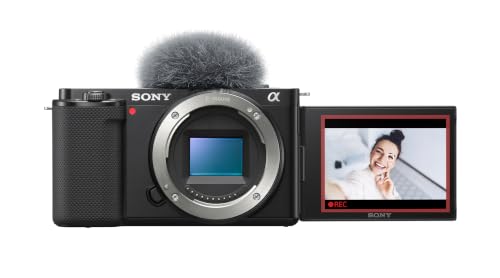

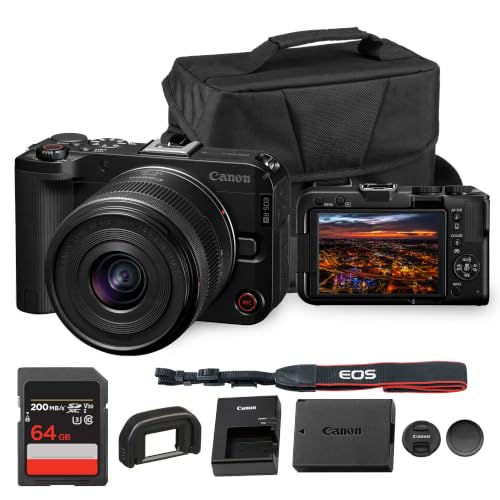

Who Should Buy Which Vlogging Camera?
Your filming style should decide the camera type before price enters the picture. Each group below needs a different balance of size, image quality, and ease of use.
Solo Creators Who Film Themselves at a Desk
You film alone from a tripod, so the screen must face you and focus must hold on your eyes while you talk and gesture. A mirrorless camera or a larger compact suits you, and a microphone input matters because your voice is the main sound. If you are new to dedicated cameras, see our guide to the best vlogging cameras for beginners for a simpler start.
Travel Creators Who Walk and Talk
You film while moving, often with one hand on the camera and no time to repeat a take. Weight, stabilization, and battery life matter more to you than the largest sensor. A compact camera with a wide lens keeps your face and the scene in frame, and a wind cover helps speech stay clear outdoors.
Creators Who Film Interviews and Family Moments
You point the camera at other people as often as at yourself, sometimes with two faces side by side. Look for autofocus that tracks more than one face and a zoom range that covers a room from your seat.
Key Features to Compare
Work through these six factors in order, with the same standard for every camera.
Sensor Size for Clean Indoor Footage
The sensor collects the light that becomes your image, and its size shapes how clean footage looks indoors. A 1 inch sensor is a clear step up from a phone and keeps the camera small. An APS C sensor gathers more light and blurs the background more, while a full frame sensor gives the cleanest results in dim rooms at the highest cost and weight.
4K Video and Frame Rates for Vlogging
Most vlogging is filmed in 4K at 24 or 30 frames per second, which gives sharp detail and a natural look for talking footage. A rate of 60 frames per second suits action clips you may slow down in editing. Check the recording limit and whether the camera crops the image in 4K, since a crop makes your lens act narrower at arm length.
Autofocus That Tracks Faces and Eyes
Autofocus is the feature solo creators rely on most, because no one stands behind the camera to correct it. Look for face detection and eye autofocus that hold focus while you lean in, turn sideways, or hold a product near the lens. Favor cameras known for steady tracking over ones that hunt back and forth.
Image Stabilization for Handheld Footage
Stabilization smooths the small shakes that come from holding a camera, and it comes in three forms you may combine. In body stabilization moves the sensor, optical stabilization moves elements in the lens, and electronic stabilization trims the edges of the image. Electronic modes crop the frame, so a wide lens matters more when you use them.
Audio Inputs and the Forward Facing Screen
Viewers forgive soft video sooner than poor sound, so treat audio as a core spec. A 3.5 mm microphone input lets you add a small shotgun or wireless microphone. The built in microphone suits quiet rooms only. A screen that flips fully forward lets you frame yourself and confirm recording, focus, and battery level before you start talking.
Lens Choice, Zoom Range, and Battery Life
A vlogging lens needs to be wide, because you hold the camera close and still want the room or street behind you in frame. That often means about 16 to 24 mm in full frame terms, with an aperture around f/1.8 to f/2.8 for dim light. Interchangeable lenses let you grow over time. Look for a few hours of video per charge and charging over USB C, so a power bank can keep you filming.
Camera Types Compared for Vlogging
Compact cameras with a fixed lens are ready the moment you switch them on, with no lens to choose or change, and they slip into a small bag. Their limits are low light reach and a lens you cannot swap when your style changes.
Mirrorless cameras give you the widest lens choice and the strongest low light results, and they grow with your channel. If still photos matter alongside video, see our guide to the best digital cameras. For a broader shortlist, see our guide to the best cameras to use across everyday subjects.
Action and pocket cameras trade image quality for size and toughness. They mount on bikes and dashboards, shrug off splashes, and keep you in frame without careful aiming. That wide view can distort faces held close, and small sensors struggle after dark.
Quick Buyer Checklist for a Vlogging Camera
Run through these questions before you pay, and treat any no answer on focus, sound, or screen as a reason to pause. Answer for your real filming days, then use the list to compare the best cameras to use for vlogging on price.
- Can you see yourself on the screen while the camera records?
- Does the autofocus track eyes and hold focus when you move?
- Can you plug in an external microphone for clearer speech?
- Is the widest lens setting wide enough at arm length?
- Does stabilization keep walking footage comfortable to watch?
- Can the camera record your longest usual clip without stopping?
- Does the weight feel fine in one hand for several minutes?
- Can you charge the battery from a power bank while traveling?
Once the checklist is passed, budget shapes the final choice. Simple compacts often cost about $300 to $700, while mirrorless kits often run about $700 to $1,500. If funds are tight, see our guide to the best affordable cameras for vlogging for lower cost routes.
Common Mistakes to Avoid
- Buying on megapixel count alone leaves you with weak autofocus and poor sound for talking footage.
- Choosing a lens that is too narrow cuts off your face when you hold the camera at arm length.
- Skipping a microphone input forces you to rely on room echo and thin, distant speech.
- Ignoring the recording limit means long talks stop midway and lose the end of your point.
- Picking a heavy camera for daily walks leaves it at home on the days you film most.
- Trusting a headline zoom number without checking aperture leaves indoor footage dark and noisy.
Care and Maintenance for Vlogging Cameras
Clean the lens with a soft lens cloth, never your shirt, since gritty fabric can scratch the coating. Wipe in small circles from the center outward after blowing dust off. Keep a spare battery charged and store both away from heat in a car.
Carry the camera in a dry, padded bag with the lens cap on and the screen closed where the design allows it. After filming in rain or sea air, wipe the body dry and let it sit out at home before sealing it away.
Frequently Asked Questions
What features matter most for solo vlogging filmed alone?
For solo vlogging, reliable eye autofocus, a fully forward facing screen, and a microphone input matter most. One extra point is a clear recording lamp on the front of the camera. It confirms at a glance that a take is running, before you deliver your best line to a camera that is off.
Which sensor size is better for vlogging indoors in low light?
A larger sensor, such as APS C or full frame, is better for vlogging indoors in low light. It keeps faces clean at higher sensitivity settings where small sensors turn grainy. Room light still matters, though. Sitting near a window or a soft lamp can improve a small sensor result more than a costly upgrade, and it costs nothing to test first.
Is a smartphone enough instead of a dedicated vlogging camera?
A smartphone is enough for vlogging if your rooms are bright and your channel is new, since its screen, focus, and ease of sharing are strong. A dedicated camera pulls ahead when you film after dark, want a softer background, or record long sessions that would drain your phone and fill its storage during a normal day.
What specs matter most for beginners choosing a vlogging camera?
For beginners, simple menus, dependable autofocus, and a flip screen matter more than the highest video resolution. Add one good microphone before any lens upgrade, since clearer speech holds viewers longer than extra sharpness.
How much should I spend on my first vlogging camera?
Most first time buyers spend about $300 to $800 on a vlogging camera and basic sound gear. That range covers capable compacts and entry mirrorless kits without pro features you may never open. Leave part of the budget unspent. After a month of filming, your own clips will show whether a microphone, a wider lens, or a tripod deserves the next dollar.
Do vlogging cameras need weather sealing for outdoor filming?
Weather sealing helps a vlogging camera outdoors, but it is not required for most creators. Sealed bodies and lenses resist light rain and dust, which suits travel and market filming. Sealing is never full waterproofing, so a downpour still calls for cover. Near the sea, wipe salt spray off the body the same day to protect the dials and ports.
Final Thoughts
Judge every candidate by the same short list: a sensor that suits your light, autofocus you can trust alone, stabilization that matches how you move, and sound you can improve with a microphone.
When you compare the best cameras to use for vlogging with that list in hand, the right camera is usually the one with no weak point for your style. Use the product table above to confirm screen, inputs, and battery details, then start filming.