Best Cameras to Use for Photography: Matching the Right Model to Your Routine for 2026
Disclosure: We may earn a commission when you buy through links on this page, at no extra cost to you. As an Amazon Associate I earn from qualifying purchases. Learn more

Compare the best cameras to use for photography by routine, sensor size, lens choice, and video features so you can buy once and shoot happily for years.
The right camera depends on how you actually spend your shooting time, not on a spec sheet alone. A parent photographing school plays, a hiker documenting ridgelines, and a creator filming tutorials all need different things from a camera body and lens. This guide sorts the best cameras to use for photography by routine first, so you can match sensor size, lens options, and autofocus speed to the way you really shoot.
Start by scanning the comparison table below to see how the main camera types differ at a glance, then read the sections that match your routine. If you are still weighing camera types against each other, see our guide to the best digital cameras for a wider look at the categories.

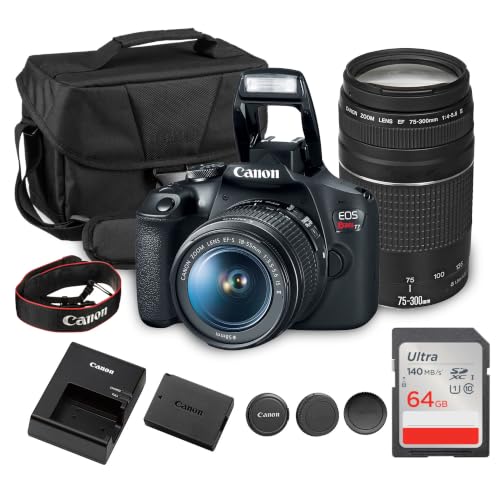


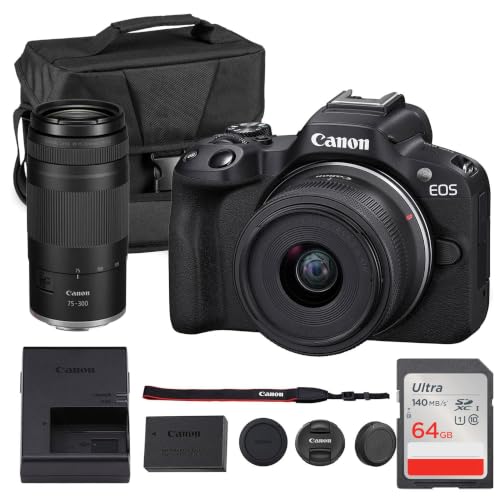


Who Should Buy Which Cameras?
Most buying regret comes from a mismatch between the camera and the routine, not from a bad camera. A heavy body that stays home loses to a modest camera that goes everywhere. Read the group below that sounds most like your week, and note the features it tells you to prioritize.
For Fast Action and Dedicated Enthusiasts
If you shoot sports, wildlife, or energetic kids and pets, speed decides how many moments you keep. Prioritize a high burst rate with a deep buffer, so the camera keeps firing while files write to the card instead of stalling mid play. Tracking autofocus that follows a subject across the frame matters more than a long feature list. Dual card slots protect a day of shooting if one card fails, and a weatherproof body lets you keep working through drizzle and dust.
For Students and Everyday Users
If you are learning photography or documenting family life, ease and value matter more than raw power. Look for clear menus, a guided auto mode you can grow out of, and in body image stabilization that forgives shaky hands in dim rooms. A full day of battery life keeps the camera ready without spare batteries in your pocket. If you are comparing entry level options side by side, see our guide to the best cameras for starter photography for models grouped by budget and learning curve.
For Travelers and Commuters
If your camera rides in a daypack or a jacket pocket, weight and bulk decide whether it comes along at all. A compact body with one versatile zoom lens often beats a larger kit that stays at the hotel. Charging over USB from a power bank keeps you going on trains and long layovers. A tough build and a strap you trust protect the camera on crowded platforms, and a quiet shutter suits street scenes.
For Remote Workers and Creators
If your camera doubles as a work tool for video calls, tutorials, or product shots, reliability and clean output come first. A fully articulating screen lets you frame yourself, while a microphone input and a headphone jack keep audio quality under your control. Clean HDMI output or direct USB webcam support makes the camera work with meeting software without extra capture gear. Eye detection autofocus holds focus on your face while you move, and consistent color saves editing time.
Picking the Right Camera for Different Uses
Some routines place unusual demands on a camera, and a general shortlist can miss them. For a broader shortlist organized by budget, see our guide to the best cameras to use across every category. The two cases below show how a specific use reshapes the checklist.
Best Cameras to Use for Photography Programs
Cameras chosen for photography programs, meaning structured classes, school courses, and the editing software you learn alongside them, need full manual control above all. Instructors expect you to set aperture, shutter speed, and ISO yourself, so a camera that buries those settings in touch menus slows your homework. RAW file support is essential because assignments often grade your editing, and files should open cleanly in common editing programs. A standard hot shoe and tethering over USB for studio demonstrations round out a course friendly kit.
Film remains a deliberate choice for photographers who enjoy a slower pace and a fixed number of frames per roll. It teaches careful composition because every frame costs money, and many shooters love the look of real grain. If that process appeals to you, see our guide to the best film photography cameras for formats and upkeep. Just budget for film stock and developing as ongoing costs.
Key Features to Compare
With your routine in mind, the features below decide how a camera behaves day to day. The product table above lists the headline numbers, but the sections here explain what those numbers feel like in use. Focus on the factors your routine stresses most.
Features That Matter for Photography
Still photography rewards direct control and honest files. Dedicated dials for aperture, shutter speed, and ISO let you change exposure without lowering the camera from your eye. RAW capture preserves the most editing room for bright skies and shadowed faces, while a bright electronic viewfinder shows exposure before you press the shutter. A hot shoe accepts an external flash for indoor events, and a grip shaped for your hand reduces fatigue on long walks.
Video Capabilities
If you record clips alongside stills, look past the headline resolution. 4K video at 24 or 30 frames per second suits most family and travel footage, while 60 frames per second smooths fast motion and allows gentle slow motion in editing. Flat log profiles hold more editing room but demand extra work on every clip, so skip them if you share footage straight from the camera. A microphone input improves voices far more than any resolution bump, and image stabilization steadies handheld walking shots.
Lens and Zoom Range
The lens shapes your images more than the body does. Optical zoom moves glass elements to change magnification, so detail stays sharp at every setting, while digital zoom simply crops the image and throws detail away. A 24 to 70 mm range covers landscapes, groups, and portraits for most people, and a wider aperture such as f2.8 gathers more light for dim rooms. Interchangeable lens cameras let you add a telephoto or a fast prime later, and coatings on the front objective lens reduce glare toward bright light.
Sensor Size and Image Quality
Sensor size drives low light quality and depth of field control more than any other spec. Compact cameras with a 1 inch sensor are pocket friendly and fine in daylight. APS C sensors, common in mid priced mirrorless bodies, balance size, cost, and clean results at higher ISO settings. Full frame sensors gather the most light and blur backgrounds the most easily, at the price of larger and costlier lenses. Megapixels matter less than marketing suggests, because 20 to 26 megapixels already print large and crop comfortably.
Common Mistakes to Avoid When Buying Cameras
Most of these errors look harmless in a store and expensive a month later. Read them before you order, not after.
- Chasing the highest megapixel count, which fills your memory cards faster without making everyday prints look any better.
- Spending the entire budget on the body, which leaves nothing for a second lens, a spare battery, or a decent camera bag.
- Trusting digital zoom numbers on the box, which crop the image in camera and quietly discard the detail you paid for.
- Ignoring size and weight, which turns an excellent camera into one that stays home on the trips you bought it for.
- Buying into a lens system without checking its lens lineup, which can block the telephoto or macro lens you want next year.
- Skipping the warranty and return terms, which leaves you stuck if the camera arrives with a defect or simply feels wrong in hand.
How to Get the Most From Your Camera
A few small habits keep a camera accurate and ready for years. Clean the lens with a proper lens cloth, not your shirt, because shirt fabric can drag grit across the coating and leave fine scratches. Blow dust off the front element before wiping, and keep lens caps on whenever the camera is not in use. If you change lenses outdoors, point the body downward so dust is less likely to settle on the sensor.
Carry a spare battery and rotate both batteries so neither sits empty for months, which shortens its life. Store the camera in a dry, padded bag away from steamy bathrooms and hot car trunks, and remove the battery before long storage. Format memory cards in the camera rather than deleting files one by one, since in camera formatting keeps the card file structure healthy. Install firmware updates from the maker when they appear, because they often improve autofocus and fix small bugs for free.
FAQs
What features matter most in a camera for photography?
Direct exposure controls, RAW capture, and dependable autofocus matter most in a camera for photography. Together they decide how much creative control you keep when light gets tricky. One point buyers overlook is viewfinder brightness and magnification, because a dim or tiny viewfinder makes manual focus tiring. Try the viewfinder in store if you can, and prefer dials that fall under your fingers.
What camera specs matter most for beginners learning photography?
Beginners should prioritize simple menus, a helpful auto mode, and image stabilization over headline specs. A kit lens in the 18 to 55 mm range teaches composition without extra purchases. One spec worth checking is the guided display or built in tutorials some bodies offer, which explain settings as you change them. For curated starter options, see our guide to the best beginning photography cameras before you commit to a system.
Which camera type is better for low light photography?
A larger sensor camera with a wide aperture lens is better for low light photography. Full frame and APS C bodies keep noise lower at high ISO settings, and an f1.8 prime lens gathers several times more light than a typical kit zoom. Technique helps as much as gear, so brace the camera against a door frame when a tripod is not allowed. Raising ISO beats a blurry slow shutter with moving subjects.
Is a smartphone enough instead of a dedicated camera for photography?
A smartphone is enough for casual snapshots and social sharing, but a dedicated camera pulls ahead when you zoom, shoot in dim light, or print large. The bigger sensor and real optical zoom hold detail that phone processing cannot recreate. A practical middle path is carrying the camera only for planned shooting, such as events and trips, and letting the phone handle daily moments.
How much should I spend on my first camera for photography?
Most first time buyers do well spending about $400 to $900 on a camera and kit lens together. That range buys a capable APS C or advanced compact body with room left for a bag and a spare battery. Spending far more usually buys speed and sealing that beginners rarely use. Reserve part of the budget for a second lens later, once you know which focal lengths you reach for most.
What does optical zoom mean on a camera for photography?
Optical zoom means the lens physically changes focal length, so the subject grows larger in the frame with full detail preserved. A 3 times optical zoom, for example, might run from 24 mm at the wide end to 72 mm at the long end. Unlike digital zoom, which crops and enlarges the middle of the image, optical zoom keeps every pixel the sensor captured. When you compare cameras, treat the optical range as the real one and ignore inflated digital figures on the box.
Final Thoughts
Choosing well comes down to three checks: match the camera to your routine, favor sensor size and lens quality over headline numbers, and confirm the system can grow with you. The product table above pulls the leading options into one view, so use it to check your shortlist. Whichever body you choose, the best cameras to use for photography are the ones that fit your hands, your budget, and your calendar, because a camera that goes everywhere takes the pictures you actually remember.