
Best Cameras to Use for Instagram: Buying Guide for 2026
Disclosure: We may earn a commission when you buy through links on this page, at no extra cost to you. As an Amazon Associate I earn from qualifying purchases. Learn more

Find cameras for Instagram with clear guidance on sensor size, autofocus, Reels video, lenses and fast phone transfer, plus care tips and common mistakes.
Your phone posts a photo in seconds, yet its small sensor and fixed lens limit you in dim cafes and when you crop for the feed. The best cameras to use for instagram give you cleaner files, sharper focus, and more control over depth and light. Use the comparison table below to match those gains to how you actually post.
Think about your grid before brands. A food creator needs close focus and true color at a table, while a travel creator needs a light body for a full day of walking. The sections below sort buyers by posting style, then compare the features that change your results.


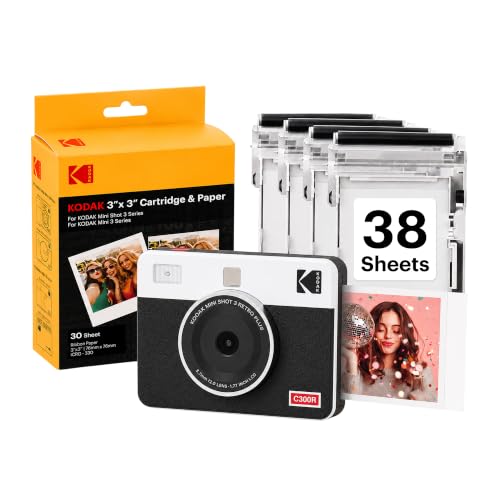

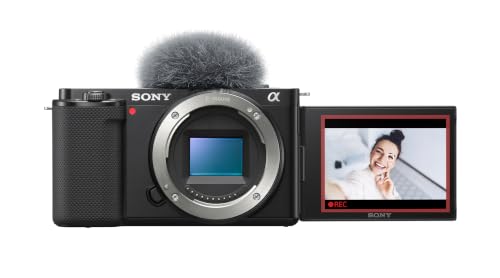

Who Should Buy Which Camera for Instagram?
Your posting mix decides which tradeoffs make sense. Choose for what you publish every week, not for a rare trip or one ambitious project.
Feed First Portrait and Lifestyle Creators
You publish posed portraits, outfit shots, and styled scenes where skin tones and background blur carry the image. Prioritize a larger sensor, reliable eye detection, and a wide aperture lens for soft backgrounds. A slightly bigger body is fine, since most of your shooting happens in planned sessions near home.
Reels and Stories Video Creators
You post moving content daily, often filming yourself alone. Prioritize a screen that flips fully toward you, steady handheld video, and a microphone input for clear voice audio. A compact body matters, since you film in kitchens, cars, and small rooms, and vertical shooting should feel natural with on screen guides.
Travel Creators Who Post Every Day
You shoot streets, markets, and landscapes while moving, and post from trains and cafes. Prioritize low weight, a versatile zoom, and fast wireless transfer so files reach your phone without a laptop. If your trips mix photos with casual clips, see our guide to the best cameras for personal use for more simple everyday choices.
Key Features to Compare
When you compare the best cameras to use for instagram, work through these six factors in order. Each one changes your feed, your Reels, or your posting speed.
Sensor Size and Clean Files for the Feed
Sensor size controls how much light the camera gathers, and light keeps indoor and evening shots clean instead of grainy. A 1 inch type sensor suits pocketable cameras, APS C suits portraits and low light, and full frame gives the cleanest files. Megapixels matter less, since Instagram compresses large files anyway. Choose APS C if you crop often or shoot after sunset.
Autofocus That Finds Eyes Fast
Modern autofocus locks onto a face or an eye and holds it while your subject moves or turns. That matters for portraits, kids, pets, and self timed shots. Look for subject detection for people and animals, plus a touchscreen to tap focus onto a product or a dish. Fast focus will not fix blur from a slow shutter speed, so pair it with stabilization indoors.
Image Stabilization for Handheld Shots and Clips
Stabilization steadies the hand movements that soften photos and make walking clips hard to watch. In body stabilization helps with almost any lens, while lens based systems are common on zooms and compacts. For stills, it lets you use slower shutter speeds in cafes and museums without a tripod. For video, electronic modes smooth movement but may crop the frame slightly, so check framing with the strongest mode on.
Video Tools for Reels and Stories
Reels reward clean vertical video, clear speech, and a frame you can check while filming alone. Look for 4K recording for sharp crops, a fully flipping screen, and a microphone input or a strong digital audio option. Frame guides for the 9 to 16 format keep faces and text safe zones in view while you record. Slow motion adds variety for sports and product reveals, but steady focus and clear sound improve far more clips.
Lens and Zoom Choices for Portraits, Food and Travel
The lens shapes your look more than the body does. A wide aperture prime lens, around f1.8 to f2.8, blurs backgrounds for portraits and gathers light at dinner tables. A standard zoom covering about 24 to 70 mm in full frame terms handles travel, flat lays, and daily scenes alone. Longer zooms help at events, but they add weight and often have narrower apertures. Buy for your most common scene first.
Phone Transfer, Battery Life and Charging
A great file sitting on a memory card earns you nothing, so transfer speed shapes how often you post. Brand apps using WiFi and Bluetooth send photos to your phone in minutes, and the best ones reconnect without fresh setup. Ratings of about 300 to 500 shots per charge suit a day of shooting, and USB C charging lets you top up from your phone power bank. Carry a spare battery on travel days, since video drains power faster than stills.
Camera Types Compared for Instagram Posting
Three camera families cover almost every Instagram workflow, and size, lens choice, and video tools pull each one in a different direction.
Mirrorless Cameras With Interchangeable Lenses
Mirrorless cameras pair larger sensors with lenses you can swap as your style grows, from a portrait prime to a travel zoom. They deliver the strongest low light quality and the most control over background blur here. The cost is size, price, and a learning curve. Readers comparing the wider category can see our guide to the best digital cameras for how these models sit beside simpler options.
Vlogging Cameras Built Around Video
Vlogging cameras are compact bodies built for self filming, with flip screens, strong face tracking, and focus modes that hold a held up product sharp. Many use a fixed wide lens, which keeps them light but limits portraits and zoom reach. Choose this type if Reels and Stories dominate your posting and you film alone. If your posting mixes daily life with planned shoots, see our guide to the best cameras to use for broader everyday choices.
Point and Shoot Compacts for Simple Posting
Compact cameras keep the lens attached and the controls simple, and better models use a 1 inch type sensor that clearly beats a phone in dim light. They suit creators who want better files without learning lens systems or carrying a bag. Zoom ranges vary widely, so check the range against your scenes first. For feed focused stills in this style, see our guide to the best cameras for instagram pictures for more photo first choices.
Common Mistakes to Avoid
These errors cost money or followers more often than a modest sensor ever will.
- Buying the largest sensor you can afford leaves no budget for the lens that shapes your portraits.
- Judging a camera only by megapixels leads you to files Instagram compresses while low light quality stays poor.
- Filming Reels with a fixed rear screen means you cannot check framing or focus while recording alone.
- Skipping a test of the phone app can leave you with transfers too slow for timely posting.
- Choosing a heavy travel kit means the camera stays in the hotel during your best Story walks.
Care and Maintenance for a Camera You Use Daily
Clean the lens with a soft lens cloth, not your shirt, since grit in fabric can scratch the coating. Blow dust off the front element first, then wipe in small circles from the center outward. Keep a cloth in every bag, because fingerprints show up fast in backlit portraits and product shots.
Store the camera in a dry padded bag, and let a damp camera dry in open air before sealing it away after rain or a beach shoot. Charge batteries before they sit empty for weeks, and update firmware for autofocus or app improvements. Format memory cards in the camera after you copy files safely to your phone or computer.
FAQ
What features matter most in a camera for Instagram posting?
Fast eye autofocus, a sensor that stays clean in low light, and quick phone transfer matter most for Instagram posting. Also shoot slightly wider than your final crop and keep your subject off the edges. That habit protects your composition when you switch between square, portrait, and vertical crops for different placements.
Is a smartphone enough instead of a dedicated camera for Instagram?
A smartphone is enough for bright outdoor Stories and quick daily posts, and it wins on speed every time. A dedicated camera pulls ahead when you crop hard, print, or shoot in dim restaurants where phone processing can smooth skin into a waxy look. Many creators keep both, using the phone for spontaneity and the camera for planned feed content.
How much should you spend on a first camera for Instagram?
Plan on about $500 to $900 for a first camera and kit lens that clearly beats a phone. Set aside part of that budget for a card, a padded bag, and a second battery instead of spending it all on the body. Spending more mainly buys low light quality and lens options, so upgrade once your posting style shows the limit you hit most.
Which camera type is better for low light Instagram photos?
A mirrorless camera with an APS C or full frame sensor beats a small sensor compact for low light Instagram photos. Lens aperture matters almost as much, since an f1.8 lens lets in far more light than a kit zoom at f4. In a cafe test, watch shutter speed too, because a great sensor cannot freeze a moving friend at slow speeds.
What specs matter most for beginners buying a camera for Instagram?
Simple menus, guided shooting modes, and reliable automatic focus matter most for beginners buying a camera for Instagram. Start with one versatile zoom lens and learn how light and angle change your results before buying specialty lenses. A tilting touchscreen helps more than extra megapixels, since it makes low table shots and high shelf shots easier to frame.
Wrapping Up
Match the camera to your posting mix first, then check sensor size, autofocus, and transfer speed in that order. Feed creators gain most from larger sensors and portrait lenses, while Reels creators gain most from flip screens, stabilization, and clear audio.
Use the product table above to compare size, video tools, and price against the groups in this guide. When the best cameras to use for instagram fit how you shoot and post each week, better files and faster sharing follow.


