
Best Cameras for Personal Use: A First Time Buyer's Guide for 2026
Disclosure: We may earn a commission when you buy through links on this page, at no extra cost to you. As an Amazon Associate I earn from qualifying purchases. Learn more

Shopping for cameras for personal use? Learn the key specs in plain English, compare camera types, and avoid first time buyer mistakes with this easy guide.
Buying your first dedicated camera can feel confusing, because every model seems to promise better photos with a longer list of specs. The best cameras for personal use are the ones that are easy to carry, simple to operate, and good enough for the photos you actually take, from family gatherings to weekend trips. This guide explains the basics in plain English, compares the main camera types, and flags the rookie mistakes that cost new buyers money. Use the comparison table below to see the main types side by side as you read.
Personal use covers a broad mix of subjects: birthdays, vacations, pets, hobbies, and everyday moments worth keeping. That mix favors versatility over specialization, so a camera that handles daylight, indoor light, and short video clips will serve you better than one tuned for a single demanding niche. You do not need to master every setting before your first outing. Learn a few core ideas, choose a camera that fits your hands and your bag, and let your shooting habits show you what to learn next.






Cameras 101: The Basics
A camera records light through a lens onto a sensor, and the sensor turns that light into a digital image file. The lens controls how much of the scene fits in the frame and how much light reaches the sensor, while the shutter and aperture control how long light enters and how wide the opening is. Sensitivity, known as ISO, brightens the image in dim light but adds grain as it rises.
Automatic modes balance these three settings for you, which is why most new buyers start there and move to manual control only when a specific situation demands it. Follow local rules about recording people in private spaces, and ask before photographing others up close.
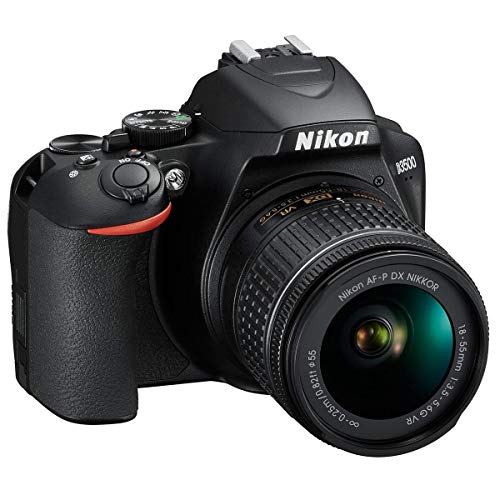
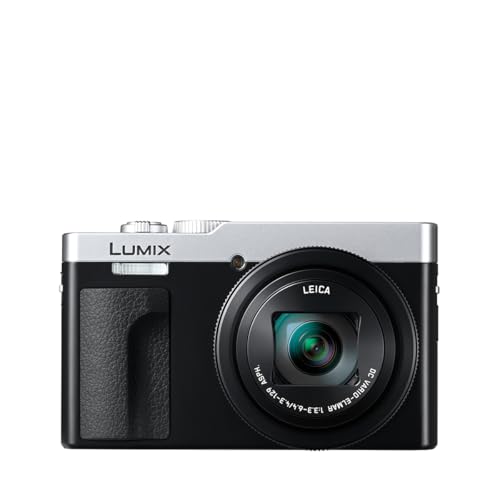
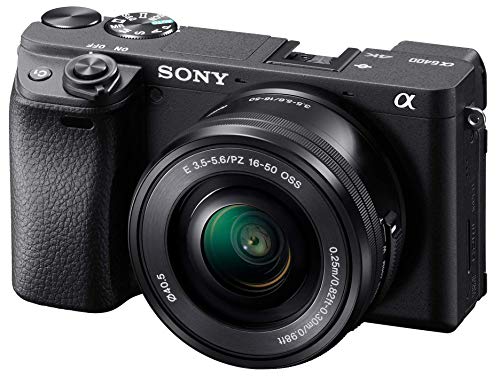
The main camera types for personal use are compact cameras, mirrorless cameras, and instant film cameras, each with a different balance of simplicity and control. Compact cameras are small, self contained, and ready to shoot, while mirrorless cameras accept interchangeable lenses and grow with your skills. Instant film cameras trade digital convenience for immediate physical prints, which suits parties and gifts more than everyday archiving. The product table above lays out these types, and the spec sections below explain what each number on the box actually means for your photos.
Key Specs Explained in Plain English
Spec sheets are easier to read once you know which numbers change your photos and which ones are mostly marketing. The six topics below cover the specs that matter for personal use, in the order new buyers usually encounter them. Skim for the ideas that match your subjects, and return to the rest once you have shot with your camera for a few weeks.
Features That Matter for Personal Use
For personal use, the features that matter most are reliable autofocus, good performance in indoor light, and a lens range that covers family rooms as well as outdoor scenes. A flip screen helps for selfies and low angle shots of children and pets, while built in WiFi or Bluetooth makes sharing photos with family much simpler. Image stabilization matters because it reduces blur from hand shake in dim rooms and at longer zoom settings. Skip exotic video modes and deep customization menus at first; a camera that nails focus and exposure in everyday light will make you happier than one with features you never open.
Measuring for Size and Portability
Size and weight decide whether your camera leaves the house, so measure honestly against the bag you actually carry. A compact camera should slip into a jacket pocket or a small pouch, while a mirrorless camera with a kit lens needs a small bag or a roomy coat pocket. Weight matters on long walks and travel days, and a heavy setup left in the hotel room takes no photos at all.
Balance portability against performance: a slightly larger camera with a bigger sensor and a better lens often earns its size, but only if you are willing to carry it every day. For a simple alternative that needs no charging or menus, see our guide to the best single use cameras.
Sensor Size and Image Quality
Sensor size is the single most useful predictor of image quality for a first time buyer. Larger sensors gather more light, produce less grain in dim rooms, and hold more detail when you crop or print. A 1 inch sensor is a clear step up from a phone sized sensor, an APS C sensor improves further, and a full frame sensor gathers the most light but adds cost and bulk.
Megapixels matter less than sensor size, since a moderate pixel count on a larger sensor usually beats a very high count on a tiny one. For everyday prints and online sharing, prioritize sensor size and lens quality over the largest megapixel number. To compare camera types in general, see our guide to the best digital cameras.
Battery Life and Charging
Battery life is measured in shots per charge, and real world results vary with screen use, video recording, and cold weather. A rating of about 300 shots per charge covers a full day of casual shooting for most buyers, while heavy video use or cold days can cut that figure noticeably. USB C charging is convenient because it lets you top up from a phone charger or a power bank, though some cameras charge only when switched off.
Carry a spare battery for travel days, weddings, and events where missing a moment matters more than packing light. Check whether the charger is included in the box, since some models ship with only a cable.
Ease of Use for Your Skill Level
Ease of use starts with a clear menu, a responsive touchscreen, and automatic modes you can trust. Scene modes and subject detection help beginners get sharp, well exposed photos without studying exposure theory first. App transfer matters too, since moving photos to your phone quickly makes sharing and backup far more likely to happen.
A camera with a steep learning curve may offer more control, but it can also sit unused while you reach for your phone instead. Choose the simplest camera that still covers your subjects, and let your interest in manual settings grow with experience. If you want a camera that simply works out of the box, see our guide to the best cameras to use.
Video Capabilities
Video matters for personal use because family moments, travel clips, and hobby tutorials are often better in motion than in stills. Look for 4K recording if you want crisp footage on a large television, though full HD is plenty for social sharing and saves storage space. A flip screen helps you frame yourself, a microphone input improves sound for vlogs and interviews, and stabilization keeps walking footage watchable.
Video files are large, so budget for a fast, high capacity memory card and check how long the camera records before it needs a break. For cameras that the whole household can share, see our guide to the best cameras for family use.
Rookie Mistakes to Avoid
New buyers tend to make the same handful of mistakes, and most of them are easy to avoid once you know them. Keep this list in mind while you shop, and check each point against the model you are considering.
- Chasing the highest megapixel count while ignoring sensor size, which matters far more for clean indoor photos and large prints.
- Buying the longest zoom available, then discovering that images turn soft and shaky at the far end of the range.
- Skipping a spare battery and a fast memory card, then missing shots on the first big day out with the camera.
- Choosing a camera that is too large or heavy to carry daily, so it stays home while the phone takes every photo.
- Forgetting to budget for a case, a strap, and a lens cloth, which protect the camera and keep images free of smudges.
Getting Started: Setup and First Use
When your camera arrives, start by charging the battery fully, inserting a formatted memory card, and setting the date, time, and language. Take a few test shots in automatic mode around your home, then review them on a larger screen to see how focus, exposure, and color look. Use a lens cloth, not your shirt, to clean the lens, since fabric and grit can scratch the coating over time.
Carry a spare battery on longer outings, and back up your first photos to your phone or computer the same day. Respect the privacy of others when shooting in public or private spaces, and follow local rules about recording people without consent.
Frequently Asked Questions
What features matter most in cameras for personal use?
Reliable autofocus, good indoor light performance, and a versatile lens range matter most for personal use, since these three features cover the majority of family, travel, and everyday photos without demanding technical knowledge. Image stabilization helps in dim rooms, and easy phone transfer makes sharing and backup painless. Advanced video settings and deep manual controls can wait until your shooting habits show you need them, so start with a camera that gets focus and exposure right in everyday light.
Is a smartphone enough instead?
A smartphone is enough for quick snapshots in good light, and its convenience is hard to beat for spontaneous moments. A dedicated camera pulls ahead in low light, at longer zoom ranges, and when you want more control over depth of field and exposure. Larger sensors and real optical zoom preserve detail that digital zoom on a phone cannot recover, so a dedicated camera is worth it mainly when you regularly hit those limits, such as grainy indoor shots or distant subjects that turn soft.
Do I need a camera with interchangeable lenses?
You do not need interchangeable lenses for most personal use, since a good fixed lens or kit zoom covers family, travel, and everyday subjects. Interchangeable lenses make sense once you want a specific look, such as wide landscapes, close portraits, or distant wildlife, that one lens cannot deliver. They also add cost, weight, and decisions about which lens to carry, so start with a versatile kit lens, note which focal lengths you use most, and let that pattern guide any future purchase.
Which camera type is better for low light?
Mirrorless cameras with larger sensors and bright lenses generally perform best in low light, because they gather more light and offer wider aperture choices. Compact cameras with 1 inch sensors are a strong middle ground for travelers who want better indoor results without extra lenses. For the cleanest indoor and evening results, pair a larger sensor with a lens whose maximum aperture is f/2.8 or wider, and check sample images at high sensitivity settings before you decide.
What specs matter most for beginners?
Beginners benefit most from dependable automatic modes, fast autofocus, and a lens range that handles everyday subjects without swapping lenses. A clear menu and a responsive screen matter more at first than advanced customization or professional video settings. Battery life also deserves attention, since a camera that dies midday teaches little and frustrates quickly, so choose a camera you will actually carry and enjoy using above all else.
How much should I spend on my first one?
Most first time buyers get strong results at about $400 to $800, which buys a capable sensor, a decent kit lens, and reliable autofocus for everyday subjects. Spending less can still work for daylight travel and family photos, especially if you prioritize sensor size over extra zoom range. Spending more makes sense once you know you need better low light results, faster focus, or video features for a hobby, so start in the middle range and let your experience guide your next upgrade.
The Bottom Line
A good first camera is one you enjoy carrying, can operate without a manual in hand, and trust to capture everyday moments cleanly. Prioritize sensor size, reliable focus, and a versatile lens range, and treat advanced features as extras rather than essentials. Budget for a spare battery, a fast card, and a case, and back up your photos from the start. Review the product table above once more, then choose the best cameras for personal use for your subjects, your bag, and your budget.


