Best Cameras to Take on Vacation in 2026: Which Type Is Right for You?
Disclosure: We may earn a commission when you buy through links on this page, at no extra cost to you. As an Amazon Associate I earn from qualifying purchases. Learn more

Pick the best cameras to take on vacation by comparing compact, mirrorless, action and bridge types on size, zoom, low light and price.
Every trip raises the same question: a tiny camera that disappears into a pocket, or a bigger one that handles dark restaurants and distant landmarks? The answer depends on how you travel and how much gear you want to carry each day. This guide compares the main types side by side so you can match the best cameras to take on vacation to your own itinerary.
Rather than reviewing individual models, we compare camera types by sensor, size, zoom reach, and price. The comparison table below lays out the four main types at a glance, and the sections after it explain where each one shines and where it holds you back.




Types of Cameras to Take on Vacation Compared
Four types cover almost every trip. Compacts win on size, mirrorless cameras win on image quality, action cameras win on toughness, and bridge cameras win on zoom reach.
| Type | Best For | Pros | Cons | Typical Price |
|---|---|---|---|---|
| Compact Cameras | City trips and family days | Pocket size, simple controls, useful zoom | Small sensor limits low light shots | about $150 to $400 |
| Mirrorless Cameras | Travelers who want top quality | Large sensor, interchangeable lenses | Bigger kit, higher total cost | about $500 to $1,500 |
| Action Cameras | Beach days, water, and adventure | Tiny, waterproof, very tough | Fixed wide lens, small rear screen | about $200 to $450 |
| Bridge Cameras | Wildlife and distant landmarks | Very long zoom in one fixed lens | Bulky body, smaller sensor | about $300 to $700 |
Action Cameras
Action cameras are small, rugged boxes built to be mounted, dropped, and dunked. Most are waterproof straight out of the box, and strong electronic stabilization smooths walking and cycling footage. The fixed wide lens captures whole scenes easily, which suits beaches, pools, and mountain viewpoints.
The limits show up at dinner or in a museum. The tiny sensor struggles in dim light, and there is no real zoom for distant subjects. Choose one if your trip centers on water and motion, not quiet indoor scenes.
Compact Cameras
Compact cameras pack a sensor and a zoom lens into a body that fits a jacket pocket. Better models use a 1 inch sensor, far larger than a phone sensor, so photos stay cleaner in shade and at dusk. You also get an optical zoom that reaches subjects a phone can only crop into.
The trade off is that the lens does not come off, so the camera you buy is the camera you keep. Low light results sit between a phone and a mirrorless camera. For most travelers who want one small tool for everything, this is the balanced choice, and our broader guide to the best cameras for vacation covers more trip styles in the same format.
Mirrorless Cameras
Mirrorless cameras use large sensors and interchangeable lenses, so one body can shoot wide street scenes and portraits with different lenses. Image quality in low light is the best of the four types, and controls reward anyone willing to learn a few manual settings.
The cost is bulk and money. A body plus two lenses fills a small bag and weighs on your shoulder all day. Pick this type if photography is a main reason for the trip, not a side activity.
Bridge Cameras
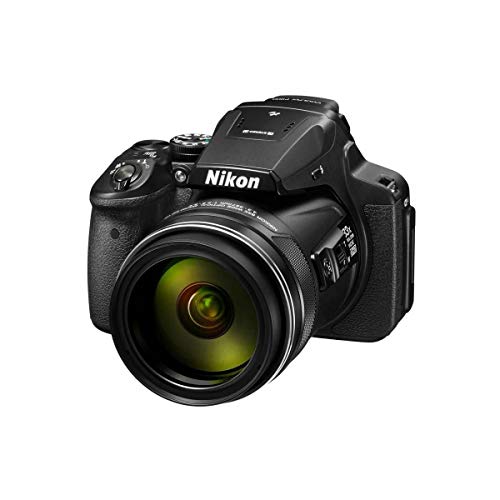
Bridge cameras look like small DSLR bodies but carry one fixed lens with an enormous zoom range. That reach is why safari travelers and bird watchers love them: animals and far off landmarks fill the frame without a bag of lenses. Handling feels like a bigger camera, with a grip and an electronic viewfinder.
The sensor is usually compact sized, so image quality matches a good compact rather than a mirrorless camera. Choose a bridge camera when distance is your main problem and weight is not.
Compact Cameras vs Mirrorless Cameras: Which Should You Choose?
These two types compete for the same travelers, so compare them on the points that matter on the road. On size, a compact slips into a pocket while a mirrorless camera needs a dedicated bag. On image quality, the mirrorless sensor wins clearly in dim light and with shallow depth of field. On zoom, compacts often reach further with their built in lens, while mirrorless reach costs extra lenses.
On price, a strong compact costs about $300 to $600, while a mirrorless kit with a second lens easily passes $1,000. If you shoot mostly in daylight and value a light bag, take the compact. If you shoot evenings, food, and portraits and enjoy learning settings, take the mirrorless. Snapshot focused readers can also compare the best cameras to take pictures for casual everyday shooting.
How to Choose the Right Vacation Camera
Sensor Size and Image Quality
Sensor size drives image quality more than megapixel counts do. A 1 inch sensor gathers far more light than the small sensors in basic compacts, so photos stay clean at higher ISO settings. APS C and full frame sensors in mirrorless bodies go further again, especially for night streets and indoor scenes. More megapixels mainly help if you crop heavily or print large, so do not pay extra for megapixels alone.
Durability and Weather Sealing
Rain showers, beach sand, and dusty trails all find their way into unprotected cameras. Look for weather sealing on the body and lens if you shoot outdoors in poor conditions, and remember that sealing resists splashes rather than full submersion. Only action cameras and dedicated waterproof compacts should go underwater, and only within the depth the maker states.
Low Light Performance
Vacations happen after dark: dinners, night markets, and city lights. A lens with a wide maximum aperture, written as a low f number, lets in more light and keeps shutter speeds fast enough for sharp handheld shots. Image stabilization helps with still subjects, but it cannot freeze moving people. If evenings matter to you, sensor size and lens aperture matter more than zoom length.
Size, Weight, and Ergonomics
The best travel camera is the one you actually carry. A kit that feels fine in a shop can ache after six hours of sightseeing, so count the total weight of body, lens, and bag. Pocket compacts win for all day walking, while mirrorless kits suit trips built around planned photo stops.
Video Capabilities
Most current cameras record 4K video, which is plenty for trip films and family clips. What separates types is stabilization and audio. Action cameras smooth rough movement best, mirrorless bodies offer mic inputs and flip screens for talking to the camera, and compacts sit in between. If sound matters, a mic input saves carrying extra gear.
Picking the Right Size for Different Trips
Best Small Cameras to Take on Vacation: Which Type Works Best
When small is the priority, the real contest is between a premium compact and an action camera. Premium compacts with 1 inch sensors shoot the best stills per ounce, while action cameras add waterproofing and mounting options. Both fit a pocket, so decide by subject: stills and zoom point to the compact, water and motion point to the action camera.
Tips to Get the Most From Your Vacation Camera
- Use a lens cloth, not your shirt, since gritty fabric can scratch the lens coating.
- Carry a spare battery and a second memory card, because travel days are longer than home days.
- Store the camera in a dry, padded bag to limit condensation after cold outdoor shooting.
- Back up photos to a phone or cloud storage each evening so a lost card does not erase the trip.
- Never look at the sun through an optical or electronic viewfinder, and never point the lens at the sun for long, since concentrated light can damage both your eyes and the sensor.
Frequently Asked Questions
Which camera type is better for low light on vacation?
A mirrorless camera is better for low light because its large sensor and fast lenses keep images clean at high ISO settings. A premium compact with a 1 inch sensor is the next best step and stays pocket sized. Basic compacts and action cameras are daylight tools first, so expect softer, noisier photos from them at night. If most of your trip happens after dark, put sensor size ahead of zoom when you choose.
What specs matter most for a first travel camera?
Sensor size, lens zoom range, and weight matter most for a first travel camera. A 1 inch or larger sensor keeps photos clean in mixed light, an optical zoom of about 24 to 200 mm in full frame terms covers streets to distant views, and a light body means you carry it all day.
How much should I spend on my first vacation camera?
Spending about $300 to $600 buys a strong first vacation camera with a 1 inch sensor and a useful zoom. Below that range you mostly gain a small optical zoom over your phone. Set the budget by how often you travel: a camera used on three trips a year earns a higher budget than one used once.
What does optical zoom mean on a travel camera?
Optical zoom means the lens itself magnifies the scene, so distant subjects stay sharp and detailed. A rating like 10x means the longest setting frames a subject about ten times closer than the widest setting. Digital zoom only crops the image and lowers quality, so judge a travel camera by its optical range.
Is a smartphone enough instead of a vacation camera?
A smartphone is enough for casual snapshots in good light, and it wins on sharing speed. A dedicated camera pulls ahead with real optical zoom, better low light results, and longer battery life per charge. Many travelers carry both, using the phone for quick posts and the camera for the photos they plan to keep and print, a pairing our guide to the best cameras for vacation photos explores in more depth.
Final Thoughts
Start with how you travel, then match the type: compacts for light all day shooting, mirrorless cameras for the best quality, action cameras for water and motion, and bridge cameras for long reach. The product table above puts the price and feature trade offs in one place. Choose the best cameras to take on vacation for your own routes and habits.