Best Cameras to Get for Beginners in 2026: Which Type Is Right for You?
Disclosure: We may earn a commission when you buy through links on this page, at no extra cost to you. As an Amazon Associate I earn from qualifying purchases. Learn more

Compare beginner camera types by ease of use, sensor size, lenses and video, with a clear checklist to help you choose the right first camera for your budget.
Choosing a first camera feels confusing, because every type promises great photos in a different way. The best cameras to get for beginners are not the ones with the longest spec list, but the ones you can learn on without frustration. This guide compares the main types side by side against your subjects, your budget and the comparison table below.
You do not need manual settings on day one. A good beginner camera gives you a reliable auto mode, clear menus and room to take control as your skill grows. Keep your main use in mind, because a camera for family trips needs different strengths than one for sports or video.






Who Should Buy Which Beginner Camera?
Beginners Who Want Simple Family and Travel Photos
You want to lift the camera, frame the moment and trust it to focus well. A compact camera or an entry mirrorless model suits you best, because both stay light and work well in full auto. Look for face detection autofocus and a battery that lasts a full day out. If that sounds like you, reading about the best quality cameras for beginners can help you weigh image quality against size.
Beginners Who Want to Learn Photography Skills
You are curious about aperture, shutter speed and ISO, and you want room to grow. Choose a mirrorless camera or a DSLR with dials you can reach and lenses you can change, because that control teaches how each setting changes a photo. A kit zoom is enough to start. See our guide to the best dslr cameras for beginners if that route appeals to you.
Beginners Who Mostly Record Video to Share Online
You care about clear speech, steady clips and a screen you can see while you film yourself. Prioritize a screen that flips toward you, a microphone input and autofocus that tracks your face without hunting. Compact models built for video and mirrorless cameras serve this need well, while action cameras suit movement more than talking to the lens. Fast WiFi transfer matters too, because clips you cannot share quickly stay on the card.
Camera Types Compared for a First Purchase
Each type below trades size, control and price in a different way. The best cameras to get for beginners tend to belong to the type that matches your routine, not the type with the highest price.
Mirrorless Cameras
Mirrorless cameras use an electronic screen or viewfinder to show the photo before you take it, so exposure mistakes are easy to spot and fix. They accept changeable lenses, focus fast and record strong 4K video, yet stay smaller than DSLRs of similar power. The trade off is battery life, because the screen and sensor run at all times.
Compact Cameras With a Fixed Lens
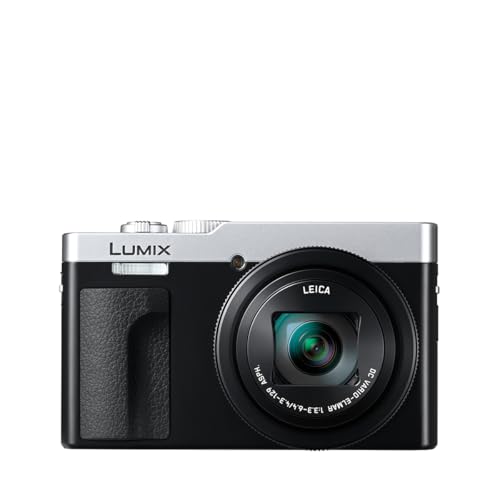
A compact camera keeps the lens attached and folds down to coat pocket size, so you carry it on days when a larger camera would stay home. You lose the option to swap lenses, and the smaller sensor gives less control over blurred backgrounds. In return you get true optical zoom on many models, simple menus and a lower total price.
For a wider view of simple digital models, see our guide to the best digital cameras, which explains where compact cameras fit among other digital styles.
DSLR Cameras
A DSLR uses a mirror and an optical viewfinder, so you look through the lens itself and the battery lasts through long days of shooting. The bodies are larger and heavier, and video autofocus is usually slower than on mirrorless models. Entry kit prices can be low, and the wide stock of used lenses lowers the cost of growing later.
Action Cameras
Action cameras are small, rugged and often waterproof without an extra case, and they record wide video that stays steady while you walk, ride or swim. Their tiny sensors and fixed wide lenses limit still photos, and menus feel cramped on a small screen. Battery life is short, so most owners carry spares.
Key Features to Compare
Sensor Size for Your First Step Up From a Phone
Sensor size controls how much light the camera gathers, and it matters more than megapixel count for clean photos indoors. A 1 inch compact sensor improves on a phone, APS C in most entry mirrorless and DSLR models steps up clearly, and full frame costs and weighs the most. Larger sensors blur backgrounds more easily, and APS C balances quality, lens price and body size well for most first cameras.
Autofocus That Beginners Can Trust
Autofocus decides how many of your early photos come out sharp. Look for face and eye detection, because the camera then locks onto people without you moving a focus point by hand. Touch the screen to pick a subject on moving children or pets, and check that tracking holds as they cross the frame. Slow autofocus frustrates beginners more than almost any other fault, so treat it as a top priority.
Image Stabilization for Photos and Video
Image stabilization steadies the shot when your hands move, which happens in every indoor photo and walking clip. Some cameras steady the sensor, some steady the lens, and some use software for video only. The benefit shows most at slower shutter speeds and longer zoom settings, where small shakes grow large. If you plan handheld video or dim room photos, rank stabilization high, because a tripod will not always be with you.
Ease of Use, Menus and Guided Help
A beginner camera should explain itself through guided modes that show what a setting does and menus you can search without a manual. Physical dials help once you shoot with manual control, but too many buttons can slow you down, so check that full auto stays one turn away. Our overview of the best cameras to get shows how these controls differ across entry models.
Lenses and Optical Zoom Range
Fixed lens compacts list zoom as a multiple such as 10x, and only the optical part keeps full detail, because digital zoom crops the image. On mirrorless and DSLR cameras you change lenses instead, and a kit zoom from wide to short portrait range handles most first year subjects. A wide maximum aperture, shown as a low f number, lets in more light and blurs backgrounds more.
Common Mistakes to Avoid
- Buying the largest sensor you can afford leaves no budget for a battery, card and bag, so the camera stays home on trips.
- Judging a camera by megapixels alone means paying for huge files while the autofocus you use daily stays slow.
- Choosing digital zoom figures over optical zoom leaves distant subjects cropped and soft.
- Skipping the microphone input on a video camera pairs clear pictures with muffled speech.
- Learning every manual setting before your first outing makes settings anxiety steal moments auto mode would have caught.
- Shooting with the camera held far from your body lets hand shake blur shots a steadier hold would save.
Care and Maintenance for Your First Camera
Clean the front lens element with a soft lens cloth, never your shirt, because grit in fabric can scratch the coating. Blow dust off first with a hand blower, and keep cloths in a sealed pocket. If you change lenses, point the body downward while the mount is open, so dust is less likely to settle on the sensor.
Carry a spare battery and card, and store the camera in a dry padded bag away from heat and damp air. Charge batteries before they sit empty for months, and dry the body with a soft towel after shooting in rain. Sand and salt water deserve a wipe the same day, because both work into dials and seals over time.
FAQ
Is a smartphone enough instead of a dedicated beginner camera?
A smartphone is enough if your photos live only on social feeds and you rarely print or shoot after dark. A dedicated camera pulls ahead with true optical zoom, a larger sensor for indoor shots and controls that work in gloves or bright sun. Its battery is separate too, so a long day of photos will not drain your phone.
What does optical zoom mean on a beginner camera?
Optical zoom means the lens itself magnifies the scene, so fine detail stays intact at every step of the range. A figure such as 3x or 10x compares the longest setting with the widest one, and the true range is printed in the lens markings near the front glass. Zooming also flattens faces at long settings, so portraits look kinder near the middle of the range.
Which camera type should beginners choose for low light photos?
An APS C mirrorless camera is the safest low light choice for most beginners, because its larger sensor gathers more light than a compact or action camera sensor. Pair it with a lens that opens to a low f number and indoor photos stay cleaner. Stand with your back near a window or lamp, so the main light falls on your subject instead of behind it.
How much should a beginner spend on a first camera?
A sensible first budget is about $300 to $700 for a compact camera or an entry kit with one lens. That range buys current autofocus, good screens and video you will not outgrow in a year. Set aside about 10 percent for a card, a spare battery and a bag, because a camera without those basics is not ready to use.
Our Verdict
For most readers, an APS C mirrorless camera with a kit zoom is the balanced start, a compact camera is the light and simple start, and an action camera is the rugged start. Judge your shortlist by sensor size, trusted autofocus and controls you understand, then check the product table above. When those points line up with your routine, the best cameras to get for beginners stop being a long list and become one clear choice.