
Best Cameras That Work with Google Home: A First Time Buyer's Guide for 2026
Disclosure: We may earn a commission when you buy through links on this page, at no extra cost to you. As an Amazon Associate I earn from qualifying purchases. Learn more

Learn how to choose the best cameras that work with google home as a first time buyer, with plain English specs, setup tips, and mistakes to avoid.
Buying your first home camera can feel confusing, because listings throw around terms about resolution, storage, and smart home badges all at once. The good news is that the best cameras that work with google home share a simple idea. They connect to the Google Home app so you can check a live view, get alerts, and use voice commands from one place.
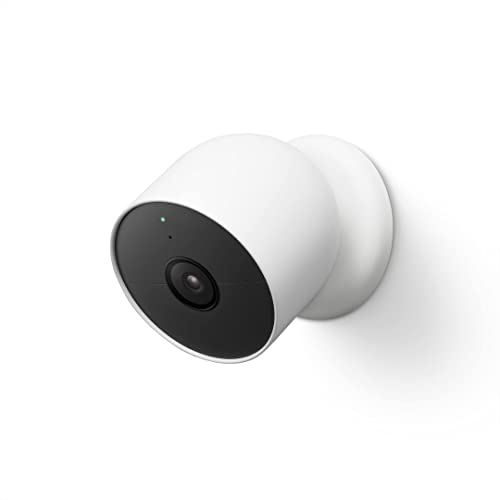
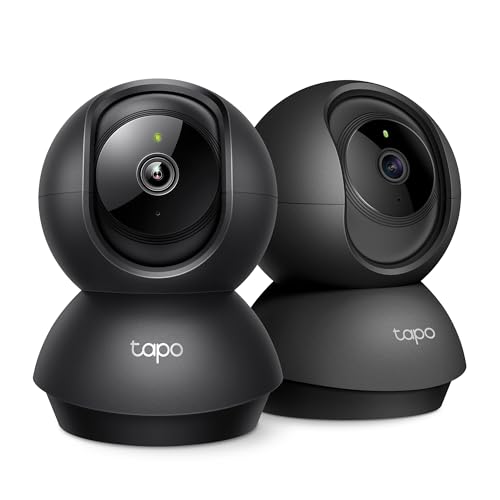
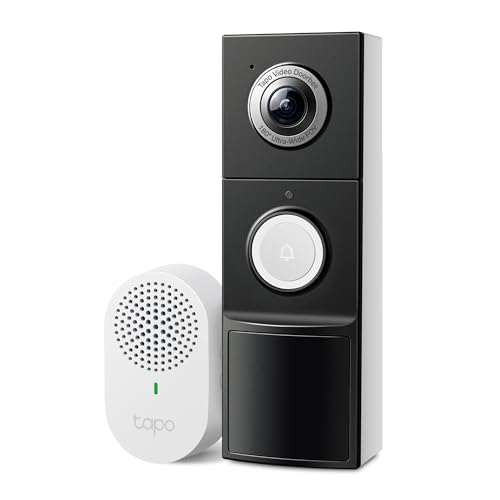
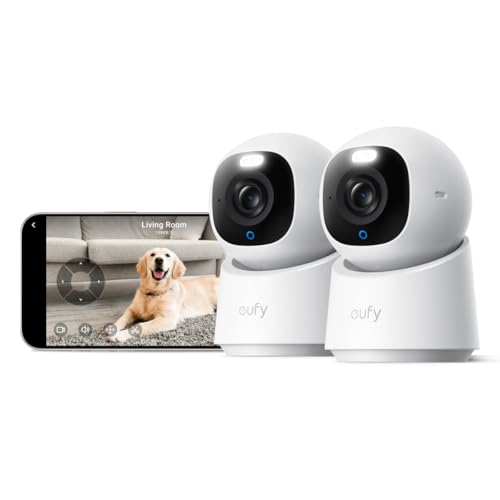
This guide walks you through the basics in plain English, one step at a time. You will learn what compatibility really means, which specs matter for a first camera, and which rookie errors to skip. Start with the comparison table below, then use the sections that follow to match a camera style to your home.

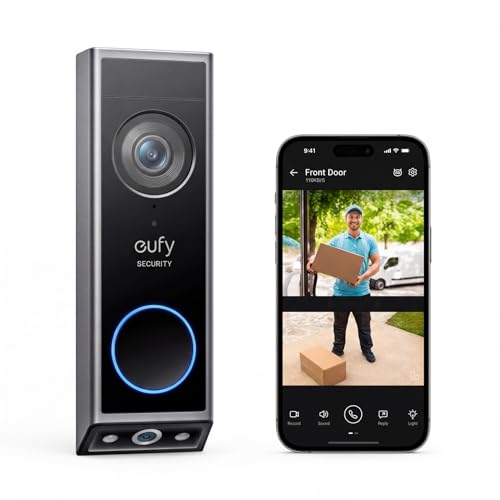


Google Home Cameras 101: The Basics
A camera that works with Google Home links to the Google Home app on your phone. From that app you can open the live feed, review recent clips on many models, and organize the camera by room. With a Nest Hub display or a TV with Chromecast, you can also ask Google Assistant to show the feed on screen.
There are two common paths to that connection. Google Nest cameras are built by Google and join the app directly during setup. Cameras from other brands usually set up first in their own app, and then you link that account inside the Google Home app. The depth of the link varies by model. Some cameras support live viewing and voice control only, while others also share motion events inside the Google Home app.
Because support varies, always check the exact model rather than trusting the brand name on the box. If security is your main reason for buying, see our guide to the best security cameras that work with google home for a closer look at alert features. You can also compare naming and badges in our overview of the best google home compatible cameras.
First time buyers often arrive with vocabulary from photography, and most of it does not apply here. Mirrorless cameras and vlogging cameras are built for creating photos and videos by hand, not for watching a porch. Terms like objective lens, magnification, optical zoom, autofocus, and image stabilization matter far less on a fixed home camera with a factory set lens. Focus instead on the feed and the alerts.
Key Specs Explained in Plain English
Spec sheets look technical, but a first camera decision really rests on five questions.
Why Choose a Camera That Works With Google Home
The main benefit is control from one app you may already use for lights, locks, or a thermostat. You can check every camera in one list, share access with household members, and pull up a feed with your voice when a package arrives. Routines add quiet convenience, such as showing the front camera on a display when a compatible doorbell is pressed. The limits are real too. The camera depends on your WiFi, and some brands expose fewer controls in the Google Home app than in their own app. For a broader view, read our guide to the best cameras for google home.
Video Quality and Night Vision
Resolution describes how much detail the camera records. A 1080p camera is usually enough to watch a living room or check on a pet. Stepping up to 2K or 4K video helps when the subject is farther away, such as a driveway, because you can zoom in on saved clips and still read a face or a plate. Field of view matters just as much, and a wider view, often around 130 to 160 degrees, covers more of a yard. At night, basic infrared gives a clear black and white picture, while a built in spotlight can record color at night.
Placement, Size, and Power Options
Start with the spot, then pick the camera shape that suits it. Indoor cameras are small and plug in, so they suit shelves and counters. Outdoor models need a weatherproof housing, usually marked with an IP65 rating or higher, so rain and dust stay out. Plug in models never need charging but need an outlet nearby. Battery models mount anywhere, yet they need recharging every few weeks or months depending on traffic. Hardwired models skip charging and need basic wiring.
Ease of Use for Your Skill Level
A first camera should feel calm to set up and simple to live with. Look for a guided setup that uses a QR code, clear naming for rooms, and alerts you can tune without digging through menus. Automatic firmware updates help more than long feature lists. Check your WiFi as well. Many cameras prefer a 2.4 GHz network because it reaches farther through walls. If your router sits far from the door, solve the signal problem first, because no camera performs well on a weak connection.
Motion Detection, Alerts, and Storage
Good detection saves you from a flood of useless alerts. Cameras that can tell a person from a pet, a vehicle, or a package let you choose which events deserve a buzz on your phone. Activity zones help too, since you can watch the walkway and ignore the busy street. Two way talk lets you speak through the camera, which is useful for deliveries. For recordings, cloud plans store clips online for a fee, while some cameras keep clips on a memory card. If long recording history is your priority, see our guide to the best home surveillance cameras.
Picking the Right Camera for Different Uses
Best cameras that work with Google Home for a front porch often differ from the right choice for a nursery or a back room. Let the job guide the style, and use the product table above to confirm power type, rating, and feed quality for each spot.
Best Outdoor Cameras That Work with Google Home
Outdoor duty adds three demands that indoor models never face. The housing must be weatherproof, the mount must hold firm in wind, and the camera must handle bright sun and deep shade in the same scene. A mounting height of about 7 to 10 feet gives a clear view of faces while keeping the camera out of easy reach. A spotlight model suits dark side yards, while a plain battery model suits a porch with no outlet. For placement ideas, see our guide to the best home cameras for security before you drill any holes.
Indoor Cameras for Everyday Check Ins
Indoor cameras shine at simple questions. Did the kids get home, is the dog calm, and did a door get left open? A small plug in model on a shelf covers a living room or entry without any charging routine. Many models add a privacy shutter or a quick mute in the app, which matters in shared spaces. Keep cameras out of bedrooms and bathrooms, and tell household members and guests where they are.
Renters and Apartment Dwellers
Renters need cameras that leave no trace when they move out. Indoor plug in models and battery models with adhesive or tabletop mounts avoid drilling and wiring. A single camera aimed at the main entry covers most small apartments. Check your lease and local rules about recording shared hallways, because those areas often belong to the landlord.
Rookie Mistakes to Avoid
Most first camera regrets come from avoidable choices.
- Buying for the brand badge alone without checking the exact model, so voice viewing in the Google Home app may never appear.
- Placing an indoor camera behind window glass to watch the yard, so night vision reflects off the glass and motion sensing turns unreliable.
- Choosing the highest resolution while ignoring weak WiFi at that spot, so the live feed stalls when you need it most.
- Forgetting the cost of a recording plan, so you end up with live view only when you expected weeks of saved clips.
- Mounting the camera as high and wide as possible, so faces in the saved video look too small to recognize.
Getting Started: Setup and First Use
Begin by charging a battery model fully and setting up the camera near the router first. Install the maker app if the brand requires one, create the camera there, and let any firmware update finish before you mount anything. Name the camera for its final spot, such as Porch or Living Room, because that name becomes the words you say in voice commands. Then open the Google Home app, link the account, and assign the camera to your home and room.
Once the feed appears, run simple first day checks. Walk through the view at a normal pace and confirm the alert arrives quickly, then adjust motion zones so passing cars stop triggering it. Return after dark and check the night picture, since glare from a porch light can wash out the image. Test a voice command on your display, and fix the camera name now if the command feels awkward.
Care is light but specific to these cameras. Wipe the lens with a soft lens cloth, not your shirt, because grit on fabric can scratch the coating. Keep the housing and the area around the night vision lights free of dust and spider webs, which can glow in infrared and blur the picture. Check mount screws and outdoor seals once a season.
Google Home Camera Questions Answered
Which Google Home camera features help most in low light?
Color night vision with a built in spotlight helps most in low light, backed by infrared for a clear picture when the light stays off. Positioning matters too. Keep bright porch lights and street lights just outside the main view, because a strong light at the edge can dim the rest of the scene. A camera with a wider dynamic range will also hold detail in a very dark corner better than a basic model.
How much should you spend on your first Google Home camera?
Most first time buyers do well with an indoor camera at around $80, while outdoor models often cost about twice that. Spending more mainly buys sharper video, smarter detection, and longer recording history. Budget for the whole first year, not just the box, and add the mount, a possible memory card, and the optional recording plan.
Is a smartphone enough instead of a Google Home compatible camera?
No, a smartphone cannot replace a Google Home compatible camera for ongoing home watching. An old phone used as a camera stops recording when calls or updates interrupt it, and it needs to stay plugged in and awake in one spot. A dedicated camera runs on its own and sends motion alerts while you are away. Keep your phone as the viewing screen, which is the job it does best.
What specs matter most for beginners buying a Google Home camera?
Confirmed Google Home support, a wide enough field of view, and alerts that separate people from general motion matter most for beginners. Start with a single camera and live with the app for a few weeks before buying more, because the daily feel of the alerts teaches you more than any spec sheet. That trial also shows you where a second view would truly help.
Do Google Home compatible cameras require a paid subscription?
No, Google Home compatible cameras do not require a paid subscription for live viewing and basic motion alerts. A plan usually adds longer recording history, smarter detection labels, and features such as familiar face alerts on some models. Read the free tier limits closely before you buy, because free history can range from a few hours of clips to a few days.
Final Thoughts
For a first purchase, keep the decision simple. Confirm that the exact model works with Google Home, pick the power style that fits the spot, and choose detection and storage that match how much history you want. The product table above can help you compare those basics.
Start with one camera, learn its alerts for a few weeks, and add coverage only where a real gap appears. Chosen that way, the best cameras that work with google home become a calm part of your routine, ready on your phone or display whenever you want a quick look at home.


