Best Cameras Professional Photographers and Filmmakers Use 2026
Disclosure: We may earn a commission when you buy through links on this page, at no extra cost to you. As an Amazon Associate I earn from qualifying purchases. Learn more

Compare the best cameras professional work calls for: sensor types, autofocus, card slots, weather sealing, and lens system costs.
Professional cameras are built for work where missed focus, a dead battery, or a noisy file costs money. Choosing the best cameras professional shooters rely on means looking past megapixels and weighing autofocus, build, dual card slots, lens choice, and video tools against the jobs you take. This guide explains what separates a professional body from an enthusiast one and which type suits each kind of paid work.
The comparison table below lines up current examples. The sections that follow cover camera types, the features that matter, the lens system behind the body, and the habits that keep a working kit reliable.
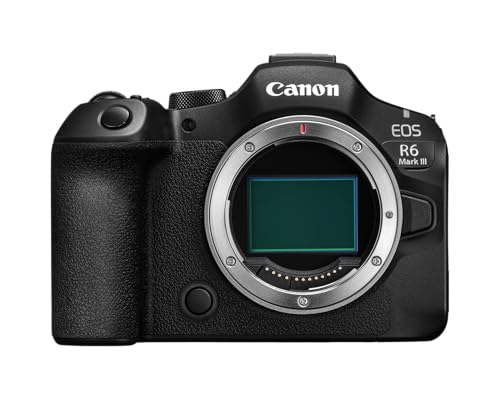


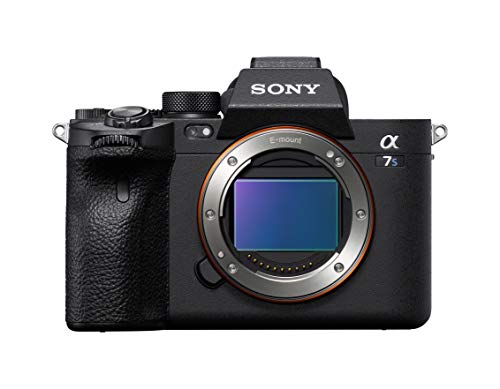
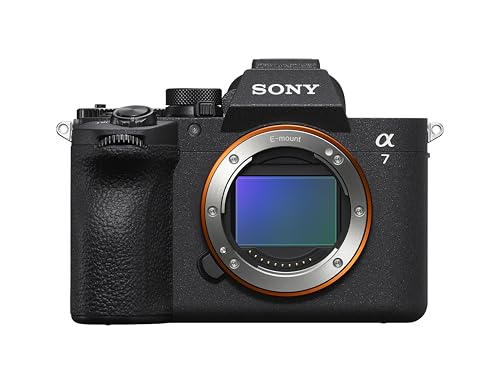


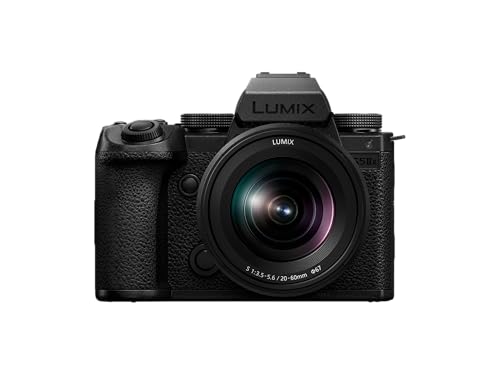

Types of Professional Cameras Compared
Most working photographers choose between full frame mirrorless, high end APS C mirrorless, and DSLR bodies. Medium format sits above them for studio and landscape work but costs far more. Each type has a clear job.
Full Frame Mirrorless
This is the main choice for wedding, portrait, event, and commercial work. Full frame sensors give clean files in dim venues, shallow depth of field, and room for heavy editing. Modern bodies add eye autofocus for people and animals, silent shutters, and strong video. The trade offs are size, weight, and lens cost, since quality lenses can cost as much as the body.
High End APS C Mirrorless
Wildlife, sports, and travel photographers often prefer these bodies. The smaller sensor adds reach to every lens, and the body and lenses stay lighter and cheaper. Low light results trail full frame slightly, but fast bursts, good autofocus, and sealed builds make them capable working tools.
Professional DSLRs
DSLRs still earn their place for shooters who already own lenses and want long battery life and a bright optical viewfinder. Used bodies are good value, but new lens development has slowed, so a new buyer starting from zero usually does better with mirrorless.
Hybrid Video Bodies
Some professional bodies lean toward video, with open gate recording, log profiles, full size HDMI, and fans or heatsinks for long takes. These suit filmmakers and creators who also shoot stills for clients.
Features That Separate Professional Bodies
Look at these before you compare prices, because they decide whether a camera survives a paid day.
- Dual card slots. Recording to two cards at once protects irreplaceable work such as a ceremony.
- Weather sealing. Sealed bodies and lenses handle rain, dust, and heavy use at outdoor jobs.
- Autofocus tracking. Reliable tracking of eyes, animals, and vehicles raises your keeper rate under pressure.
- Buffer and burst speed. A deep buffer lets you shoot long sequences at sports and wildlife without the camera pausing.
- Battery life and power options. Large batteries, USB charging, and grips keep you shooting through long days.
- Viewfinder and handling. A bright electronic viewfinder, a deep grip, and custom buttons speed up work.
Choosing a System, Not Just a Body
A professional body is the start of a system. Lens availability, flash support, and used market prices matter for years after the first purchase. Compare the lenses you will need, such as a fast standard zoom, a portrait prime, and a telephoto, and price them with the body. Many working photographers keep a body for several years and upgrade lenses first, since glass shapes image quality more than a new sensor.
Check also how well the system handles backup gear. A second body, even an older one, means a failure on a job does not end it. Our guides to best cameras for professional photos and best cameras for professional photography go deeper on image quality, and best professional digital cameras compares current bodies.
Size, Weight, and Starting Out
Weight matters on long days, so handle a body with its working lens before you commit. If you are moving up from an enthusiast camera, read best professional cameras for beginners, and if you travel light, best small professional cameras covers compact bodies that keep professional features. Buy the camera you can afford with a good lens, not a premium body paired with only a kit lens.
Care and Reliability
- Format cards in the camera, and keep spare cards and batteries in a case.
- Update firmware a few times a year, since makers often improve autofocus and stability.
- Clean lenses with a blower and soft cloth, and have the sensor cleaned by a professional when needed.
- Back up every job in two places before you reformat cards.
- Carry a rain cover and a lens cloth, and let cold gear warm up inside a bag to avoid condensation.
Common Mistakes to Avoid
Buying on megapixels alone is the most common error, since sensor quality, lens sharpness, and autofocus matter more. Another is skipping a backup body or second card slot on paid work. Do not overspend on a body and leave no budget for lenses, flash, and storage, and do not buy video features you will not use.
Frequently Asked Questions
Do I need full frame to work professionally?
No. Many professionals shoot APS C for sports, wildlife, and travel. Full frame helps most in low light and for shallow depth of field, so choose by the jobs you take.
Are dual card slots necessary?
For events and other work you cannot repeat, yes. Writing to two cards at once protects against a card failure, which is rare but costly.
Mirrorless or DSLR for a new professional?
Mirrorless, in most cases. Autofocus is stronger, bodies are lighter, and lens development is active. A DSLR makes sense when you already own lenses.
How much should I spend?
Professional bodies range from about $1,500 to well past $4,000, and lenses often cost as much again. Set a total budget for body, two lenses, cards, batteries, and a bag.
Is a phone enough for professional work?
For some social content, yes. Clients who pay for events, portraits, products, or video usually expect the control, file quality, and reliability of a dedicated camera.
The Bottom Line
For the best cameras professional work calls for, choose the type that matches your jobs, then weigh autofocus, build, card slots, and lens support. Use the product table above to compare current bodies and keep room in the budget for lenses and backup.