Best Cameras Nature Photography: Buying Guide for 2026
Disclosure: We may earn a commission when you buy through links on this page, at no extra cost to you. As an Amazon Associate I earn from qualifying purchases. Learn more

Compare the best cameras nature photography needs: sensor size, autofocus, weather sealing, lenses, and field handling for birds, wildlife, and landscapes.
Nature photography asks a camera to handle dim light at dawn, fast wildlife, fine feather detail, and sudden rain, often far from power and shelter. Choosing the best cameras nature photography demands means balancing image quality, autofocus speed, weather resistance, and weight, since a camera left at home photographs nothing.
This guide explains sensor types, autofocus, lens choices, and field habits so you can match a camera to the subjects you love most. Birds, landscapes, and insects each reward different priorities, so read the sections that fit your walks. The comparison table below shows the range before the detail.



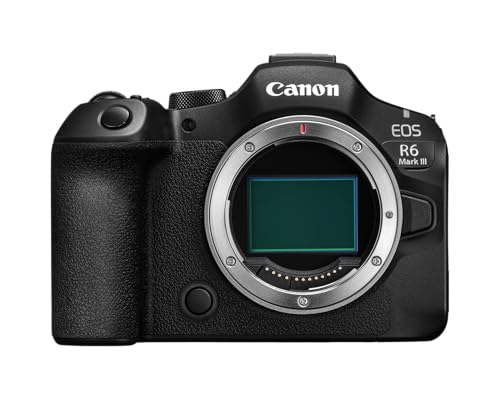


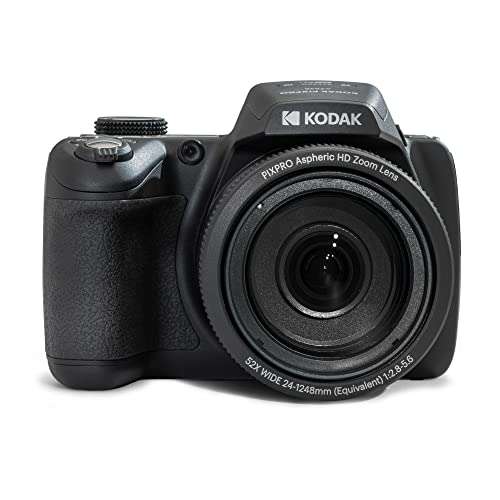


Key Features of the Best Cameras Nature Photography Needs
No single camera leads on every point, so weigh these features by your main subject.
- Sensor size. Larger sensors gather more light and hold finer detail at dawn and dusk, while smaller sensors give extra reach with lighter lenses.
- Autofocus. Eye and animal tracking helps with birds and wildlife. Landscape work needs accurate manual focus and a steady tripod instead.
- Weather sealing. Sealed bodies and lenses cope better with rain, dust, humidity, and coastal spray.
- Burst rate and buffer. Fast bursts catch brief moments such as a bird taking off, but they fill cards quickly.
- Battery and weight. Long battery life and a manageable kit matter on long walks, because spare batteries and heavy lenses add up.
Camera Types Compared
Mirrorless cameras dominate now, with fast autofocus, light bodies, and a wide range of lenses. DSLRs remain capable and are often cheaper used, but they are heavier and their lens lines are no longer growing much. Bridge cameras put a huge zoom in one body, which suits beginners who want to photograph distant birds without buying lenses, though low light quality trails larger sensors. Compact cameras suit light travel but limit lens choice.
Think of it as a trade between reach, quality, and weight. A bridge camera with an 80x zoom reaches a distant heron that a kit lens cannot, yet a mirrorless body with a long lens gives cleaner files at dusk. Decide which limit you can live with before comparing models.
Matching a Camera to Your Subject
For birds, favor fast autofocus, a high burst rate, and a long lens. For landscapes, favor resolution, dynamic range, a tilting screen, and tripod friendly controls. For insects and flowers, favor close focusing and a macro lens or close up filters. Mammals at dawn need good high ISO results and a lens bright enough to keep shutter speeds fast.
Handle cameras in a shop with the lens you would actually use, because balance matters over a long walk. Compare total system cost, including lenses, cards, and spare batteries, not just the body price. Related guides such as best cameras for photography and best digital cameras for nature photography cover nearby choices, and best cameras for nature photography beginners suits first kits.
Anyone starting out can also read best starter cameras for nature photography and best cameras for nature and landscape photography before deciding.
Budget, Midrange, and Premium Choices
Budget kits, including bridge cameras and older mirrorless bodies, make excellent daylight images if you accept their limits. Check autofocus on moving subjects and the lens reach you need, not megapixels. A light kit you carry far will photograph more wildlife than a heavy one left at home.
Midrange mirrorless cameras give the best balance for most people: reliable subject tracking, good low light results, and weather sealing. Look for animal eye autofocus, a grip that works with gloves, and battery life that covers a morning in the field.
Premium bodies add resolution, faster bursts, and better dim light detail. They suit dedicated wildlife and landscape photographers and need heavier lenses and larger storage. Their edge shows most at dawn, dusk, and in large prints, so buy one only when you already own lenses worth matching.
Field Habits and Care
Carry spare batteries and cards, and pack a rain cover for sudden showers. Use a comfortable strap and a bag with quick access, because wildlife moments pass fast. Clean lenses with a blower and soft cloth, and avoid changing lenses in dust or rain. Learn back button focus, burst control, and exposure compensation at home so field time goes to watching subjects.
Store gear dry with silica gel in humid climates, and have sensors cleaned only with proper tools or by a professional. Check seals and mounts after rough trips, and back up cards every night on longer trips, since field images cannot be retaken.
Common Mistakes to Avoid
Buying the longest lens first is a frequent error, since weight and cost can discourage walking. Ignoring weather sealing risks damage in the first storm. Choosing by megapixels alone is misleading, because sensor quality and lens sharpness matter more. Upgrade lenses before bodies in most cases, and replace a body when autofocus, battery life, or sealing no longer meets your subjects.
Frequently Asked Questions
Do I need a full frame camera for nature photography?
Full frame cameras excel in low light and detail, but they cost more and need heavier lenses. Smaller sensors can give excellent results, especially for birds, where the crop factor adds reach. Choose by budget, weight tolerance, and subjects rather than sensor size alone.
What lens matters most for wildlife?
A long telephoto lens, since wildlife keeps its distance. A zoom offers flexibility, while a prime gives sharper detail and a wider aperture. Start with a versatile zoom and add a prime when you know your preferred focal length.
How important is weather sealing?
It matters greatly for work in rain, dust, and coastal spray. Sealing does not make a camera waterproof, so use a rain cover in heavy rain, and check that both body and lens are sealed, since a gap at either end lets moisture in.
Can a bridge camera suit nature photography?
Yes, for beginners and light travelers. Bridge cameras offer huge zoom without lens changes, but they struggle more in low light and track fast subjects less well than mirrorless models.
How do I protect gear in the field?
Use a rain cover, cap lenses when not shooting, and avoid lens changes in wind or dust. Carry gear in a padded bag, dry everything after wet trips, and clean and store it carefully between outings.
Final Thoughts
For best cameras nature photography buyers, the right system is the one you will actually carry, that focuses fast enough for your subjects, and that survives the weather you shoot in. Spend on lenses and field comfort as well as the body, and revisit the product table above to compare the main options.