Best Cameras for Nature Photography by Budget for 2026
Disclosure: We may earn a commission when you buy through links on this page, at no extra cost to you. As an Amazon Associate I earn from qualifying purchases. Learn more

Learn what each price tier delivers for nature photography, which features are worth paying for, and how to match a camera to the way you shoot outdoors.
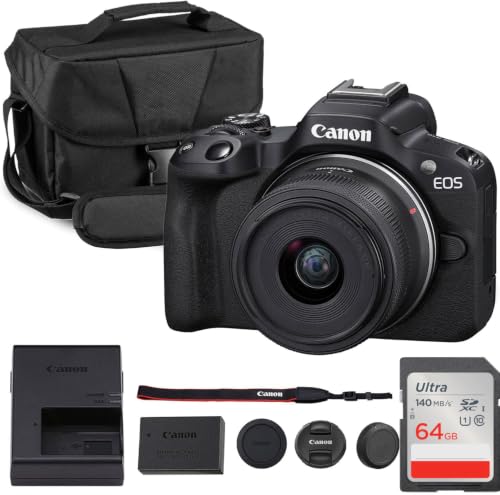
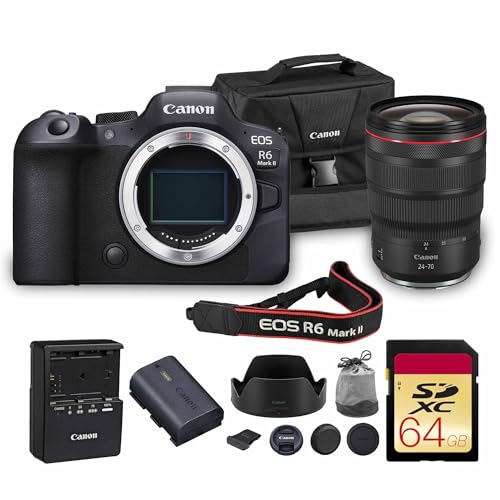
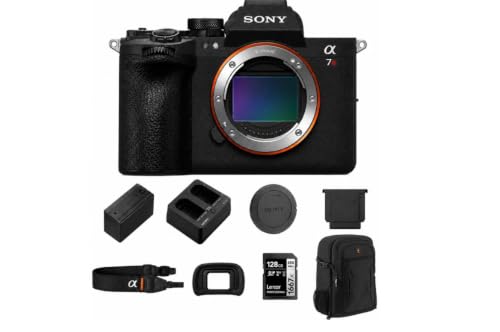
Choosing best cameras for nature photography can feel overwhelming because prices range from about $300 to well over $2,000, and every listing seems to promise a different advantage. The comparison table below gives you a quick way to see the main types side by side before you read further.
This guide sorts the market by budget instead of by brand or model. You will learn what each price tier usually delivers, which features genuinely help outdoors, and which extras you can safely skip.





Who Should Buy Which Camera for Nature Photography?
Walkers and Day Hikers
If you shoot on marked trails and carry a day pack, weight and simplicity matter more than extreme reach. A compact body with a versatile zoom lets you photograph birds at a pond, flowers beside the path, and wide valley views without swapping lenses or carrying a heavy bag. Weather resistance is still useful, because a passing shower should not end your outing.
Backyard and Park Photographers
If most of your shooting happens close to home, you can accept a slightly larger setup and focus on image quality and low light performance. Dawn and dusk are often the best times for wildlife, so a sensor that handles dim light and a lens with a wide aperture will serve you well. A sturdy tripod can also help here, since you are not carrying it for miles.
Dedicated Wildlife and Landscape Shooters
If you plan trips around migration seasons, remote viewpoints, or fast moving animals, reach, autofocus speed, and sealing matter most. You will likely accept extra weight and a higher price in exchange for a longer lens, faster burst shooting, and a body that keeps working in rain and dust. Long term costs also rise, so budget for spare batteries and storage.
Field craft matters as much as gear for this group. Learn the habits of the animals you photograph, arrive before first light, and move slowly so you do not disturb your subject. Follow local wildlife rules, keep a respectful distance, and never bait or chase animals for a photograph. A patient approach often produces better images than a longer lens used carelessly.
What Your Money Gets You at Each Price Tier
A Modest Starting Budget
At around $300 to $700, expect a compact camera or an entry level interchangeable lens camera with a kit zoom. Image quality in good daylight is usually strong, and automatic modes handle most scenes well. The trade offs are shorter zoom reach, slower autofocus on moving animals, and limited weather sealing, so you may need to protect the camera in heavy rain.
The Middle Ground Most Nature Photographers Choose
At around $700 to $1,500, you gain a larger sensor, faster and more reliable autofocus, and longer zoom options. Low light results improve noticeably, and burst shooting becomes fast enough for birds taking flight. Many cameras in this range also add meaningful weather sealing and better battery life, which matters on long days outdoors.
A Higher Budget for Demanding Field Work
Above about $1,500, you are paying for the combination of a large sensor, very fast autofocus, long telephoto reach, and rugged sealing. These cameras handle dawn light, distant subjects, and harsh weather with more confidence. The gains are real, but they are smaller than the jump from a modest budget to the middle range, so this tier suits photographers who already know exactly which limits they keep hitting.
Features Worth Paying For (and Ones to Skip)
Lens and Zoom Range
Optical zoom is the reach that matters outdoors, because it magnifies the scene without degrading detail. A zoom that reaches about 200 mm to 400 mm in full frame terms covers many birds and distant mammals, while a shorter zoom suits landscapes and nearby subjects. Digital zoom, by contrast, simply crops the image, so treat large digital zoom claims as a feature to skip rather than a reason to pay more.
Features That Matter for Nature Photography
Nature photography rewards fast autofocus that can track a moving animal, image stabilization that steadies a long lens, and a quiet shutter that is less likely to disturb wildlife. A tilting screen helps when you shoot from ground level for flowers or fungi. Features worth skipping include heavy in camera filters and gimmicky scene modes, which rarely improve a field photograph and can slow you down at the decisive moment.
Sensor Size and Image Quality
Sensor size affects low light performance and depth of field more than the megapixel count alone. A 1 inch sensor suits compact cameras, while APS C and full frame sensors gather more light and produce cleaner results at dawn and dusk. Do not pay extra for an extreme megapixel count if it comes with slower shooting or smaller pixels that struggle in dim light. For most nature work, a moderate resolution with a larger sensor is the better trade.
Durability and Weather Sealing
Weather sealing protects the body and lens mount against rain, dust, and humidity, which are routine outdoors rather than rare exceptions. Look for gaskets around buttons and dials, and remember that sealing works best when the lens is sealed too. A fully waterproof rating is a different claim from weather resistance, so check what the maker actually states. For more on general camera types, see our guide to best cameras for photography.
Picking the Right Camera for Different Uses
Best Compact Cameras for Nature Photography
Compact cameras suit photographers who want one small package for trails, travel, and casual wildlife. Judge them on zoom reach, stabilization, and how quickly they start up and focus, since a missed moment is the real cost of a slow camera. Battery life also matters, because a small body often means a smaller battery on a long walk.
Best Nikon Cameras for Nature Photography: Where Your Money Goes
When you compare cameras from one maker, judge the system rather than a single body: the range of lenses, the quality of telephoto options, and the availability of accessories. A maker with strong long lenses and reliable autofocus gives you room to grow without replacing everything later. For a broader comparison of digital options, see our guide to best digital cameras for nature photography.
Best Point and Shoot Cameras for Nature Photography: Where Your Money Goes
Point and shoot cameras suit beginners and travelers who want automatic exposure and a fixed zoom in a pocket sized body. Judge them on zoom range, close focusing distance for flowers and insects, and screen visibility in bright sun. If you later want manual control or longer lenses, an interchangeable lens camera is the natural next step, so treat a point and shoot as a starting point rather than a final system.
Choosing a Lens System for the Long Term
A camera body is a short term purchase compared with the lenses you will collect over years. Before committing, look at the range of telephoto, wide angle, and macro lenses available for the system, and check whether third party lenses offer affordable alternatives. A system with a thin lens lineup may force an expensive switch later, even if the first body felt like a bargain.
Compatibility matters too. Check whether older lenses work fully with newer bodies, including autofocus and stabilization, and whether lens mounts are shared across several body sizes. A system that lets you move from a compact body to a larger one without replacing lenses protects your investment. For landscape focused work, see our guide to best cameras for nature and landscape photography.
Long Term Costs to Factor In
The camera body is rarely the whole cost. Spare batteries, memory cards, a protective bag, and cleaning supplies add up, and a longer lens is often the largest later purchase. Check warranty terms and repair availability before buying, since field use is harder on gear than studio use.
If you shoot in remote places, a second battery and a portable charger are worth budgeting for from the start. For beginners, our guide to best starter cameras for nature photography explains how starter kits affect total cost.
Cleaning and protection costs are easy to overlook. A rocket blower, lens cloths, sensor cleaning supplies, and a rain cover cost little individually, but they protect gear worth far more. Add a sturdy bag that fits your longest lens attached, since a bag that forces you to detach the lens every time slows you down in the field. Finally, set aside money for memory cards with fast write speeds, because a slow card can stall burst shooting at exactly the wrong moment.
Cameras: Your Questions Answered
What features matter most in cameras for nature photography?
Autofocus tracking, image stabilization, and zoom reach matter most, followed by weather sealing and battery life. These features decide whether you can follow a moving animal, hold a long lens steady, and keep shooting through a long day outdoors. Sensor size matters too, but it helps less if the camera is too slow or too short to reach your subject in the first place.
How much should I spend on my first one?
A first camera for nature photography often costs about $400 to $900 including a kit lens, which buys solid daylight quality and room to learn. Spend more only if you already know you need longer reach or better low light results. Starting modestly also leaves room in your budget for a spare battery, a memory card, and a bag, which you will need on every outing.
What specs matter most for beginners?
Beginners should focus on reliable autofocus, a versatile zoom, and controls that are easy to learn, rather than chasing the highest resolution. A camera that starts quickly, focuses confidently, and produces pleasing colors straight from the camera will encourage more practice. Manual controls can wait until you understand exposure, and most cameras let you grow into them gradually.
Which is better for low light?
A larger sensor with a wide aperture lens is usually better for low light than a smaller sensor with more megapixels. The larger sensor gathers more light, which reduces noise at dawn, dusk, and under forest canopy. Image stabilization helps too, because it lets you use slower shutter speeds for still subjects, though it cannot freeze a moving animal on its own.
Do I need weather sealing for nature photography?
Weather sealing is worth having if you shoot in rain, coastal spray, dust, or humid forests, because it protects the camera during exactly the conditions when wildlife is often active. It does not make a camera waterproof, so you should still shelter it in a downpour. If you only shoot in fair weather close to home, you can save money and simply carry a rain cover for occasional showers.
The Bottom Line
Match your budget to the shooting you actually do, not to the most impressive specification list. A mid range camera with good autofocus, useful zoom reach, and solid sealing will serve most nature photographers well, while a modest camera is a fine start if you are still learning. Check the product table above once more, weigh the long term costs, and choose the setup that you will happily carry on every outing. That habit, more than any single feature, will improve your photographs with best cameras for nature photography.