Best Car Chip Repair Kit: Glass and Paint Chip Fixes for 2026
Disclosure: We may earn a commission when you buy through links on this page, at no extra cost to you. As an Amazon Associate I earn from qualifying purchases. Learn more

Learn how a car chip repair kit works for windshield rock chips and paint chips, which damage you can fix at home, and what to check before you buy.
A small rock chip in the windshield or a stone chip in the paint looks minor, but both can spread if left alone. Glass chips grow into cracks with every bump and temperature swing, and paint chips let moisture and road salt reach bare metal. A best car chip repair kit is a small set of supplies that lets you fill and seal one of these chips at home, and the right kit depends on whether the damage is in the glass or the paint.
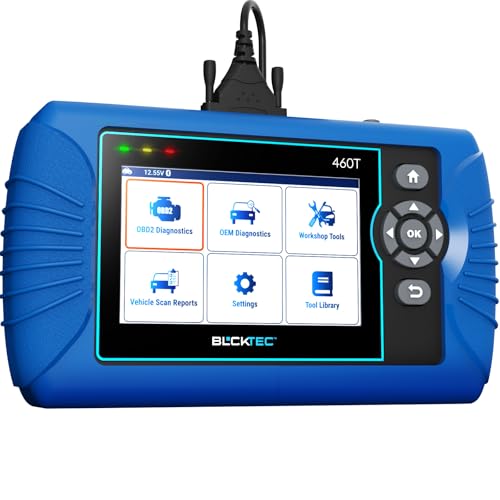
Most kits sold under this name are windshield resin kits, so the product table above leans that way, with one paint chip option included. This guide explains how each type works, what to check before you buy, and when a chip is too big for a home repair.





Car Chip Repair Kits: Glass or Paint?
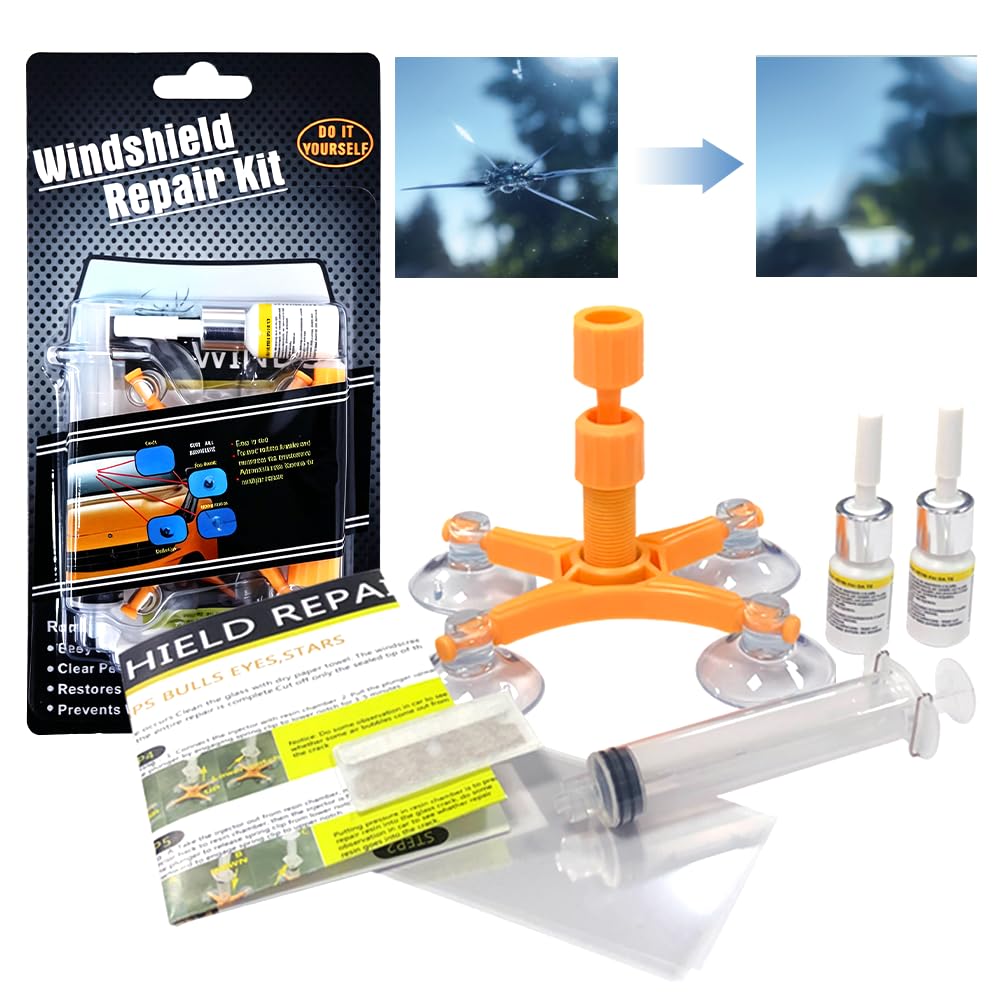
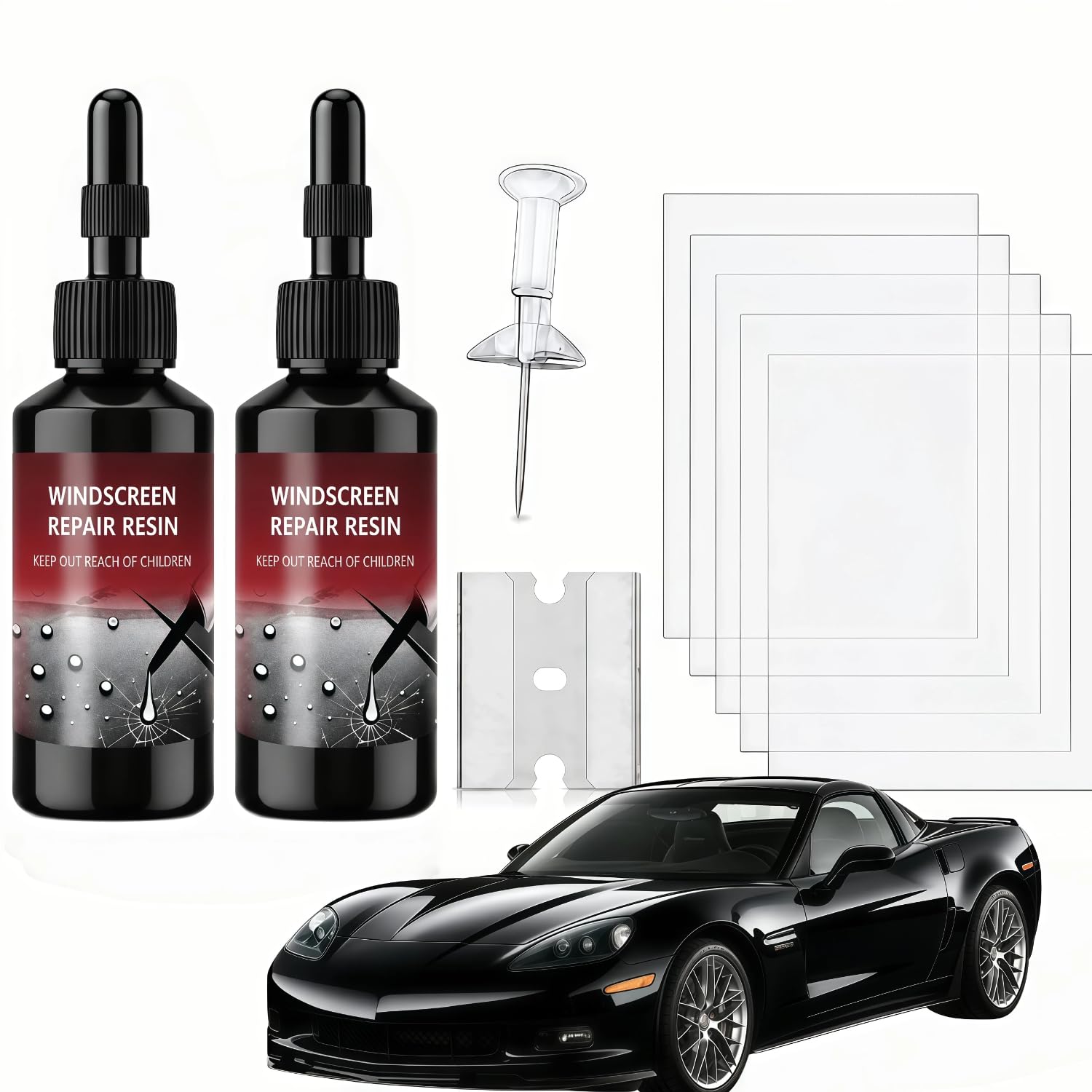
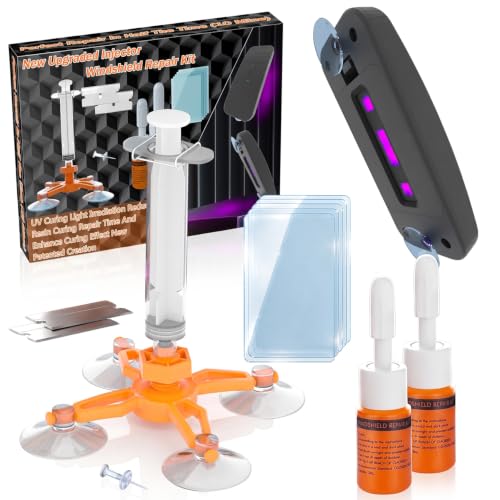
A windshield chip kit injects a clear resin into the chip, then cures it so the resin hardens and stops the damage from spreading. Many kits use a plastic bridge or pressure tool that holds the resin over the chip, and a curing step that uses sunlight or a small UV light. The repair rarely makes the chip vanish. It restores strength and makes the mark much less visible, which is usually the goal.
A paint chip kit works differently. It cleans the chip, fills the pit with touch up paint or filler, and seals it so water cannot reach the metal below. Paint kits need a color that matches your car, so check your paint code on the door jamb label or in the owner's manual before ordering. For glass, color does not matter, but chip size and type do.
Which Chips a Home Kit Can Fix
Glass kits work best on small damage such as bullseyes, star breaks, and short single cracks, usually smaller than a coin. A chip that has already grown into a long crack, sits at the edge of the windshield, or reaches into the area directly in front of the driver is often a job for a glass shop. A kit also works better the sooner you use it, because dirt and moisture inside a chip weaken the bond.
Paint kits suit stone chips and thin scratches on the hood, bumper, and door edges. They are not a fix for dents, rust that has already spread, or damaged panels. If the chip reaches a crease or the paint is peeling in sheets, a body shop will give a better result than layering more product.
What to Look for in a Car Chip Repair Kit
Resin and Curing Method
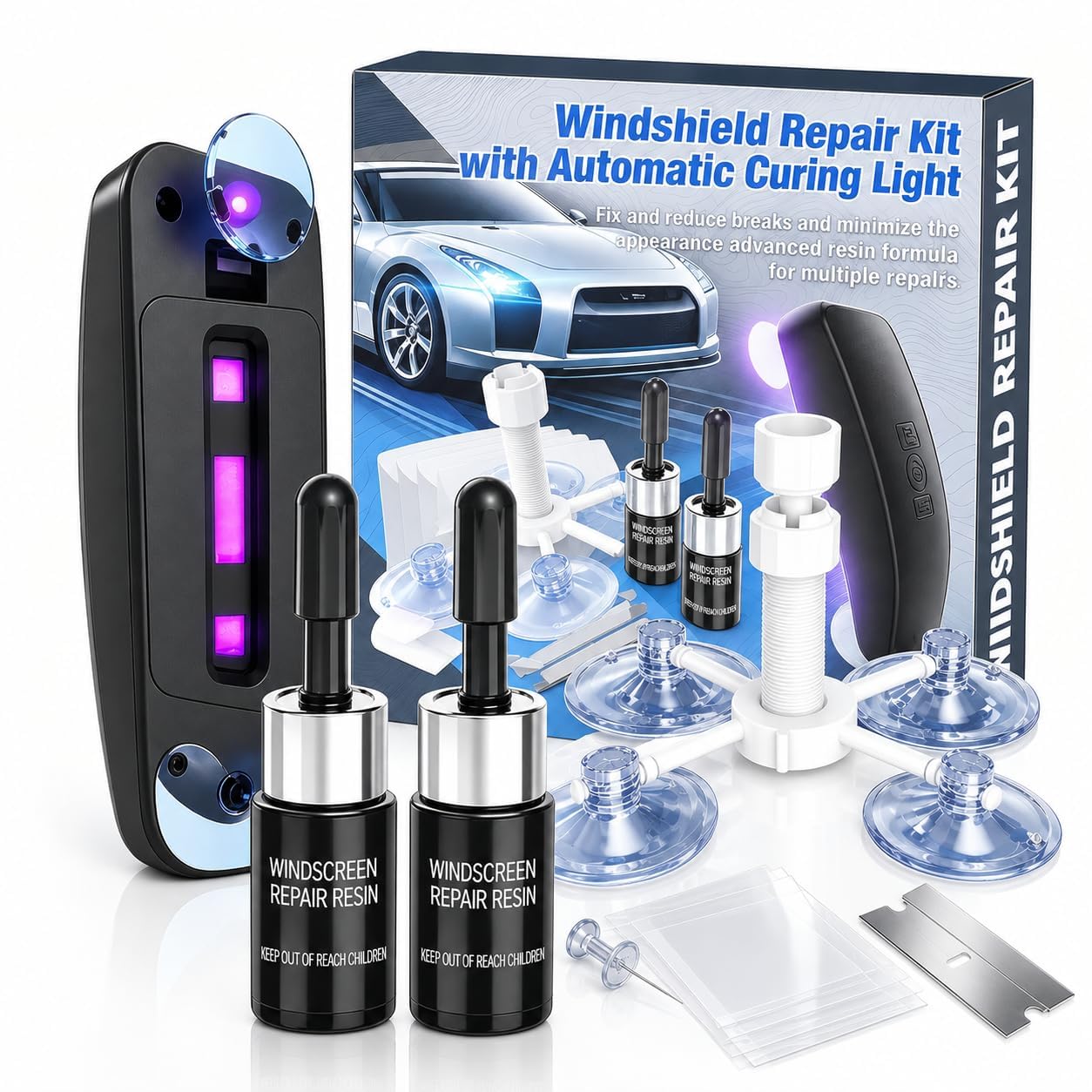
For glass, look for a kit with enough resin for several attempts, because the first try on a new tool is often not perfect. UV curing lights make the cure faster and less dependent on weather, while sun cured kits need a bright, dry day. Read the cure time on the label and plan around it.
Applicator and Injector Quality
A sturdy injector, a stable suction cup or bridge, and a clean razor blade or scraper make the job easier. A weak suction cup that slips lets air into the chip and leaves a visible bubble. For paint, a fine applicator tip gives control over a tiny chip, while a wide brush tends to leave a blob.
Number of Repairs and Included Extras
Two pack kits cost little more than single kits and give you a spare for the next chip. Extras such as curing film, cleaning wipes, and a polish pad are useful, but they matter less than a clear instruction sheet and fresh resin.
Price Range
Most windshield chip kits cost roughly $10 to $30, and paint chip kits sit in a similar range. Professional glass repair costs more, so a kit makes sense for a single small chip or for keeping a spare in the garage. For anything large, the shop is the safer choice.
How to Repair a Windshield Chip at Home
- Park in the shade and clean the glass around the chip. Pick out loose glass bits with the pin from the kit.
- Place the bridge or suction cup over the center of the chip so the injector sits directly above the damage.
- Add resin as the instructions describe, then use the plunger or pressure tool to push the resin into the chip and pull air out.
- Cure the resin with sunlight or a UV light for the full time on the label, then scrape away extra resin with the blade held flat.
- Wait before washing the car, and avoid slamming doors for the first hours after the repair.
Wear gloves and eye protection, work in a ventilated area, and keep resin away from children and pets. If you are not comfortable with the process, a glass shop can repair a fresh chip quickly. Our guide to the best windshield repair kit covers the glass side in more depth.
Repairing a Paint Chip
For paint, wash and dry the area, then clean it with the prep wipe or a little rubbing alcohol on a cloth. Apply thin layers of filler or touch up paint, letting each layer dry, and add a clear coat if the kit includes one. Several thin layers look better than one thick layer, and they are easier to level. Work in the shade on a cool panel, and avoid direct sun, which dries the product too fast.
Waxing the repaired spot after the paint has fully cured helps protect it. If a dent sits next to the chip, see our guide to the best dent repair kit, and for general upkeep after any repair, our guide to the best car cleaning kits covers washing and protection supplies.
Common Mistakes to Avoid
- Waiting too long, which lets dirt and water into a glass chip and lets rust form under a paint chip.
- Repairing in direct sun or on a hot panel, which makes resin or paint set before it flows into the chip.
- Skipping the cleaning step, which leaves dust under the filler and weakens the bond.
- Using too much product at once, which leaves a raised blob that is harder to level.
- Trying to fix a long crack or an edge chip at home when a shop repair is the safer route.
Frequently Asked Questions
Does a car chip repair kit make the chip disappear?
Not completely. A good repair fills the chip and makes it much less noticeable, and on glass it stops the damage from spreading. Expect a faint mark in the right light. The earlier you repair a chip, the better the result.
How big a chip can a kit fix?
Glass kits generally handle chips smaller than a coin and short cracks. Longer cracks and damage near the edge of the windshield are better left to a shop. Paint kits suit small stone chips and light scratches, not dents or peeling paint.
Is a windshield repair kit or a paint chip kit right for me?
It depends on where the damage is. If the chip is in the glass, you need a resin kit. If it is in the paint, you need touch up paint or filler that matches your color. A glass kit will not repair paint, and a paint kit will not repair glass.
How long does a repair last?
A clean, fully cured repair can last for years, although a glass chip can still crack later if the windshield takes another hit or a sharp temperature change. Paint repairs last longer when the area is washed gently and waxed after the paint cures.
Can I drive right after a chip repair?
Wait for the full cure time on the label before driving on rough roads or washing the car. Most kits cure within an hour or less, but follow the instructions for your kit.
Final Thoughts
Match the kit to the damage: a resin kit for a small glass chip, touch up paint or filler for a paint chip. Act early, follow the cure time, and leave long cracks to a shop. Compare the picks in the product table above, and choose the best car chip repair kit that fits your chip, your car, and your comfort with hands on work.